Where to Get a COVID Vaccine Near Me: Your Essential Guide
where to get a covid vaccine near me

Where to Get a COVID Vaccine Near Me: Your Essential Guide

Navigate the process of finding and receiving your COVID-19 vaccine with confidence and ease.

Find Your Vaccine

Key Takeaways

  • ✓ COVID-19 vaccines are widely available across the US, often at no direct cost.
  • ✓ Multiple types of COVID-19 vaccines are authorized, each highly effective.
  • ✓ Booster shots are crucial for maintaining strong immunity against new variants.
  • ✓ Online search tools and local health departments are primary resources for vaccine location.

How It Works

1
Assess Your Eligibility

Check current CDC guidelines for vaccine and booster recommendations based on your age, health status, and last vaccination date. Eligibility criteria can evolve, so staying informed is key.

2
Use Online Locators

Utilize federal and state-specific online tools to search for vaccine providers by zip code. These platforms consolidate information from various pharmacies, clinics, and healthcare systems.

3
Schedule Your Appointment

Once you find a suitable location, book your appointment directly through their website or by calling. Many locations offer walk-in options, but scheduling guarantees your spot.

4
Prepare for Your Visit

Bring your ID, insurance card (if applicable), and your COVID-19 vaccine card if you're receiving a booster. Wear short sleeves for easy access and be ready to wait briefly after vaccination.

Understanding COVID-19 Vaccine Availability and Types

A pharmacist hands medication to a customer at a classic vintage pharmacy counter. Photo: cottonbro studio / Pexels
Navigating the landscape of COVID-19 vaccine availability can sometimes feel complex, but understanding the basics is the first step in knowing where to get a COVID vaccine near me. In the United States, several highly effective COVID-19 vaccines have received authorization or approval from the Food and Drug Administration (FDA) and are recommended by the Centers for Disease Control and Prevention (CDC). These typically include mRNA vaccines (Pfizer-BioNTech and Moderna) and protein subunit vaccines (Novavax). Each vaccine has demonstrated robust efficacy in preventing severe illness, hospitalization, and death from COVID-19. The specific type of vaccine available at a given location can vary, so it's always a good idea to check this detail when scheduling your appointment, especially if you have a preference or specific medical considerations. The widespread distribution network for these vaccines is a testament to the nation's commitment to public health. Pharmacies, ranging from large national chains like CVS, Walgreens, and Rite Aid to independent local pharmacies, are often the most accessible points of care. These establishments have become crucial hubs for vaccinations due to their widespread presence and convenient hours. Beyond pharmacies, many primary care physician offices, community health centers, and urgent care clinics also offer COVID-19 vaccinations. State and local health departments frequently operate mass vaccination sites or smaller pop-up clinics, particularly during periods of high demand or for specific community outreach initiatives. These diverse options ensure that most individuals can find a vaccination site within a reasonable distance, addressing the core question of 'where to get a COVID vaccine near me.' It's important to remember that vaccine recommendations and eligibility criteria can evolve. The CDC regularly updates its guidance based on the latest scientific data, the emergence of new variants, and vaccine effectiveness over time. This includes recommendations for primary series vaccinations for different age groups, as well as booster doses. Booster shots are particularly vital as they help restore and enhance protection against new variants that may be circulating. Keeping abreast of these updates through reliable sources like the CDC website or your local health department is essential for making informed decisions about your vaccination schedule. The goal is to maintain robust immunity within the population, thereby reducing the burden of COVID-19 on individuals and the healthcare system. Don't hesitate to consult your healthcare provider if you have specific questions about which vaccine type or booster is right for you, or visit the CDC's official website for the most current information on vaccine recommendations.

Your Go-To Resources for Finding Vaccination Sites

Back view of crop anonymous young male reading news on mobile phone while sitting in bedroom Photo: Matheus Bertelli / Pexels
When seeking where to get a COVID vaccine near me, leveraging the right resources can significantly streamline your search. The U.S. federal government, in collaboration with state and local partners, has developed several highly effective tools designed to help you locate vaccination sites quickly and efficiently. The primary federal resource is Vaccines.gov. This comprehensive website allows you to search for vaccine providers by zip code, vaccine type (e.g., Pfizer, Moderna, Novavax), and age group. It pulls data from thousands of providers across the country, including retail pharmacies, clinics, and health centers, providing real-time information on vaccine availability and appointment scheduling links. It's often the first and most reliable stop for anyone looking for a COVID-19 shot. In addition to Vaccines.gov, most state health departments maintain their own dedicated websites or hotlines for COVID-19 vaccination information. These state-specific resources can sometimes offer more localized details, such as information about temporary clinics, community events, or specific programs tailored to underserved populations. For instance, a state health department website might highlight mobile vaccination units visiting rural areas or provide details on local health clinics that aren't always listed on national platforms. It's advisable to check both federal and state resources to ensure you have the most complete picture of options available in your immediate vicinity. Many states also offer text message services where you can send your zip code and receive a list of nearby vaccination sites directly to your phone, enhancing accessibility for those who may not have consistent internet access. Retail pharmacy chains are another invaluable resource. Websites for CVS, Walgreens, Rite Aid, and other major pharmacies all feature dedicated COVID-19 vaccine scheduling portals. These portals are user-friendly, allowing you to check availability at specific store locations, select your preferred vaccine type, and book an appointment directly. Many offer walk-in options, but scheduling online is generally recommended to avoid potential wait times or ensure the specific vaccine you need is in stock. These pharmacy sites are constantly updated, reflecting the dynamic nature of vaccine supply and demand. Beyond these major chains, don't overlook smaller, independent pharmacies or local grocery store pharmacies, which may also offer vaccines and often provide a more personalized experience. Always verify the most current operating hours and appointment requirements directly with the provider before heading out.

Preparing for Your Vaccination Appointment
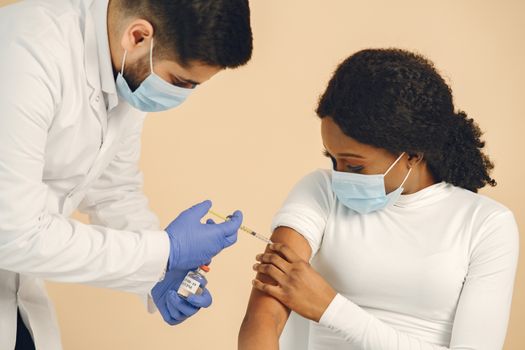
A medical professional giving a vaccine injection to a patient wearing face masks for safety. Photo: Gustavo Fring / Pexels
Once you've successfully navigated the 'where to get a COVID vaccine near me' query and secured an appointment, proper preparation can ensure a smooth and stress-free experience. First and foremost, gather all necessary documentation. This typically includes a valid form of identification, such as a driver's license or state ID. While insurance is not usually required to receive the COVID-19 vaccine itself (as it's often provided free of charge by the government), bringing your insurance card is still a good idea. Providers may ask for it for administrative purposes, such as billing for the administration fee, which is covered by insurance or federal programs. If you are receiving a booster dose, remember to bring your original COVID-19 vaccination card. This card serves as proof of your previous doses and helps the provider update your vaccination record accurately. On the day of your appointment, consider what you wear. Opt for loose-fitting clothing, ideally a short-sleeved shirt, to allow easy access to your upper arm for the injection. This simple step can prevent awkward adjustments and make the process quicker for both you and the vaccinator. Arrive a few minutes early to complete any necessary paperwork. Most vaccination sites have a waiting area where you'll be asked to remain for 15-30 minutes after receiving your shot. This observation period is a standard safety precaution, allowing healthcare professionals to monitor for any immediate allergic reactions, though these are rare. It's important to respect this step and not rush out immediately. Before your appointment, take a moment to review any specific instructions from the vaccination site. Some clinics might have particular entry procedures, parking information, or require you to fill out forms online in advance. Being prepared can reduce anxiety and ensure you have all the information needed. If you have any questions or concerns about the vaccine due to existing health conditions or medications, it’s always best to discuss these with your primary care provider or the vaccinator before receiving the shot. They can provide personalized advice and address any specific worries. Remember, your health and safety are the top priorities, and asking questions is encouraged to ensure you feel confident and informed about your vaccination. For more detailed guidance on what to expect, the CDC offers extensive information on vaccine side effects and post-vaccination care.

Tips for a Smooth Vaccination Experience and Addressing Concerns

A medical professional carefully wrapping a bandage around an injured person's hand. Photo: cottonbro studio / Pexels
Ensuring a smooth vaccination experience goes beyond just finding where to get a COVID vaccine near me; it also involves managing expectations and understanding common concerns. One of the most frequent questions people have relates to potential side effects. It's entirely normal to experience mild, temporary side effects after a COVID-19 vaccine, which are signs that your immune system is learning to fight the virus. These can include pain, redness, or swelling at the injection site, fatigue, headache, muscle pain, chills, fever, and nausea. These symptoms typically resolve within a day or two. Over-the-counter pain relievers like ibuprofen or acetaminophen can help manage discomfort. Applying a cool, damp cloth to the injection site can also provide relief. If side effects are severe or last longer than a few days, contact your doctor. Here are some additional tips for a seamless experience: * **Stay Hydrated:** Drink plenty of fluids before and after your vaccination. This can help alleviate some of the general discomforts like headache or fatigue. * **Relax:** If you're anxious about needles, try deep breathing exercises or distract yourself during the injection. Inform the vaccinator if you tend to feel faint, and they can ensure you are in a comfortable, reclined position. * **Keep Your Vaccine Card Safe:** After your vaccination, you'll receive a COVID-19 vaccination card. This card is an important record of your vaccination dates and the type of vaccine you received. Keep it in a safe place, as you may need it for future booster doses or travel requirements. Consider taking a photo of it as a digital backup. * **Report Adverse Events:** While rare, if you experience any serious or unexpected health problems after vaccination, report them to the Vaccine Adverse Event Reporting System (VAERS). This national surveillance system monitors vaccine safety. * **Be Patient and Kind:** Vaccination sites can sometimes be busy. Healthcare workers are doing their best under demanding circumstances. A little patience and kindness can go a long way in making the experience better for everyone. * **Follow Up on Boosters:** Stay informed about booster recommendations for your age group and health status. Boosters are crucial for maintaining optimal protection as immunity can wane over time and new variants emerge. By being prepared, understanding what to expect, and knowing how to address any issues, you can contribute to a positive and effective vaccination effort for yourself and your community.

Comparison

FeaturePharmacies (CVS, Walgreens)Health Departments/ClinicsPrimary Care Physician
Convenience/AccessibilityHigh (widespread locations, flexible hours)Moderate (specific sites, sometimes pop-ups)Moderate (appointment often required, existing patients)
Appointment AvailabilityGood (online scheduling, some walk-ins)Varies (can be high demand during surges)Good (can integrate with routine visits)
Vaccine Types OfferedUsually multiple mRNA/protein subunit optionsVaries, often specific types based on supplyMay offer specific types, tailored to patient needs
Cost (Direct)FreeFreeFree (administration fee covered)
Record KeepingDigital and physical cardDigital and physical cardIntegrated with patient medical record

What Readers Say

"I was wondering where to get a COVID vaccine near me and found a CVS just down the street through Vaccines.gov. The online scheduling was super easy, and the pharmacist was very efficient and friendly. Quick in and out!"

Sarah J. · Austin, TX

"My local health department had a pop-up clinic, which made it incredibly convenient to get my booster. They had clear signs and staff to guide everyone, making the whole process very smooth and organized."

Mark D. · Miami, FL

"I got my vaccine at my family doctor's office. It was great because they already had my medical history, and I felt very comfortable asking questions. Definitely the best option for me."

Emily R. · Seattle, WA

"Walgreens was a good option for my second dose. The wait was a bit long, but the staff were apologetic and worked quickly. I appreciated being able to schedule it online and get text reminders."

David L. · Chicago, IL

"I needed a specific type of vaccine for my booster, and Vaccines.gov helped me pinpoint a local clinic that had it in stock. It saved me a lot of time calling around and ensured I got exactly what I needed."

Jessica M. · Denver, CO

Frequently Asked Questions

What is the easiest way to find where to get a COVID vaccine near me?

The easiest way is to use the federal website Vaccines.gov. Simply enter your zip code, and it will provide a list of nearby vaccination sites, their available vaccine types, and links to schedule appointments. Many state health department websites also offer similar search tools.

Do I need to pay for a COVID-19 vaccine?

No, COVID-19 vaccines are provided free of charge to all individuals in the United States, regardless of insurance or immigration status. While providers may bill an administration fee to your insurance, you will not incur any out-of-pocket costs for the vaccine itself.

How do I schedule a COVID-19 vaccine appointment?

Most vaccination sites allow you to schedule appointments online through their respective websites (e.g., pharmacy chains, clinic portals) or via the Vaccines.gov platform. Some locations also offer walk-in appointments, but scheduling ahead is generally recommended to guarantee your spot and preferred vaccine type.

What if I don't have health insurance?

Even if you do not have health insurance, you can still receive a COVID-19 vaccine for free. Federal programs are in place to cover the costs for uninsured individuals. You will not be turned away due to lack of insurance.

Are all COVID-19 vaccines the same?

While all authorized COVID-19 vaccines are highly effective at preventing severe illness, hospitalization, and death, there are different types (e.g., mRNA, protein subunit) from various manufacturers (Pfizer-BioNTech, Moderna, Novavax). Your healthcare provider can help you choose if you have specific preferences or medical considerations.

Who should get a COVID-19 vaccine or booster?

The CDC recommends COVID-19 vaccination for nearly everyone aged 6 months and older. Booster shots are also recommended for eligible individuals to maintain strong immunity, especially as new variants emerge. Consult the latest CDC guidelines or your doctor for personalized recommendations based on age, health status, and prior vaccination history.

What are common side effects of the COVID-19 vaccine?

Common side effects are generally mild and temporary, including pain, redness, or swelling at the injection site, fatigue, headache, muscle pain, chills, and fever. These indicate your immune system is building protection and typically resolve within a day or two. Serious side effects are rare.

Will I need regular COVID-19 boosters in the future?

Similar to the annual flu shot, it is likely that updated COVID-19 vaccines or boosters will be recommended periodically to protect against evolving variants. The frequency and specific recommendations will depend on ongoing research, viral evolution, and public health guidance from the CDC and FDA.

Don't delay in protecting yourself and your community. Use the resources provided to easily locate where to get a COVID vaccine near me and schedule your appointment today. Your health is your priority, and vaccination remains a critical tool in managing COVID-19.

Topics: where to get a covid vaccine near mecovid vaccine locationsfind covid shotvaccine availabilitycovid immunization
Leo List
Brampton weed
Adultwork EstrelaBet Vai de Bet R7 Bet Betão Galera Bet Rainbet Bet9ja Shop SportyBet BetKing Sisal Loto Foot Hollywoodbets YesPlay Odibets RushBet Jugabet BetWarrior BetCity MSport betPawa Fortebet