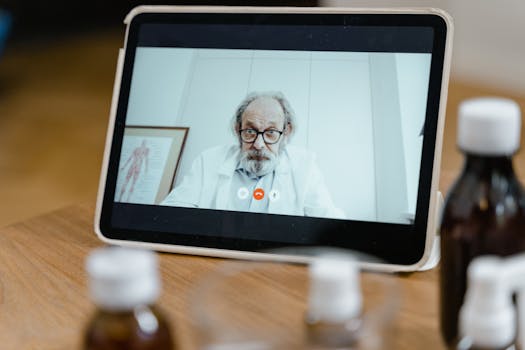
What is Telemedicine Used For? Your Digital Health Guide
what is telemedicine used for

What is Telemedicine Used For? Your Digital Health Guide

Unlock convenient, accessible healthcare from your home. Understand how virtual care transforms modern medicine.

Explore Telehealth Now

Key Takeaways

  • ✓ Telemedicine provides remote clinical services via technology.
  • ✓ It covers a wide range of services, from primary care to mental health.
  • ✓ Virtual visits can save time, reduce travel, and increase access to specialists.
  • ✓ Insurance coverage for telemedicine has expanded significantly.

How It Works

1
Schedule Your Virtual Appointment

Patients typically book an appointment online or through a provider's app. You'll often choose a time that fits your schedule and select your preferred doctor or specialist.

2
Connect with Your Provider

At the scheduled time, you'll connect with your healthcare provider via a secure video call, phone call, or chat. Ensure you have a stable internet connection and a private space.

3
Receive Diagnosis and Treatment

During the consultation, your doctor will discuss your symptoms, provide a diagnosis, and recommend a treatment plan. This may include prescriptions, referrals, or follow-up instructions.

4
Follow-Up and Ongoing Care

Many telemedicine platforms facilitate easy follow-up appointments and ongoing management of chronic conditions. Your medical records are securely maintained for continuity of care.

Understanding the Scope of Telehealth Services

Young female doctor in white coat consulting online with stethoscope indoors. Photo: Tima Miroshnichenko / Pexels
Telemedicine, often used interchangeably with telehealth, represents the delivery of healthcare services and information using electronic communication technologies. It’s far more than just a video call with a doctor; it encompasses a broad spectrum of services designed to improve patient access, efficiency, and quality of care. When people ask, "what is telemedicine used for?" they're often surprised by the sheer breadth of its applications. From routine consultations to complex chronic disease management, virtual care has reshaped the landscape of modern medicine, particularly in the United States. Initially, telemedicine gained traction in remote or underserved areas, bridging geographical gaps that prevented timely access to medical expertise. However, the COVID-19 pandemic dramatically accelerated its adoption, revealing its critical role in maintaining healthcare continuity during crises. Today, it’s a mainstream component of healthcare delivery, allowing patients to consult with primary care physicians, specialists, and mental health professionals without leaving their homes. One of the primary uses of telemedicine is for general medical consultations. This includes addressing common illnesses like colds, flu, allergies, rashes, and minor infections. Instead of taking time off work, traveling to a clinic, and sitting in a waiting room, patients can quickly connect with a doctor for a diagnosis and prescription, if necessary. This convenience is a significant driver of its popularity, especially for those with busy schedules or mobility challenges. It also extends to prescription refills for stable conditions, where a quick check-in with a doctor can save a trip to the office. Beyond immediate care, telemedicine plays a crucial role in chronic disease management. Patients with conditions such as diabetes, hypertension, asthma, or heart disease can have regular check-ins with their specialists to monitor their progress, adjust medications, and receive lifestyle counseling. This continuous oversight, often combined with remote monitoring devices, helps prevent complications and improves overall health outcomes. The ability to easily connect with specialists reduces the burden of frequent in-person visits, making consistent care more attainable for many. For example, a diabetic patient can share glucose readings remotely, and their endocrinologist can provide real-time feedback and adjust insulin dosages without an office visit. This proactive approach to chronic care management is a cornerstone of what makes telemedicine so valuable. Furthermore, it supports preventive care by facilitating annual wellness visits and discussions about vaccinations or screenings, making healthcare more accessible and integrated into daily life. Learn more about the various benefits of telehealth and how it's changing patient care.

Specialized Care and Mental Health Support via Virtual Platforms

A healthcare professional video conferencing with a patient for an online consultation. Photo: www.kaboompics.com / Pexels
The application of telemedicine extends far beyond general practice, encompassing a wide array of specialized medical fields. This expansion means that when considering what is telemedicine used for, we must also look at its profound impact on specialist access. Many specialties, from dermatology to cardiology, now offer virtual consultations, significantly reducing wait times and travel burdens for patients seeking expert advice. Dermatologists, for instance, can often diagnose skin conditions by reviewing high-resolution images or conducting video examinations, advising on treatment plans or determining if an in-person biopsy is necessary. Similarly, follow-up appointments with cardiologists, neurologists, or orthopedic specialists can often be conducted virtually, especially when monitoring stable conditions or reviewing test results. Perhaps one of the most transformative areas for telemedicine is mental health. Telepsychiatry and teletherapy have become indispensable, providing accessible and discreet support for individuals dealing with depression, anxiety, PTSD, addiction, and other mental health challenges. The stigma often associated with seeking mental health care can be reduced when sessions are conducted from the privacy and comfort of one's own home. This ease of access can encourage more people to seek the help they need, leading to improved mental well-being across the population. Therapists and psychiatrists can conduct initial assessments, provide ongoing counseling, manage medication, and offer crisis intervention through secure video platforms, ensuring continuity of care that might otherwise be interrupted by geographical distance or scheduling conflicts. Furthermore, telemedicine is increasingly utilized for post-operative care and rehabilitation. After surgery, patients often require regular check-ups to monitor incision sites, assess healing, and adjust pain medication. Virtual visits can facilitate these crucial follow-ups, reducing the need for potentially painful or inconvenient travel. Physical and occupational therapists are also leveraging telehealth to guide patients through exercises and assess progress remotely, ensuring adherence to rehabilitation programs and facilitating faster recovery. This is particularly beneficial for patients with limited mobility or those living far from specialized rehabilitation centers. The ability to demonstrate exercises and receive real-time feedback through video calls enhances the effectiveness of remote therapy, making it a viable and often preferred option for many. The integration of telemedicine into these specialized fields underscores its versatility and its capacity to deliver comprehensive care across the entire healthcare spectrum.

The Practicalities: Access, Technology, and Insurance Coverage

Smiling female doctor in scrubs with tablet and stethoscope, writing notes. Photo: Tessy Agbonome / Pexels
Understanding the practical aspects of what is telemedicine used for is crucial for both patients and providers. Access to telemedicine is primarily driven by technology. Patients typically need a smartphone, tablet, or computer with a camera and microphone, along with a stable internet connection. Most telemedicine platforms are designed to be user-friendly, offering secure, HIPAA-compliant video conferencing tools that protect patient privacy. Providers often utilize electronic health record (EHR) systems that integrate seamlessly with their telehealth platforms, allowing for easy access to patient history, charting, and e-prescribing capabilities. This technological integration ensures that virtual visits are as comprehensive and well-documented as in-person consultations. Another significant practical consideration is insurance coverage. Historically, reimbursement for telemedicine services was limited, but the landscape has changed dramatically. Due to the pandemic and growing recognition of its benefits, most major insurance carriers, including Medicare and Medicaid, now cover a broad range of telemedicine services. Coverage can vary by plan and state, so it's always advisable for patients to check with their insurance provider beforehand to understand their specific benefits, co-pays, and any restrictions. Many providers also offer transparent self-pay options for those without adequate insurance coverage, making virtual care accessible to a wider population. The expansion of insurance coverage has been a critical factor in the widespread adoption and sustainability of telemedicine, ensuring that more people can afford to utilize these convenient services. Telemedicine also offers practical benefits in terms of efficiency and resource utilization. For healthcare systems, it can reduce the burden on emergency rooms for non-urgent conditions, optimize clinic schedules, and allow specialists to see more patients across a wider geographical area. For patients, it eliminates travel time and costs, reduces exposure to contagious illnesses in waiting rooms, and minimizes time away from work or family responsibilities. This efficiency contributes to a more sustainable healthcare model, where resources are allocated more effectively. Moreover, the ability to conduct follow-up appointments virtually can significantly improve patient adherence to treatment plans, as the barrier of an in-person visit is removed. This ease of access promotes continuous engagement in one's health journey. The convenience and efficacy of telemedicine are driving its continued growth, making it an indispensable tool in modern healthcare delivery. Discover more about how telehealth technology is evolving and improving patient outcomes.

Maximizing Your Virtual Visit: Tips for a Successful Telemedicine Experience

Woman having an online medical consultation on a laptop from her cozy sofa. Photo: www.kaboompics.com / Pexels
To fully leverage what is telemedicine used for, preparing for your virtual visit is key. A successful telemedicine appointment ensures you get the most out of your time with the doctor and receive accurate care. Here are some essential tips to maximize your virtual healthcare experience: * **Choose a Private and Quiet Space:** Find a location where you won't be interrupted and can speak freely about your health concerns. This ensures confidentiality and allows you to focus entirely on the consultation. * **Test Your Technology in Advance:** Before your appointment, check your internet connection, camera, and microphone. Make sure your device is fully charged or plugged in. This prevents technical glitches from cutting into your valuable consultation time. * **Prepare a List of Symptoms and Questions:** Write down all your symptoms, including when they started, how severe they are, and any factors that make them better or worse. Also, list any questions you have for your doctor about your condition or treatment. This helps ensure you don't forget anything important during the call. * **Have Relevant Information Handy:** Gather any necessary medical records, a list of current medications (including dosages), allergies, and your insurance information. If you use a blood pressure cuff, thermometer, or glucometer at home, have recent readings available. * **Be Ready to Show:** For conditions like rashes, injuries, or swelling, be prepared to show the affected area clearly to the camera. Good lighting can make a significant difference in the doctor's ability to assess your condition. * **Understand Your Follow-Up Plan:** Before ending the call, confirm the next steps. This might include prescriptions, referrals for labs or specialists, or instructions for future virtual or in-person appointments. Don't hesitate to ask for clarification if anything is unclear. By following these tips, you can ensure your telemedicine appointments are productive and effective, allowing you to fully benefit from the convenience and accessibility of virtual healthcare services.

Comparison

FeatureTelemedicineIn-Person VisitUrgent Care ClinicEmergency Room
ConvenienceHigh (from anywhere)Low (travel, waiting)Medium (travel, waiting)Low (long waits, travel)
Cost (Average)Lower (often fixed fee)Medium (copay, facility fee)Medium-HighVery High
Access to SpecialistsExcellent (wider network)Good (local network)LimitedVery Limited
Time SavingsSignificantMinimalMinimalNegative (long waits)
Best for Routine Care
Best for Emergencies
PrivacyHigh (secure platforms)Medium (waiting rooms)MediumLow (busy environment)
Follow-up CareExcellent (easy scheduling)GoodLimitedNone

What Readers Say

"I used telemedicine when I had a bad cold and couldn't leave the house. The doctor was able to diagnose me and send a prescription to my pharmacy within an hour. It was incredibly convenient and saved me a trip to the urgent care, which is exactly what is telemedicine used for in my book!"

Sarah J. · Austin, TX

"As someone with a chronic condition, managing my medication used to mean frequent office visits. Now, I have regular virtual check-ups with my specialist. This has made my life so much easier, reducing travel and allowing me to stay on top of my health effectively."

Michael D. · Seattle, WA

"My son developed a rash, and I was able to get a virtual dermatology consultation almost immediately. The doctor reviewed the pictures and video, provided a diagnosis, and prescribed cream, clearing up the rash in days. It was a huge relief and a perfect example of what is telemedicine used for to get quick, specialized care."

Emily R. · Miami, FL

"Telemedicine is fantastic for routine things and refills. While I still prefer in-person for more complex issues, the ease of getting a quick consultation for a minor ailment or follow-up is unbeatable. It's truly changed how I approach my general healthcare needs."

David L. · Denver, CO

"I've been using teletherapy for my anxiety for over a year now, and it's been a game-changer. Being able to connect with my therapist from home makes it so much easier to prioritize my mental health without the added stress of commuting. This accessibility is a key reason what is telemedicine used for is so impactful."

Jessica T. · Chicago, IL

Frequently Asked Questions

What common conditions can be treated with telemedicine?

Telemedicine can effectively treat a wide range of common conditions, including colds, flu, allergies, rashes, minor infections (like UTIs or pink eye), stomach upsets, headaches, and chronic condition management (e.g., diabetes, hypertension). It's also widely used for mental health consultations like therapy and medication management.

Is telemedicine secure and private?

Yes, reputable telemedicine platforms are designed to be HIPAA-compliant, ensuring the security and privacy of your medical information. They use encrypted connections for video calls and secure systems for storing patient data, protecting your confidentiality as effectively as an in-person visit.

How do I get a prescription through telemedicine?

After a virtual consultation, if your healthcare provider determines a prescription is necessary, they can electronically send it directly to your preferred pharmacy. You can then pick up your medication as usual. Controlled substances typically have more restrictions and may not always be prescribed via telemedicine.

Is telemedicine cheaper than an in-person doctor visit?

Often, yes. Telemedicine visits can sometimes have lower co-pays than in-person visits, and they eliminate costs associated with travel, parking, and time off work. However, costs vary widely based on your insurance plan and the specific provider, so always verify coverage beforehand.

How does telemedicine compare to urgent care?

Telemedicine is generally better for non-emergency conditions, follow-ups, and chronic care management, offering convenience and often lower cost. Urgent care is suitable for conditions that require immediate attention but aren't life-threatening, such as sprains, minor cuts, or severe flu, where physical examination or on-site testing might be needed. For true emergencies, always go to the ER.

Who should consider using telemedicine?

Telemedicine is beneficial for almost anyone seeking convenient access to healthcare. It's particularly useful for individuals with busy schedules, those living in rural areas, people with mobility issues, parents needing quick care for children, and anyone looking for discreet mental health support or ongoing management of chronic conditions.

Can I get a diagnosis for a new condition via telemedicine?

Yes, many new conditions can be diagnosed via telemedicine, especially those that rely heavily on patient-reported symptoms, visual assessment (e.g., skin rashes), or review of medical history. However, if a physical examination or lab tests are crucial for diagnosis, your provider may recommend an in-person follow-up.

What are the future trends for telemedicine?

The future of telemedicine includes greater integration with AI for diagnostics, expanded use of remote monitoring devices (wearables), growth in virtual reality for therapy and medical training, and a continued focus on personalized, preventative care. It's expected to become an even more central part of hybrid healthcare models.

Telemedicine is revolutionizing how we access healthcare, offering unparalleled convenience and accessibility for a vast array of medical needs. Whether for routine check-ups, specialist consultations, or mental health support, understanding what is telemedicine used for empowers you to take control of your health journey. Explore the options available and embrace the future of healthcare today.

Topics: what is telemedicine used fortelehealth servicesonline doctor visitsvirtual care benefitsremote healthcare
Leo List

DK Escorts LU Escorts AT Escorts SE Escorts FI Escorts CH Escorts DE Escorts HR Escorts IE Escorts GR Escorts CZ Escorts NO Escorts BE Escorts FR Escorts SI Escorts IL Escorts NL Escorts PL Escorts HU Escorts ES Escorts IT Escorts PT Escorts SK Escorts RO Escorts ZA Escorts UY Escorts US Escorts UK Escorts NZ Escorts AU Escorts
Brampton weed
Adultwork EstrelaBet Vai de Bet R7 Bet Betão Galera Bet Rainbet Bet9ja Shop SportyBet BetKing Sisal Loto Foot Hollywoodbets YesPlay Odibets RushBet Jugabet BetWarrior BetCity MSport betPawa Fortebet