What is Telemedicine Used For? Your Digital Health Guide
what is telemedicine used for

What is Telemedicine Used For? Your Digital Health Guide

Unlock convenient, comprehensive healthcare from the comfort of your home, transforming how you access medical services.

Explore Virtual Care

Key Takeaways

  • ✓ Telemedicine bridges geographic gaps, offering care to rural and underserved areas.
  • ✓ It significantly reduces wait times for appointments and travel expenses.
  • ✓ Telemedicine encompasses a wide range of services, from mental health to chronic condition monitoring.
  • ✓ It has been proven safe and effective for many medical conditions, with high patient satisfaction.

How It Works

1
Schedule Your Virtual Visit

Choose a healthcare provider and book an appointment online or through a dedicated app. Select a time that fits your schedule, often with same-day options.

2
Connect Securely

At your appointment time, log in to a secure platform via video call, phone, or secure messaging. Your provider will be ready to discuss your health concerns.

3
Receive Diagnosis & Treatment

During the consultation, the doctor will assess your symptoms, provide a diagnosis, and recommend a treatment plan. This may include prescriptions sent to your pharmacy.

4
Follow-Up & Ongoing Care

Many telemedicine platforms offer follow-up appointments and continuous monitoring. This ensures you receive comprehensive care and support for your health journey.

Understanding the Scope of Telehealth Services

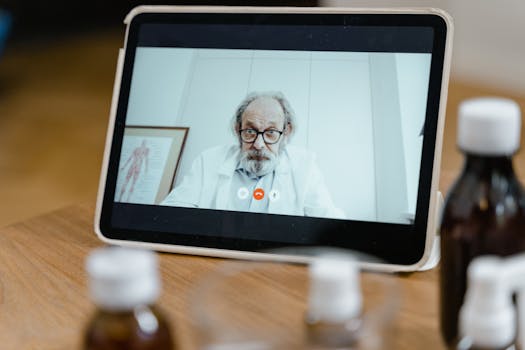
Elderly male doctor in white coat on a digital tablet screen during a virtual medical consultation. Photo: Tima Miroshnichenko / Pexels
Telemedicine, often used interchangeably with telehealth, has rapidly evolved from a niche concept to a cornerstone of modern healthcare. But what is telemedicine used for in its broadest sense? It's far more than just a quick video call with a doctor; it's a comprehensive suite of services leveraging technology to deliver healthcare remotely. This includes everything from real-time interactive visits to remote monitoring and asynchronous data exchange. The core benefit lies in its ability to transcend geographical barriers and time constraints, making healthcare more accessible and often more affordable for millions across the United States. Initially, telemedicine gained traction for its convenience in addressing minor ailments like colds, flu, or allergies. Patients could avoid the waiting room, potential exposure to other illnesses, and the hassle of travel. However, its applications have expanded dramatically. Today, it’s a vital tool for managing chronic conditions such as diabetes, hypertension, and heart disease, allowing for regular check-ins, medication adjustments, and lifestyle counseling without the need for frequent in-person appointments. This continuous engagement helps patients stay on track with their treatment plans and can lead to better health outcomes. Beyond general medicine, specialized fields have embraced telemedicine. Mental health services, for instance, have seen an explosion in virtual care, with therapy, psychiatry, and counseling all widely available online. This has significantly reduced the stigma associated with seeking mental health support and improved access for individuals in remote areas or those with mobility challenges. Dermatology, with its visual nature, is another area where telemedicine excels, allowing specialists to diagnose rashes, skin conditions, and even monitor suspicious moles through high-resolution images and video consultations. Furthermore, telemedicine plays a crucial role in post-operative care and rehabilitation. Patients can receive follow-up instructions, wound checks, and physical therapy guidance from home, reducing the burden of travel during recovery. It also facilitates specialist consultations, connecting patients in rural areas with top experts in urban centers who might otherwise be inaccessible. The integration of wearable devices and remote monitoring tools further enhances telemedicine's capabilities, allowing healthcare providers to continuously track vital signs, glucose levels, or heart rhythms, intervening proactively when necessary. Understanding these diverse applications is key to grasping the full potential of this transformative healthcare model and appreciating how digital health is reshaping patient care.

Common Conditions and Treatments Addressed by Telemedicine

An elderly doctor in a white coat conducting an online medical consultation, focusing attentively. Photo: Tima Miroshnichenko / Pexels
One of the most frequent questions people ask is, "Specifically, what is telemedicine used for in terms of conditions?" The answer is remarkably broad, covering a spectrum from acute, self-limiting illnesses to complex chronic disease management. For acute, non-emergency conditions, telemedicine is incredibly efficient. Think about common ailments such as upper respiratory infections, sinus infections, urinary tract infections (UTIs), rashes, allergies, and conjunctivitis (pink eye). A virtual visit allows a doctor to assess symptoms, provide a diagnosis, and prescribe necessary medications without the patient ever leaving their home. This saves time, reduces exposure to other illnesses in a clinic setting, and offers immediate relief. Beyond these everyday concerns, telemedicine is a powerful tool for chronic disease management. Patients with diabetes, for example, can have regular virtual check-ins to review blood sugar logs, discuss diet and exercise, and adjust insulin or oral medications. Similarly, individuals with hypertension can monitor their blood pressure at home and share readings with their doctor for remote evaluation and medication management. For those with asthma or COPD, virtual visits can involve reviewing inhaler technique, assessing symptom control, and developing personalized action plans. This continuous, accessible care can lead to better adherence to treatment plans and improved long-term health outcomes. Mental health is another area where telemedicine has truly flourished. Conditions like depression, anxiety, PTSD, and ADHD are routinely managed through online therapy sessions, counseling, and psychiatric evaluations. The privacy and convenience of virtual mental health appointments have made it easier for many to seek help, breaking down barriers of stigma, geography, and scheduling difficulties. Patients can connect with licensed therapists and psychiatrists from the comfort of their own space, fostering a sense of security and openness. Furthermore, telemedicine is increasingly utilized for specialty consultations. Dermatologists can diagnose and monitor skin conditions using high-quality images and video. Neurologists can conduct follow-up visits for conditions like migraines or epilepsy. Even specialists in fields like cardiology or gastroenterology can use telemedicine for initial screenings, medication management, and patient education. The ability to connect with a specialist without extensive travel is a game-changer for many, particularly those in rural or underserved areas. The versatility of telemedicine in addressing a wide array of conditions underscores its growing importance in the modern healthcare landscape.

The Benefits and Limitations of Virtual Care

Healthcare worker in scrubs holding pills during an online consultation. Photo: www.kaboompics.com / Pexels
Exploring what is telemedicine used for inevitably leads to a discussion of its profound benefits and important limitations. On the benefits side, convenience stands out as paramount. Patients can access care from anywhere – their home, office, or even while traveling – eliminating the need for travel time, parking, and time off work or school. This drastically reduces the logistical burden of healthcare, making it easier to prioritize well-being. Coupled with convenience is improved access, particularly for individuals in rural or underserved areas where specialists and even primary care physicians might be scarce. Telemedicine bridges these geographical gaps, bringing expert care to those who need it most. Cost savings are another significant advantage. For patients, this can mean reduced transportation costs, fewer missed workdays, and potentially lower co-pays for virtual visits compared to in-person urgent care or emergency room visits for non-emergencies. For healthcare systems, telemedicine can optimize resource allocation, reduce overhead, and improve efficiency. Moreover, the ability to receive timely care for minor issues can prevent them from escalating into more serious conditions requiring more intensive (and expensive) interventions. Enhanced continuity of care is also a key benefit. For chronic conditions, regular virtual check-ins allow providers to closely monitor patient progress, adjust treatments, and offer ongoing support. This proactive approach can lead to better disease management and improved health outcomes. Privacy and comfort, especially for mental health services, are also highly valued, as patients often feel more at ease discussing sensitive topics from a familiar environment. The evolution of patient experience in healthcare is deeply intertwined with these advantages. However, telemedicine is not without its limitations. Not all conditions can be effectively diagnosed or treated remotely. Conditions requiring a physical examination, such as a deep wound, a complex abdominal pain, or certain neurological assessments, still necessitate an in-person visit. Similarly, emergency situations like heart attacks, strokes, or severe trauma are unsuitable for telemedicine and require immediate in-person medical attention. Technical requirements can also be a barrier; patients need a reliable internet connection, a suitable device (smartphone, tablet, or computer), and a basic level of digital literacy. In areas with poor internet infrastructure, access can be challenging. Another limitation relates to the doctor-patient relationship. While many find virtual interactions satisfying, some prefer the personal touch and non-verbal cues exchanged during an in-person visit. Building rapport and trust can sometimes feel different through a screen. Furthermore, insurance coverage for telemedicine can vary, although it has significantly expanded in recent years, especially in the US. Patients should always verify their coverage beforehand. Despite these limitations, the strategic application of telemedicine often outweighs its drawbacks, making it an invaluable component of a holistic healthcare strategy.

Tips for a Successful Telemedicine Appointment

Senior adult having a virtual doctor consultation on a tablet with medications on the table. Photo: Tima Miroshnichenko / Pexels
To maximize the effectiveness of your telemedicine appointment and fully leverage what is telemedicine used for, a little preparation goes a long way. Here are some essential tips to ensure a smooth and productive virtual visit: * **Test Your Tech:** Before your appointment, ensure your device (computer, tablet, or smartphone) is fully charged or plugged in. Test your internet connection and make sure your camera and microphone are working. Download any necessary apps or software in advance and do a quick practice run if possible. This prevents technical glitches from eating into your valuable appointment time. * **Find a Quiet, Private Space:** Choose a location free from distractions and where you feel comfortable discussing personal health information. Good lighting is also helpful so your doctor can see you clearly. Inform household members that you'll be in an appointment to minimize interruptions. * **Prepare Your Information:** Just as with an in-person visit, have your medical history, current medications (including dosages), allergies, and any relevant questions or concerns written down. Be ready to describe your symptoms clearly and concisely, including when they started, how severe they are, and what makes them better or worse. If you have any relevant readings (e.g., blood pressure, glucose levels, temperature), have those ready too. * **Have Essential Tools Handy:** Depending on the nature of your visit, it might be useful to have a thermometer, a flashlight (to look at your throat, for example), or a blood pressure cuff nearby. Your doctor might guide you through a self-examination if appropriate. * **Clarify Next Steps:** At the end of the appointment, make sure you understand the diagnosis, treatment plan, and any prescribed medications. Ask about potential side effects, follow-up instructions, and when you should expect to hear about test results (if applicable). Don't hesitate to ask for a summary of the visit if one isn't automatically provided. * **Understand Billing and Prescriptions:** Confirm how prescriptions will be sent to your pharmacy and clarify any billing questions you might have. Knowing these details upfront can prevent post-appointment confusion. By following these tips, you can ensure your telemedicine experience is as effective and beneficial as possible, making the most of this convenient healthcare option.

Comparison

FeatureTelemedicineIn-Person VisitUrgent Care Clinic
ConvenienceHigh (from anywhere)Low (travel required)Medium (travel + wait)
AccessibilityHigh (broad reach)Medium (geographic limits)Medium (local only)
Cost (Out-of-Pocket)Often LowerVariable, can be higherVariable, potentially high
Physical ExamLimited/Self-GuidedComprehensiveBasic to Moderate
Emergency Care✗ (not suitable)✓ (ER for severe)✓ (non-life-threatening)
Chronic Condition Mgmt.✓ Excellent for follow-ups✓ Comprehensive✗ Not ideal for ongoing care
Wait TimesShort, scheduledVariable, can be longOften long

What Readers Say

"I used telemedicine for a persistent sinus infection, and it was incredibly easy. The doctor was thorough, prescribed medication quickly, and I avoided a trip to the clinic. This is definitely what is telemedicine used for best – quick, efficient care for common issues."

Sarah J. · Austin, TX

"As someone with anxiety, finding a therapist I connect with is tough, and traffic makes in-person appointments stressful. Telemedicine allowed me to find an amazing therapist and attend sessions from my quiet home. It’s been a game-changer for my mental health."

Mark D. · Denver, CO

"My elderly mother lives far from me and has diabetes. We use telemedicine for her regular check-ups, and her blood sugar control has improved significantly. The doctor monitors her remotely, and it gives us both peace of mind knowing she's getting consistent care without the travel burden."

Emily R. · Miami, FL

"I had a virtual visit for a rash, and while the diagnosis was accurate and treatment effective, I sometimes missed the physical examination aspect. It’s great for follow-ups and clear-cut issues, but for more ambiguous symptoms, I still prefer an in-person doctor for the initial assessment."

David L. · Seattle, WA

"Working full-time makes scheduling doctor appointments a nightmare. Telemedicine has been a lifesaver for everything from renewing prescriptions to discussing general health concerns. It fits perfectly into my busy schedule, proving what is telemedicine used for in today's fast-paced world."

Jessica M. · Chicago, IL

Frequently Asked Questions

What types of medical conditions can be treated via telemedicine?

Telemedicine is widely used for common ailments like colds, flu, allergies, UTIs, and rashes. It's also highly effective for managing chronic conditions such as diabetes, hypertension, and asthma, as well as providing comprehensive mental health services, including therapy and psychiatry. While many conditions can be addressed, emergencies or issues requiring a physical exam still necessitate in-person care.

Is telemedicine secure and private?

Yes, reputable telemedicine platforms are designed with robust security measures to protect your health information. They typically use HIPAA-compliant encryption and secure data transmission protocols, ensuring your consultations and medical records remain private and confidential, just like an in-person visit.

How do I prepare for a virtual doctor's appointment?

To prepare, ensure you have a stable internet connection and a working camera/microphone. Find a quiet, private space, have your medical history, current medications, and any questions written down. It's also helpful to have essential tools like a thermometer or blood pressure cuff nearby if relevant to your condition.

How much does a telemedicine visit cost, and is it covered by insurance?

The cost of a telemedicine visit can vary depending on your provider and insurance plan. Many insurance plans, including Medicare and Medicaid, now cover telemedicine services, often at the same rate as in-person visits. It's always best to check with your specific insurance provider for details on your coverage and any potential co-pays.

How does telemedicine compare to an in-person doctor's visit?

Telemedicine offers unparalleled convenience, reduced wait times, and improved access, especially for routine care, follow-ups, and mental health. In-person visits are superior for conditions requiring a physical examination, hands-on procedures, or emergency care. Both are valuable components of a comprehensive healthcare strategy, chosen based on the specific medical need.

Who should consider using telemedicine?

Telemedicine is ideal for individuals seeking convenient access to healthcare, those in rural areas with limited access to specialists, people with chronic conditions requiring regular monitoring, and anyone looking for discreet and accessible mental health support. It's also excellent for busy professionals, parents, or those with mobility challenges.

Are prescriptions available through telemedicine?

Yes, licensed healthcare providers can prescribe medications through telemedicine when clinically appropriate. Prescriptions are typically sent electronically to your preferred pharmacy, often ready for pick-up within a short time. However, controlled substances may have specific regulations that vary by state.

What are the future trends for telemedicine?

The future of telemedicine involves greater integration with artificial intelligence for diagnostic support, expanded use of remote monitoring devices for chronic conditions, and a move towards more personalized, preventative care. We can expect even broader insurance coverage and increased specialization, making it an even more integral part of everyday healthcare.

Now that you understand what is telemedicine used for, consider how this powerful tool can enhance your healthcare experience. Embrace the convenience, accessibility, and quality of virtual care to manage your health effectively and efficiently.

Topics: what is telemedicine used fortelehealth servicesonline doctor visitsvirtual care benefitsremote healthcare
Leo List
Brampton weed
Adultwork EstrelaBet Vai de Bet R7 Bet Betão Galera Bet Rainbet Bet9ja Shop SportyBet BetKing Sisal Loto Foot Hollywoodbets YesPlay Odibets RushBet Jugabet BetWarrior BetCity MSport betPawa Fortebet