✓ Telemedicine encompasses a wide range of services, from video consultations to remote monitoring.
✓ It significantly improves access to healthcare, especially for rural or underserved populations.
✓ Common uses include chronic disease management, mental health support, and urgent care.
✓ The COVID-19 pandemic accelerated its adoption, making it a mainstream healthcare option.
How It Works
1
Schedule Your Appointment
Patients typically book an appointment online or via phone with a telemedicine provider. You select a time that works best for your schedule and indicate the reason for your visit.
2
Connect Virtually
At the scheduled time, you connect with your healthcare provider through a secure video call, phone call, or messaging platform. This can be done from your computer, tablet, or smartphone.
3
Receive Care & Diagnosis
During the virtual consultation, the doctor will discuss your symptoms, review your medical history, and may even conduct a visual examination. They will then provide a diagnosis, treatment plan, or prescription if necessary.
4
Follow-Up & Next Steps
Depending on your condition, the provider might schedule a follow-up visit, order laboratory tests, or refer you to a specialist. All records are securely maintained, just like an in-person visit.
Understanding the Diverse Applications of Telehealth Services
Photo: Tessy Agbonome / Pexels
Telemedicine, often used interchangeably with telehealth, represents a fundamental shift in how healthcare is delivered, moving beyond the traditional brick-and-mortar clinic. At its core, it leverages technology to provide clinical healthcare at a distance, making medical expertise more accessible and convenient than ever before. But beyond a simple definition, understanding "what is telemedicine used for" reveals a landscape of diverse applications that cater to a myriad of medical needs across the United States. It's not merely a substitute for in-person care; in many scenarios, it offers a superior, more efficient, and often more affordable alternative.
One of the most prominent uses of telemedicine is for routine primary care visits. Gone are the days when a common cold, a minor rash, or a medication refill required a trip to the doctor's office, navigating traffic, and sitting in a waiting room. With telemedicine, patients can connect with their primary care physician (PCP) from the comfort of their home or office. This significantly reduces barriers to care, especially for individuals with mobility issues, those living in rural areas with limited access to healthcare facilities, or busy professionals who struggle to fit appointments into their schedules. These virtual visits allow doctors to assess symptoms, provide diagnoses, offer treatment recommendations, and even send prescriptions directly to a pharmacy. This convenience fosters greater adherence to preventative care and ensures minor issues don't escalate due to delayed treatment.
Beyond routine check-ups, telemedicine plays a crucial role in chronic disease management. Patients with conditions such as diabetes, hypertension, asthma, or heart disease often require regular monitoring and adjustments to their treatment plans. Remote patient monitoring (RPM), a subset of telemedicine, allows healthcare providers to track vital signs, blood glucose levels, blood pressure, and other critical health data from a distance. This proactive approach enables early intervention if a patient's condition deviates from the norm, potentially preventing hospitalizations and improving long-term health outcomes. For instance, a diabetic patient can use a connected glucometer, and their doctor can review their readings daily without the patient needing to travel. This continuous oversight empowers patients to take a more active role in managing their health, supported by timely professional guidance. The integration of devices and data analytics transforms passive monitoring into active, personalized care strategies. Learn more about the benefits of remote patient monitoring in chronic disease.
Furthermore, telemedicine has become an indispensable tool in addressing mental health challenges. The stigma associated with mental health, coupled with a shortage of qualified mental health professionals in many regions, has historically created significant barriers to care. Telepsychiatry and teletherapy offer a confidential and convenient way for individuals to access counseling, psychotherapy, and medication management. Patients can connect with psychiatrists, psychologists, and therapists via secure video platforms, making it easier to maintain regular appointments, especially for those with anxiety, depression, or other conditions that might make leaving home difficult. This digital access expands the reach of mental health services, ensuring more people receive the support they need to improve their well-being. The privacy and comfort of one's own environment can also make patients feel more at ease, fostering more open and productive therapy sessions. The flexibility of scheduling also means that individuals can fit therapy into their lives without major disruptions, leading to better compliance and sustained progress.
Expanding Access: From Urgent Care to Specialized Consultations
Photo: cottonbro studio / Pexels
The utility of telemedicine extends far beyond primary care and chronic management, permeating into specialized fields and urgent care scenarios, fundamentally reshaping access to medical expertise. When unexpected, non-life-threatening health issues arise, such as a urinary tract infection, a sinus infection, or a minor injury, urgent care telemedicine platforms offer immediate relief. Instead of enduring long waits at an urgent care clinic or emergency room, patients can connect with a doctor within minutes, receive a diagnosis, and often get a prescription sent to their local pharmacy. This not only saves time and reduces stress for the patient but also helps alleviate the burden on emergency departments, allowing them to focus on critical cases. The ability to quickly consult a medical professional for common ailments is a significant advantage, preventing minor issues from escalating into more serious problems due to delayed care.
Specialized medical consultations are another area where telemedicine truly shines. Access to specialists, such as dermatologists, neurologists, or cardiologists, can be challenging, particularly for individuals in rural or underserved areas where these experts are scarce. Teleconsultations bridge this geographical gap, allowing patients to consult with specialists without having to travel long distances. For example, a patient with a suspicious skin lesion can have a virtual dermatology consultation, where they upload high-resolution images or use video to show the lesion to a dermatologist who can then provide an initial assessment or recommend further action. Similarly, follow-up appointments for post-surgical care or chronic neurological conditions can often be conducted virtually, saving patients valuable time and reducing the physical strain of travel. This is particularly beneficial for elderly patients or those with disabilities who find travel arduous.
In the realm of preventative care and wellness, telemedicine is increasingly being used for nutritional counseling, smoking cessation programs, and fitness coaching. Healthcare providers can offer personalized guidance and support through virtual sessions, helping patients adopt healthier lifestyles and manage preventative measures. For instance, a registered dietitian can conduct virtual consultations to help patients manage dietary restrictions for conditions like celiac disease or provide weight management strategies. This continuous, accessible support empowers individuals to make sustainable changes to their health habits, thereby reducing the risk of developing chronic diseases in the long run. The convenience of these virtual services means patients are more likely to engage consistently with their wellness goals, integrating health management seamlessly into their daily lives.
Emergency situations, while typically requiring in-person intervention, also see telemedicine playing a supportive role. For example, telestroke programs enable neurologists to remotely assess stroke patients in rural hospitals that may not have immediate access to a stroke specialist. Through video conferencing and remote access to imaging, specialists can guide local emergency room physicians in administering clot-busting medications, significantly improving patient outcomes by reducing treatment delays. While the patient is physically present in a hospital, the specialist's expertise is delivered virtually, showcasing the power of telemedicine in critical care scenarios where time is of the essence. This innovative application ensures that specialized knowledge can be deployed rapidly and effectively, regardless of geographical distance, ultimately saving lives and minimizing long-term disability.
The Role of Telemedicine in Post-Acute Care and Remote Monitoring
Photo: RDNE Stock project / Pexels
The applications of telemedicine extend significantly into post-acute care and the continuous monitoring of patients outside traditional healthcare settings. This is a critical area, especially for patients recovering from surgery, managing complex conditions, or transitioning from hospital to home. Post-acute care often involves a period of vulnerability where consistent medical oversight is crucial to prevent readmissions and ensure a smooth recovery. Telemedicine facilitates this by allowing healthcare providers to conduct virtual follow-up appointments, assess wound healing, monitor medication adherence, and address any emerging concerns without the patient needing to travel back to the clinic or hospital. This is particularly beneficial for elderly patients or those with limited mobility, for whom frequent travel can be burdensome and even detrimental to their recovery process.
Remote patient monitoring (RPM) is a cornerstone of telemedicine's contribution to post-acute care and chronic disease management. RPM involves the use of digital technologies to collect medical and other health data from individuals in one location and electronically transmit that information securely to healthcare providers in a different location for assessment and recommendations. Devices such as wearable sensors, smart scales, continuous glucose monitors, and blood pressure cuffs can automatically transmit data to a patient's care team. This constant stream of information allows providers to track trends, identify potential issues early, and intervene proactively. For instance, a patient discharged after heart surgery can have their blood pressure and heart rate continuously monitored, and if any readings fall outside predefined parameters, the care team is immediately alerted. This level of oversight significantly enhances patient safety and provides peace of mind for both patients and their families. Discover how remote monitoring is transforming chronic care management.
Beyond just data collection, RPM often includes interactive components. Patients might receive reminders to take medication, prompts to record their symptoms, or educational content tailored to their condition. This empowers patients to become more engaged in their own health management, fostering a sense of control and responsibility. For providers, RPM offers a more comprehensive view of a patient's health in their natural environment, providing insights that a single in-person appointment might miss. It allows for more personalized care plans and timely adjustments, ultimately leading to better health outcomes and a reduction in emergency visits or hospitalizations. This proactive, data-driven approach shifts healthcare from reactive to preventative, optimizing resource allocation and improving the overall quality of care.
Furthermore, telemedicine supports medication management and reconciliation. After a hospital stay or a change in diagnosis, patients often have new medications or altered dosages. Virtual consultations can be used to review medication lists, ensure patients understand how and when to take their drugs, and identify any potential drug interactions or side effects. Pharmacists can also participate in these virtual sessions, providing expert advice and ensuring medication adherence. This meticulous approach to medication management through telemedicine reduces errors, improves patient safety, and ensures that therapeutic goals are met. The convenience of these virtual check-ins makes it easier for patients to ask questions and receive clarification, leading to better compliance and ultimately, better health outcomes.
Key Considerations for Effective Telemedicine Utilization
Photo: Tima Miroshnichenko / Pexels
While the benefits of telemedicine are extensive, maximizing its effectiveness requires an understanding of key considerations and best practices. Patients and providers alike must navigate certain aspects to ensure virtual care is delivered safely, securely, and efficiently. One critical consideration is ensuring you have the right technology setup. This includes a reliable internet connection, a device with a camera and microphone (like a smartphone, tablet, or computer), and a private, quiet space for your consultation. Testing your equipment beforehand can prevent technical glitches that disrupt your appointment. Always use secure, HIPAA-compliant platforms provided by your healthcare provider to protect your privacy.
Choosing the right type of telemedicine visit for your specific needs is also paramount. Not all conditions are suitable for virtual care. While a rash, a follow-up for a chronic condition, or a mental health session are ideal, acute emergencies like chest pain, severe bleeding, or sudden neurological deficits always warrant an in-person visit to an emergency room. Understanding the limitations helps ensure you receive the most appropriate level of care. If you're unsure, it's always best to call your doctor's office or a telemedicine provider to discuss if a virtual visit is suitable for your symptoms.
Tips for a Successful Telemedicine Appointment:
* **Prepare Your Information:** Have your medical history, current medications, allergies, and any relevant symptoms clearly outlined. Just like an in-person visit, being prepared helps the doctor make an accurate assessment.
* **Create a Private Environment:** Find a quiet, well-lit space where you won't be interrupted. This ensures confidentiality and allows you to focus on your conversation with the provider.
* **Test Your Technology:** Check your internet connection, camera, and microphone a few minutes before your appointment. This prevents delays and technical frustrations.
* **Be Specific About Symptoms:** Clearly describe your symptoms, when they started, their severity, and any factors that make them better or worse. Visual aids, if appropriate (e.g., showing a rash), can be very helpful.
* **Ask Questions:** Don't hesitate to ask your provider questions about your diagnosis, treatment plan, or medication. Ensure you understand the next steps and when to seek further care.
* **Follow Up as Directed:** If your provider recommends follow-up tests, in-person visits, or referrals, make sure to schedule them promptly.
Another important aspect is understanding insurance coverage for telemedicine. While many insurance plans, including Medicare and Medicaid, have expanded their coverage for virtual visits, it's essential to confirm with your specific provider before your appointment. Coverage can vary based on your plan, the type of service, and even your state's regulations. Being informed about your financial responsibilities can prevent unexpected bills and ensure you can access care without undue stress. The landscape of telemedicine coverage is constantly evolving, so regular checks with your insurer are advisable. By being proactive and prepared, patients can fully leverage the convenience and efficacy of telemedicine, making it a valuable tool in their healthcare journey.
Comparison
Feature
Telemedicine
In-Person Visit
Urgent Care Clinic
Convenience
High (from anywhere)
Low (travel, waiting)
Medium (travel, waiting)
Accessibility
Very High (overcomes distance)
Medium (geographic limits)
Medium (geographic limits)
Cost (Out-of-Pocket)
Often Lower
Standard Co-pay
Higher Co-pay
Emergency Care
✗ (Not for emergencies)
✓ (Emergency Room)
✓ (Non-life-threatening)
Chronic Disease Management
✓ (Ideal for monitoring)
✓ (Regular check-ups)
✗ (Limited scope)
Privacy
✓ (Secure platforms)
✓ (Private rooms)
✓ (Private rooms)
Physical Exam
Limited (visual only)
Comprehensive
Basic to Moderate
Prescriptions
✓ (Sent electronically)
✓ (Written or electronic)
✓ (Written or electronic)
What Readers Say
★★★★★
"I used telemedicine for a persistent cough and congestion. My doctor quickly diagnosed a sinus infection and sent a prescription to my pharmacy. It saved me hours of travel and waiting, and I felt better almost immediately. This is exactly what is telemedicine used for – efficient care!"
Sarah J. · Austin, TX
★★★★★
"Living in a rural area, access to specialists is tough. Telemedicine allowed me to have regular follow-ups with my neurologist without a 4-hour drive. It's been a game-changer for managing my condition."
Mark D. · Helena, MT
★★★★★
"My therapist switched to virtual sessions during the pandemic, and I've found it incredibly helpful. It's easier to fit into my work schedule, and I feel more comfortable talking from home. My anxiety has significantly improved thanks to consistent access to care."
Emily R. · Orlando, FL
★★★★★
"For minor issues, telemedicine is fantastic. I used it for a minor rash, and the doctor was able to diagnose and prescribe effectively. However, for a more complex issue, I still prefer an in-person visit for a thorough physical exam."
David L. · Boston, MA
★★★★★
"As a busy mom, getting to doctor's appointments can be a nightmare. Telemedicine has been a lifesaver for my kids' minor illnesses and my own check-ups. It's so convenient to get medical advice and prescriptions without disrupting our day."
Jessica P. · Denver, CO
Frequently Asked Questions
What common medical conditions can telemedicine address?
Telemedicine is widely used for conditions such as colds, flu, allergies, sinus infections, rashes, urinary tract infections (UTIs), minor injuries, medication refills, chronic disease management (e.g., diabetes, hypertension), and mental health concerns like anxiety and depression. It's ideal for issues that don't require a physical examination or immediate emergency intervention.
Is telemedicine secure and private?
Yes, reputable telemedicine platforms are designed to be secure and compliant with HIPAA (Health Insurance Portability and Accountability Act) regulations. This means your personal health information is encrypted and protected, ensuring your privacy during virtual consultations and data storage.
How do I prepare for a telemedicine appointment?
To prepare, ensure you have a stable internet connection, a device with a camera and microphone, and a private, quiet space. Have your medical history, current medications, allergies, and a clear description of your symptoms ready. It's also helpful to write down any questions you have for the doctor.
Does insurance cover telemedicine services?
Many insurance providers, including Medicare and Medicaid, now cover telemedicine services. However, coverage can vary depending on your specific plan, the type of service, and your state's regulations. It's always recommended to contact your insurance provider directly to confirm your benefits before your appointment.
How does telemedicine compare to an in-person doctor's visit?
Telemedicine offers greater convenience, accessibility, and often lower costs for routine care, follow-ups, and minor conditions. In-person visits provide a comprehensive physical examination and are essential for emergencies, complex diagnoses, or procedures requiring hands-on assessment. They complement each other, offering a broader spectrum of care.
Who should use telemedicine?
Telemedicine is suitable for individuals seeking convenient access to primary care, mental health support, chronic disease management, and urgent care for non-life-threatening conditions. It's particularly beneficial for those in rural areas, individuals with mobility challenges, or busy professionals who need flexible scheduling.
Are there any risks associated with using telemedicine?
While generally safe, potential risks include misdiagnosis if a physical exam is crucial, technical issues disrupting the call, or privacy breaches if using non-secure platforms. These risks are mitigated by choosing reputable providers, ensuring good connectivity, and understanding when an in-person visit is more appropriate.
What are the future trends in telemedicine?
Future trends include greater integration of AI for diagnostics and personalized treatment plans, increased use of wearable devices for advanced remote patient monitoring, expansion into more specialized fields, and the development of immersive virtual reality (VR) for therapy and medical training. Expect even more seamless and comprehensive digital health experiences.
Telemedicine is revolutionizing healthcare by making it more accessible, convenient, and efficient for a vast array of medical needs. Understanding what is telemedicine used for empowers you to make informed decisions about your health. Embrace the future of healthcare and explore how virtual care can seamlessly integrate into your life, ensuring you receive the right care, at the right time, from anywhere.

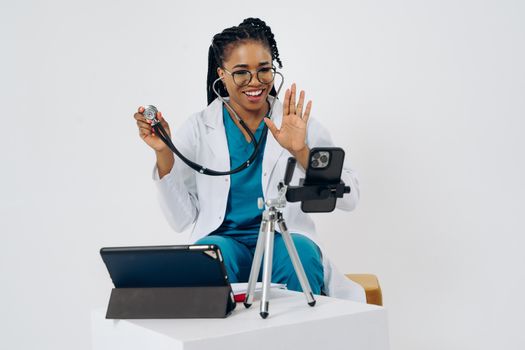 Photo: Tessy Agbonome / Pexels
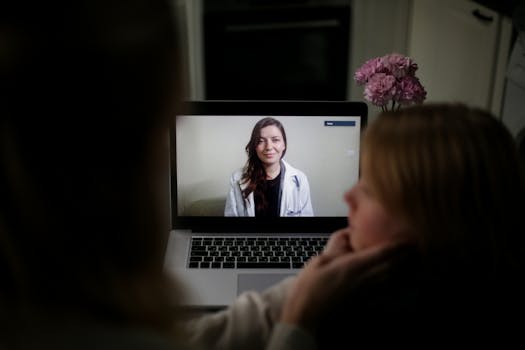 Photo: cottonbro studio / Pexels
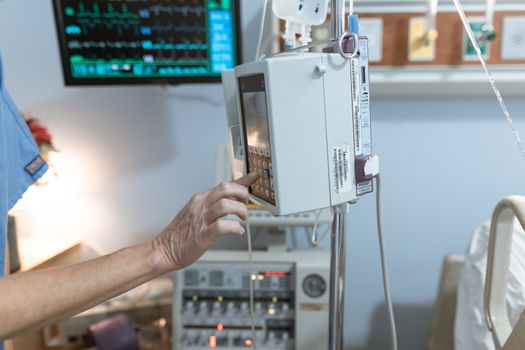 Photo: RDNE Stock project / Pexels
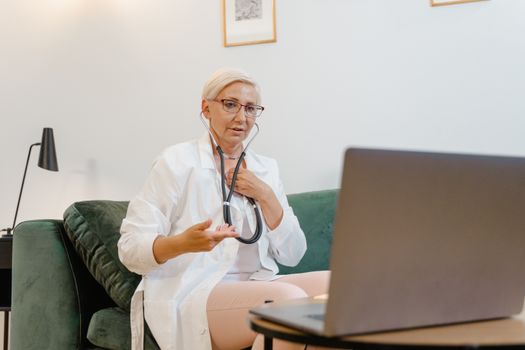 Photo: Tima Miroshnichenko / Pexels