✓ Telemedicine uses technology for remote healthcare.
✓ It includes video calls, phone calls, and secure messaging.
✓ Benefits include convenience, accessibility, and cost savings.
✓ Common uses are follow-ups, chronic care, and minor illnesses.
How It Works
1
Scheduling Your Virtual Visit
Patients typically schedule an appointment online or via phone with a healthcare provider offering telemedicine services. You'll often choose a time slot and receive instructions for connecting.
2
Connecting with Your Provider
At the scheduled time, you connect with your doctor using a secure video conferencing platform or phone call. This usually requires a smartphone, tablet, or computer with internet access.
3
The Virtual Consultation
During the virtual visit, you'll discuss your symptoms, medical history, and concerns with your provider. They will assess your condition, provide a diagnosis, and recommend a treatment plan.
4
Post-Consultation & Follow-Up
After the visit, your provider may send prescriptions electronically, order lab tests, or schedule follow-up appointments. You'll receive a summary of your visit and any necessary instructions.
Understanding the Evolution of Remote Healthcare
Photo: Pavel Danilyuk / Pexels
The concept of remote healthcare isn't entirely new; doctors have used phones to consult with patients for decades. However, the modern iteration of telemedicine, often powered by high-speed internet and sophisticated video conferencing, has revolutionized how we access medical care. What is telemedicine and how does it work in today's digital age is far more comprehensive than simple phone calls. It encompasses a broad range of services delivered through telecommunications technology, allowing patients to receive medical advice, diagnoses, and even treatments without needing to be physically present in a doctor's office. This evolution has been accelerated by technological advancements and, more recently, by global health challenges that highlighted the critical need for accessible, contactless healthcare options. From urban centers to remote rural areas, telemedicine is bridging geographical gaps and ensuring more people can receive timely medical attention. It's not just about convenience; it's about making healthcare more equitable and efficient. Providers can monitor chronic conditions, conduct follow-up appointments, and manage prescriptions, all from a distance. The integration of electronic health records (EHRs) further streamlines this process, ensuring that patient information is readily available and securely shared between providers. This digital transformation is reshaping patient expectations and provider workflows, making healthcare a more dynamic and responsive system. Understanding its roots helps appreciate its current capabilities and future potential. For more insights into broader medical advancements, explore our resources on innovative medical treatments.
Key Components and Technologies Powering Telemedicine
Photo: Gustavo Fring / Pexels
At its core, telemedicine relies on a robust infrastructure of technology and interconnected systems. To truly grasp what is telemedicine and how does it work, one must understand the key components that make it possible. The primary technological pillars include secure video conferencing platforms, which enable real-time, face-to-face consultations between patients and providers. These platforms are often HIPAA-compliant, ensuring the privacy and security of sensitive health information. Beyond live video, telemedicine also leverages secure messaging systems for asynchronous communication, allowing patients to send questions or updates to their doctors and receive responses without needing a scheduled call. Remote patient monitoring (RPM) devices are another crucial component, especially for managing chronic conditions. These devices, such as smartwatches, continuous glucose monitors, or blood pressure cuffs, can collect vital health data and transmit it directly to a healthcare provider for review. This allows for proactive intervention and personalized care plans. Furthermore, electronic health records (EHRs) play a pivotal role, integrating patient data across various platforms and ensuring that providers have a complete and up-to-date medical history during virtual consultations. High-speed internet access is the fundamental backbone, enabling smooth data transmission and reliable connections. The convergence of these technologies creates a comprehensive ecosystem that supports diverse telemedicine services, from routine check-ups to specialized consultations. Without these technological advancements, the widespread adoption and effectiveness of modern telemedicine would not be possible, highlighting the intricate relationship between healthcare delivery and digital innovation.
Benefits and Advantages of Telemedicine for Patients and Providers
Photo: Tima Miroshnichenko / Pexels
The widespread adoption of telemedicine is driven by a multitude of benefits for both patients and healthcare providers. For patients, convenience is paramount. No longer do individuals need to take time off work, arrange childcare, or travel long distances to see a doctor, especially for routine appointments or follow-ups. This saves time and money, reducing transportation costs and lost wages. Telemedicine also significantly improves access to care, particularly for those in rural areas with limited local healthcare options or for individuals with mobility challenges. It can reduce wait times for appointments and allow for quicker access to specialists, potentially leading to earlier diagnoses and interventions. Furthermore, telemedicine fosters continuity of care, as patients can easily connect with their established providers from anywhere. For healthcare providers, telemedicine offers enhanced efficiency and flexibility. It can reduce administrative burdens, optimize appointment scheduling, and decrease no-show rates. Providers can see more patients in a day, improving their practice's capacity and reach. Telemedicine also allows for better management of chronic conditions through remote monitoring, enabling proactive adjustments to treatment plans and reducing the need for emergency room visits. The ability to consult with specialists more easily facilitates collaborative care and knowledge sharing. Moreover, it provides a safer environment during public health crises, minimizing exposure risks for both patients and medical staff. The overall impact is a more patient-centric, efficient, and resilient healthcare system. To explore how these benefits apply to specific conditions, consider researching managing chronic diseases virtually.
Navigating Challenges and Ensuring Quality Care in Telemedicine
Photo: www.kaboompics.com / Pexels
While telemedicine offers undeniable advantages, it's crucial to acknowledge and address the challenges to ensure that quality care is consistently delivered. Understanding what is telemedicine and how does it work involves recognizing its limitations. One significant hurdle is the 'digital divide,' where not all patients have reliable internet access or the technological literacy required to participate in virtual visits. This can exacerbate existing health disparities. Another concern is the absence of a physical examination, which can be critical for certain diagnoses. While many conditions can be assessed virtually, some require hands-on evaluation, prompting the need for hybrid care models where telemedicine complements in-person visits. Data security and privacy are also paramount; healthcare providers must use HIPAA-compliant platforms and robust security measures to protect sensitive patient information from breaches. Regulatory frameworks are continually evolving to keep pace with telemedicine's rapid growth, addressing issues like state licensing for providers, reimbursement policies, and malpractice liability. Ensuring equitable access to telemedicine requires initiatives to provide technology and training to underserved populations. Providers must also adapt their communication styles to the virtual environment, ensuring clear explanations and empathetic interactions without the benefit of in-person cues. Training for both patients and providers on how to effectively use telemedicine platforms is essential to maximize its benefits and mitigate potential frustrations.
**Tips for a Successful Telemedicine Visit:**
* **Test Your Technology:** Ensure your internet connection, camera, and microphone are working well before your appointment.
* **Find a Private Space:** Choose a quiet, well-lit area where you won't be interrupted and can speak freely.
* **Prepare Your Information:** Have your medical history, current medications, and any questions ready.
* **Be Specific About Symptoms:** Clearly describe your symptoms, when they started, and what makes them better or worse.
* **Ask Questions:** Don't hesitate to ask for clarification on diagnoses, treatment plans, or prescriptions.
* **Follow Up:** Understand how to receive prescriptions, lab orders, or schedule your next appointment.
Comparison
Feature
Telemedicine
In-Person Visit
Urgent Care Clinic
Convenience
High
Low (travel needed)
Medium (travel needed)
Accessibility
High (remote areas)
Medium (geographic limits)
Medium (geographic limits)
Cost (Average)
Lower
Higher
Medium-High
Physical Exam
Limited/None
Comprehensive
Comprehensive
Wait Times
Often Shorter
Can be Long
Can be Long
Continuity of Care
High (with established provider)
High
Low (often one-off)
What Our Readers Say
5★★★★★
"I was skeptical about what is telemedicine and how does it work, but my virtual appointment for a sinus infection was incredibly efficient. The doctor diagnosed me quickly and sent a prescription to my pharmacy, all from my living room. It saved me so much time and hassle."
Sarah J.Austin, TX
5★★★★★
"Living far from specialists, telemedicine has been a game-changer. I can now manage my chronic condition with regular check-ups without driving hours. It's truly made healthcare accessible for me."
David M.Rural Kansas
5★★★★★
"My virtual therapy sessions have been a lifesaver. I've seen consistent progress because I can easily fit appointments into my busy schedule, leading to better mental health outcomes."
Emily R.New York, NY
4★★★★☆
"While most of my telemedicine experiences have been great, I did have one instance where a physical examination felt necessary. However, for follow-ups and minor issues, it's incredibly convenient and effective."
Mark T.Seattle, WA
5★★★★★
"As a busy parent, getting sick kids to the doctor is a nightmare. Telemedicine allowed me to get a diagnosis for my child's rash without leaving the house, and we had a prescription within an hour. Highly recommend!"
Lisa G.Miami, FL
Frequently Asked Questions
What types of conditions can be treated via telemedicine?
Telemedicine is suitable for a wide range of conditions, including common colds, flu, allergies, rashes, minor infections (UTIs, pink eye), chronic disease management (diabetes, hypertension), mental health consultations, prescription refills, and follow-up appointments. It's generally not for emergencies or conditions requiring immediate physical intervention.
Is telemedicine secure and private?
Reputable telemedicine platforms are designed to be HIPAA-compliant, meaning they adhere to strict federal regulations for protecting patient health information. This includes encrypted video calls, secure messaging, and robust data storage protocols to ensure your privacy and the security of your medical data.
How do I prepare for a telemedicine appointment?
To prepare, ensure you have a stable internet connection and a device with a camera and microphone. Find a quiet, private space. Have your medical history, current medications, and a list of your symptoms and questions ready. It's also helpful to check if your insurance covers telemedicine beforehand.
Does insurance cover telemedicine visits?
Many insurance plans, including Medicare and Medicaid, now cover telemedicine services, especially since the COVID-19 pandemic. Coverage can vary based on your specific plan, the type of service, and your state's regulations. It's always best to check with your insurance provider directly before your appointment to understand your benefits and potential out-of-pocket costs.
How does telemedicine compare to an in-person doctor's visit?
Telemedicine offers unmatched convenience and accessibility, often with lower costs and shorter wait times. However, it lacks the ability for a physical examination, which is crucial for some diagnoses. In-person visits provide a comprehensive physical assessment but require travel and may involve longer wait times. Often, the best approach is a hybrid model, using telemedicine for routine care and in-person for complex issues.
Who should use telemedicine?
Telemedicine is ideal for individuals seeking convenient care for minor illnesses, chronic condition management, mental health support, prescription refills, or follow-up consultations. It's particularly beneficial for those with limited mobility, busy schedules, or living in remote areas with restricted access to healthcare facilities.
Are telemedicine doctors as qualified as in-person doctors?
Yes, licensed healthcare professionals providing telemedicine services are held to the same standards of care and qualifications as those practicing in traditional in-person settings. They are often board-certified physicians, nurses, or therapists who have chosen to extend their practice to include virtual consultations, ensuring you receive expert care.
What is the future outlook for telemedicine?
The future of telemedicine is bright and expanding rapidly. It's expected to become an even more integrated and routine part of healthcare delivery, with advancements in remote monitoring devices, AI-powered diagnostics, and virtual reality applications. This will lead to more personalized, preventative, and globally accessible healthcare solutions.
Understanding what is telemedicine and how does it work empowers you to make informed decisions about your healthcare. Embrace the convenience and accessibility of virtual care to manage your health effectively from anywhere. Start exploring telemedicine options today.

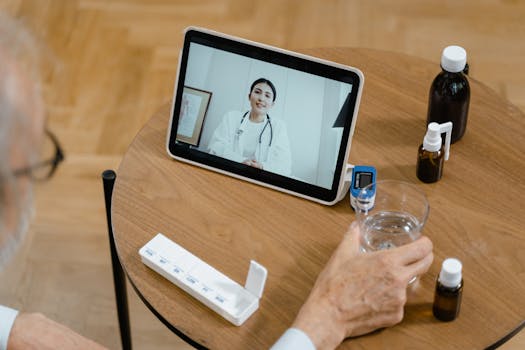 Photo: Tima Miroshnichenko / Pexels
 Photo: Pavel Danilyuk / Pexels
 Photo: Gustavo Fring / Pexels
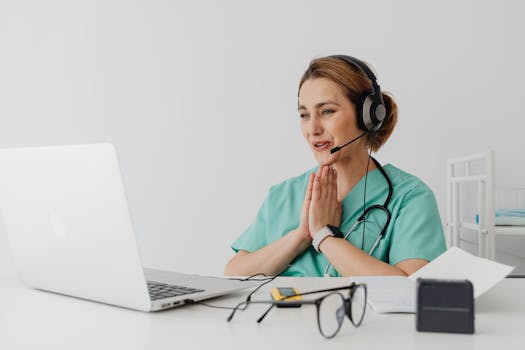 Photo: www.kaboompics.com / Pexels