What Is Telemedicine and How Does It Work? Your Complete Guide
what is telemedicine and how does it work

What Is Telemedicine and How Does It Work? Your Complete Guide

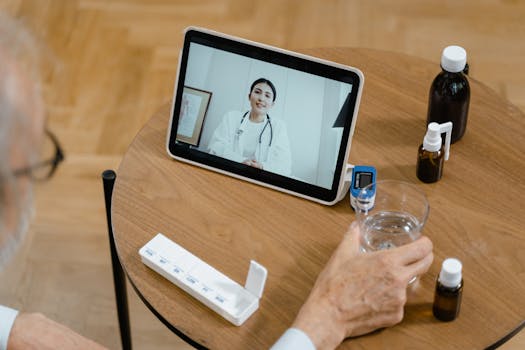
Senior adult having a virtual doctor consultation on a tablet with medications on the table.Photo: Tima Miroshnichenko / Pexels

What Is Telemedicine and How Does It Work? Your Complete Guide

Unlock the future of healthcare with convenient, accessible virtual medical services from the comfort of your home.

Explore Virtual Care Options

Key Takeaways

  • ✓ Telemedicine allows healthcare services to be delivered remotely using technology.
  • ✓ It encompasses virtual visits, remote monitoring, and digital health education.
  • ✓ Patients can access doctors from anywhere, reducing travel and wait times.
  • ✓ Insurance coverage for telemedicine has expanded significantly, especially in the US.

How It Works

1
Schedule Your Virtual Visit

Patients typically use a secure online portal or app to book an appointment with a healthcare provider. You'll choose a convenient time and often provide a brief reason for your visit.

2
Connect with Your Provider

At the scheduled time, you'll connect with your doctor via secure video conferencing, phone call, or sometimes even secure messaging. This replicates an in-person consultation, but from your location.

3
Receive Diagnosis & Treatment

During the virtual visit, the provider will assess your symptoms, ask questions, and offer a diagnosis and treatment plan. This might include prescriptions, referrals, or advice on at-home care.

4
Follow-Up & Ongoing Care

Many telemedicine platforms facilitate easy follow-up appointments and ongoing management of chronic conditions. Your medical records are often integrated, ensuring continuity of care.

Understanding the Fundamentals: What is Telemedicine?

Senior adult having a virtual doctor consultation on a tablet with medications on the table.Photo: Tima Miroshnichenko / Pexels
In an increasingly connected world, the concept of healthcare delivery has undergone a profound transformation. At the forefront of this evolution is telemedicine, a term that has become ubiquitous in medical discourse, especially in the last few years. But what exactly is telemedicine, and how does it fundamentally work to reshape our access to medical care? At its core, telemedicine refers to the practice of providing healthcare services remotely through telecommunications technology. This isn't merely about having a phone call with your doctor; it's a sophisticated ecosystem designed to bring medical expertise directly to you, wherever you are. This can include everything from video consultations and remote patient monitoring to electronic prescriptions and digital health education. The history of telemedicine, while seemingly modern, actually stretches back decades, with early forms involving phone calls and radio transmissions to remote areas. However, it’s the advent of high-speed internet, smartphones, and secure digital platforms that has truly propelled telemedicine into the mainstream, making it an indispensable part of contemporary healthcare. The US healthcare landscape, in particular, has seen a rapid adoption of telemedicine, driven by both technological advancements and a growing recognition of its potential to address longstanding challenges such as geographical barriers, specialist shortages, and the sheer inconvenience of traditional in-person visits. The COVID-19 pandemic served as a major catalyst, forcing a rapid expansion and acceptance of virtual care models, proving their efficacy and necessity. When we delve deeper into what is telemedicine, it’s crucial to distinguish it from the broader term “telehealth.” While often used interchangeably, telemedicine typically refers specifically to clinical services delivered remotely, such as diagnosis and treatment. Telehealth, on the other hand, is a more expansive umbrella term that includes a wider range of remote healthcare services, including non-clinical aspects like provider training, administrative meetings, continuing medical education, and public health services. So, while all telemedicine is telehealth, not all telehealth is telemedicine. This distinction, though subtle, is important for understanding the full scope of digital health innovations. The primary goal of telemedicine is to improve patient outcomes by enhancing accessibility and efficiency, breaking down the traditional barriers that often prevent individuals from receiving timely and consistent medical attention. Whether you live in a rural area far from specialists, have mobility issues, or simply have a demanding schedule, telemedicine offers a viable and often preferable alternative to conventional clinic visits. It’s about putting the patient first, leveraging technology to make healthcare more convenient, responsive, and ultimately, more effective. Learn more about the benefits of virtual care.

The Mechanics of Virtual Care: How Does Telemedicine Work?

Adult using a pulse oximeter at a home desk, surrounded by tech and healthcare items.Photo: Gustavo Fring / Pexels
Understanding how telemedicine works involves grasping the various technological components and processes that facilitate remote healthcare delivery. At its core, telemedicine relies on secure, HIPAA-compliant platforms that enable real-time or asynchronous communication between patients and healthcare providers. The most common and recognizable form is the live video consultation, which mimics an in-person visit. Patients use a computer, tablet, or smartphone equipped with a camera and microphone to connect with their doctor via a secure video link. During this virtual encounter, the doctor can observe the patient, ask questions about their symptoms, and even guide them through self-examinations, such as checking for rashes or assessing mobility. Beyond live video, telemedicine encompasses several other modalities. 'Store-and-forward' telemedicine involves the secure transmission of medical information, such as images (e.g., dermatology photos, X-rays), videos, or data, from a patient or primary care provider to a specialist for later review. This is particularly useful in specialties like dermatology, radiology, and ophthalmology, where a physical presence isn't always required for initial assessment. Another critical component is remote patient monitoring (RPM). This technology allows healthcare providers to collect vital signs and other health data from patients in their homes. Devices such as blood pressure cuffs, glucose meters, pulse oximeters, and even smart scales can transmit data wirelessly to the provider's office. This enables continuous oversight of chronic conditions like diabetes, hypertension, or heart disease, allowing for early intervention if trends indicate a worsening condition, thereby preventing hospitalizations and improving long-term health management. The infrastructure supporting these services is robust and designed with patient privacy and data security as paramount concerns. Secure encryption, multi-factor authentication, and adherence to strict regulatory guidelines like HIPAA (Health Insurance Portability and Accountability Act) in the US are standard. Patients typically access these services through dedicated mobile apps or web portals provided by their healthcare system or a specific telemedicine provider. These platforms often integrate with electronic health records (EHRs), ensuring that virtual visit notes, prescriptions, and test results are seamlessly added to the patient's comprehensive medical history. This integration is vital for continuity of care, allowing any healthcare professional involved in the patient's treatment to access up-to-date information, regardless of whether the interaction was in-person or virtual. The efficiency of these systems is a key factor in how telemedicine works, streamlining administrative tasks and allowing providers to focus more on patient care. The ease of use, both for patients and providers, is continuously being refined, making virtual care an increasingly intuitive and accessible option for a wide array of medical needs.

Diverse Applications and Benefits of Telemedicine Services

Senior adult having a virtual doctor consultation on a tablet with medications on the table.Photo: Tima Miroshnichenko / Pexels
The versatility of telemedicine means it's not a one-size-fits-all solution but rather a flexible framework adaptable to numerous medical specialties and patient needs. Its applications span a wide spectrum of healthcare, offering significant benefits across the board. One of the most common applications is for primary care and urgent care consultations. For non-emergency conditions like colds, flu, allergies, minor infections (UTIs, pink eye), rashes, or medication refills, a virtual visit can be just as effective as an in-person one, saving patients time and reducing exposure to other illnesses in waiting rooms. This immediacy and convenience are major drawcards, especially for busy individuals or those with limited access to transportation. Specialty care has also greatly benefited from telemedicine. Psychiatry and mental health services, for instance, have seen a massive shift to virtual platforms, making therapy and medication management more accessible and reducing the stigma often associated with seeking mental health support. Dermatology, cardiology, endocrinology, and even some post-operative follow-ups can be effectively managed through virtual consultations, often using store-and-forward technology or live video to review symptoms, images, and test results. For chronic disease management, telemedicine, particularly through remote patient monitoring, is revolutionary. Patients with conditions like diabetes, hypertension, or heart failure can have their vital signs and other health metrics continuously tracked from home. This proactive approach allows healthcare providers to detect potential issues early, adjust treatment plans as needed, and provide ongoing education and support, ultimately leading to better control of conditions and fewer emergency visits. For example, a diabetic patient can regularly transmit their blood glucose readings, allowing their endocrinologist to fine-tune insulin dosages without requiring frequent office visits. Beyond direct patient care, telemedicine extends its reach to other vital areas. Tele-rehabilitation allows physical therapists to guide patients through exercises remotely, ensuring proper form and progress. Tele-pharmacy enables pharmacists to provide medication counseling and oversight from a distance. Tele-stroke programs allow neurologists to assess stroke patients in remote emergency rooms via video, facilitating rapid diagnosis and treatment decisions. The benefits are multifaceted: increased access to care, especially for rural populations or those with mobility challenges; reduced healthcare costs by minimizing travel, missed work, and unnecessary emergency room visits; improved patient convenience and satisfaction; and enhanced continuity of care through better data integration and follow-up. Telemedicine is not just a temporary fix; it's a fundamental shift towards a more patient-centric, efficient, and equitable healthcare system, promising to enhance the well-being of millions in the US and beyond. Explore how virtual care can improve your health outcomes.

Maximizing Your Virtual Care: Tips and Common Misconceptions

Senior adult having a virtual doctor consultation on a tablet with medications on the table.Photo: Tima Miroshnichenko / Pexels
To truly make the most of telemedicine, it's helpful to understand some practical tips and clear up common misconceptions. First, let's look at how you can optimize your virtual visits. Before your appointment, ensure you have a stable internet connection and a quiet, private space. Charge your device and test your camera and microphone. Write down your symptoms, questions, and a list of your current medications (including dosages) to ensure you don't forget anything important during the consultation. Having a pen and paper handy for notes is also a good idea. During the call, be clear and concise when describing your symptoms. Don't hesitate to ask for clarification if you don't understand something the doctor says. Remember, a virtual visit is still a medical consultation, and your active participation is crucial for an accurate diagnosis and effective treatment plan. Now, let's address some common misconceptions about telemedicine: * **Misconception 1: Telemedicine is only for minor issues.** While it's excellent for routine care, telemedicine is increasingly used for managing chronic conditions, specialty consultations, and even post-operative follow-ups. The scope is much broader than just colds and flus. * **Misconception 2: You can't get a proper diagnosis without a physical exam.** Many conditions can be accurately diagnosed through symptom assessment, patient history, and visual inspection via video. Doctors are trained to identify when an in-person exam or diagnostic test is necessary and will refer you accordingly. * **Misconception 3: Telemedicine isn't secure or private.** Reputable telemedicine platforms are built with robust security measures, including HIPAA compliance, encryption, and secure data storage, to protect your sensitive health information. * **Misconception 4: It's impersonal and lacks the human touch.** While different, many patients find virtual visits to be more personal and less rushed than traditional appointments, as they are often conducted from the comfort of their own homes. The focus remains on patient-provider interaction. * **Misconception 5: My insurance won't cover it.** Insurance coverage for telemedicine has expanded significantly, with many private insurers and government programs like Medicare and Medicaid now covering virtual visits. Always check with your specific provider for details. By being prepared and understanding the capabilities and limitations, patients can significantly enhance their telemedicine experience, making it a valuable and convenient tool in their healthcare journey. It's about empowering patients to take a more active role in their health management with the support of technology.

Comparison

FeatureTelemedicineIn-Person VisitUrgent Care Clinic
ConvenienceHigh (from home/office)Low (travel, parking)Medium (travel, wait)
AccessibilityExcellent (anywhere with internet)Limited (geographic, mobility)Good (local clinics)
Cost (Out-of-Pocket)Often lower or similarCan be higher (travel, time off)Variable, can be high for minor issues
Wait TimesTypically short or scheduledCan be long, unpredictableOften short, but can vary
Exposure to IllnessMinimal to noneHigh (waiting rooms)Medium (waiting rooms)
Scope of CarePrimary care, chronic mgmt, many specialtiesFull range of servicesAcute, non-emergency care
Technology Required

What Our Readers Say

5 ★★★★★

"I was skeptical about what is telemedicine and how it works, but my virtual appointment for a persistent cough was incredibly efficient. The doctor was thorough, diagnosed me quickly, and sent a prescription to my pharmacy within minutes. Such a time-saver!"

5 ★★★★★

"Living in a remote area, access to specialists is tough. Telemedicine has been a godsend for managing my diabetes. My endocrinologist monitors my glucose readings remotely, and our video calls are just as effective as driving two hours to his office."

5 ★★★★★

"After my surgery, my follow-up appointments were all via telemedicine. This made recovery so much easier as I didn't have to travel. My surgeon could still assess my incision and progress perfectly through the video call, leading to a smooth recovery."

4 ★★★★☆

"For general check-ups and minor ailments, telemedicine is fantastic. I appreciate the convenience. However, for a more complex issue I had, the doctor did recommend an in-person visit, which I understood. It's a great first line of contact."

5 ★★★★★

"My son's pediatrician offers virtual visits for sick calls, and it's been a game-changer for our family. No more dragging a sick toddler to the clinic, risking exposure to more germs. The doctors are still able to provide excellent care and advice."

Frequently Asked Questions

What types of conditions can be treated via telemedicine?
Telemedicine is suitable for a wide range of conditions, including common colds, flu, allergies, rashes, minor infections (UTIs, pink eye), medication refills, chronic disease management (diabetes, hypertension), mental health counseling, and many specialty follow-ups like dermatology or cardiology. It's best for non-emergency situations.
Is telemedicine secure and private?
Yes, reputable telemedicine platforms prioritize patient privacy and data security. They adhere to strict regulations like HIPAA in the US, employing end-to-end encryption, secure data storage, and multi-factor authentication to protect your personal health information during virtual consultations and data transmission.
How do I prepare for a telemedicine appointment?
To prepare, ensure you have a stable internet connection and a quiet, well-lit space. Charge your device, test your camera and microphone, and have a list of your symptoms, questions, and current medications ready. Be prepared to describe your symptoms clearly and concisely.
How much does telemedicine cost, and is it covered by insurance?
The cost of telemedicine can vary, but it's often comparable to or even less expensive than an in-person visit, especially considering savings on travel and time off work. Most private insurance plans, Medicare, and Medicaid now cover telemedicine services, but it's always wise to check with your specific provider for coverage details and potential co-pays.
How does telemedicine compare to an in-person doctor's visit?
Telemedicine offers unparalleled convenience, accessibility, and often shorter wait times, making it ideal for routine care, follow-ups, and managing chronic conditions from home. In-person visits are necessary for physical examinations, diagnostic tests (like X-rays or blood work), and emergency situations. They are complementary aspects of modern healthcare.
Who should consider using telemedicine services?
Telemedicine is beneficial for almost anyone seeking convenient access to healthcare. This includes individuals in rural areas, those with busy schedules, people with mobility issues, parents of young children, and anyone looking for a quick and efficient way to consult a doctor for non-emergency medical needs or ongoing chronic care management.
Can I get a prescription through telemedicine?
Yes, licensed healthcare providers can issue prescriptions through telemedicine, provided it's medically appropriate based on the virtual consultation. The prescription is typically sent electronically to your preferred pharmacy, just as it would be after an in-person visit. Controlled substances may have specific regulations.
What is the future outlook for telemedicine?
The future of telemedicine is bright, with continuous advancements in technology and increasing integration into mainstream healthcare. Expect to see more sophisticated remote monitoring devices, AI-powered diagnostic tools, expanded specialty services, and a greater emphasis on personalized, preventative care delivered virtually, making healthcare more accessible and proactive than ever before.

Now that you understand what is telemedicine and how it works, it's time to explore how this innovative approach can benefit your health. Take the first step towards convenient, accessible care by connecting with a virtual healthcare provider today and experience the future of medicine.

Topics: what is telemedicine and how does it workvirtual healthcaretelehealth servicesremote patient monitoringtelemedicine benefits
Leo List
Brampton weed
Adultwork