What is Telehealth and How Does It Work?
August 25, 2026 14 min read 2,837 words
Unlock convenient, accessible healthcare from the comfort of your home with a comprehensive understanding of telehealth services.
Explore Telehealth Now
Understanding the Foundation of Telehealth: A Comprehensive Overview
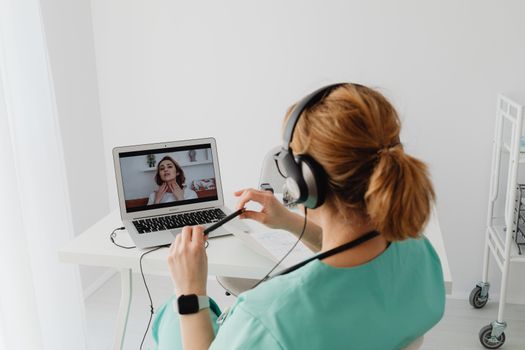 Photo: https://kaboompics.com/ / Pexels
In an increasingly connected world, the way we access essential services is continuously evolving, and healthcare is no exception. Telehealth has emerged as a transformative force, fundamentally reshaping the patient-provider relationship by leveraging digital communication technologies. At its core, telehealth refers to the broad array of technologies and services used to provide remote healthcare. This isn't just about video calls with your doctor; it's a much wider ecosystem encompassing various facets of digital health. It includes telemedicine, which focuses on clinical services like diagnosis and monitoring, but also extends to remote patient monitoring (RPM), where vital signs are tracked from a distance, and mHealth, which utilizes mobile devices for health-related purposes like tracking fitness or medication reminders.
The widespread adoption of telehealth has been accelerated by several factors, including technological advancements, increasing demand for convenient healthcare options, and, significantly, global health crises that necessitated alternative modes of care delivery. For patients, this means the ability to receive medical advice, diagnoses, and even prescriptions without leaving their homes. For providers, it offers an opportunity to extend their reach, improve efficiency, and potentially reduce the burden on physical healthcare facilities. The integration of telehealth into mainstream medical practice signifies a paradigm shift, moving from a solely brick-and-mortar model to a hybrid approach that prioritizes accessibility and patient-centered care.
Historically, the concept of remote medical care isn't entirely new. Early forms involved telephone consultations, but modern telehealth is vastly more sophisticated, powered by high-speed internet, advanced video conferencing tools, and secure data transmission protocols. This technological leap allows for rich, interactive experiences that closely mimic in-person visits, often with the added benefit of digital tools for data collection and analysis. The regulatory landscape has also played a crucial role in its expansion. Governments and insurance providers have increasingly recognized the value of telehealth, leading to policy changes that support its reimbursement and broader implementation. This has made it a viable and often preferred option for a multitude of medical needs, from routine check-ups to mental health counseling.
One of the most compelling aspects of telehealth is its potential to democratize healthcare access. For individuals living in rural areas with limited access to specialists, or those with mobility challenges, telehealth removes significant barriers. It also caters to busy professionals or parents who find it difficult to schedule in-person appointments during traditional office hours. The convenience factor cannot be overstated, as it saves time, travel costs, and reduces exposure to infectious diseases in waiting rooms. Furthermore, telehealth can facilitate better chronic disease management by enabling frequent, less disruptive check-ins with providers, allowing for timely adjustments to treatment plans. This proactive approach can lead to improved health outcomes and a higher quality of life for patients. Understanding
how medical technology is evolving is key to appreciating telehealth's impact.
However, it's important to acknowledge that while telehealth offers immense benefits, it also presents challenges. Issues such as ensuring equitable access to technology for all populations, maintaining data security and patient privacy, and addressing the digital literacy gap are critical considerations. Providers must also adapt their diagnostic and communication techniques for a virtual environment. Despite these hurdles, the trajectory of telehealth points towards continued growth and integration, promising a future where healthcare is more flexible, responsive, and tailored to individual needs. Its ongoing evolution will undoubtedly continue to shape the delivery of medical services for years to come, making it an indispensable component of modern healthcare infrastructure.
Diverse Applications: What Telehealth Can Do For You
 Photo: https://kaboompics.com/ / Pexels
The versatility of telehealth is one of its most compelling features, extending far beyond simple doctor-patient video calls. Its applications span a wide spectrum of medical disciplines, making it a valuable tool for a diverse range of healthcare needs. One of the most common and widely utilized applications is virtual urgent care. For non-emergency conditions like colds, flu, minor rashes, or urinary tract infections, a virtual visit can often provide a quick diagnosis and prescription without the need for a trip to an urgent care clinic or emergency room. This not only saves time but also reduces the burden on these facilities, allowing them to focus on more critical cases.
Beyond urgent care, telehealth is revolutionizing chronic disease management. Patients with conditions such as diabetes, hypertension, or asthma can benefit from regular virtual check-ups, medication adjustments, and lifestyle counseling. Remote patient monitoring (RPM) devices, which are a component of telehealth, allow healthcare providers to track vital signs, blood glucose levels, or heart rhythms from a distance. This continuous data stream enables proactive interventions, potentially preventing complications and improving long-term health outcomes. For instance, a diabetic patient can share blood sugar readings daily, allowing their doctor to fine-tune insulin dosages without requiring an in-person visit every time.
Mental health services have found a particularly strong fit with telehealth. Telepsychiatry and teletherapy offer discreet and convenient access to mental health professionals, significantly reducing barriers such as stigma, travel time, and geographic limitations. Patients can connect with therapists, psychologists, and psychiatrists from the privacy of their own homes, fostering a more comfortable and consistent engagement with treatment. This has been instrumental in expanding access to mental health care, especially in underserved areas or for individuals with social anxiety.
Specialty care is another area where telehealth shines. Dermatologists can review skin conditions through high-resolution images or video, while neurologists can conduct follow-up appointments for conditions like migraines or epilepsy. Post-operative care and rehabilitation therapies, such as physical therapy or occupational therapy, can also be delivered virtually, with therapists guiding patients through exercises and monitoring their progress remotely. This is particularly beneficial for patients recovering from surgery or injury who may have difficulty traveling.
Even preventive care and wellness coaching are increasingly delivered via telehealth. Nutritionists can offer dietary advice, wellness coaches can help set health goals, and genetic counselors can provide guidance on inherited conditions, all through virtual platforms. For parents, pediatric telehealth allows for quick consultations for common childhood ailments, reducing stress and exposure to germs in a doctor's office. The adaptability of telehealth means that it is constantly evolving to meet new demands, integrating new technologies and expanding its reach to encompass an ever-broader array of medical services, making healthcare more personalized and responsive than ever before.
Ensuring Security and Navigating the Legal Landscape of Virtual Care
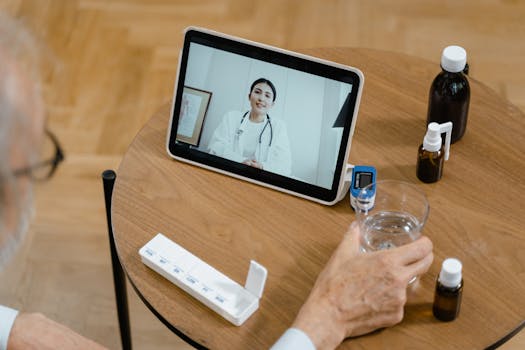 Photo: Tima Miroshnichenko / Pexels
As telehealth becomes an increasingly integral part of modern healthcare, questions surrounding data security, patient privacy, and the complex legal and regulatory framework governing virtual care are paramount. The very nature of transmitting sensitive health information over digital networks necessitates robust security measures to protect against breaches and unauthorized access. Healthcare providers utilizing telehealth platforms are legally and ethically bound to ensure that all communications and data storage comply with stringent privacy regulations, most notably the Health Insurance Portability and Accountability Act (HIPAA) in the United States. HIPAA mandates specific standards for protecting sensitive patient data, ensuring that electronic protected health information (ePHI) remains confidential and secure. This means that telehealth platforms must employ end-to-end encryption, secure servers, multi-factor authentication, and strict access controls.
Beyond technical safeguards, the legal landscape for telehealth is a dynamic and evolving domain. Licensing requirements for healthcare professionals are a significant consideration. Traditionally, doctors are licensed by individual states, and practicing across state lines via telehealth can introduce complex jurisdictional issues. While some states have adopted interstate compacts or temporary waivers to facilitate cross-state practice, providers must remain vigilant about the specific regulations governing where both they and their patients are located. This complexity highlights the need for a harmonized approach to telehealth regulation to ensure seamless access to care across geographical boundaries without compromising patient safety or professional accountability.
Reimbursement policies for telehealth services also play a critical role in its sustainability and accessibility. Historically, many insurance providers, including Medicare and Medicaid, had strict limitations on what telehealth services they would cover and under what circumstances. However, the COVID-19 pandemic significantly accelerated the expansion of telehealth coverage, with many payers temporarily or permanently broadening their reimbursement for virtual visits. This shift has been crucial in making telehealth a financially viable option for both patients and providers. Understanding
the intricacies of healthcare billing is essential for navigating these changes.
Informed consent is another vital legal and ethical component of telehealth. Patients must be fully aware of the nature of telehealth services, including potential risks, benefits, and privacy considerations, before engaging in a virtual consultation. This often involves reviewing and signing a consent form that outlines these details. Providers must also consider the limitations of telehealth, recognizing when an in-person examination is medically necessary and ensuring that patients are directed to appropriate care when virtual means are insufficient. This includes having protocols for emergency situations and ensuring patients understand how to seek immediate help if their condition worsens.
Furthermore, medical malpractice and liability in the context of telehealth are areas of ongoing legal development. While the standard of care generally remains the same whether a service is delivered in person or virtually, the unique aspects of remote care can introduce new considerations. Providers need to ensure their telehealth practices align with professional guidelines and best practices to mitigate potential legal risks. As technology continues to advance and telehealth becomes more sophisticated, the legal and regulatory frameworks will need to adapt concurrently to ensure patient safety, data integrity, and equitable access to high-quality virtual care.
Maximizing Your Telehealth Experience: Tips and Common Mistakes to Avoid
Photo: Tima Miroshnichenko / Pexels
To truly harness the potential of telehealth, patients and providers alike can benefit from adopting certain best practices and being aware of common pitfalls. For patients, preparing for your virtual appointment is key. Ensure you have a stable internet connection and a quiet, private space where you won't be interrupted. Test your camera and microphone beforehand. Have a list of your symptoms, current medications, and any questions ready. This proactive approach helps make the most of your limited time with the provider and ensures all your concerns are addressed.
One common mistake patients make is treating a telehealth visit like a casual phone call. While convenient, it's still a formal medical appointment. Be prepared to discuss sensitive information and take notes if needed. Another pitfall is not providing enough detail about your symptoms, assuming the doctor can see everything. Since a physical examination is limited, clear and concise descriptions are crucial. Don't hesitate to describe the color, texture, and intensity of symptoms, or use visual aids if possible.
For providers, effective communication is paramount. While technology facilitates the connection, the human element remains central. Clear instructions on how to join the call, what to expect, and how to follow up are essential. One mistake providers sometimes make is not adequately assessing the patient's home environment or support system, which can be critical for care planning. Additionally, relying solely on verbal cues can be insufficient; keen observation of non-verbal communication, even through a screen, is important.
Both parties should be mindful of technical issues. Dropped calls, frozen screens, or poor audio quality can disrupt the flow of care and cause frustration. Having a backup plan, such as a phone number for reconnection, is wise. Another mistake is underestimating the importance of follow-up. Telehealth shouldn't be a one-off solution; clear next steps, whether it's a follow-up appointment, a referral, or instructions for medication, are vital for continuous care. By being prepared, communicating effectively, and anticipating potential challenges, both patients and providers can significantly enhance the telehealth experience, making it a truly effective and convenient mode of healthcare delivery.
