
What is Telehealth and How Does it Work?
Unlock convenient, accessible healthcare from anywhere with this comprehensive guide to virtual medical services.
Explore Virtual CareKey Takeaways
- ✓ Telehealth encompasses a broad range of digital health services, not just video calls.
- ✓ It improves access to care, especially for those in rural areas or with mobility issues.
- ✓ Many telehealth services are covered by insurance, similar to in-person visits.
- ✓ It can be used for routine check-ups, chronic disease management, mental health, and more.
How It Works
Patients typically schedule telehealth appointments through a provider's website, app, or by phone. You'll confirm your medical needs and insurance details.
Before the appointment, you'll receive instructions on how to connect (e.g., a secure video link). Ensure you have a stable internet connection and a private space.
At your scheduled time, you'll log into the secure platform to meet your doctor via video, phone, or chat. They will conduct the consultation, ask questions, and assess your symptoms.
The provider will offer diagnoses, prescriptions, treatment plans, or referrals, just as they would in an in-person visit. Follow-up instructions or appointments will be provided.
Demystifying Telehealth: Beyond the Basics
 Photo: Tessy Agbonome / Pexels
The Mechanics of Telehealth: How Virtual Care Unfolds
 Photo: Los Muertos Crew / Pexels
Benefits and Challenges of Modern Telehealth
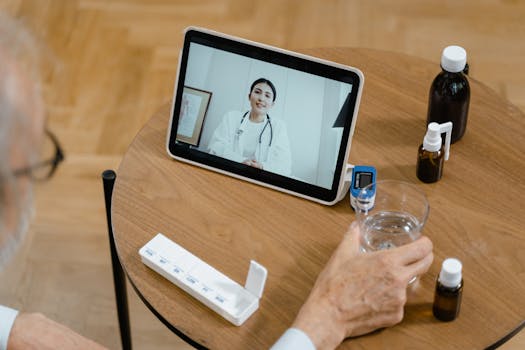 Photo: Tima Miroshnichenko / Pexels
Tips for a Successful Telehealth Experience & Common Misconceptions
 Photo: Tima Miroshnichenko / Pexels
Comparison
| Feature | Telehealth (Virtual) | Traditional In-Person | Urgent Care Clinic |
|---|---|---|---|
| Convenience | High (from anywhere) | Low (requires travel) | Medium (requires travel, wait times) |
| Accessibility | High (reduces barriers) | Limited (geography, mobility) | Medium (local availability) |
| Cost (Patient) | Potentially lower (no travel, parking) | Standard (travel, parking) | Moderate to high (ER alternative) |
| Physical Exam | Limited (visual only) | Comprehensive | Basic to moderate |
| Chronic Care Mgmt. | Excellent (monitoring, follow-ups) | Good | Limited |
| Wait Times | Often shorter, scheduled | Can vary greatly | Can be significant |
What Readers Say
"I was skeptical about what is telehealth and how does it work, but after my first virtual visit, I'm a convert. It was so easy to connect with my doctor for a follow-up, and I didn't have to take time off work or find a babysitter. The process was seamless and incredibly convenient."
Sarah J. · Austin, TX"Living in a rural area, access to specialists has always been a challenge. Telehealth has been a game-changer for me. I can now have regular consultations with my cardiologist without driving hours, which has dramatically improved my chronic condition management."
David M. · Denver, CO"My therapist switched to telehealth during the pandemic, and I actually prefer it. The comfort of being in my own home makes me feel more open, and I've consistently attended all my sessions, leading to significant personal growth. It just works for my busy schedule."
Emily R. · New York, NY"For routine issues like a cold or prescription refill, telehealth is fantastic. I did have one instance where my doctor recommended an in-person visit after a virtual one because he needed to physically examine something, but that's understandable. It's a great first step for many concerns."
Mark T. · Seattle, WA"As a parent, telehealth has saved me so much stress. When my child had a rash, I could get a quick diagnosis from our pediatrician via video call without exposing them to other illnesses in a waiting room. It's truly a modern convenience that prioritizes our family's health."
Jessica L. · Miami, FLFrequently Asked Questions
Is telehealth covered by insurance?
Yes, a significant number of private insurance plans, Medicare, and Medicaid now cover telehealth services. Coverage can vary by plan and state, so it's always best to check with your specific insurance provider beforehand to understand your benefits and any associated co-pays.
Is telehealth secure and private?
Reputable telehealth platforms are designed with robust security measures to protect patient privacy. They are required to comply with regulations like HIPAA (Health Insurance Portability and Accountability Act) in the US, ensuring that your health information is encrypted and securely transmitted.
How do I prepare for a telehealth appointment?
To prepare, ensure you have a stable internet connection, a quiet and private space, and your device's camera and microphone are working. Have a list of your symptoms, current medications, and any questions ready. It's also helpful to have your insurance information handy.
Is telehealth more expensive than in-person visits?
Generally, telehealth can be more cost-effective. While the consultation fee might be similar to an in-person visit, you save on costs like travel, parking, and potential time off work. Many insurers cover telehealth at the same rate as in-person care, sometimes even at a lower co-pay.
Can telehealth replace all in-person doctor visits?
No, telehealth is an excellent complement to, but not a complete replacement for, in-person care. It's ideal for routine check-ups, medication management, mental health, and minor illnesses. However, conditions requiring a physical examination, diagnostic tests, or emergency care still necessitate an in-person visit.
Who should use telehealth?
Telehealth is suitable for a wide range of individuals. It's particularly beneficial for those in rural areas, individuals with chronic conditions requiring frequent monitoring, busy professionals, parents with young children, and anyone seeking convenient access to mental health services or routine medical advice.
What are the risks of using telehealth?
While generally safe, potential risks include misdiagnosis due to the lack of a physical exam for certain conditions, technical difficulties during appointments, and concerns about data security if using non-compliant platforms. Choosing a reputable provider minimizes these risks.
What is the future of telehealth?
The future of telehealth is bright and expansive. Expect continued integration with AI for diagnostics, more advanced remote monitoring devices, personalized digital health coaching, and a greater emphasis on proactive and preventative care. It will become an even more integral part of routine healthcare.
Understanding what is telehealth and how does it work empowers you to make informed decisions about your healthcare. Embrace the convenience and accessibility of virtual care to manage your health effectively and efficiently from anywhere. Explore telehealth options today and experience the future of medicine.