What is a Colonoscopy Procedure Like? Your Complete Guide
what is a colonoscopy procedure like

What is a Colonoscopy Procedure Like? Your Complete Guide

Understand every step of this essential screening, from preparation to recovery, and ease your mind about the process.

Learn More

Key Takeaways

  • ✓ Colonoscopy is a crucial screening for colon cancer and other digestive issues.
  • ✓ Preparation involves a special diet and bowel cleansing, typically starting a day before.
  • ✓ The procedure itself is usually painless due to sedation and takes 30-60 minutes.
  • ✓ Recovery is generally quick, but arrangements for a ride home are necessary.

How It Works

1
Initial Consultation & Scheduling

You'll discuss your medical history and any symptoms with your doctor. They will determine if a colonoscopy is appropriate and schedule the procedure.

2
Bowel Preparation

This is the most critical step, involving a clear liquid diet and specific laxative solutions to thoroughly clean your colon. Proper preparation ensures clear visualization during the procedure.

3
The Procedure Day

Upon arrival, you'll be prepped, given sedation, and the physician will gently insert a flexible scope into your colon. The scope transmits images to a monitor, allowing for thorough examination.

4
Recovery & Results

After the procedure, you'll recover from sedation for about an hour. Your doctor will discuss initial findings, and any biopsy results will follow within a few days.

Understanding the 'Why': The Importance of a Colonoscopy
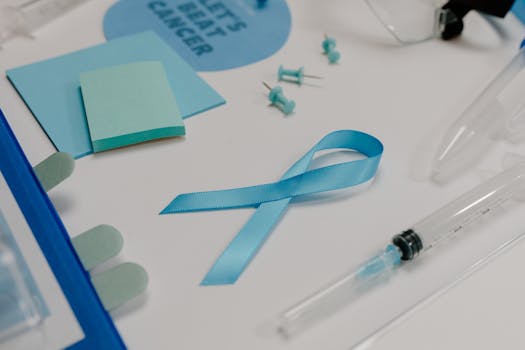
Blue ribbon with medical supplies symbolizes healthcare awareness and cancer support. Photo: Tara Winstead / Pexels
When faced with the prospect of a colonoscopy, many people naturally ask, "What is a colonoscopy procedure like?" While this is a valid and important question, it's equally crucial to understand *why* this procedure is recommended. A colonoscopy is far more than just a diagnostic tool; it's a powerful preventative measure against colorectal cancer, which is the third most common cancer diagnosed in both men and women in the United States, excluding skin cancers. Regular screening can detect polyps – small growths on the lining of the colon or rectum – before they become cancerous. If polyps are found during the procedure, they can often be removed immediately, effectively preventing cancer from developing. This makes the colonoscopy unique among many cancer screenings, as it is both diagnostic and therapeutic. Beyond cancer prevention, a colonoscopy is also used to investigate symptoms such as abdominal pain, rectal bleeding, chronic constipation or diarrhea, and other bowel problems. It can help diagnose inflammatory bowel disease (IBD) like Crohn's disease or ulcerative colitis, diverticulosis, and other conditions affecting the lower gastrointestinal tract. By providing a direct, visual examination of the entire colon and rectum, your doctor can identify abnormalities that might not be detected by other imaging tests. The ability to directly visualize the mucosal lining, take biopsies of suspicious areas, and remove polyps makes it the gold standard for colorectal cancer screening and diagnosis of various lower GI conditions. The benefits of early detection and prevention far outweigh any temporary discomfort or inconvenience associated with the procedure. It's an investment in your long-term health and well-being, potentially saving your life by catching issues before they escalate. Don't let fear or misinformation deter you from this vital health step. For more information on preventative health measures, consider exploring resources on general health screenings. Understanding the profound impact a colonoscopy can have on your health journey is the first step toward embracing this essential procedure.

The Preparation: Your Most Crucial Step for a Successful Colonoscopy

Minimalist image of a glass of water and pink pills on a pastel background, suitable for health themes. Photo: SHVETS production / Pexels
The most discussed, and often dreaded, aspect of a colonoscopy is the preparation phase. While it can be inconvenient, proper bowel preparation is absolutely vital for a successful and accurate procedure. Without a thoroughly clean colon, your doctor may not be able to clearly visualize the lining, potentially missing polyps or other abnormalities. This could lead to an incomplete examination, requiring a repeat procedure sooner than expected, or worse, missing a significant finding. So, what is a colonoscopy procedure like during this preparatory stage? It typically begins a few days before the procedure and intensifies the day before. Your doctor will provide specific, detailed instructions, which you must follow precisely. Generally, this involves dietary restrictions, such as a low-fiber diet for several days leading up to the procedure, followed by a clear liquid diet for at least 24 hours before. A clear liquid diet includes items like clear broth, black coffee or tea (without milk or cream), plain water, clear juices (apple, white grape), gelatin (not red or purple), and clear sodas. Avoid anything with red or purple dyes, as these can be mistaken for blood during the colonoscopy. Alongside dietary changes, you'll be prescribed a bowel-cleansing solution. This usually comes in two main forms: a large volume solution (often mixed with water and consumed over several hours) or a smaller volume solution accompanied by multiple doses of laxative pills. Both are designed to induce diarrhea, flushing out all contents from your colon. You'll typically take the solution in divided doses – part the evening before and the remainder several hours before your morning procedure. It's essential to stay hydrated during this period by drinking plenty of clear liquids. You might experience frequent bowel movements, abdominal cramping, and bloating. Staying near a bathroom is advisable. While uncomfortable, remember this phase is temporary and directly contributes to the accuracy and effectiveness of your colonoscopy, ensuring your doctor has the best possible view. Adhering to these instructions meticulously is the key to a clear and comprehensive examination.

The Procedure Day: From Arrival to Post-Sedation Wake-Up
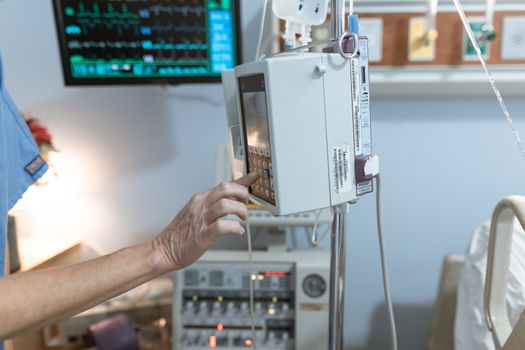
A healthcare worker operates a modern infusion pump in a hospital setting, ensuring precise medication delivery. Photo: RDNE Stock project / Pexels
On the day of your colonoscopy, understanding what to expect can significantly reduce anxiety. When you arrive at the clinic or hospital, you'll first check in and complete any necessary paperwork. A nurse will then take you to a pre-procedure area where you'll change into a hospital gown. They will review your medical history, current medications, and confirm that you've followed all the preparation instructions. An IV line will be started, usually in your arm or hand, to administer fluids and sedation. This is typically the only part of the procedure that involves a brief, sharp sensation. Before the procedure begins, you'll meet the gastroenterologist who will perform the colonoscopy and the anesthesiologist or nurse anesthetist who will manage your sedation. They will explain the process again and answer any last-minute questions you might have. Most colonoscopies in the US are performed under moderate or deep sedation, or sometimes general anesthesia, meaning you will be in a twilight sleep or fully asleep and will not feel any pain or remember the procedure. Once you are adequately sedated, you will be positioned on your side on the examination table. The doctor will then gently insert a colonoscope – a long, flexible tube with a light and camera at its tip – into your rectum and slowly advance it through your large intestine to the beginning of the small intestine. Air is often gently pumped into the colon to expand it, allowing for a better view of the lining. This may cause a feeling of fullness or pressure. As the scope is withdrawn, the doctor carefully examines the colon's lining for polyps, inflammation, bleeding, or other abnormalities. If polyps are found, they are typically removed immediately using tiny instruments passed through the scope. Tissue samples (biopsies) may also be taken from any suspicious areas. The entire procedure usually takes between 30 to 60 minutes. After the scope is removed, you will be taken to a recovery area where you will slowly wake up from the sedation. You might feel a bit groggy, have some mild abdominal cramping or gas (due to the air introduced during the procedure), but these sensations usually subside quickly. It's crucial to have someone available to drive you home, as the effects of sedation can linger for several hours. You will receive post-procedure instructions before being discharged. For more details on the specialists involved, you can learn about gastroenterology services.

Post-Procedure & Recovery: What to Expect After Your Colonoscopy
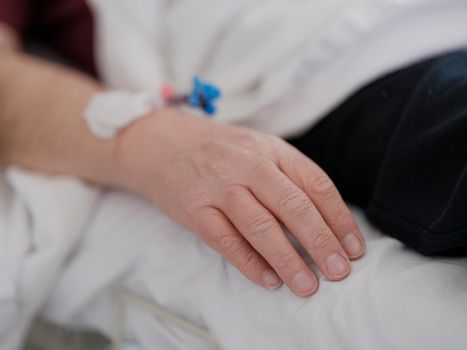
A close-up view of a patient's hand resting on a bed with an intravenous drip connected. Photo: Engin Akyurt / Pexels
Once your colonoscopy is complete and you've awakened from sedation, the recovery process begins. Understanding what is a colonoscopy procedure like in the immediate aftermath and the days following can help you plan and manage your expectations. In the recovery room, nurses will monitor your vital signs and ensure you are fully awake and stable before discharge. It's common to feel sleepy or a bit disoriented for an hour or two as the sedatives wear off. You might also experience some abdominal cramping or bloating due to the air introduced into your colon during the procedure. Passing gas is a natural and often relieving part of the recovery process. **Immediate Post-Procedure (First 24 Hours):** * **Sedation Effects:** Do not drive, operate heavy machinery, make important decisions, or consume alcohol for at least 24 hours after the procedure, as your judgment and coordination will be impaired. * **Diet:** You can typically resume your normal diet after the procedure, starting with light, easily digestible foods. Avoid very heavy or spicy meals initially. Drink plenty of fluids. * **Activity:** Rest is recommended for the remainder of the day. Light activity is usually fine, but avoid strenuous exercise. * **Bloating/Gas:** This is normal and usually resolves within a few hours. Walking around can help alleviate gas. * **Bleeding:** Small amounts of rectal bleeding, especially if polyps were removed, are sometimes normal (e.g., a few drops on toilet paper). However, contact your doctor immediately if you experience significant or persistent bleeding, severe abdominal pain, fever, or chills. **Results and Follow-Up:** Your gastroenterologist will typically provide initial findings shortly after you wake up. If polyps were removed or biopsies taken, the tissue samples are sent to a lab for pathological examination. These results usually take several days to a week to come back. Your doctor will then contact you to discuss these findings and recommend a follow-up plan, which could range from routine screening in 5-10 years to more frequent surveillance depending on what was found. It's essential to attend your follow-up appointments and adhere to the recommended screening schedule to maintain optimal colorectal health. Remember, the temporary discomfort of the colonoscopy and its preparation is a small price to pay for the significant peace of mind and health benefits it provides.

Comparison

FeatureColonoscopyStool-Based Tests (FIT/gFOBT)CT Colonography ('Virtual Colonoscopy')
Detection MethodDirect visual exam, polyp removalDetects blood in stoolX-ray imaging of colon
Accuracy for PolypsHighest, removes polypsLower, indirect detectionHigh for large polyps, not small
Preparation RequiredExtensive bowel cleanseMinimal, dietary restrictionsBowel cleanse, specific diet
Sedation NeededYes, usually moderate/deepNoNo
InvasivenessInvasive (scope inserted)Non-invasive (stool sample)Minimally invasive (no scope)
Therapeutic Capability✓ (polyp removal)✗ (requires follow-up colonoscopy)
Frequency (Avg. Risk)Every 10 yearsEvery 1-2 yearsEvery 5 years
Cost (Relative)HigherLowerModerate

What Readers Say

"I was so nervous about what is a colonoscopy procedure like, especially the prep. But honestly, it wasn't nearly as bad as I imagined. The sedation worked wonderfully, and I woke up feeling fine. So glad I did it for peace of mind."

Sarah J. · Austin, TX

"My doctor recommended a colonoscopy, and I procrastinated. The day of the procedure was smooth; the team was professional, and I literally remembered nothing after the sedation. Recovery was quick, just some gas."

Michael D. · Chicago, IL

"They found and removed several polyps during my colonoscopy. The process was seamless, and knowing they caught potential issues before they became serious made the whole experience incredibly worthwhile. Highly recommend."

Emily R. · Seattle, WA

"The prep was definitely the hardest part, but manageable. The procedure itself was a breeze thanks to the sedation. Woke up a bit groggy but no pain. It's an important screening, so don't let the fear stop you."

David K. · Boston, MA

"As someone with a family history of colon cancer, getting a colonoscopy was a priority. The staff were excellent, explaining everything and making me feel comfortable. The ease of the actual procedure was surprising."

Jessica L. · Denver, CO

Frequently Asked Questions

Is a colonoscopy painful?

No, a colonoscopy is typically not painful. Most procedures are performed under sedation, meaning you will be in a twilight sleep or fully asleep and will not feel or remember anything. You might experience some mild cramping or gas afterward, but this usually subsides quickly.

What is the hardest part of a colonoscopy?

For most people, the most challenging part of a colonoscopy is the bowel preparation. This involves following a strict clear liquid diet and consuming a laxative solution to thoroughly cleanse the colon, which can be inconvenient and lead to frequent bowel movements.

How long does a colonoscopy procedure take?

The colonoscopy procedure itself usually takes between 30 to 60 minutes. However, you should plan to be at the facility for several hours, accounting for check-in, preparation, the procedure, and a recovery period from sedation.

Is a colonoscopy covered by insurance?

In the United States, most insurance plans, including Medicare, cover screening colonoscopies as a preventative service, especially for individuals over 45 or with specific risk factors. However, it's crucial to verify your specific coverage with your insurance provider beforehand, as coverage details can vary.

Are there alternatives to a colonoscopy for colon cancer screening?

Yes, there are other screening options, including stool-based tests (like FIT or gFOBT), Cologuard, and CT colonography (virtual colonoscopy). However, a colonoscopy is considered the gold standard as it allows for direct visualization, biopsy, and immediate polyp removal, which other tests do not. Discuss the best option for your risk profile with your doctor.

Who should get a colonoscopy?

Individuals at average risk for colorectal cancer should begin screening at age 45, according to current guidelines. Those with a family history of colorectal cancer, personal history of inflammatory bowel disease, or certain genetic syndromes may need to start screening earlier or more frequently. Always consult your physician for personalized recommendations.

What are the risks associated with a colonoscopy?

While generally safe, potential risks include perforation (a tear in the colon wall), bleeding (especially after polyp removal), and adverse reactions to sedation. These complications are rare, occurring in less than 1 in 1,000 procedures, and medical staff are trained to manage them.

How is colonoscopy technology evolving?

Colonoscopy technology is continuously improving, with advancements in high-definition imaging, artificial intelligence (AI) for polyp detection, and narrower, more flexible scopes. These innovations aim to enhance detection rates, improve patient comfort, and reduce procedure times, making the screening even more effective and accessible.

Understanding what is a colonoscopy procedure like can transform anxiety into empowerment. This essential screening is a powerful tool for preventing colorectal cancer and maintaining your digestive health. Don't delay—talk to your doctor about scheduling your colonoscopy and take a proactive step towards a healthier future.

Topics: what is a colonoscopy procedure likecolonoscopy preparationcolonoscopy experiencecolonoscopy recoverycolon cancer screening
Leo List

IE Escorts NO Escorts US Escorts NZ Escorts AU Escorts
Brampton weed
Adultwork EstrelaBet Vai de Bet R7 Bet Betão Galera Bet Rainbet Bet9ja Shop SportyBet BetKing Sisal Loto Foot Hollywoodbets YesPlay Odibets RushBet Jugabet BetWarrior BetCity MSport betPawa Fortebet