✓ High blood pressure, or hypertension, often has no obvious symptoms, earning it the nickname 'the silent killer.'
✓ Primary (essential) hypertension, accounting for 90-95% of cases, has no identifiable cause but is linked to lifestyle and genetics.
✓ Secondary hypertension is caused by an underlying condition, such as kidney disease or thyroid problems.
✓ Uncontrolled high blood pressure significantly increases the risk of heart attack, stroke, kidney disease, and vision loss.
How It Works
1
Understanding Blood Pressure Readings
Blood pressure is measured as systolic (top number, pressure during heart beat) over diastolic (bottom number, pressure between beats). Normal is typically below 120/80 mmHg.
2
Identifying Risk Factors
Various factors, both controllable and uncontrollable, contribute to hypertension. These include diet, exercise, genetics, and age.
3
Recognizing Types of Hypertension
Primary hypertension is the most common, developing gradually over time. Secondary hypertension results from specific underlying medical conditions.
4
Implementing Prevention & Management
Lifestyle changes like a healthy diet, regular exercise, and stress management are crucial. Medical intervention may be necessary for some individuals.
The Silent Threat: Decoding Primary Hypertension
Photo: Yaroslav Shuraev / Pexels
High blood pressure, medically known as hypertension, is a pervasive health challenge affecting millions of Americans. Often dubbed 'the silent killer,' it typically presents with no overt symptoms, quietly damaging blood vessels and vital organs over time. Understanding what causes high blood pressure is the first crucial step towards prevention and effective management. The vast majority of hypertension cases, approximately 90-95%, fall under the category of primary, or essential, hypertension. This means that there isn't a single, identifiable medical cause for its development. Instead, it's a complex interplay of genetic predispositions, lifestyle choices, and environmental factors that contribute to its gradual onset and progression. While the exact mechanisms remain an active area of research, scientists have pinpointed several key contributors that collectively elevate blood pressure over years, sometimes decades, before a diagnosis is made. Genetic factors play a significant role. If your parents or close relatives have primary hypertension, your risk of developing it increases substantially. This doesn't mean it's inevitable, but it does highlight a genetic susceptibility that interacts with other factors. Research continues to identify specific genes or gene combinations that influence blood pressure regulation, including those affecting kidney function, blood vessel elasticity, and hormonal systems. However, genetics alone rarely tell the whole story. Lifestyle choices are equally, if not more, impactful. A diet consistently high in sodium is a major culprit. Sodium causes the body to retain water, which increases the volume of blood in your arteries, thereby elevating blood pressure. Conversely, a diet low in potassium, a mineral that helps balance sodium levels, can exacerbate this effect. The standard American diet, rich in processed foods, often features both high sodium and low potassium, creating a perfect storm for hypertension development. Lack of physical activity is another significant factor. Regular exercise helps keep your heart and blood vessels healthy, making them more elastic and efficient at pumping blood. Sedentary lifestyles contribute to weight gain, which is independently linked to higher blood pressure, and also directly impairs the cardiovascular system's ability to regulate pressure effectively. Obesity itself is a profound risk factor; carrying excess weight puts a greater strain on your heart and circulatory system, requiring more effort to pump blood throughout the body. The connection between stress and hypertension is also well-documented. While acute stress causes temporary spikes in blood pressure, chronic stress can contribute to long-term elevation. This is due to the sustained release of stress hormones like cortisol and adrenaline, which constrict blood vessels and increase heart rate. Furthermore, unhealthy coping mechanisms for stress, such as overeating, smoking, or excessive alcohol consumption, further compound the risk. Age is another non-modifiable risk factor; blood pressure tends to increase as people get older, as arteries naturally stiffen and narrow. However, this is not an inevitable consequence of aging but rather a common trend influenced by cumulative lifestyle factors over a lifetime. Understanding these multifaceted contributors to primary hypertension empowers individuals to make informed choices and work proactively with their healthcare providers to mitigate their risk and maintain optimal cardiovascular health. Managing stress effectively is crucial for overall well-being. By addressing these factors, we can significantly reduce the prevalence and impact of this silent, yet dangerous, condition.
While primary hypertension accounts for the majority of cases, it's equally important to understand secondary hypertension, which is high blood pressure caused by an identifiable underlying medical condition. Unlike primary hypertension, which develops gradually over time due to a confluence of factors, secondary hypertension often appears suddenly and can be more severe than primary hypertension. Identifying and treating the root cause of secondary hypertension is paramount, as resolving the underlying condition can often normalize blood pressure or significantly improve its management. One of the most common causes of secondary hypertension involves kidney problems. The kidneys play a crucial role in regulating blood pressure by controlling fluid and salt balance in the body, and by producing hormones that influence blood vessel constriction. Conditions like kidney disease (chronic kidney disease), renal artery stenosis (narrowing of the arteries supplying the kidneys), or polycystic kidney disease can impair these functions, leading to elevated blood pressure. When the kidneys aren't functioning optimally, they may retain excess fluid and sodium, increasing blood volume and placing greater stress on the arterial walls. Hormonal imbalances are another significant contributor to secondary hypertension. Several endocrine disorders can disrupt the body's delicate hormonal equilibrium, directly impacting blood pressure regulation. For instance, conditions affecting the adrenal glands, such as Cushing's syndrome (excess cortisol) or primary aldosteronism (excess aldosterone), can lead to sodium and water retention, and increased blood volume. Pheochromocytoma, a rare tumor of the adrenal gland, causes the overproduction of adrenaline and noradrenaline, resulting in sudden and severe spikes in blood pressure. Thyroid disorders, specifically hyperthyroidism (overactive thyroid), can also elevate blood pressure by increasing heart rate and metabolism. Sleep apnea, a condition where breathing repeatedly stops and starts during sleep, is increasingly recognized as a major cause of secondary hypertension. The frequent drops in blood oxygen levels that occur during sleep apnea put significant stress on the cardiovascular system. This leads to the activation of the sympathetic nervous system, causing blood vessels to constrict and blood pressure to rise. The chronic sleep deprivation and intermittent hypoxia associated with sleep apnea can contribute to sustained high blood pressure, even during waking hours. Treating sleep apnea, often with continuous positive airway pressure (CPAP) therapy, can often lead to substantial improvements in blood pressure control. Certain medications can also induce or worsen high blood pressure. These include oral contraceptives, some decongestants, non-steroidal anti-inflammatory drugs (NSAIDs) like ibuprofen and naproxen, certain antidepressants, and corticosteroids. Illicit drugs such as cocaine and methamphetamine are also powerful vasoconstrictors that can cause dangerous spikes in blood pressure. It is crucial for individuals to inform their healthcare providers about all medications and supplements they are taking, as drug-induced hypertension is often reversible upon discontinuation or modification of the offending agent. Other, less common causes of secondary hypertension include coarctation of the aorta (a congenital defect where the aorta, the body's main artery, is narrowed) and thyroid problems. While these conditions are rarer, they underscore the importance of a thorough diagnostic workup when hypertension is severe, sudden in onset, or resistant to conventional treatment. A comprehensive medical evaluation, including blood tests, urine tests, and imaging studies, can help uncover these underlying causes, allowing for targeted treatment and potentially a cure for high blood pressure.
Lifestyle's Grip: The Modifiable Risk Factors for Hypertension
Photo: Nataliya Vaitkevich / Pexels
While some risk factors for high blood pressure, such as age and genetics, are beyond our control, a significant portion of what causes high blood pressure is directly influenced by our daily choices. These modifiable risk factors present powerful opportunities for prevention and management, allowing individuals to actively shape their cardiovascular health. Understanding and addressing these lifestyle elements is fundamental to combating the rising tide of hypertension. Diet plays a paramount role. As mentioned, excessive sodium intake is a primary driver of high blood pressure. Most of the sodium in the American diet comes not from the salt shaker, but from processed and restaurant foods – canned soups, frozen meals, deli meats, fast food, and baked goods. These hidden sources contribute to a daily sodium consumption far exceeding recommended limits for many individuals. Conversely, a diet rich in potassium, magnesium, and calcium, found in fruits, vegetables, whole grains, and lean proteins, helps counteract the effects of sodium and supports healthy blood pressure. The DASH (Dietary Approaches to Stop Hypertension) diet is a prime example of an eating plan specifically designed to lower blood pressure through these nutritional principles. Alcohol consumption, particularly in excess, is another significant modifiable risk factor. While moderate alcohol intake (up to one drink per day for women, and up to two for men) may have some cardiovascular benefits for certain individuals, heavy or binge drinking can significantly raise blood pressure. Alcohol can increase the activity of the sympathetic nervous system, alter kidney function, and interfere with blood pressure medications. Reducing alcohol intake or abstaining altogether can lead to measurable improvements in blood pressure readings. Physical inactivity is a widespread modern problem with profound health implications, including its contribution to hypertension. Regular physical activity makes your heart stronger and more efficient at pumping blood, which reduces the force on your arteries and lowers blood pressure. It also helps with weight management, reduces stress, and improves insulin sensitivity – all factors that positively impact blood pressure. The American Heart Association recommends at least 150 minutes of moderate-intensity aerobic activity or 75 minutes of vigorous-intensity activity per week, along with muscle-strengthening activities. Even small increases in activity can yield benefits. Obesity and being overweight are inextricably linked to high blood pressure. Excess body fat, particularly around the waist, increases the workload on the heart and can lead to hormonal changes that elevate blood pressure. Fat cells also release substances that can cause inflammation and insulin resistance, further contributing to cardiovascular strain. Losing even a modest amount of weight (5-10% of body weight) can have a significant positive impact on blood pressure levels and reduce the need for medication. Smoking is unequivocally detrimental to cardiovascular health. Nicotine in tobacco products causes blood vessels to constrict and heart rate to increase, leading to immediate, temporary spikes in blood pressure. Over time, the chemicals in tobacco damage the lining of blood vessel walls, promoting atherosclerosis (hardening of the arteries) and making them less elastic. This chronic damage makes blood pressure regulation more difficult and significantly increases the risk of heart attack, stroke, and other cardiovascular diseases. Quitting smoking is one of the most impactful steps an individual can take to improve their blood pressure and overall health. Chronic stress, as discussed previously, can contribute to sustained high blood pressure. While stress itself doesn't directly cause hypertension, the physiological responses to stress, combined with unhealthy coping mechanisms, can elevate risk. Effective stress management techniques, such as meditation, yoga, deep breathing exercises, spending time in nature, or engaging in hobbies, can help mitigate these effects. By taking control of these modifiable risk factors, individuals can play an active role in preventing the onset of hypertension or effectively managing an existing diagnosis, thereby reducing their risk of serious health complications. Adopting a heart-healthy diet is a powerful first step towards better blood pressure control.
Preventing and Managing High Blood Pressure: Practical Steps
Photo: Ketut Subiyanto / Pexels
Understanding what causes high blood pressure is the foundation, but taking proactive steps to prevent or manage it is where true health transformation begins. For many, lifestyle modifications are the first line of defense and can be incredibly effective, sometimes even preventing the need for medication. Even for those who require medication, lifestyle changes remain crucial for optimal blood pressure control and overall well-being.
Here are practical steps to prevent and manage high blood pressure:
* **Embrace a Heart-Healthy Diet:** Focus on the DASH eating plan, which emphasizes fruits, vegetables, whole grains, lean protein, and low-fat dairy, while limiting saturated and trans fats, cholesterol, sodium, and added sugars. Reduce processed foods, fast food, and sugary drinks. Aim for home-cooked meals where you control ingredients, especially sodium content. Read food labels carefully to monitor sodium intake, aiming for less than 2,300 milligrams per day, and ideally less than 1,500 mg if you have hypertension or are at high risk.
* **Regular Physical Activity:** Strive for at least 150 minutes of moderate-intensity aerobic activity (like brisk walking, swimming, or cycling) or 75 minutes of vigorous-intensity activity (like running or intense sports) per week. Incorporate muscle-strengthening activities at least twice a week. Consistency is key; even short bursts of activity throughout the day add up. Consult your doctor before starting a new exercise regimen, especially if you have existing health conditions.
* **Maintain a Healthy Weight:** If you are overweight or obese, losing even a small amount of weight can significantly lower your blood pressure. Work with a healthcare professional or registered dietitian to develop a sustainable weight loss plan that focuses on healthy eating and increased physical activity. Even a 5-10% reduction in body weight can make a substantial difference.
* **Limit Alcohol Intake:** If you drink alcohol, do so in moderation. This means up to one drink per day for women and up to two drinks per day for men. A 'drink' is defined as 12 ounces of beer, 5 ounces of wine, or 1.5 ounces of 80-proof spirits. Exceeding these limits can raise blood pressure and interfere with medication effectiveness.
* **Quit Smoking:** Smoking is one of the most significant modifiable risk factors for heart disease and high blood pressure. Quitting smoking immediately begins to improve your cardiovascular health. Seek support from your doctor, nicotine replacement therapies, or smoking cessation programs to increase your chances of success.
* **Manage Stress Effectively:** Identify your sources of stress and develop healthy coping mechanisms. Techniques such as meditation, deep breathing exercises, yoga, spending time in nature, engaging in hobbies, or talking to a trusted friend or therapist can help reduce stress levels. Chronic stress can contribute to unhealthy habits that further impact blood pressure.
* **Monitor Blood Pressure at Home:** Regular home monitoring can provide valuable information to your doctor and help you track the effectiveness of your treatment plan. Ensure you use a validated cuff and follow proper measurement techniques. Share your readings with your healthcare provider.
* **Adhere to Medication (If Prescribed):** If lifestyle changes aren't sufficient, your doctor may prescribe medication. It's crucial to take your medications exactly as prescribed, even if you feel fine. Do not stop or adjust your medication without consulting your doctor, as this can lead to dangerous blood pressure spikes.
* **Regular Medical Check-ups:** Schedule regular appointments with your doctor to monitor your blood pressure, assess your overall cardiovascular health, and adjust your treatment plan as needed. Early detection and consistent management are vital for preventing serious complications. By integrating these practical steps into your daily life, you can significantly reduce your risk of developing high blood pressure or effectively manage an existing condition, paving the way for a longer, healthier life.
Comparison
Factor
Primary (Essential) Hypertension
Secondary Hypertension
Impact on Treatment
Cause
No single identifiable cause; multifactorial (genetics, lifestyle)
Underlying medical condition (e.g., kidney disease, thyroid issues)
Primary: Lifestyle + medication; Secondary: Treat underlying cause
Onset
Gradual development over many years
Often sudden, can be more severe
Sudden onset usually prompts more urgent investigation
Prevalence
90-95% of all hypertension cases
5-10% of all hypertension cases
Most common type, but secondary must not be missed
Reversibility
Often manageable, but rarely 'cured'
Potentially curable if underlying cause is treated
Highlights the importance of accurate diagnosis
What Readers Say
★★★★★
"This article really broke down what causes high blood pressure in a way I could understand. I always thought it was just genetics, but now I see how much my diet and stress play a role. Feeling empowered to make changes!"
Sarah J. · Austin, TX
★★★★★
"As someone recently diagnosed, I was overwhelmed. This guide on what causes high blood pressure helped me pinpoint my own risk factors and gave me clear steps to take. Very helpful and easy to follow."
Mark D. · Chicago, IL
★★★★★
"After reading this, I started monitoring my sodium intake and walking daily. My blood pressure has already shown a noticeable improvement. Understanding the causes truly made a difference in my motivation."
Emily R. · Denver, CO
★★★★★
"Good overview, though I wish there was a bit more on specific types of medications. Still, the explanation of primary vs. secondary causes was very informative and prompted me to talk to my doctor about my kidney function."
David L. · Miami, FL
★★★★★
"My family has a history of hypertension, so knowing what causes high blood pressure is critical for me. This article provided excellent, actionable advice on prevention that I'm already incorporating into my routine."
Jessica M. · Seattle, WA
Frequently Asked Questions
What is the primary cause of high blood pressure?
The primary cause of high blood pressure, known as primary or essential hypertension, is often unknown. It's believed to be a complex interaction of genetic predisposition, age, and various lifestyle factors such as a high-sodium diet, lack of physical activity, obesity, excessive alcohol intake, and chronic stress. It develops gradually over many years without a single identifiable medical condition.
Can stress directly cause high blood pressure?
While acute stress can cause temporary spikes in blood pressure, chronic stress contributes to long-term high blood pressure indirectly. Sustained stress can lead to unhealthy coping mechanisms like overeating, smoking, or increased alcohol consumption, which are direct risk factors. Additionally, chronic release of stress hormones can impact blood vessel health over time.
How can I lower my blood pressure naturally?
You can lower your blood pressure naturally through several lifestyle changes: adopting a heart-healthy diet (like the DASH diet) low in sodium and rich in potassium, engaging in regular physical activity (at least 150 minutes of moderate exercise per week), maintaining a healthy weight, limiting alcohol intake, quitting smoking, and practicing stress-reduction techniques like meditation or yoga.
Is high blood pressure always serious?
Yes, high blood pressure is always a serious condition that requires management. While it may not present immediate symptoms, uncontrolled high blood pressure can silently damage your arteries and vital organs over time, significantly increasing your risk of severe health complications such as heart attack, stroke, kidney disease, vision loss, and heart failure. Early detection and consistent management are crucial.
What is the difference between primary and secondary hypertension?
Primary (essential) hypertension has no identifiable cause and develops gradually due to a combination of genetic and lifestyle factors, accounting for 90-95% of cases. Secondary hypertension is caused by an underlying medical condition, such as kidney disease, thyroid problems, sleep apnea, or certain medications, and often appears suddenly and can be more severe. Treating the underlying cause can often resolve secondary hypertension.
Who is most at risk for developing high blood pressure?
Individuals with a family history of hypertension, those who are overweight or obese, people with a sedentary lifestyle, those who consume a high-sodium diet, heavy drinkers, smokers, and individuals with chronic stress are at higher risk. Risk also increases with age, and certain ethnic groups, like African Americans, have a higher prevalence and severity of hypertension.
Are there any warning signs of high blood pressure?
High blood pressure is often called 'the silent killer' because it typically has no obvious warning signs or symptoms, even when readings are dangerously high. The only way to know if you have high blood pressure is to have it measured regularly by a healthcare professional. In rare, severe cases (hypertensive crisis), symptoms like severe headache, shortness of breath, or nosebleeds may occur, requiring immediate medical attention.
What are the long-term consequences of untreated high blood pressure?
Untreated high blood pressure can lead to severe long-term complications including heart attack, stroke, heart failure, kidney disease or failure, vision loss, peripheral artery disease, and dementia. The constant high force of blood against artery walls damages them, leading to hardening and narrowing, which impairs blood flow to vital organs and can result in life-threatening events.
Understanding what causes high blood pressure is the critical first step toward taking control of your health. Don't let this 'silent killer' go unnoticed. Consult your doctor today to discuss your risks, get your blood pressure checked, and develop a personalized plan for prevention or management, ensuring a healthier future.
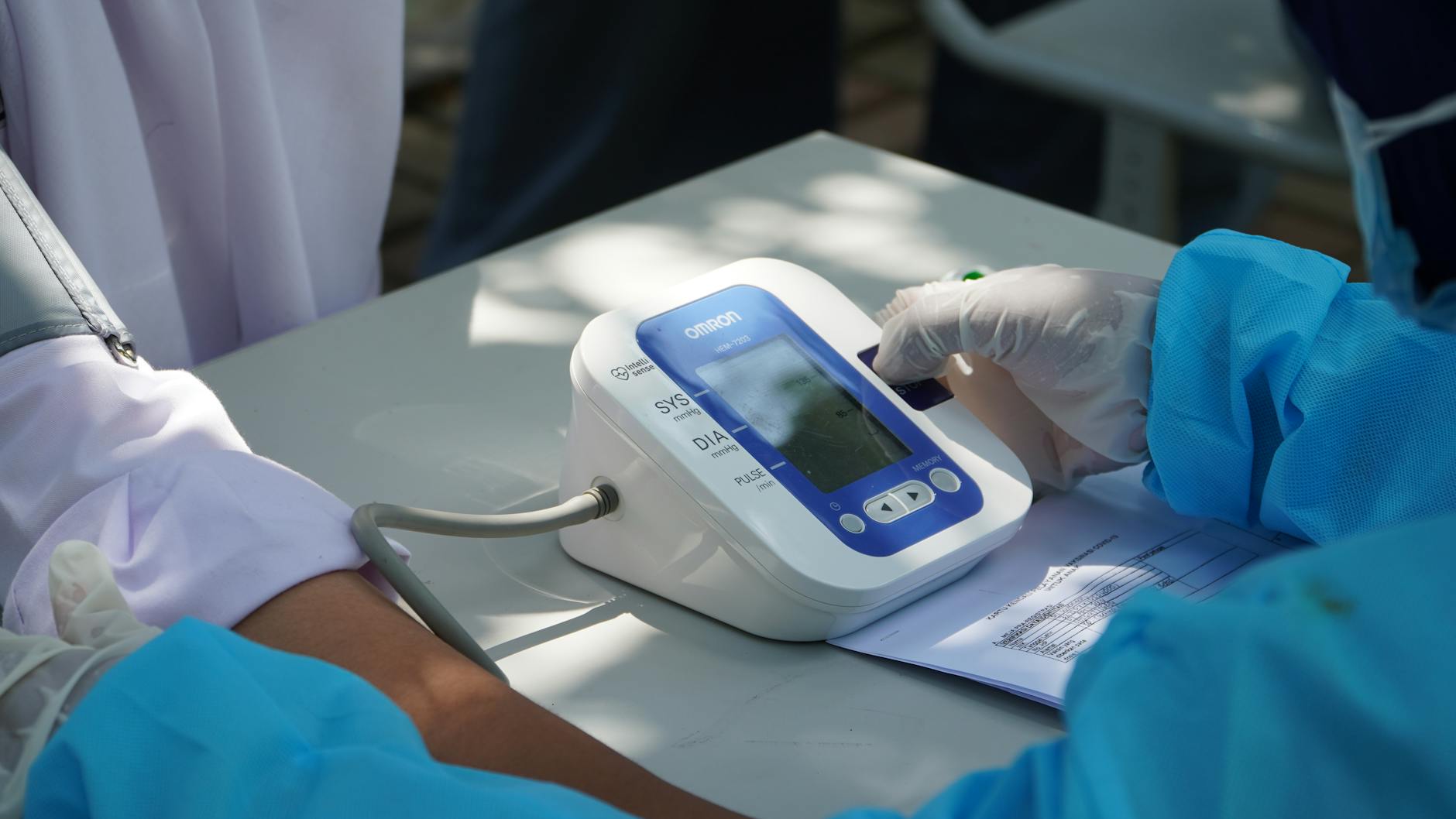
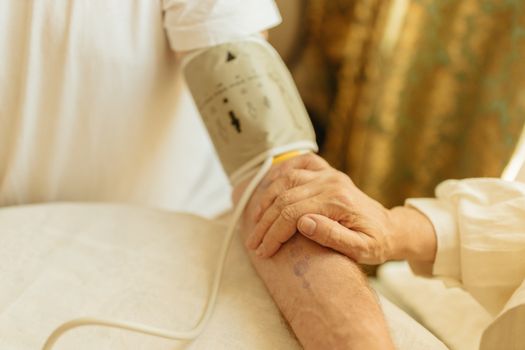 Photo: Yaroslav Shuraev / Pexels
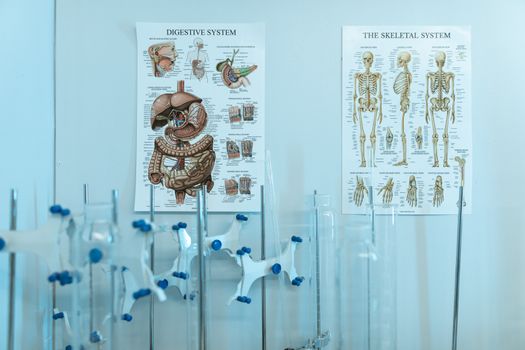 Photo: RDNE Stock project / Pexels
 Photo: Nataliya Vaitkevich / Pexels
 Photo: Ketut Subiyanto / Pexels