✓ Urgent care is often suitable for stable, non-displaced fractures.
✓ Emergency rooms are essential for severe, open, or complex fractures.
✓ Cost can vary significantly between urgent care and ER for the same injury.
✓ Timeliness of care is often better at urgent care for non-life-threatening injuries.
How It Works
1
Assess Injury Severity
Determine if the injury presents as a simple fracture (minimal deformity, stable) or a complex one (open wound, severe pain, obvious deformity, loss of sensation).
2
Consider Symptoms & Risks
Evaluate associated symptoms like heavy bleeding, loss of consciousness, or signs of shock, which necessitate an emergency room visit. Also consider if the bone has pierced the skin.
3
Choose Facility Type
Based on severity, decide between an urgent care center for less severe cases or an emergency room for critical or complex fractures requiring immediate specialized care.
4
Seek Professional Help
Proceed to the chosen facility. Be prepared to provide a detailed account of the injury and your medical history to facilitate prompt and accurate diagnosis and treatment.
Understanding Broken Bones: When is it a Fracture?
Photo: Tima Miroshnichenko / Pexels
A broken bone, medically known as a fracture, occurs when a force applied to a bone is stronger than the bone itself. This can result from a fall, a direct blow, or twisting injury. Fractures range in severity from a tiny crack (hairline fracture) to a complete break where the bone is shattered into multiple pieces (comminuted fracture) or pierces the skin (open or compound fracture). Understanding the different types and their potential severity is the first crucial step in determining the appropriate medical response. Common signs of a broken bone include severe pain that worsens with movement, swelling, bruising, deformity (a limb looking out of place), difficulty bearing weight or moving the affected area, and sometimes, a grinding or snapping sound at the time of injury. However, not all fractures present with dramatic symptoms; hairline fractures, for instance, might only cause persistent pain and swelling without obvious deformity. The initial assessment of these symptoms is paramount. If you suspect a broken bone, it's vital to immobilize the injured area as much as possible to prevent further damage. Applying ice can help reduce swelling and pain, but never try to realign the bone yourself. The immediate goal is to seek professional medical evaluation to confirm the diagnosis, assess the extent of the damage, and receive appropriate treatment. This diagnostic process typically involves X-rays, which are essential for visualizing the bone and identifying the type and location of the fracture. In some complex cases, a CT scan or MRI may be needed to get a more detailed view of the bone and surrounding soft tissues. Prompt and accurate diagnosis is critical not only for effective treatment but also for preventing complications such as nerve damage, blood vessel injury, or improper healing, which could lead to long-term disability. This initial phase of recognizing the signs and understanding the need for professional diagnosis sets the stage for the next decision: whether to go to an urgent care center or an emergency room. The urgency and complexity of the fracture dictate this choice, directly impacting the speed of care, the type of specialists involved, and ultimately, the recovery trajectory. Learning more about fracture types and their implications can further empower you to make informed decisions during a stressful time. It's important to remember that even seemingly minor fractures can have significant consequences if not treated properly. Therefore, always err on the side of caution when dealing with suspected bone injuries.
Urgent Care for Fractures: When It's the Right Choice
Photo: Pixabay / Pexels
Urgent care centers have emerged as a convenient and often more affordable alternative to emergency rooms for a variety of non-life-threatening medical conditions, including certain types of broken bones. They are typically equipped to handle stable, closed fractures where the bone has not broken through the skin, and there is no significant displacement or severe nerve/vascular compromise. These might include hairline fractures, stress fractures, or simple breaks in smaller bones like fingers, toes, or wrists, especially if the injury occurred recently and the swelling is not excessive. Urgent care facilities usually have on-site X-ray capabilities, which is crucial for diagnosing a fracture. Once a fracture is confirmed, the medical staff, often comprising physicians, physician assistants, and nurse practitioners, can provide initial stabilization, such as splinting, casting, or bracing. They can also manage pain and swelling with appropriate medication. A key advantage of choosing urgent care for suitable fractures is the reduced waiting time compared to a busy emergency room. ERs prioritize life-threatening conditions, meaning patients with less severe injuries, like a simple fracture, might experience prolonged waits. Urgent care centers, by contrast, are designed for walk-in appointments and typically have shorter wait times, leading to faster diagnosis and initial treatment. Furthermore, the cost of treatment at an urgent care center is generally significantly lower than at an emergency room. This difference can be substantial, especially for patients with high deductibles or limited insurance coverage. However, it's important to understand the limitations of urgent care. While they can diagnose and stabilize many fractures, they may not have orthopedic specialists on staff. For complex fractures requiring surgical intervention, significant reduction, or specialized casting techniques, an urgent care center will likely stabilize the injury and then refer the patient to an orthopedic surgeon or an emergency room for definitive care. This means that while urgent care can be an excellent first stop for certain fractures, it's not always the final destination. The decision to go to urgent care should be based on a careful assessment of the injury's apparent severity and the absence of any red flag symptoms that point towards a more critical condition. Always call ahead if possible, to confirm the urgent care center's capabilities, especially regarding X-ray equipment and their policy on fracture management and referrals. This proactive step can save time and ensure you receive the most appropriate care from the outset.
Emergency Room for Broken Bones: When Immediate Specialized Care is Critical
Photo: RDNE Stock project / Pexels
The emergency room (ER) is the appropriate destination for severe, complex, or life-threatening broken bones. Unlike urgent care, the ER is staffed 24/7 with a full team of medical specialists, including emergency physicians, trauma surgeons, and often, on-call orthopedic surgeons, along with advanced diagnostic imaging (X-ray, CT, MRI) and operating room capabilities. This comprehensive setup makes the ER indispensable for fractures that present significant risks or require immediate, specialized intervention. You should go to the ER for a broken bone if you experience any of the following: an open or compound fracture, where the bone has pierced through the skin, exposing it to infection; a fracture with severe bleeding or signs of shock (rapid pulse, dizziness, pale skin); a suspected fracture of a large bone like the femur (thigh bone) or pelvis, which can lead to significant blood loss and complications; a fracture that involves a joint or appears severely displaced, as these often require immediate reduction (realigning the bone) or surgical repair to prevent long-term joint dysfunction; or if there is any concern for nerve or blood vessel damage, indicated by numbness, tingling, or a pale/cold limb below the injury site. Additionally, head injuries, spinal fractures, or fractures accompanied by other severe trauma (e.g., from a high-impact accident) always warrant an ER visit, as they can involve multiple injuries requiring a coordinated, multi-disciplinary approach. Children with suspected fractures, especially very young children or those with injuries that don't match the reported mechanism (potential child abuse), should also be evaluated in an ER due to the unique growth plate considerations and need for specialized pediatric care. The ER's ability to provide immediate pain management, advanced imaging, and access to surgical teams is paramount in these critical situations. While ER visits are typically more expensive and may involve longer wait times for less urgent cases, the level of care and the resources available are unmatched for severe injuries. The potential for long-term disability or life-threatening complications from a poorly managed severe fracture far outweighs the inconvenience or cost considerations of an ER visit. When in doubt about the severity of a broken bone, especially if accompanied by red flag symptoms or significant pain, choosing the emergency room is always the safest and most responsible course of action. It's better to be safe than sorry when it comes to preserving limb function and overall health. Understanding the signs of a severe medical emergency can help you make this critical decision quickly and effectively.
Making the Right Choice: Factors to Consider and Common Mistakes
Photo: www.kaboompics.com / Pexels
Deciding between urgent care and the emergency room for a broken bone can be daunting, especially when in pain or under stress. Several factors should guide your decision to ensure you receive the most appropriate and efficient care. Firstly, **severity of the injury** is paramount. As discussed, open fractures, severe displacement, significant bleeding, or suspected damage to nerves/blood vessels demand an ER visit. If the injury appears less severe, such as a possible sprain that might be a hairline fracture, urgent care is often sufficient. Secondly, **associated symptoms** play a critical role. Any signs of shock, loss of consciousness, or other systemic issues accompanying the injury mean the ER is the only option. Thirdly, **location of the fracture** matters. Fractures of the spine, pelvis, or femur are inherently more serious and require ER care due to potential for significant complications. Fractures of smaller bones like fingers or toes, without other complications, are often manageable at urgent care. Fourthly, **patient age and medical history** can influence the decision. Elderly individuals or those with underlying health conditions (e.g., osteoporosis, diabetes) may have a higher risk of complications and might benefit from the comprehensive assessment an ER provides, even for seemingly minor fractures. Children, particularly infants, also require careful consideration due to their developing bones and growth plates. Finally, **access to care and insurance coverage** are practical considerations. While cost shouldn't override medical need, it's a reality for many. Urgent care is generally cheaper. Check your insurance plan for coverage details for both types of facilities.
**Common Mistakes to Avoid:**
* **Underestimating severity:** Assuming a fracture is 'just a sprain' can delay proper treatment and lead to worse outcomes.
* **Delaying care:** Waiting too long to seek medical attention can complicate treatment, increase pain, and prolong recovery.
* **Attempting self-treatment:** Trying to 'reset' a bone or moving a severely injured limb can cause further damage.
* **Ignoring red flag symptoms:** Dismissing signs like numbness, extreme swelling, or visible bone as 'minor' is dangerous.
* **Choosing based purely on cost:** While cost is a factor, prioritizing it over the appropriate level of care for a severe injury can lead to far greater long-term expenses and health consequences.
* **Not calling ahead:** If unsure, call your primary care physician, an urgent care center, or even a hospital's ER line for guidance. They can often provide initial advice based on your symptoms.
By carefully considering these factors and avoiding common pitfalls, you can make an informed decision that promotes optimal healing and recovery for a broken bone.
Comparison
Feature
Urgent Care
Emergency Room
Primary Care Physician
Injury Severity
Minor to moderate (stable, closed fractures)
Severe, complex, open, or life-threatening fractures
Initial assessment for very minor concerns; referral likely
Cost
Generally lower
Significantly higher
Lowest (but limited scope)
Wait Times
Typically shorter
Can be very long for non-critical cases
Appointment-based, not for urgent issues
Capabilities
X-ray, splinting, basic casting, pain management
Advanced imaging (CT, MRI), surgery, orthopedic specialists, trauma care
Limited diagnostic, no immediate fracture treatment
Open fractures, severe displacement, large bone breaks, nerve/vessel damage
Follow-up care, non-urgent evaluations
What Readers Say
★★★★★
"My daughter fell and twisted her ankle, we thought it was just a sprain but the pain was bad. We went to urgent care for a broken bone check and they X-rayed it right away. It was a small fracture, and they splinted it and gave us instructions. So much faster and less expensive than the ER!"
Sarah J. · Austin, TX
★★★★★
"I had a bike accident and my arm looked really bent. Knew immediately it wasn't an urgent care situation. The emergency room staff were incredible, got me seen by an orthopedic surgeon quickly, and scheduled for surgery the next morning. Lifesaver."
Mark T. · Miami, FL
★★★★★
"My son broke his wrist playing soccer. The urgent care diagnosed it, put on a temporary cast, and referred us to an orthopedic specialist for follow-up. This streamlined process saved us hours at the ER and got him on the path to recovery efficiently."
Jessica L. · Denver, CO
★★★★★
"I wasn't sure if my hand injury was just a bad bruise or something more. Went to urgent care. They confirmed a small fracture and provided excellent initial care. While they couldn't do the full casting, their referral was prompt and helpful."
David R. · Seattle, WA
★★★★★
"After a fall, I had excruciating hip pain. My gut told me ER was the only option, and it was. They found a hip fracture that needed immediate surgery. The speed and expertise of the emergency team were exactly what was needed in a critical situation."
Emily P. · Chicago, IL
Frequently Asked Questions
When should I absolutely go to the emergency room for a broken bone?
You should go to the emergency room immediately if the bone has broken through the skin (open fracture), if there is severe bleeding, obvious deformity of the limb, loss of sensation, a suspected fracture of a large bone (like the thigh or pelvis), or if the injury was caused by significant trauma and other injuries are suspected.
Can urgent care centers cast a broken bone?
Urgent care centers can often provide initial stabilization for simple fractures, such as splinting or applying a temporary cast. However, for complex fractures requiring specialized reduction or specific casting techniques, they will typically refer you to an orthopedic specialist or an emergency room for definitive treatment.
What should I do immediately after suspecting a broken bone?
Immediately after suspecting a broken bone, try to immobilize the injured area to prevent further damage. Do not try to straighten or move the limb. Apply ice to reduce swelling and pain, and elevate the injured area if possible. Seek professional medical attention as soon as possible.
Is urgent care cheaper than the emergency room for a fracture?
Yes, urgent care centers are generally significantly less expensive than emergency rooms for treating a broken bone, especially for less severe fractures. ERs have higher facility fees and often charge more for services due to their comprehensive capabilities and 24/7 specialized staff.
How do I know if it's a sprain or a broken bone?
It can be difficult to distinguish between a severe sprain and a broken bone without an X-ray. Both can cause pain, swelling, and difficulty moving the affected area. If you experience severe pain, deformity, inability to bear weight, or hear a 'snap' at the time of injury, it's best to get an X-ray to rule out a fracture.
Who should use urgent care vs emergency room for broken bone?
Use urgent care for suspected stable, non-displaced fractures without severe complications (e.g., hairline fractures, simple finger/toe breaks). Use the emergency room for severe fractures, open wounds, significant deformity, large bone breaks, or any signs of nerve/vascular damage or shock.
What are the risks of choosing the wrong facility for a broken bone?
Choosing the wrong facility can lead to delayed or inadequate treatment. Going to urgent care with a severe fracture might result in a necessary transfer to the ER, wasting time. Conversely, going to the ER for a minor fracture means longer waits and higher costs, potentially exposing you to more serious illnesses.
Will urgent care refer me to a specialist if needed?
Yes, if an urgent care center diagnoses a fracture that requires specialized orthopedic care beyond their scope (e.g., complex reduction, surgery), they will stabilize the injury and provide a referral to an orthopedic surgeon for follow-up treatment.
Understanding the nuances between urgent care and the emergency room for a broken bone is crucial for your health and wallet. By assessing the severity of your injury and recognizing key symptoms, you can make the most informed decision, ensuring prompt, appropriate, and cost-effective care for your fracture.

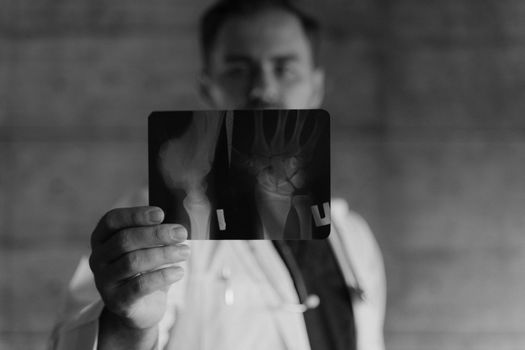 Photo: Tima Miroshnichenko / Pexels
 Photo: Pixabay / Pexels
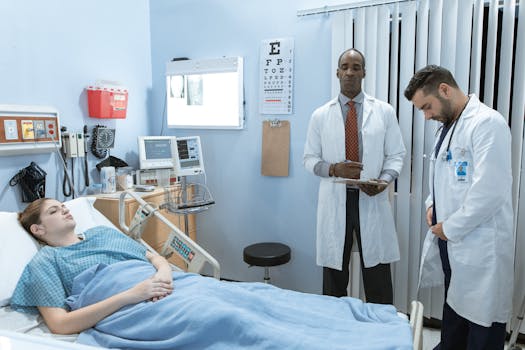 Photo: RDNE Stock project / Pexels
 Photo: www.kaboompics.com / Pexels