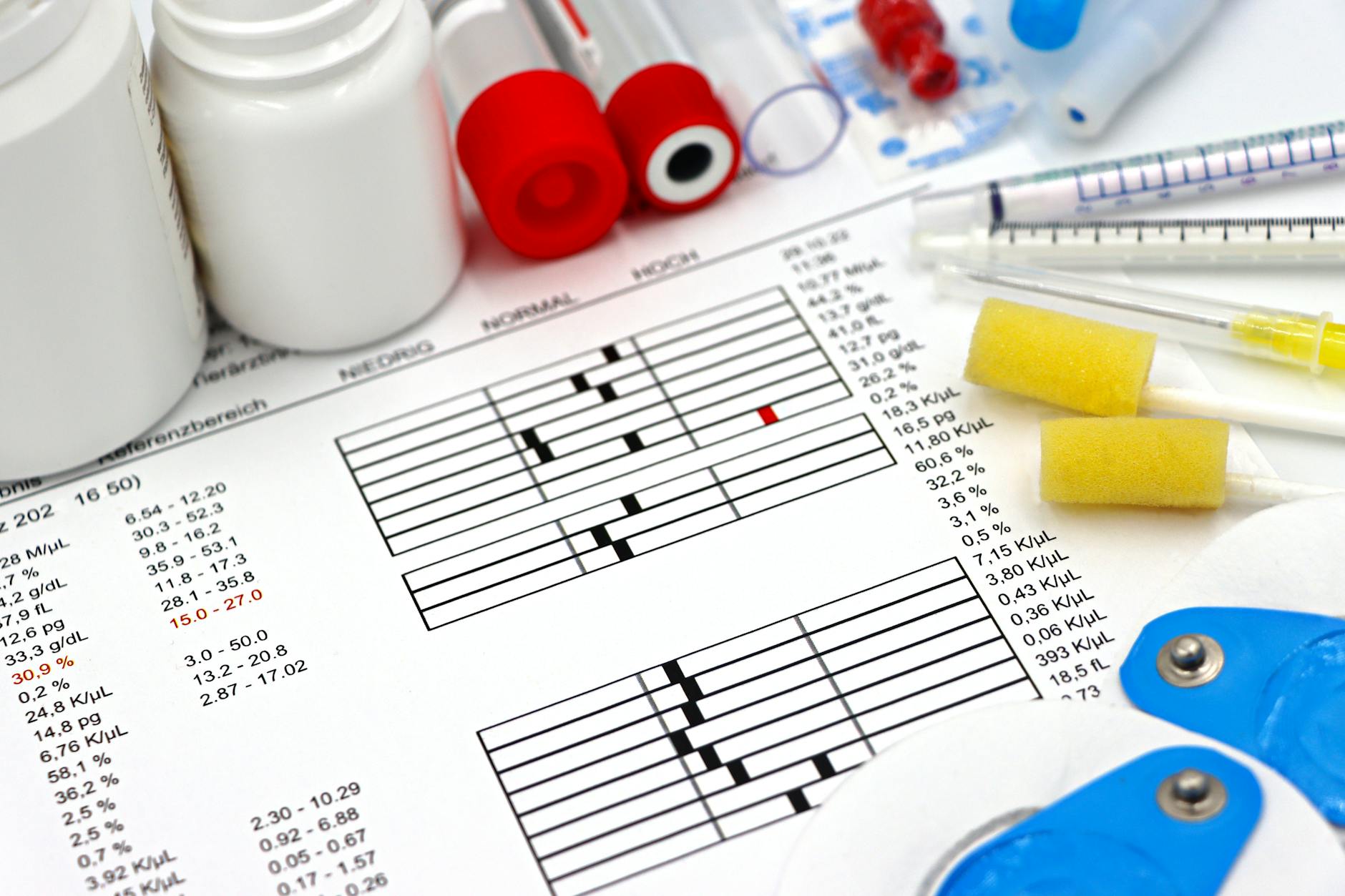
Understanding Your Blood Test Results: A Comprehensive Guide
understanding your blood test results

Understanding Your Blood Test Results: A Comprehensive Guide

Unlock the secrets of your health data and gain confidence in discussions with your healthcare provider.

Start Learning Now

Key Takeaways

  • ✓ Blood tests are powerful diagnostic tools offering insights into overall health.
  • ✓ Normal ranges vary based on age, sex, and lab, so always consult your doctor.
  • ✓ Don't panic over a single abnormal result; context is crucial.
  • ✓ Common tests include CBC, metabolic panels, and lipid profiles.

How It Works

1
Receive Your Results

Your doctor or the lab will provide your blood test results, often through an online portal or a physical printout. Familiarize yourself with the layout and where to find key values.

2
Identify Key Markers

Locate the specific test names (e.g., 'Hemoglobin,' 'Glucose') and their corresponding measured values. Pay attention to the 'reference range' provided by the lab.

3
Compare to Reference Ranges

Compare your measured values against the 'normal' or 'reference' ranges. Values outside this range may indicate a need for further investigation or discussion with your doctor.

4
Discuss with Your Doctor

Schedule a follow-up with your healthcare provider to review all results. They can provide personalized interpretation, explain implications, and recommend next steps, if any.

Demystifying the Complete Blood Count (CBC) and its Importance

A well-equipped laboratory with a microscope and vials ready for analysis. Photo: Pavel Danilyuk / Pexels
The Complete Blood Count, or CBC, is one of the most common and fundamental blood tests performed, offering a broad snapshot of your overall health. It provides crucial information about the three main types of cells circulating in your blood: red blood cells, white blood cells, and platelets. Understanding the components of your CBC can reveal insights into a wide array of conditions, from infections and inflammation to anemia and even certain cancers. It’s a foundational test that often guides further diagnostic steps and helps monitor the effectiveness of treatments. Red Blood Cells (RBCs), also known as erythrocytes, are responsible for carrying oxygen from your lungs to the rest of your body and transporting carbon dioxide back to the lungs to be exhaled. Key measurements related to RBCs include: Hemoglobin (Hgb), the protein in red blood cells that carries oxygen; Hematocrit (Hct), the percentage of red blood cells in your blood volume; and Red Blood Cell Count itself. Abnormalities in these values can indicate anemia (low levels), which can lead to fatigue, weakness, and shortness of breath, or polycythemia (high levels), which can increase the risk of blood clots. Your report might also include Mean Corpuscular Volume (MCV), Mean Corpuscular Hemoglobin (MCH), and Mean Corpuscular Hemoglobin Concentration (MCHC), which describe the size and hemoglobin content of your red blood cells. These indices help differentiate various types of anemia, for instance, distinguishing between iron deficiency anemia (often small, pale cells) and vitamin B12 deficiency anemia (often large cells). White Blood Cells (WBCs), or leukocytes, are the body's primary defense against infection and disease. A CBC includes a total WBC count and often a differential, which breaks down the five main types of white blood cells: Neutrophils, Lymphocytes, Monocytes, Eosinophils, and Basophils. Each type plays a specific role in your immune response. Elevated total WBC counts often suggest an infection or inflammation, while very low counts could indicate a compromised immune system. Specific increases or decreases in the differential components can pinpoint the nature of the issue. For example, high neutrophils are common in bacterial infections, while high lymphocytes might point to viral infections. Eosinophils often rise during allergic reactions or parasitic infections. Knowing these distinctions can help your doctor narrow down potential causes of illness. Platelets, or thrombocytes, are tiny cell fragments essential for blood clotting and stopping bleeding. Your CBC will report your platelet count. A low platelet count (thrombocytopenia) can increase your risk of bleeding and bruising, while a high platelet count (thrombocytosis) can increase the risk of blood clots. Both conditions require medical attention and can be caused by various underlying factors, from medication side effects to chronic diseases. The CBC is a cornerstone of diagnostic medicine, providing invaluable data that, when interpreted correctly by a healthcare professional, can guide appropriate treatment and management strategies. It's not just about identifying disease; it's also about monitoring chronic conditions and assessing overall physiological function. For more detailed information on specific conditions, you might explore resources on blood disorders.

Interpreting Metabolic Panels: Glucose, Electrolytes, and Kidney Function

A healthcare professional checks blood glucose at a public event. Photo: Mehmet BALCI / Pexels
Beyond the CBC, metabolic panels are another crucial set of blood tests that provide insights into your body's chemical balance, metabolism, and organ function. The two primary types are the Basic Metabolic Panel (BMP) and the Comprehensive Metabolic Panel (CMP). The BMP measures eight key components: glucose, calcium, sodium, potassium, carbon dioxide (bicarbonate), chloride, blood urea nitrogen (BUN), and creatinine. The CMP includes all of these, plus liver function tests (albumin, total protein, alkaline phosphatase, ALT, AST, bilirubin). Glucose is your body's primary source of energy. Blood glucose levels are vital for diagnosing and monitoring diabetes and prediabetes. High fasting glucose levels can indicate insulin resistance or diabetes, while very low levels can point to hypoglycemia. Maintaining stable blood sugar is critical for long-term health, and consistent deviations warrant careful attention and lifestyle adjustments or medication. Your doctor will often look at your fasting glucose and potentially order an HbA1c test for a longer-term view of your blood sugar control. Electrolytes (sodium, potassium, chloride, and bicarbonate) are minerals that carry an electric charge and are essential for numerous bodily functions, including nerve and muscle function, hydration, and maintaining the body's pH balance. Imbalances can be caused by dehydration, kidney disease, heart failure, and certain medications. For example, abnormal sodium levels (hyponatremia or hypernatremia) can affect brain function, while potassium imbalances (hypokalemia or hyperkalemia) can impact heart rhythm. Monitoring these levels is particularly important for individuals with chronic conditions or those taking diuretics. Kidney function is assessed primarily through Blood Urea Nitrogen (BUN) and Creatinine. These are waste products filtered by the kidneys. Elevated BUN and creatinine levels can indicate impaired kidney function, which might be due to dehydration, kidney disease, or other medical conditions. A BUN/Creatinine ratio can sometimes offer further clues about the cause of kidney dysfunction. Glomerular Filtration Rate (GFR), often estimated from creatinine levels, is another key indicator of how well your kidneys are filtering waste from your blood. A declining GFR is a sign of chronic kidney disease. Early detection of kidney issues is crucial for slowing progression and managing complications. Liver function tests, included in the CMP, measure enzymes and proteins that indicate the health of your liver. Elevated levels of enzymes like ALT (Alanine Aminotransferase) and AST (Aspartate Aminotransferase) can suggest liver cell damage, while abnormal bilirubin levels might indicate issues with bile production or flow. Albumin and total protein levels reflect the liver's ability to produce essential proteins. Understanding these markers helps diagnose conditions like hepatitis, cirrhosis, and gallstones, and monitor the liver's response to medications or lifestyle changes. Together, metabolic panels provide a comprehensive overview of your body's internal chemistry, offering critical clues for diagnosis and health management.

Understanding Your Lipid Panel and Thyroid Function Tests

A comprehensive flat lay of diabetes management tools including a glucose meter and instructional flyers. Photo: Pavel Danilyuk / Pexels
Beyond the basic and comprehensive metabolic panels, two other frequently ordered blood tests are the lipid panel and thyroid function tests. These provide vital information about your cardiovascular health and metabolic regulation, respectively, significantly contributing to a holistic understanding of your well-being. A lipid panel, also known as a lipid profile, measures the fats and fatty substances in your blood. It's a cornerstone for assessing your risk of cardiovascular disease, including heart attack and stroke. The key components include Total Cholesterol, Low-Density Lipoprotein (LDL) Cholesterol (often called "bad" cholesterol), High-Density Lipoprotein (HDL) Cholesterol (the "good" cholesterol), and Triglycerides. Total Cholesterol is the sum of all cholesterol in your blood. LDL Cholesterol contributes to plaque buildup in your arteries, narrowing them and increasing the risk of heart disease. Lower LDL levels are generally better. HDL Cholesterol helps remove excess cholesterol from your arteries, transporting it back to the liver for removal from the body, thus higher HDL levels are generally protective. Triglycerides are another type of fat in your blood that, when elevated, can also increase your risk of heart disease and may be a sign of metabolic syndrome. Your doctor will assess these values in combination, considering your age, sex, family history, and other risk factors to determine your overall cardiovascular risk and recommend appropriate interventions, which might include diet and exercise modifications or cholesterol-lowering medications. Regular monitoring of your lipid profile is essential, especially as you age or if you have a family history of heart disease, as these conditions often have no symptoms until they are advanced. For more insights into maintaining a healthy heart, consider exploring information on cardiovascular health. Thyroid function tests measure how well your thyroid gland is working. The thyroid, a small gland in your neck, produces hormones that regulate metabolism, energy levels, body temperature, and heart rate. The most common test is Thyroid Stimulating Hormone (TSH). TSH is produced by the pituitary gland and signals the thyroid to produce its hormones, primarily T3 (triiodothyronine) and T4 (thyroxine). High TSH levels often indicate an underactive thyroid (hypothyroidism), meaning your pituitary is working harder to stimulate a sluggish thyroid. Symptoms of hypothyroidism can include fatigue, weight gain, depression, and cold intolerance. Conversely, low TSH levels can suggest an overactive thyroid (hyperthyroidism), where the thyroid is producing too much hormone. Symptoms might include weight loss, anxiety, rapid heartbeat, and heat intolerance. Your doctor may also order free T3 and free T4 tests to directly measure the levels of active thyroid hormones in your blood, providing a more complete picture of thyroid function. Thyroid disorders are common, particularly in women, and can significantly impact quality of life if left untreated. Understanding these results is key to managing conditions like Hashimoto's disease or Graves' disease and ensuring proper metabolic balance.

Critical Tips for Understanding Your Results & Common Mistakes to Avoid

Female dentist explaining dental x-ray to a male patient in a modern clinic. Photo: Gustavo Fring / Pexels
Navigating your blood test results can feel overwhelming, but a proactive approach and awareness of common pitfalls can significantly empower you. Here are critical tips and mistakes to avoid when reviewing your lab reports: **Tips for Empowered Interpretation:** * **Always Consult Your Doctor:** This is the golden rule. While understanding your results is valuable, only your healthcare provider can interpret them in the context of your medical history, symptoms, lifestyle, and other test results. They provide the definitive diagnosis and treatment plan. * **Understand Reference Ranges Are Not Absolute:** Each lab may have slightly different reference ranges based on their equipment and methods. Don't compare your results to ranges from a different lab or generic online charts without confirming applicability. Also, 'normal' doesn't always mean optimal, and 'abnormal' doesn't always mean disease; sometimes it's just a slight variation. * **Look at Trends Over Time:** A single blood test result is a snapshot. If you have previous results, compare them. Are your levels consistently high or low? Has there been a significant change? Trends are often more informative than isolated numbers, especially for chronic conditions. * **Ask Questions:** Don't hesitate to ask your doctor or their staff to explain anything you don't understand. Prepare a list of questions before your appointment. Ask what specific values mean, why they are high or low, what the implications are, and what the next steps should be. * **Consider the Full Clinical Picture:** Your blood test results are just one piece of the puzzle. Your doctor will integrate them with your symptoms, physical exam findings, family history, and other diagnostic tests to form a complete clinical picture. **Common Mistakes to Avoid:** * **Self-Diagnosing via the Internet:** While online resources can be informative, relying solely on them for diagnosis can lead to unnecessary anxiety or, worse, misdiagnosis. The internet cannot replace a medical professional's expertise. * **Panicking Over Out-of-Range Results:** A single value slightly outside the reference range does not automatically mean you have a serious illness. Many factors, such as diet, hydration, recent exercise, stress, or even the time of day the blood was drawn, can temporarily influence results. Some variations are clinically insignificant. * **Ignoring Your Results Entirely:** Dismissing your results or failing to follow up with your doctor after receiving them is a significant mistake. Early detection of issues often leads to better outcomes. * **Assuming All Tests Are the Same:** Different tests require different preparations (e.g., fasting for lipid panels or glucose tests). Not following instructions can lead to inaccurate results and the need for retesting. * **Focusing Only on Individual Numbers:** It's important to look at the overall pattern of results. Sometimes, a combination of slightly off-range values can indicate a specific issue, even if no single value is dramatically abnormal. Conversely, one very abnormal value might be an isolated incident. Always consider the context. By being informed and engaging actively with your healthcare provider, you can transform the often-confusing experience of blood tests into a powerful tool for maintaining and improving your health.

Comparison

Test CategoryKey MarkersPrimary PurposeRequires Fasting?
Complete Blood Count (CBC)Hemoglobin, WBC, PlateletsAssess overall blood health, detect infection/anemiaNo
Basic Metabolic Panel (BMP)Glucose, Electrolytes, BUN, CreatinineCheck kidney function, glucose, electrolyte balanceYes (usually)
Comprehensive Metabolic Panel (CMP)BMP + Liver Enzymes, AlbuminAssess organ function (kidney, liver), metabolismYes (usually)
Lipid PanelTotal Cholesterol, LDL, HDL, TriglyceridesEvaluate cardiovascular disease riskYes
Thyroid PanelTSH, Free T3, Free T4Assess thyroid gland functionNo (sometimes recommended)

What Readers Say

"This guide truly helped me with understanding my blood test results. I used to just nod along with my doctor, but now I can ask informed questions about my CBC and lipid panel. It made my last check-up so much more productive."

Sarah J. · Austin, TX

"I was really confused by my metabolic panel results, especially the BUN and creatinine. This article broke it down in simple terms, explaining what each number meant for my kidney health. Highly recommend for anyone feeling lost with their lab work."

Michael D. · Miami, FL

"Thanks to this resource, I understood my high cholesterol readings better and was able to discuss lifestyle changes with my doctor more effectively. My LDL has actually dropped since I started making informed choices!"

Jessica L. · Chicago, IL

"While very comprehensive, it still emphasizes seeing a doctor, which is crucial. It gave me a good baseline understanding of my thyroid results before my appointment, which reduced some anxiety. A great starting point, but not a replacement for medical advice."

David P. · Seattle, WA

"As someone managing a chronic condition, regularly understanding my blood test results is key. This article provided excellent insights into tracking trends and asking the right questions, making me feel more in control of my health journey."

Emily R. · Denver, CO

Frequently Asked Questions

What is the most important thing to remember when understanding your blood test results?

The most important thing is to remember that blood test results must always be interpreted by a qualified healthcare professional in the context of your individual medical history, symptoms, and lifestyle. While this guide helps you understand the basics, only your doctor can provide an accurate diagnosis and recommend appropriate next steps based on your unique situation.

Should I be worried if a single value is outside the normal range?

Not necessarily. A single value slightly outside the reference range does not automatically indicate a serious problem. Many factors, such as hydration, recent meals, stress, or even minor illnesses, can cause temporary fluctuations. Your doctor will assess the significance of any abnormal results in conjunction with your overall health picture.

How can I best prepare for my blood test to ensure accurate results?

Always follow your doctor's specific instructions for preparing for a blood test. This often includes fasting for a certain number of hours before tests like lipid panels or glucose tests, avoiding alcohol, and sometimes adjusting medication temporarily. Proper preparation is crucial for obtaining reliable results.

Are blood tests expensive, and are they covered by insurance?

The cost of blood tests varies widely depending on the type of test and your insurance plan. Most routine blood tests are covered by health insurance, especially if ordered by a physician for diagnostic or preventative purposes. It's always best to check with your insurance provider directly about your specific coverage and potential out-of-pocket costs.

How do my blood test results compare to generic 'normal' ranges I find online?

It's important to use the reference ranges provided by the specific laboratory that processed your blood test, as these can vary. Generic online 'normal' ranges might not be accurate for your particular test or lab. Always refer to the ranges printed on your official report and discuss any discrepancies with your doctor.

Who should actively engage in understanding their blood test results?

Anyone who undergoes a blood test should actively engage in understanding their results. This includes individuals managing chronic conditions, those undergoing routine check-ups, and anyone with specific health concerns. Being informed empowers you to have more productive conversations with your doctor and make better health decisions.

Are there any risks associated with getting blood tests?

Blood tests are generally very safe. Minor risks include slight pain or bruising at the needle site, dizziness, or, very rarely, infection. These risks are minimal, and the diagnostic benefits of blood tests far outweigh them for most individuals. Always inform the phlebotomist if you have a history of fainting or severe bruising.

What future trends are emerging in blood testing for personalized health insights?

Future trends in blood testing include more personalized reference ranges based on individual genetics and lifestyle, advanced biomarker detection for earlier disease diagnosis, and the integration of AI and machine learning to interpret complex test panels for more precise health insights. We're also seeing a rise in at-home testing kits for certain markers, though professional interpretation remains paramount.

Empower yourself with knowledge. By actively understanding your blood test results, you become a more engaged partner in your healthcare journey, leading to better discussions with your doctor and more informed decisions about your well-being. Take control of your health today.

Topics: understanding your blood test resultsblood work interpretationlab test results explainedCBC interpretationlipid panel meaning
Leo List
Brampton weed
Adultwork EstrelaBet Vai de Bet R7 Bet Betão Galera Bet Rainbet Bet9ja Shop SportyBet BetKing Sisal Loto Foot Hollywoodbets YesPlay Odibets RushBet Jugabet BetWarrior BetCity MSport betPawa Fortebet