Understanding High Blood Pressure Readings: Your Essential Guide
July 16, 2026 11 min read 2,270 words
Decode your blood pressure numbers and empower yourself with knowledge for better heart health.
Start Learning Now
Demystifying Blood Pressure Numbers: Systolic and Diastolic Explained
 Photo: Marta Branco / Pexels
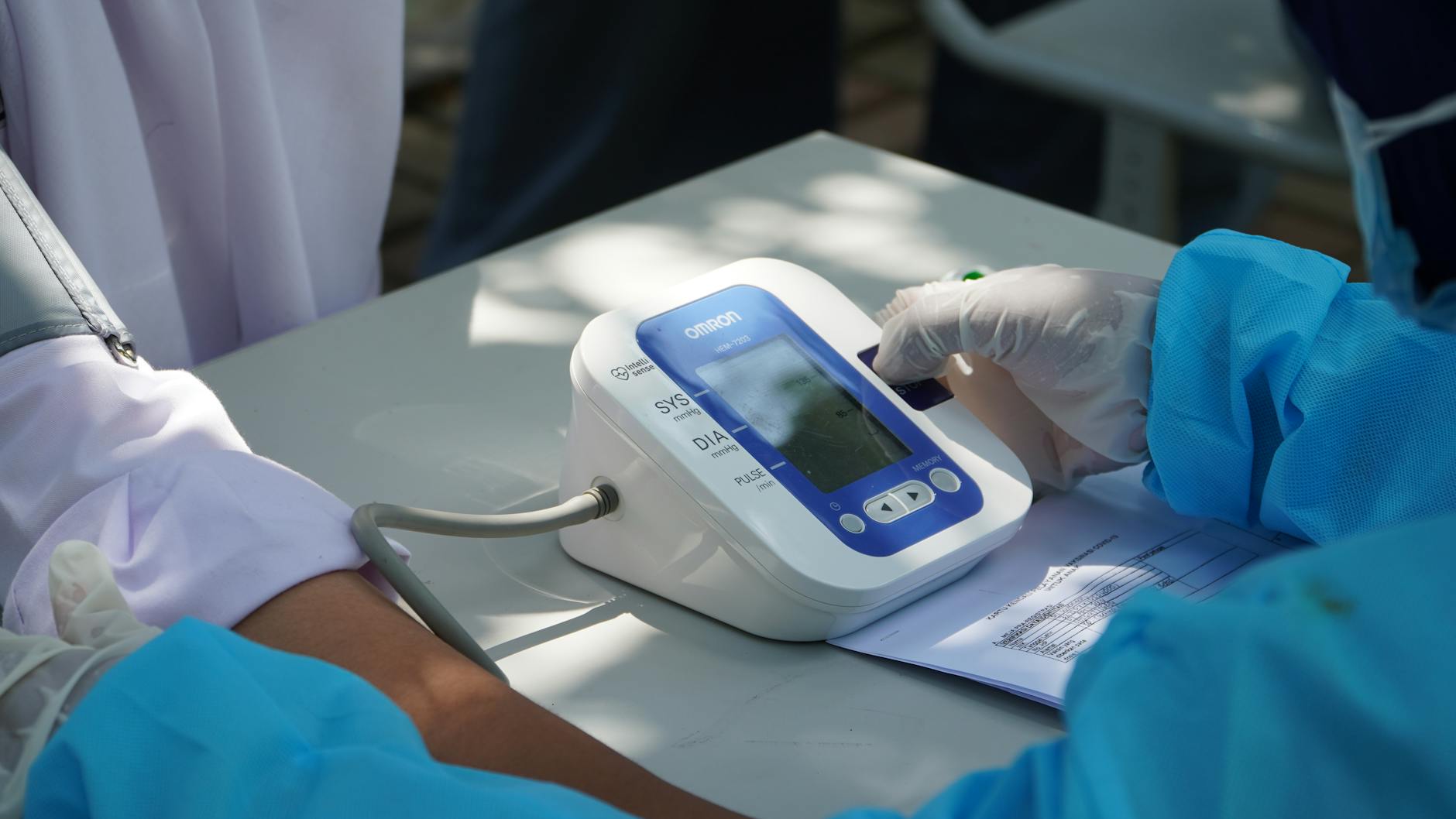
When you receive a blood pressure reading, you’re presented with two numbers, typically written as a fraction, such as 120/80 mmHg. For many, these numbers can seem like an inscrutable code, yet understanding them is foundational to comprehending your cardiovascular health. The top number is your systolic blood pressure, and the bottom number is your diastolic blood pressure. Each plays a distinct, vital role in reflecting the health of your circulatory system.
Systolic blood pressure measures the pressure in your arteries when your heart beats and pumps blood out. It’s the peak pressure exerted on your artery walls. Think of it as the force the heart generates to push blood through the body. A high systolic number can indicate that your heart is working too hard, or that your arteries are stiffening, making it more difficult for blood to flow freely. This pressure is critical because it reflects the immediate force your blood vessels must withstand with each heartbeat. It’s often considered a more significant risk factor for cardiovascular disease in people over 50 because systolic blood pressure tends to rise steadily with age due to the hardening of arteries and plaque buildup. Understanding this number helps you and your healthcare provider assess the strain on your heart and vessels during the most active phase of the cardiac cycle.
Diastolic blood pressure, on the other hand, measures the pressure in your arteries when your heart rests between beats. This is the minimum pressure in your arteries, reflecting the time when your heart is filling with blood. It indicates the residual pressure in your circulatory system when the heart is not actively contracting. A high diastolic number can suggest that your arteries are under constant tension, even during the heart's resting phase. This sustained pressure can also contribute to arterial damage over time. While systolic pressure often gets more attention, diastolic pressure is equally important, especially for younger individuals, and provides crucial information about the elasticity and resistance within your blood vessels when the heart is relaxed. Both numbers together paint a complete picture of your circulatory health, offering insights into how efficiently your heart is working and how flexible and healthy your arteries are. Ignoring either number would be like trying to understand a story by reading only half the chapters. Together, they provide a comprehensive look at the forces at play within your vascular system and are essential for
preventing heart disease. Regular monitoring and understanding both systolic and diastolic values are the first steps toward proactive health management.
Understanding Blood Pressure Categories: What Your Numbers Mean for Your Health
 Photo: Thirdman / Pexels
Once you have your blood pressure reading, the next crucial step is to understand what category those numbers fall into. Medical professionals use specific ranges to classify blood pressure, which helps in determining a diagnosis and the appropriate course of action. These categories are established by organizations like the American Heart Association (AHA) and the American College of Cardiology (ACC), and they serve as a universal guide for healthcare providers and patients alike. Knowing your category empowers you to engage more effectively with your healthcare team and make informed decisions about your health.
Let's break down the current blood pressure categories for adults, as defined by the AHA/ACC:
* **Normal Blood Pressure:** A reading of less than 120 mmHg systolic AND less than 80 mmHg diastolic is considered normal. This is the ideal range, indicating a healthy cardiovascular system with minimal strain on your arteries. Maintaining these numbers through a healthy lifestyle is key to long-term well-being.
* **Elevated Blood Pressure:** This category is defined by a systolic pressure between 120-129 mmHg AND a diastolic pressure of less than 80 mmHg. While not yet high blood pressure, elevated readings signal an increased risk of developing hypertension in the future. It’s a warning sign, urging you to adopt healthier habits such as a balanced diet, regular exercise, and stress management to prevent progression to full-blown hypertension. Many doctors will recommend lifestyle modifications at this stage, as it's a critical window for intervention.
* **Hypertension Stage 1:** If your systolic pressure is between 130-139 mmHg OR your diastolic pressure is between 80-89 mmHg, you are in Hypertension Stage 1. At this stage, your doctor may recommend lifestyle changes and, in some cases, consider medication, especially if you have other risk factors for heart disease. It's important to remember that 'OR' means if either number falls into this range, you are classified as Stage 1. This stage marks a more serious concern, as sustained pressures in this range can begin to cause damage to blood vessels and organs over time.
* **Hypertension Stage 2:** This is diagnosed when your systolic pressure is 140 mmHg or higher OR your diastolic pressure is 90 mmHg or higher. Stage 2 hypertension typically warrants a combination of lifestyle changes and blood pressure medication to bring the numbers down and reduce the risk of serious complications like heart attack, stroke, and kidney disease. Consistent readings in this range require prompt medical attention and a more aggressive management plan.
* **Hypertensive Crisis:** This is a medical emergency. If your blood pressure suddenly exceeds 180/120 mmHg, you need immediate medical attention. If you experience symptoms such as chest pain, shortness of breath, back pain, numbness/weakness, or changes in vision, call 911 immediately. Even without symptoms, a reading this high requires urgent evaluation. This category signifies severe risk of organ damage and is a life-threatening situation. Understanding these categories is not about memorizing numbers, but about recognizing the implications for your health and knowing when to act. Regular self-monitoring and open communication with your doctor are paramount to navigating these classifications effectively and maintaining optimal health.
Factors Influencing Your Blood Pressure Readings and Accurate Measurement Techniques
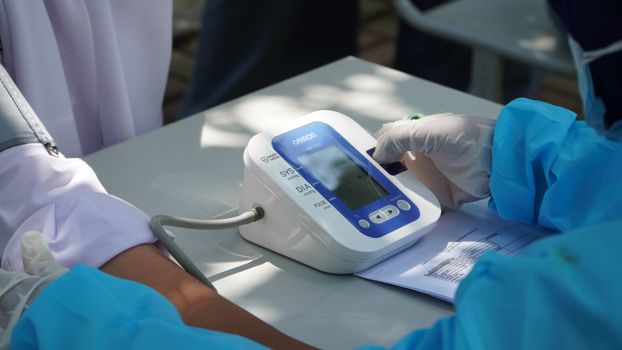 Photo: Ahmad Taufik / Pexels
Blood pressure readings are not static; they can fluctuate throughout the day and be influenced by a myriad of factors. Understanding these variables is crucial for obtaining accurate measurements and interpreting them correctly. Many people get anxious at the doctor's office, leading to what's known as 'white coat hypertension,' where readings are temporarily elevated. Conversely, some individuals may have 'masked hypertension,' where their blood pressure is normal in the clinic but high at home. Recognizing these nuances helps in getting a true picture of your average blood pressure and avoiding misdiagnosis.
Several factors can temporarily impact your blood pressure. For instance, physical activity can elevate readings, so it’s recommended to rest for at least 5 minutes before a measurement. Caffeine and nicotine consumption can also cause a temporary spike; therefore, avoiding them for at least 30 minutes prior to a reading is advisable. Stress, anxiety, and even emotions like excitement can significantly affect your numbers. Certain medications, both prescription and over-the-counter (like decongestants), can also influence blood pressure. Even the time of day matters, as blood pressure naturally tends to be lower at night and higher in the morning. Furthermore, your posture, arm position, and even a full bladder can subtly alter readings. For example, crossing your legs can increase systolic pressure by 2-8 mmHg, and having your arm unsupported can add 10 mmHg to the reading. Being aware of these influences helps you prepare for a more accurate measurement.
To ensure the most accurate blood pressure readings, especially when monitoring at home, follow these guidelines:
1. **Preparation is Key:** Avoid caffeine, alcohol, and tobacco for at least 30 minutes before measuring. Empty your bladder and bowel beforehand, as a full bladder can elevate readings.
2. **Proper Positioning:** Sit quietly for at least 5 minutes before taking a reading. Sit with your back supported and your feet flat on the floor, uncrossed. Your arm should be supported on a flat surface at heart level. The middle of the cuff should be directly over your brachial artery.
3. **Correct Cuff Size:** Use a blood pressure cuff that fits properly. A cuff that is too small will give an artificially high reading, while one that is too large can give an artificially low reading. The cuff should cover about 80% of your upper arm.
4. **Take Multiple Readings:** Take at least two readings, one minute apart, and average the results. If the first reading is unusually high, wait a few minutes and take another. Some doctors recommend taking three readings and discarding the first one.
5. **Consistency:** Measure your blood pressure at the same time each day, ideally in the morning before medication and again in the evening. Keeping a log of your readings can provide valuable data for your doctor.
6. **Environment:** Ensure a quiet, comfortable environment. Talking or moving during a reading can affect the results.
By diligently following these techniques, you can significantly improve the reliability of your blood pressure measurements, providing your doctor with the most accurate data to make informed decisions about your
cardiovascular health management. This proactive approach to accurate monitoring is a cornerstone of effective hypertension management.
Lifestyle Changes and When to Seek Medical Intervention for Hypertension
 Photo: SHVETS production / Pexels
Understanding your blood pressure readings is a crucial first step, but the ultimate goal is to manage those numbers effectively. For many, especially those with elevated blood pressure or Hypertension Stage 1, significant improvements can be achieved through targeted lifestyle modifications. These changes are not just recommendations; they are powerful tools that can reduce your reliance on medication, prevent the progression of hypertension, and drastically lower your risk of heart attack, stroke, and kidney disease. Embracing these habits means making a conscious commitment to your long-term health.
**Key Lifestyle Changes for Blood Pressure Management:**
* **Dietary Adjustments (DASH Diet):** The Dietary Approaches to Stop Hypertension (DASH) diet is highly recommended. It emphasizes fruits, vegetables, whole grains, lean protein, and low-fat dairy, while limiting saturated and trans fats, cholesterol, sodium, and sugary drinks. Reducing sodium intake to less than 2,300 milligrams per day (and ideally to 1,500 mg for most adults) is particularly impactful.
* **Regular Physical Activity:** Aim for at least 150 minutes of moderate-intensity aerobic exercise or 75 minutes of vigorous-intensity exercise per week. This could include brisk walking, jogging, cycling, swimming, or dancing. Regular exercise strengthens your heart, making it more efficient at pumping blood, which in turn lowers blood pressure.
* **Maintain a Healthy Weight:** Losing even a small amount of weight if you are overweight or obese can make a significant difference in your blood pressure. For every 20 pounds lost, systolic blood pressure can drop by 5-20 mmHg.
* **Limit Alcohol Consumption:** If you drink alcohol, do so in moderation. For healthy adults, that means up to one drink per day for women and up to two drinks per day for men. Excessive alcohol intake can raise blood pressure.
* **Quit Smoking:** Smoking damages blood vessel walls and accelerates the hardening of arteries, directly contributing to high blood pressure. Quitting smoking is one of the most impactful steps you can take for your cardiovascular health.
* **Stress Management:** Chronic stress can contribute to high blood pressure. Practice stress-reducing techniques such as meditation, deep breathing exercises, yoga, spending time in nature, or engaging in hobbies.
**When to Seek Medical Intervention:**
While lifestyle changes are foundational, they may not always be sufficient, especially for higher stages of hypertension. It's crucial to know when to seek or intensify medical intervention:
* **Consistent Elevated Readings:** If your home blood pressure readings are consistently in the elevated range (120-129/less than 80 mmHg) despite initial lifestyle changes, discuss this with your doctor. They may recommend more aggressive lifestyle interventions or closer monitoring.
* **Hypertension Stage 1:** If you are diagnosed with Hypertension Stage 1 (130-139/80-89 mmHg), your doctor will likely recommend lifestyle changes. However, if you have other risk factors for cardiovascular disease (like diabetes, kidney disease, or a history of heart attack/stroke), medication may be considered alongside lifestyle modifications.
* **Hypertension Stage 2:** For readings consistently at 140/90 mmHg or higher, medication is almost always recommended in conjunction with lifestyle changes. This stage carries a significantly higher risk of complications, and prompt, aggressive management is essential.
* **Hypertensive Crisis:** As mentioned earlier, a reading of 180/120 mmHg or higher is a medical emergency. Seek immediate medical attention. Do not wait to see if the numbers go down on their own.
* **Symptoms:** If you experience symptoms like severe headache, chest pain, vision changes, difficulty breathing, or numbness/weakness along with high blood pressure, seek emergency care.
Regular follow-ups with your healthcare provider are vital to monitor your blood pressure, adjust treatments as needed, and address any concerns. Your doctor can help you create a personalized management plan that integrates both lifestyle changes and, if necessary, medication to keep your blood pressure under control.