✓ Telemedicine can reduce hospitalizations for chronic conditions by up to 25%.
✓ Over 75% of chronic disease patients report satisfaction with telehealth services.
✓ Remote monitoring significantly improves adherence to treatment plans.
✓ Virtual care offers greater accessibility, especially in rural areas and for mobility-impaired individuals.
How It Works
1
Initial Consultation & Assessment
Schedule a virtual appointment with a healthcare provider specializing in your chronic condition. They will review your medical history and current symptoms to understand your needs.
2
Personalized Treatment Plan
Based on the assessment, the provider will develop a tailored treatment plan, which may include medication management, lifestyle recommendations, and remote monitoring. This plan is designed specifically for your unique situation.
3
Ongoing Monitoring & Support
Utilize remote monitoring devices (if applicable) and regular virtual follow-ups to track your progress and adjust your care as needed. This continuous support helps manage your condition effectively.
4
Prescription Refills & Referrals
Receive electronic prescriptions sent directly to your pharmacy and get referrals to specialists when necessary. Your care team ensures seamless coordination of all your healthcare needs.
The Evolution of Chronic Disease Management Through Telehealth
Photo: Gustavo Fring / Pexels
Chronic conditions, such as diabetes, heart disease, hypertension, asthma, and chronic obstructive pulmonary disease (COPD), impact millions of Americans, demanding ongoing and often complex care. Traditionally, managing these conditions has involved frequent in-person doctor visits, specialist appointments, and trips to the pharmacy, which can be time-consuming, costly, and physically demanding. However, the landscape of healthcare is rapidly transforming, with telemedicine services for chronic conditions emerging as a pivotal solution. This innovative approach leverages digital communication technologies to deliver healthcare remotely, fundamentally reshaping how chronic illnesses are managed and experienced. By bridging geographical gaps and offering unparalleled convenience, telehealth has moved from a supplementary service to an indispensable component of modern chronic care. It's not merely about replacing in-person visits; it's about enhancing the entire care continuum, making healthcare more accessible, efficient, and patient-centric. The shift towards virtual care has been accelerated by technological advancements and a growing recognition of its potential to improve health outcomes, particularly for those facing barriers to traditional medical access. Understanding the benefits of telemedicine is crucial for anyone living with a chronic condition or caring for someone who does.
One of the most significant advantages of integrating telemedicine into chronic disease management is the increased continuity of care. Patients can connect with their healthcare providers from the comfort of their homes, reducing the burden of travel, parking, and waiting room times. This convenience encourages greater adherence to treatment plans and more frequent check-ins, which are vital for conditions that require constant monitoring and adjustments. For example, a diabetic patient can easily share blood glucose readings and discuss diet modifications with their endocrinologist via a video call, receiving immediate feedback without disrupting their daily routine. Similarly, individuals with hypertension can transmit blood pressure data through connected devices, allowing their cardiologist to track trends and intervene proactively. This proactive approach helps prevent acute exacerbations and hospitalizations, leading to better long-term health outcomes. Furthermore, telemedicine platforms often incorporate educational resources, empowering patients with knowledge about their condition and self-management strategies. This patient empowerment is a cornerstone of effective chronic care, fostering a sense of control and participation in one's health journey. The ability to quickly consult with a specialist or primary care physician without extensive scheduling delays means that concerns can be addressed promptly, preventing minor issues from escalating into major health crises. This comprehensive, integrated approach signifies a new era in chronic disease management, one where technology serves as a powerful ally in promoting sustained well-being and a higher quality of life for those living with chronic conditions.
Key Advantages of Virtual Care for Long-Term Health Management
Photo: Gustavo Fring / Pexels
The adoption of telemedicine for chronic conditions brings forth a multitude of advantages that directly address the unique challenges faced by patients and healthcare providers alike. Foremost among these is enhanced accessibility. For individuals residing in rural or underserved areas where specialist physicians are scarce, virtual consultations open up a world of expertise that was previously out of reach. Similarly, for patients with mobility issues or those who are immunocompromised, telemedicine eliminates the physical barriers to receiving essential care, ensuring they can maintain their health without undue risk or hardship. This democratizes access to high-quality medical attention, ensuring that geographical location or physical limitations no longer dictate the standard of care received. Beyond accessibility, the convenience factor cannot be overstated. Imagine managing your medication refills, discussing symptoms, or reviewing test results from your living room, during a lunch break, or even while traveling. This flexibility is a game-changer for individuals juggling work, family responsibilities, and the demands of chronic illness. It significantly reduces missed appointments and improves patient adherence to treatment plans, as the friction associated with traditional healthcare visits is largely removed.
Another critical advantage is the potential for cost savings. While the initial setup for some remote monitoring devices might have a cost, the long-term savings can be substantial. Patients can save on transportation costs, parking fees, and time off work, which collectively add up. For healthcare systems, telemedicine can lead to reduced emergency room visits and hospitalizations by facilitating proactive management and early intervention, thereby lowering overall healthcare expenditures. The ability to monitor vital signs and other health metrics remotely allows providers to track a patient's condition continuously and in real-time. This remote monitoring feature is particularly beneficial for conditions like heart failure or diabetes, where subtle changes can indicate a need for intervention. Wearable devices and connected health tools can automatically transmit data to the care team, providing a comprehensive picture of the patient's health trends over time. This continuous data stream enables more informed clinical decisions and personalized adjustments to treatment, often before a patient even realizes a problem is brewing. Furthermore, telemedicine fosters a stronger patient-provider relationship built on consistent communication and mutual understanding. Patients often feel more comfortable and open discussing sensitive health issues from their own environment, leading to more honest and productive conversations. This collaborative approach empowers patients to take a more active role in their health management, fostering greater self-efficacy and better health outcomes.
Integrating Remote Monitoring and Digital Tools into Chronic Care
Photo: Stephen Andrews / Pexels
The true power of telemedicine services for chronic conditions lies in its seamless integration with advanced digital tools and remote patient monitoring (RPM) technologies. These innovations have revolutionized how chronic illnesses are tracked, managed, and understood, moving beyond episodic care to a model of continuous oversight. RPM involves the use of digital technologies to collect health data from individuals in one location and electronically transmit that information securely to healthcare providers in a different location for assessment and recommendations. This can include a wide array of devices, such as blood pressure cuffs, glucometers, pulse oximeters, smart scales, and even advanced wearable sensors that track heart rate, activity levels, and sleep patterns. For patients with conditions like hypertension, daily blood pressure readings can be automatically sent to their doctor, who can then adjust medication dosages based on real-time trends rather than relying on less frequent, in-office measurements. Similarly, diabetic patients can log their blood glucose levels, diet, and insulin dosages into a connected app, providing their endocrinologist with a comprehensive view of their glycemic control.
The data gathered through RPM is not just raw numbers; it provides actionable insights. Artificial intelligence and machine learning algorithms can analyze these vast datasets to identify patterns, predict potential complications, and flag urgent issues, allowing healthcare providers to intervene proactively. This predictive capability is invaluable in preventing acute exacerbations, reducing emergency room visits, and ultimately improving the patient's quality of life. Beyond just monitoring, digital tools also facilitate medication management through reminders and adherence tracking, helping patients stay on schedule with their prescriptions. Educational modules embedded within telehealth platforms offer personalized content, empowering patients to better understand their condition and self-management strategies. For instance, a patient with COPD might receive video tutorials on proper inhaler technique or breathing exercises. The future of healthcare is undeniably digital, and chronic care is at the forefront of this transformation. Furthermore, these platforms often include secure messaging features, allowing patients to communicate asynchronously with their care team, asking questions or reporting minor concerns without needing a full appointment. This continuous loop of data collection, analysis, communication, and intervention creates a highly responsive and personalized care environment. It transforms patients from passive recipients of care into active participants, equipped with the tools and knowledge to manage their conditions more effectively. The integration of these technologies ensures that care is not only delivered remotely but is also smarter, more efficient, and more tailored to the individual needs of each patient, leading to significantly better health outcomes and a higher sense of security for those living with chronic conditions.
Choosing the Right Telemedicine Provider and Avoiding Common Pitfalls
Photo: www.kaboompics.com / Pexels
Navigating the landscape of telemedicine services for chronic conditions can be daunting, but with careful consideration, you can find a provider that perfectly suits your needs. The first step is to assess your specific chronic condition and its requirements. Do you need continuous remote monitoring for diabetes, or more frequent consultations for mental health conditions? Research providers who specialize in your particular illness, as their expertise will be invaluable. Look for platforms that offer a comprehensive suite of services, including virtual consultations, prescription management, access to specialists, and if applicable, integration with remote monitoring devices. Don't be afraid to ask about their technology – is it user-friendly? Is it secure and HIPAA-compliant? Data privacy is paramount when dealing with sensitive health information.
Here are some tips and common pitfalls to avoid when choosing and utilizing telemedicine services:
* **Verify Provider Credentials:** Ensure the healthcare professionals are licensed in your state and have experience with your specific chronic condition. Check reviews and testimonials from other patients.
* **Understand Insurance Coverage:** Telemedicine coverage varies widely. Contact your insurance provider beforehand to understand what services are covered, what your co-pays might be, and if there are any network restrictions. Don't assume all services are covered.
* **Assess Technology Requirements:** Make sure you have a reliable internet connection, a suitable device (smartphone, tablet, or computer), and comfort with basic digital interfaces. Some platforms may require specific apps or software.
* **Clarify Emergency Protocols:** Understand how your telemedicine provider handles urgent situations or medical emergencies. Know when to seek in-person care versus virtual care.
* **Communicate Clearly:** Prepare for your virtual appointments as you would for an in-person visit. Have your questions ready, be clear about your symptoms, and provide all relevant information, including medication lists.
* **Avoid Over-reliance on Asynchronous Communication:** While convenient, relying solely on messaging for complex issues might not always be sufficient. Ensure there are options for video consultations when necessary.
* **Don't Neglect In-Person Care When Needed:** Telemedicine is an excellent tool, but it doesn't replace the need for physical exams, certain diagnostic tests, or emergency care. Maintain a relationship with a local primary care provider for these situations.
* **Review Data Sharing Policies:** Understand how your health data is collected, stored, and shared. Opt for platforms with robust security measures and clear privacy policies.
By being proactive and informed, you can effectively leverage telemedicine to enhance your chronic condition management and improve your overall health outcomes.
Comparison
Feature
Dedicated Chronic Care Telehealth Platform
General Telehealth Service
Traditional In-person Care
Specialization for Chronic Conditions
High (disease-specific programs)
Moderate (general practitioners)
High (specialist visits)
Remote Monitoring Integration
Extensive (wearables, connected devices)
Limited (basic symptom tracking)
None (patient self-report)
Continuity of Care
Excellent (dedicated care team, regular follow-ups)
Good (on-demand, varied providers)
Good (scheduled appointments)
Convenience & Accessibility
Excellent (home-based, flexible scheduling)
Excellent (on-demand, broad availability)
Moderate (travel, scheduling constraints)
Prescription Management
Comprehensive (refills, adjustments)
Standard (basic refills)
Comprehensive (in-office)
Cost-Effectiveness
Potentially High Savings (reduced hospitalizations)
Moderate (lower co-pays)
Variable (travel, time off work)
Emergency Protocols
Clear (integrated with local emergency services)
Variable (referral to ER)
Direct (ER access)
Patient Education Resources
Extensive (personalized, condition-specific)
Basic (general health info)
Limited (provider discussion)
What Readers Say
★★★★★
"Managing my Type 2 diabetes has been so much easier with my telemedicine service. I can send my blood sugar readings daily, and my doctor gives immediate feedback. It's truly revolutionized how I manage my chronic condition."
Sarah J. · Austin, TX
★★★★★
"Living in a remote area, access to a cardiologist was always a challenge for my heart condition. Telemedicine services for chronic conditions connected me with top specialists, and I've never felt more supported in my care."
Michael R. · Rural, ME
★★★★★
"My asthma used to land me in the ER frequently. Since starting with a telehealth provider for my chronic condition, my inhaler technique has improved, and I've had zero ER visits in the last year. The continuous monitoring truly makes a difference."
Emily P. · Chicago, IL
★★★★★
"While I still appreciate the occasional in-person check-up, the convenience of virtual appointments for my hypertension management is undeniable. It saves me so much time, though I sometimes miss the personal touch of a physical exam."
David L. · Phoenix, AZ
★★★★★
"As a busy working mom with Crohn's disease, fitting in doctor's appointments was a nightmare. Telemedicine allows me to consult with my gastroenterologist from home, making my chronic condition management stress-free and efficient."
Jessica M. · Seattle, WA
Frequently Asked Questions
Are telemedicine services for chronic conditions covered by insurance in the US?
Yes, many private insurance plans, Medicare, and Medicaid now cover telemedicine services for chronic conditions, especially since the COVID-19 pandemic. Coverage can vary by state, plan, and the specific service provided. It's crucial to contact your insurance provider directly to understand your benefits, potential co-pays, and any network restrictions before starting services.
Is virtual care effective for managing complex chronic diseases?
Absolutely. Numerous studies have shown that virtual care can be highly effective for managing complex chronic diseases. It allows for more frequent monitoring, timely interventions, and consistent communication between patients and providers, which are all critical for optimal chronic disease management. Remote monitoring devices further enhance this effectiveness by providing real-time data.
How do I get started with telemedicine for my chronic condition?
To get started, first identify your specific needs and the chronic condition you want to manage. Research telemedicine providers or platforms that specialize in that area. You'll typically register online, provide your medical history, and then schedule your first virtual consultation. Many platforms also assist with insurance verification and setting up any necessary remote monitoring equipment.
Are telemedicine services for chronic conditions more expensive than traditional care?
Not necessarily. While initial setup for some remote monitoring tools might have a cost, telemedicine often proves more cost-effective in the long run. It reduces expenses related to travel, parking, and time off work. Additionally, by enabling proactive management and preventing acute exacerbations, it can significantly lower overall healthcare costs, including fewer emergency room visits and hospitalizations.
How does telemedicine compare to in-person care for chronic conditions?
Telemedicine complements, rather than fully replaces, in-person care for chronic conditions. It excels in areas like continuous monitoring, medication management, and routine follow-ups, offering unparalleled convenience and accessibility. However, certain aspects, such as physical examinations, specific diagnostic tests, or emergency care, still require in-person attention. The best approach often involves a hybrid model combining both.
Who should consider using telemedicine services for chronic conditions?
Anyone living with a chronic condition, such as diabetes, hypertension, heart disease, asthma, or COPD, can benefit. It's particularly advantageous for individuals in rural areas, those with mobility challenges, busy professionals, or anyone seeking greater convenience, consistency, and proactive management of their health from home.
What are the privacy and security measures for telemedicine platforms?
Reputable telemedicine platforms adhere strictly to HIPAA (Health Insurance Portability and Accountability Act) guidelines, ensuring the privacy and security of your health information. This includes using encrypted communication, secure data storage, and robust authentication protocols. Always choose providers that explicitly state their commitment to patient data privacy and security.
What future trends can I expect in telemedicine for chronic care?
The future of telemedicine for chronic care is bright, with trends pointing towards even more personalized and integrated solutions. Expect advancements in AI-powered diagnostics, more sophisticated wearable devices, virtual reality for therapy and rehabilitation, and greater integration with smart home technology. The focus will be on even more seamless data flow and predictive analytics to prevent health crises.
Embrace the future of healthcare and take control of your chronic condition management today. Explore how telemedicine services for chronic conditions can provide you with convenient, continuous, and personalized care, leading to a healthier, more empowered life.

 Photo: Gustavo Fring / Pexels
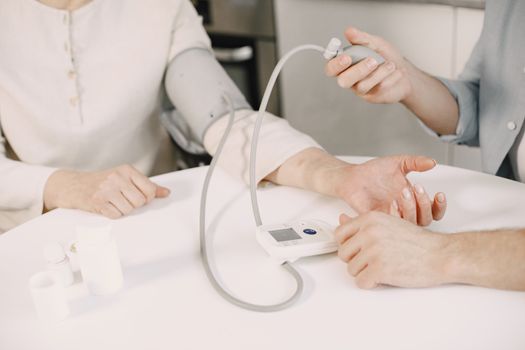 Photo: Gustavo Fring / Pexels
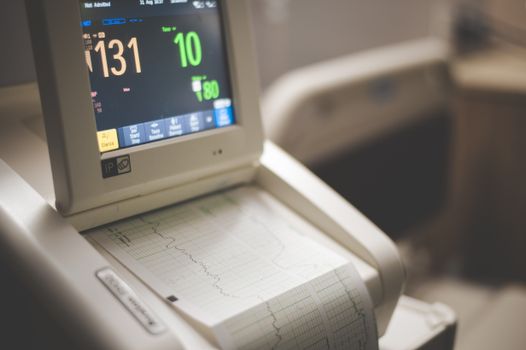 Photo: Stephen Andrews / Pexels
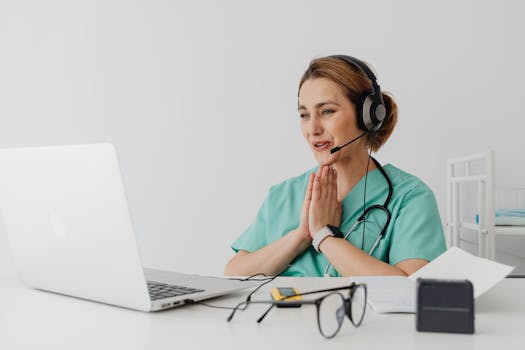 Photo: www.kaboompics.com / Pexels