✓ Telemedicine platforms have expanded access to mental healthcare for millions across the US.
✓ Many platforms offer a range of services, including therapy, psychiatry, and medication management.
✓ Privacy and data security are paramount, with platforms adhering to HIPAA compliance.
✓ Costs can vary, with some platforms accepting insurance and others operating on a subscription model.
How It Works
1
Choose Your Platform
Research and select a telemedicine platform that aligns with your specific mental health needs, budget, and insurance coverage. Consider factors like therapist specialization, service offerings, and user reviews.
2
Complete Intake & Matching
Fill out an initial assessment about your mental health history, symptoms, and preferences. The platform will then match you with a suitable licensed therapist or psychiatrist based on this information.
3
Schedule & Connect
Book your first virtual session at a time convenient for you, usually through the platform's secure portal. Connect with your provider via video call, phone call, or secure messaging, all from the comfort of your home.
4
Receive Ongoing Care
Engage in regular sessions, receive personalized treatment plans, and track your progress. Your provider may offer medication management, coping strategies, and ongoing support to help you achieve your mental wellness goals.
The Rise of Telemedicine Platforms for Mental Health: A New Era of Access
Photo: Pavel Danilyuk / Pexels
The landscape of mental healthcare has undergone a profound transformation in recent years, largely driven by technological advancements and an increasing recognition of the need for accessible support. Telemedicine platforms for mental health have emerged as a cornerstone of this evolution, dismantling traditional barriers to care and offering a lifeline to millions of Americans. Historically, seeking mental health support often involved navigating complex scheduling, long wait times, geographical limitations, and the stigma associated with in-person visits. For individuals in rural areas, those with mobility challenges, or people with demanding schedules, consistent therapy or psychiatric care was often an unattainable luxury. The advent of virtual platforms has fundamentally reshaped this paradigm, democratizing access to professional mental health services.
These platforms utilize secure video conferencing, phone calls, and text-based messaging to connect patients with licensed therapists, psychiatrists, and counselors. This flexibility allows individuals to receive care from the comfort and privacy of their own homes, during lunch breaks, or even while traveling. The convenience factor is immense, eliminating commute times, parking hassles, and the need to take significant time off work or other responsibilities. Furthermore, the anonymity afforded by online interactions can reduce the perceived stigma, encouraging more individuals to seek help earlier in their mental health journey. This proactive approach can prevent conditions from escalating and lead to better long-term outcomes. The sheer breadth of specialists available through these platforms is also a significant advantage. Unlike a local practice that might have a limited number of providers, telemedicine platforms often boast extensive networks, increasing the likelihood of finding a therapist who specializes in specific conditions, cultural backgrounds, or therapeutic approaches, such as Cognitive Behavioral Therapy (CBT), Dialectical Behavior Therapy (DBT), or psychodynamic therapy. The ability to choose a provider who truly understands and resonates with an individual's unique needs is crucial for effective treatment. Moreover, many platforms offer asynchronous communication options, such as secure messaging, allowing for continuous support and check-ins between scheduled sessions, fostering a more integrated and responsive care model. This continuous engagement can be particularly beneficial for managing acute symptoms or providing immediate support during challenging times. The integration of technology also extends to features like mood tracking, journaling prompts, and educational resources, empowering users to take a more active role in their mental well-being. These tools can help individuals develop self-awareness, practice coping mechanisms, and monitor their progress, making the therapeutic process more engaging and effective. The robust infrastructure of these platforms ensures that all communications are encrypted and adhere to stringent privacy regulations, such as HIPAA, providing a secure and confidential environment for sensitive discussions. This commitment to privacy is fundamental to building trust and encouraging open communication between patients and providers. The expansion of these services has not only made mental health care more accessible but also more equitable, reaching populations previously underserved by traditional healthcare models. This shift represents a pivotal moment in public health, redefining how individuals perceive and engage with mental wellness support. For a deeper dive into the broader impacts of this digital revolution, explore how telehealth is transforming healthcare delivery across various medical fields.
Navigating the Options: Types of Telemedicine Platforms and Services
Photo: https://kaboompics.com/ / Pexels
The market for telemedicine platforms for mental health is diverse, offering a spectrum of services tailored to various needs and preferences. Understanding these distinctions is key to selecting the platform that best fits your individual circumstances. Broadly, these platforms can be categorized by the type of care they offer and their operational models. Some platforms specialize exclusively in therapy, connecting users with licensed professional counselors (LPCs), licensed marriage and family therapists (LMFTs), and licensed clinical social workers (LCSWs). These platforms are ideal for individuals seeking talk therapy to address issues like anxiety, depression, relationship problems, grief, or stress management. They often provide various therapeutic modalities, allowing patients to find a therapist whose approach aligns with their goals. The focus here is on developing coping strategies, processing emotions, and fostering personal growth through verbal interaction and guided introspection.
Other platforms offer a more comprehensive approach, integrating both therapy and psychiatric services, including medication management. These platforms are particularly beneficial for individuals who may require pharmacotherapy in addition to talk therapy for conditions such as severe depression, bipolar disorder, ADHD, or certain anxiety disorders. Having both services under one roof can streamline care, as therapists and psychiatrists can often coordinate directly, ensuring a cohesive and integrated treatment plan. This integrated model reduces the administrative burden on the patient and ensures that all aspects of their mental health are being addressed by a coordinated team. Furthermore, some platforms focus on specific demographics or conditions, such as platforms for LGBTQ+ individuals, platforms specializing in perinatal mental health, or those dedicated to substance use recovery. This specialization can provide a more nuanced and culturally competent level of care, as providers on these platforms often have specific training and experience in these niche areas. The level of communication offered also varies. While most platforms provide video sessions, some heavily emphasize asynchronous messaging, allowing users to communicate with their therapist throughout the week via text or audio messages. This can be a flexible option for those who prefer written communication or have schedules that make live sessions difficult. However, it's important to consider whether this format provides the depth of interaction necessary for your specific needs.
Subscription models are common, where users pay a recurring fee for a certain number of sessions or unlimited messaging. Other platforms operate on a per-session fee basis, similar to traditional in-person therapy, but with the added convenience of virtual access. Many platforms are increasingly accepting insurance, which significantly reduces out-of-pocket costs for users. It's crucial to verify your insurance coverage directly with the platform or your insurance provider before committing to a service. Some platforms also offer employee assistance programs (EAPs) or partnerships with educational institutions, providing mental health benefits through employers or schools. When evaluating platforms, consider the credentials and licensing of their providers, the security measures in place for data protection, the ease of use of their interface, and their customer support. A good platform will be transparent about its processes, costs, and the qualifications of its mental health professionals. The vast array of choices means there's likely a suitable platform for nearly everyone, making mental health support more attainable than ever before.
Benefits and Considerations: Maximizing Your Virtual Mental Health Journey
Photo: Tima Miroshnichenko / Pexels
The advantages of utilizing telemedicine platforms for mental health are numerous and compelling, making them an increasingly preferred choice for many seeking support. Foremost among these benefits is unparalleled accessibility. Geographic location is no longer a barrier; individuals in remote areas or those with limited local mental health resources can connect with highly qualified professionals across state lines (within licensing regulations). This expanded reach means a greater chance of finding a specialist who truly fits your needs, rather than being limited to whoever is available nearby. The convenience offered by these platforms also cannot be overstated. Sessions can be scheduled around work, family, and personal commitments, eliminating travel time and the stress associated with commuting. This flexibility often leads to higher adherence rates to treatment plans, as patients are more likely to attend appointments when they are easily integrated into their daily lives. The comfort and privacy of receiving therapy from a familiar environment, such as one's own home, can also foster a greater sense of ease and openness, which is crucial for effective therapeutic work. For individuals who experience social anxiety or discomfort in clinical settings, virtual care provides a less intimidating entry point into mental health support.
However, while the benefits are substantial, there are important considerations to keep in mind to maximize the effectiveness of your virtual mental health journey. One key aspect is ensuring a secure and private environment for your sessions. While platforms are HIPAA compliant, your physical environment also plays a role. Choose a quiet, private space where you won't be interrupted and where sensitive conversations cannot be overheard. Reliable internet access and appropriate technology (a computer or smartphone with a camera and microphone) are also essential for smooth, uninterrupted sessions. Technical glitches can be disruptive and detract from the therapeutic process. It's also important to understand the limitations of virtual care. For individuals experiencing severe mental health crises, such as active suicidal ideation, psychosis, or severe substance dependence, telemedicine platforms may not be the most appropriate first line of defense. In such cases, immediate in-person care, emergency services, or hospitalization may be necessary. Many platforms have protocols for handling emergencies, but it's crucial for users to be aware of these and to know when to seek higher levels of care. The therapeutic relationship, often referred to as the 'therapeutic alliance,' is a critical predictor of treatment success. While many studies show that strong alliances can be formed virtually, some individuals may find it more challenging to connect with a therapist through a screen. It’s important to give the process time and communicate openly with your therapist if you feel a lack of connection. Don’t hesitate to explore other providers if the fit isn't right, as many platforms offer easy switching options.
Cost and insurance coverage are also significant considerations. While many platforms are becoming more insurance-friendly, out-of-pocket costs can still vary widely. Always confirm your specific benefits and any potential deductibles or co-pays before beginning treatment. Some platforms offer sliding scales or financial aid, so it’s worth inquiring about these options if cost is a concern. Finally, consider the integration of care. If you have other medical conditions or are seeing other healthcare providers, discuss with your mental health professional how they can coordinate care to ensure a holistic approach to your well-being. This integrated perspective is vital for comprehensive health management. For more details on patient rights and privacy in virtual settings, refer to resources on digital health privacy standards.
Choosing the Right Platform: Tips and Common Mistakes to Avoid
Photo: https://kaboompics.com/ / Pexels
Selecting the ideal telemedicine platform for mental health can feel overwhelming given the multitude of options. Making an informed decision is crucial for a successful and beneficial experience. Here are some essential tips and common mistakes to avoid:
**Tips for Choosing the Right Platform:**
* **Define Your Needs:** Before you start searching, identify what you're looking for. Do you need individual therapy, couples counseling, family therapy, psychiatry, or medication management? Are you dealing with a specific issue like trauma, ADHD, or eating disorders? Knowing your primary needs will narrow down your options significantly.
* **Check Provider Credentials and Licensing:** Ensure that all therapists and psychiatrists on the platform are fully licensed in your state. Most reputable platforms will clearly display this information. Don't be afraid to ask about their experience, specializations, and therapeutic approaches during an initial consultation or through the platform's matching process.
* **Understand Pricing and Insurance:** This is often a make-or-break factor. Verify if the platform accepts your health insurance. If not, understand the out-of-pocket costs, subscription models, or per-session fees. Some platforms offer financial aid or sliding scales, so inquire about these options. Be clear about what's included in the price (e.g., live sessions, messaging, group therapy).
* **Read Reviews and Testimonials:** While individual experiences vary, reviews can offer insights into a platform's user experience, ease of scheduling, quality of providers, and customer support responsiveness. Look for patterns in feedback rather than focusing on isolated incidents.
* **Assess Platform Features:** Does the platform offer video, phone, or text-based communication? Is there an easy-to-use app? Are there supplemental resources like journaling tools, mood trackers, or educational content? Consider what features would enhance your therapeutic journey.
* **Evaluate Crisis Protocols:** Understand how the platform handles emergencies or crisis situations. While telemedicine is excellent for ongoing care, it's not a substitute for emergency services. Ensure they have clear guidelines and resources for users in distress.
**Common Mistakes to Avoid:**
* **Ignoring Licensing Requirements:** A common mistake is assuming any therapist can practice across state lines. Mental health professionals must be licensed in the state where the patient is physically located during the session. Always confirm this to ensure your care is legally compliant and ethical.
* **Prioritizing Cost Over Fit:** While budget is important, choosing the cheapest option without considering provider quality, specialization, or therapeutic approach can lead to a less effective experience. A good therapeutic fit is paramount for progress.
* **Not Testing Your Technology:** Before your first session, ensure your internet connection is stable, your device's camera and microphone work, and you're familiar with the platform's interface. Technical issues can disrupt sessions and cause unnecessary stress.
* **Failing to Create a Private Space:** Conducting a session in a public place or where you can be easily overheard compromises your privacy and the confidentiality of your therapy. Always find a quiet, secure, and private environment for your appointments.
* **Hesitating to Switch Providers:** If you don't feel a strong connection with your initial therapist, don't feel obligated to continue. A good rapport is crucial. Most platforms make it relatively easy to switch providers until you find the right match.
* **Expecting Immediate Cures:** Mental health treatment is a journey, not a quick fix. Avoid the mistake of expecting instant results. Be patient, commit to the process, and communicate openly with your therapist about your expectations and progress. Choosing wisely will set the stage for a positive and productive mental health experience. By carefully considering these points, you can navigate the options effectively and find a platform that genuinely supports your path to mental wellness.
Comparison
Feature
BetterHelp
Talkspace
Amwell
MDLive
Service Focus
Therapy (video, phone, chat)
Therapy & Psychiatry
Therapy & Psychiatry
Therapy & Psychiatry
Provider Matching
Algorithm & manual
Algorithm & manual
User selection
User selection
Insurance Accepted
Limited, check directly
Yes, major plans
Yes, major plans
Yes, major plans
Cost Model
Subscription
Subscription
Per-session
Per-session
Crisis Support
Referrals
Referrals
Referrals
Referrals
Messaging Options
✓
✓
✗
✗
Psychiatry
✗
✓
✓
✓
What Readers Say
★★★★★
"I was hesitant about online therapy, but this platform made it so easy to connect with a therapist who truly understood my anxiety. The convenience of doing sessions from home has been a game-changer for my busy schedule."
Sarah J. · Austin, TX
★★★★★
"Finding a psychiatrist who accepted my insurance and was available quickly seemed impossible until I found a telemedicine platform. The medication management has been seamless, and I feel much more stable."
Mark D. · Chicago, IL
★★★★★
"After struggling with postpartum depression, this platform provided the discreet and accessible support I desperately needed. Within two months, I started feeling like myself again, thanks to my wonderful therapist."
Emily R. · Denver, CO
★★★★★
"The platform itself is very user-friendly, and I appreciate the flexibility. While it took a couple of tries to find the right therapist, the ability to switch easily was a huge plus, and I'm happy with my current provider."
David L. · Miami, FL
★★★★★
"As someone in a rural area, access to specialized mental health care was non-existent. My telemedicine platform connected me with a trauma-informed therapist, and it's been an invaluable resource for my healing journey."
Jessica M. · Seattle, WA
Frequently Asked Questions
Are telemedicine platforms for mental health as effective as in-person therapy?
Numerous studies, including those published by the American Psychological Association, indicate that online therapy and psychiatry can be as effective as traditional in-person care for a wide range of mental health conditions. The key is finding a good fit with your provider and engaging consistently in the therapeutic process.
Is my privacy protected when using telemedicine platforms for mental health?
Yes, reputable telemedicine platforms are legally required to be HIPAA (Health Insurance Portability and Accountability Act) compliant. This means they use secure, encrypted technology to protect your personal health information and ensure the confidentiality of your sessions. Always verify a platform's privacy policies.
How do I get matched with a therapist or psychiatrist on a telemedicine platform?
Most platforms use an initial assessment questionnaire where you provide information about your mental health history, symptoms, preferences, and goals. Based on this, an algorithm or a human matching specialist will connect you with a licensed professional who aligns with your needs. Many platforms also allow you to request a change if the initial match isn't suitable.
How much do telemedicine platforms for mental health cost, and is it covered by insurance?
Costs vary significantly, ranging from $60-$200+ per session or $200-$400+ per month for subscriptions. Many platforms now accept major insurance plans, but coverage depends on your specific policy and the platform's network. It's crucial to verify your insurance benefits directly with the platform or your provider before starting treatment.
How do telemedicine platforms for mental health compare to traditional in-person therapy?
Telemedicine platforms offer greater convenience, accessibility (especially for rural or mobility-limited individuals), and often more flexible scheduling. They can also reduce travel time and associated costs. Traditional therapy may offer a different interpersonal dynamic for some, but effectiveness is largely comparable. The best choice depends on individual preferences and needs.
Who should use telemedicine platforms for mental health?
Telemedicine platforms are ideal for individuals seeking convenient, confidential, and flexible mental health support for conditions like anxiety, depression, stress, relationship issues, or ADHD. They are suitable for those who prefer receiving care from home, have busy schedules, or live in areas with limited access to in-person specialists. However, for severe crises, in-person emergency care is recommended.
What if I have a mental health emergency while using a telemedicine platform?
Telemedicine platforms are designed for ongoing care, not immediate emergencies. If you are experiencing a mental health crisis, such as active suicidal ideation or severe self-harm urges, you should immediately call 911, go to your nearest emergency room, or contact a crisis hotline like the National Suicide Prevention Lifeline at 988. Reputable platforms will provide clear guidance on emergency protocols.
What are the future trends for telemedicine platforms in mental health?
Future trends include greater integration of AI for personalized care, enhanced virtual reality (VR) therapy experiences, more sophisticated data analytics for outcome tracking, and increased collaboration with primary care providers for holistic health. We can also expect further expansion of insurance coverage and specialization in niche mental health areas, making care even more tailored and accessible.
Embrace the future of mental wellness. Telemedicine platforms for mental health offer a powerful, accessible, and confidential path to support and healing. Take the first step towards a healthier mind today and discover the platform that's right for you.

 Photo: Pavel Danilyuk / Pexels
 Photo: https://kaboompics.com/ / Pexels
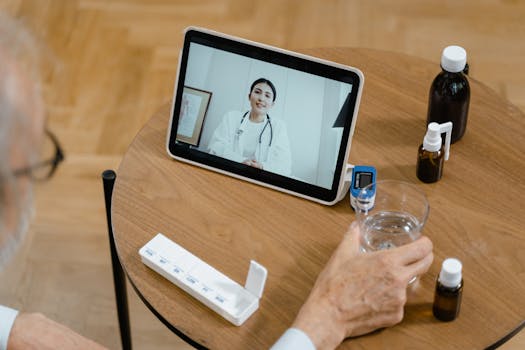 Photo: Tima Miroshnichenko / Pexels
 Photo: https://kaboompics.com/ / Pexels