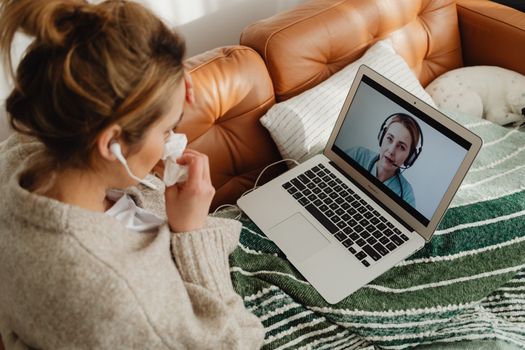
Unlock Healing: Telehealth Services for Mental Health
telehealth services for mental health

Unlock Healing: Telehealth Services for Mental Health

Access expert mental health care from the comfort and privacy of your home, transforming your well-being.

Find Your Support

Key Takeaways

  • ✓ Telehealth adoption for mental health surged significantly since 2020, becoming a primary mode of care for many.
  • ✓ Studies show telehealth mental health services are as effective as in-person care for a wide range of conditions.
  • ✓ Accessibility is a major benefit, bridging gaps for rural populations, those with mobility issues, or busy schedules.
  • ✓ Most major insurance providers now cover telehealth mental health services, often at the same rates as in-person visits.

How It Works

1
Initial Assessment & Provider Matching

You begin by completing an online questionnaire or having a brief consultation to assess your needs. This helps match you with a licensed mental health professional best suited to your specific concerns and preferences.

2
Secure Virtual Sessions

Once matched, you'll schedule your therapy or psychiatry sessions via a secure, HIPAA-compliant video conferencing platform. You can connect from anywhere with an internet connection, using a computer, tablet, or smartphone.

3
Personalized Treatment Plan

Your provider will work with you to develop a personalized treatment plan, which may include talk therapy, medication management, or a combination. Sessions focus on your goals, progress, and developing coping strategies.

4
Ongoing Support & Follow-up

Mental health care is an ongoing journey, and telehealth services facilitate continuous support. You'll have regular follow-up appointments and may have access to secure messaging for questions between sessions, ensuring consistent care.

The Unprecedented Rise of Virtual Mental Healthcare

The landscape of mental health support has undergone a profound transformation, particularly in recent years. What was once considered a niche or supplementary service, telehealth services for mental health have rapidly ascended to become a cornerstone of modern care delivery. This shift, accelerated by global events, has not merely been a temporary workaround but a fundamental redefinition of how individuals access and engage with psychological and psychiatric support. Before 2020, many individuals faced significant barriers to accessing mental healthcare, including geographic limitations, time constraints, transportation issues, stigma, and a shortage of providers in certain areas. The advent and widespread adoption of telehealth have dramatically dismantled many of these obstacles, ushering in an era of unprecedented accessibility and convenience. At its core, virtual mental healthcare leverages secure digital platforms to connect patients with licensed therapists, psychiatrists, and counselors. This can take various forms, including live video conferencing, phone calls, secure messaging, and even asynchronous communication. The flexibility offered by these modalities means that individuals can receive therapy or medication management from the comfort and privacy of their own homes, during lunch breaks, or even while traveling. This convenience is not just about saving time; it’s about reducing the psychological burden associated with traditional appointments, such as commuting, finding childcare, or taking time off work. For many, the ability to attend a therapy session without the added stress of logistics can significantly improve adherence to treatment and overall engagement. Furthermore, the anonymity and perceived lower barrier to entry offered by telehealth can help reduce the stigma often associated with seeking mental health support. Some individuals feel more comfortable opening up in a familiar environment, rather than a clinical office. This comfort can foster a stronger therapeutic alliance and lead to more effective outcomes. The expansion of telehealth has also been crucial in addressing provider shortages, especially in rural or underserved areas of the US. Patients who previously had limited or no access to specialized care can now connect with a broader network of professionals, ensuring that expertise is no longer solely dictated by geographical proximity. This democratizing effect of telehealth is one of its most powerful contributions to public health, paving the way for a more equitable and inclusive mental healthcare system for everyone seeking essential medical services. However, it's important to acknowledge that while the benefits are substantial, the quality of care remains paramount. Regulatory bodies and professional organizations have worked diligently to establish guidelines and best practices to ensure that virtual care maintains the same high standards as in-person treatment. This includes ensuring privacy through HIPAA-compliant platforms, verifying provider licensure, and addressing ethical considerations unique to online interactions. As technology continues to evolve, so too will the sophistication and efficacy of telehealth mental health services, promising an even brighter future for accessible and effective mental well-being support across the nation.

Navigating the Spectrum of Telehealth Mental Health Services

Telehealth for mental health isn't a one-size-fits-all solution; rather, it encompasses a diverse range of services designed to meet various needs and preferences. Understanding this spectrum is crucial for individuals seeking the most appropriate form of support. The most common and widely utilized service is teletherapy, often delivered through live video conferencing. This mirrors traditional in-person talk therapy, allowing for real-time interaction, visual cues, and the development of a strong therapeutic relationship. Therapists can employ various modalities, such as Cognitive Behavioral Therapy (CBT), Dialectical Behavior Therapy (DBT), psychodynamic therapy, and more, all adapted for the virtual environment. The effectiveness of teletherapy has been extensively studied, with numerous research findings indicating comparable outcomes to in-person sessions for conditions like depression, anxiety disorders, PTSD, and eating disorders. Beyond traditional talk therapy, telehealth also provides robust options for telepsychiatry. This involves psychiatric evaluations, medication management, and follow-up appointments conducted remotely. For individuals who require medication to manage mental health conditions, telepsychiatry offers a convenient way to consult with a psychiatrist, discuss symptoms, receive prescriptions, and monitor progress without the need for frequent office visits. This is particularly beneficial for those in areas with limited access to psychiatric specialists or individuals with physical limitations that make travel difficult. Psychiatrists can assess symptoms, diagnose conditions, prescribe and adjust medications, and provide psychoeducation, all through secure video links, ensuring continuity of care and timely intervention. Moreover, the landscape of telehealth mental health services extends to include specialized support groups, crisis intervention hotlines, and even digital mental health apps. Many platforms offer group therapy sessions facilitated by licensed professionals, allowing individuals to connect with peers facing similar challenges in a supportive online environment. Crisis hotlines have long utilized telephone and now text-based services to provide immediate support to individuals in acute distress, offering a vital lifeline. Digital apps, while not always a substitute for professional therapy, can complement treatment by providing tools for mood tracking, mindfulness exercises, guided meditations, and psychoeducational content, empowering users to take a more active role in their mental well-being. The integration of these various services creates a comprehensive ecosystem, making mental health support more accessible and tailored than ever before. This multifaceted approach ensures that whether someone needs ongoing therapy, medication management, crisis support, or supplementary tools, there's a telehealth option available to fit their unique journey toward healing and recovery.

Ensuring Quality and Security in Online Mental Health Care

While the convenience and accessibility of telehealth services for mental health are undeniable, it's natural for individuals to have concerns about the quality, privacy, and security of online interactions. Addressing these concerns is paramount to building trust and ensuring that virtual care lives up to its potential. Reputable telehealth platforms and providers adhere to strict ethical guidelines and regulatory standards to safeguard patient information and deliver effective care. In the United States, the Health Insurance Portability and Accountability Act (HIPAA) is the cornerstone of patient privacy. All legitimate telehealth providers must utilize HIPAA-compliant platforms that employ robust encryption, secure data storage, and strict access controls to protect sensitive health information. This means that your conversations with your therapist or psychiatrist are confidential, just as they would be in an in-person setting. Beyond data security, the qualifications of mental health professionals delivering telehealth services are rigorously vetted. Licensed therapists, counselors, psychologists, and psychiatrists who practice via telehealth must hold the same state-specific licenses and credentials as their in-person counterparts. Many states also require specific training or certifications for telehealth practice, ensuring that providers are adept at delivering care effectively through digital mediums. When choosing a telehealth provider, it's crucial to verify their credentials and ensure they are licensed in the state where you reside. Most platforms make this information readily available, offering transparency and peace of mind to patients. Furthermore, professional organizations like the American Psychological Association (APA) and the American Psychiatric Association (APA) have developed ethical guidelines specifically for telepsychology and telepsychiatry, emphasizing informed consent, maintaining professional boundaries, and ensuring appropriate technology use. The effectiveness of telehealth has been a subject of extensive research, and the findings are largely positive. Numerous studies have concluded that telehealth therapy and psychiatry can be as effective as traditional in-person care for a wide range of mental health conditions, including depression, anxiety, PTSD, and substance use disorders. Factors contributing to this effectiveness include the ability to create a comfortable and private environment for sessions, increased consistency in attendance due to convenience, and the development of strong therapeutic alliances. While there might be specific situations where in-person care is more appropriate (e.g., severe crises requiring immediate physical intervention or certain complex psychiatric evaluations), for the vast majority of mental health needs, telehealth offers a viable, high-quality alternative. As with any medical service, open communication with your provider about your comfort with the format and any concerns you may have is key to a successful treatment journey. For more on navigating healthcare choices, explore resources on choosing the right medical provider. Continuous improvement and adaptation are also hallmarks of quality telehealth. Platforms regularly update their software to enhance security features, improve user experience, and incorporate new therapeutic tools. Providers often engage in ongoing professional development to stay abreast of best practices in virtual care. This commitment to security, professional standards, and continuous improvement ensures that telehealth services for mental health are not just convenient, but also safe, confidential, and clinically effective, providing a reliable pathway to better mental well-being.

Maximizing Your Telehealth Mental Health Experience: Tips and Common Pitfalls

To truly benefit from telehealth services for mental health, a proactive and informed approach is key. While the convenience is a major draw, setting yourself up for success can significantly enhance your therapeutic journey. Here are some essential tips and common pitfalls to avoid: **Tips for a Successful Telehealth Experience:** * **Ensure a Private and Quiet Space:** Find a location where you won't be interrupted and can speak freely without fear of being overheard. This could be a spare room, a parked car, or even a quiet corner with headphones. Privacy fosters openness. * **Test Your Technology:** Before each session, ensure your internet connection is stable, your device is charged, and your camera/microphone are working. Technical glitches can disrupt the flow and impact the quality of your session. * **Minimize Distractions:** Turn off notifications, close unnecessary tabs, and inform others in your household that you need uninterrupted time. Your session is dedicated time for your well-being; treat it as such. * **Prepare for Your Session:** Just as you might for an in-person appointment, consider jotting down any thoughts, feelings, or issues you want to discuss. This helps maximize your time with your therapist or psychiatrist. * **Be Open and Honest:** The effectiveness of therapy relies on your willingness to share. Be as transparent as possible, even if it feels uncomfortable. Your provider is there to help, not to judge. * **Understand Your Platform:** Familiarize yourself with the telehealth platform's features, such as secure messaging, scheduling, and billing portals. Knowing how to navigate it reduces stress. **Common Pitfalls to Avoid:** * **Multitasking During Sessions:** Resist the urge to check emails, browse social media, or do other tasks during your session. This diminishes your engagement and the therapeutic benefit. * **Ignoring Technical Issues:** If you're experiencing poor audio or video quality, speak up immediately. Don't try to power through a session where communication is compromised. * **Lack of Privacy:** Conducting sessions in public or semi-public spaces can inhibit your ability to open up and makes your session less effective and secure. * **Not Setting Boundaries:** If you're at home, communicate with family members about your need for privacy during your scheduled time. Clear boundaries prevent interruptions. * **Expecting Instant Solutions:** Mental health treatment is a process. Telehealth provides convenience, but it still requires consistent effort and patience to see results. * **Not Verifying Provider Credentials:** Always ensure your provider is licensed in your state and has a good reputation. This protects you and ensures quality care. By following these tips and avoiding common pitfalls, you can create an optimal environment for engaging with telehealth services for mental health, fostering a productive and healing experience that truly supports your journey to improved well-being.

Comparison

FeatureTelehealth Mental HealthIn-Person TherapySelf-Help Apps
AccessibilityExcellent (from anywhere)Limited (geographic, transport)Excellent (on-demand)
Privacy/ComfortHigh (own environment)Moderate (clinic setting)High (personal device)
Provider ChoiceBroad (across state)Limited (local providers)N/A (AI/pre-recorded)
Cost (Out-of-Pocket)Often comparable/lowerOften higher (travel, time off)Varies (subscription fees)
Insurance CoverageWidely coveredWidely coveredRarely covered
Medication Management✓ (with psychiatrist)✓ (with psychiatrist)
Crisis Intervention✓ (via dedicated lines)✓ (ER, crisis centers)✗ (referral only)
Therapeutic AllianceStrong (with good fit)Strong (with good fit)Limited/None

What Readers Say

"Telehealth services for mental health changed my life. As a busy mom, finding time for in-person therapy was impossible. Now I can connect with my therapist during naptime, and I've made incredible progress on my anxiety."

Sarah J. · Austin, TX

"Living in a remote area meant no local psychiatrists. Telepsychiatry has been a godsend, allowing me to get essential medication management and support without hours of travel. The care feels just as personal and effective."

Michael D. · Rural, ME

"I was skeptical about online therapy, but after a few sessions, I felt completely comfortable. My therapist helped me develop practical coping mechanisms for my stress, leading to a significant improvement in my daily well-being. It's incredibly convenient."

Emily R. · Los Angeles, CA

"Telehealth has been mostly positive. It's great to attend sessions from home, though sometimes I miss the distinct separation between therapy and home life. Still, the accessibility for my depression treatment outweighs this minor drawback."

David L. · Chicago, IL

"I started telehealth for my social anxiety, and it's been fantastic. Being in my own space made it easier to open up initially. My therapist is wonderful, and I've gained so much confidence. Highly recommend telehealth services for mental health."

Jessica M. · Phoenix, AZ

Frequently Asked Questions

Are telehealth services for mental health as effective as in-person therapy?

Numerous studies and clinical research indicate that telehealth mental health services are as effective as traditional in-person therapy for a wide range of conditions, including depression, anxiety, and PTSD. The key factors for success remain the quality of the therapeutic relationship, the client's engagement, and the provider's expertise, all of which can be fostered effectively in a virtual setting.

Is my privacy protected when using online mental health platforms?

Yes, reputable telehealth platforms are legally required to be HIPAA-compliant, meaning they use secure, encrypted technology to protect your personal health information and ensure the confidentiality of your sessions. Always verify that the platform and provider you choose adhere to these stringent privacy standards.

How do I choose the right telehealth provider for my mental health needs?

Start by identifying your specific needs (e.g., therapy, medication management, specific conditions). Research platforms and providers, checking their credentials, specializations, and licensing in your state. Many platforms offer initial consultations or matching services to help you find a suitable professional. Consider factors like cost, insurance coverage, and your comfort with the virtual format.

How much do telehealth mental health services cost, and is it covered by insurance?

The cost of telehealth mental health services can vary widely depending on the provider, service type (therapy vs. psychiatry), and your insurance plan. However, most major insurance companies in the US now cover telehealth for mental health, often at the same rates as in-person visits. It's crucial to verify your specific coverage with your insurance provider beforehand.

What's the difference between teletherapy and telepsychiatry?

Teletherapy primarily involves talk therapy sessions with a licensed therapist, counselor, or psychologist to address emotional and behavioral issues. Telepsychiatry involves consultations with a licensed psychiatrist, who can diagnose mental health conditions, prescribe and manage medications, and offer follow-up care, often in conjunction with therapy.

Who should consider using telehealth services for mental health?

Telehealth is an excellent option for almost anyone seeking mental health support, especially those with busy schedules, limited access to local providers, mobility challenges, or those who prefer the comfort and privacy of their own space. It's also suitable for individuals looking for a broader choice of specialists beyond their immediate geographical area.

What if I experience a crisis during a telehealth mental health session?

Reputable telehealth providers have protocols in place for crisis situations. They will discuss these with you during your initial intake. In an immediate emergency, always call 911 or your local emergency services. Your provider can also help you develop a safety plan and provide resources for local crisis support.

What does the future hold for telehealth mental health services?

The future of telehealth mental health services is bright, with continued growth expected in integration with AI for personalized support, expansion of virtual reality (VR) therapy, and even more seamless integration with wearable tech for biometric data. It aims to become an even more intrinsic and accessible part of holistic healthcare.

Embrace the future of mental well-being with telehealth services for mental health. Take the first step towards a healthier, happier you by exploring the convenient, accessible, and effective support available right at your fingertips. Your journey to healing and growth begins now.

Topics: telehealth services for mental healthonline therapyvirtual mental health caretelepsychiatry USaccessible mental healthcare
Leo List
Brampton weed
Adultwork EstrelaBet Vai de Bet R7 Bet Betão Galera Bet Rainbet Bet9ja Shop SportyBet BetKing Sisal Loto Foot Hollywoodbets YesPlay Odibets RushBet Jugabet BetWarrior BetCity MSport betPawa Fortebet