Unmasking the Silent Killer: Symptoms of Heart Attack in Women
symptoms of heart attack in women

Unmasking the Silent Killer: Symptoms of Heart Attack in Women

Recognizing the unique and often subtle signs of a heart attack in women is crucial for timely intervention and saving lives.

Learn the Signs Now

Key Takeaways

  • ✓ Women often experience different heart attack symptoms than men, frequently subtle and not always chest pain.
  • ✓ Heart disease is the leading cause of death for women in the United States.
  • ✓ Delay in seeking treatment is more common in women due to atypical symptoms.
  • ✓ Awareness and early recognition significantly improve outcomes for women.

How It Works

1
Understand the Atypical

Familiarize yourself with the less obvious signs of a heart attack that women commonly report, beyond the classic crushing chest pain. This foundational knowledge can be life-saving.

2
Listen to Your Body

Pay close attention to new or unusual symptoms, especially if they persist or worsen. Don't dismiss discomfort as stress, fatigue, or indigestion.

3
Seek Immediate Medical Help

If you suspect you or someone else is having a heart attack, call 911 immediately. Do not drive yourself to the hospital, as paramedics can begin treatment en route.

4
Educate Others

Share this vital information with friends, family, and colleagues. Increased awareness within communities can lead to quicker responses and better health outcomes for women.

Understanding the Unique Presentation of Cardiac Events in Women
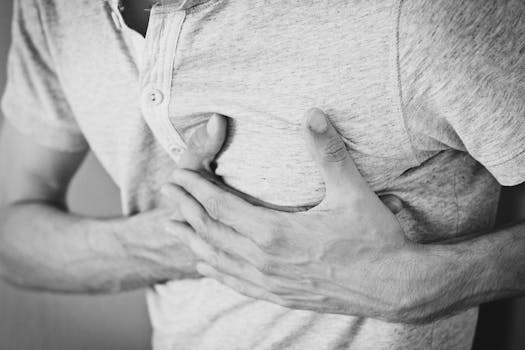
Black and white photo of a man clutching his chest, indicating discomfort or pain. Photo: freestocks.org / Pexels
For far too long, the classic depiction of a heart attack has been dominated by the image of a man clutching his chest in excruciating pain. While this can certainly be a symptom for both sexes, it significantly overlooks the nuanced and often subtle ways a heart attack can manifest in women. Heart disease remains the leading cause of death for women in the United States, surpassing all forms of cancer combined, yet awareness of its distinct presentation in women lags critically behind. This disparity often leads to delayed diagnosis and treatment, which can have dire consequences. Understanding these unique presentations is not just important; it is a matter of life and death. Women are more likely to experience heart attack symptoms that are not the 'textbook' crushing chest pain. Instead, they might report discomfort in the neck, jaw, shoulder, upper back, or abdomen. This discomfort can be vague, feeling more like pressure or aching rather than sharp pain. Fatigue, shortness of breath, and nausea are also prominent, often without any chest pain at all. These symptoms can be easily mistaken for other less serious conditions like indigestion, acid reflux, the flu, or even anxiety, leading women to delay seeking emergency care. The average time women wait to seek medical attention for heart attack symptoms is often longer than men, partly due to this misinterpretation of symptoms. Healthcare providers, too, must be acutely aware of these differences to avoid misdiagnosis or underdiagnosis. The physiological differences between men and women play a role in these varying symptoms. Women are more likely to have blockages in the smaller arteries that supply blood to the heart, a condition known as small vessel heart disease or microvascular disease. This can lead to diffuse pain or discomfort rather than the localized, intense pain associated with blockages in major arteries. Hormonal factors, particularly estrogen, also influence heart health and disease progression, though the exact mechanisms are complex and still being researched. As women age and estrogen levels decline post-menopause, their risk of heart disease significantly increases. It's crucial for women to have open conversations with their doctors about their heart health, risk factors, and any unusual symptoms they might be experiencing. Educating oneself and advocating for proper medical evaluation are paramount. Early intervention is key to minimizing heart damage and improving long-term outcomes. For more information on preventative care, consider exploring resources on cardiovascular health.

Beyond Chest Pain: Recognizing the Subtle Signs in Women

Woman with head injury holding her head in pain indoors. Photo: www.kaboompics.com / Pexels
While some women do experience classic chest pain during a heart attack, many do not, or they describe it differently. Instead of a crushing sensation, it might feel like pressure, tightness, or aching that comes and goes. This variability makes it harder to identify. The most frequently reported heart attack symptom in women is unusual fatigue. This isn't just everyday tiredness; it's an overwhelming, unexplained exhaustion that can occur for days or even weeks leading up to a heart attack. Women might describe feeling drained even after adequate rest, or suddenly unable to perform simple tasks that were previously easy. This fatigue can be so profound that it interferes with daily activities and is often dismissed as stress or aging. Another significant symptom is shortness of breath, often occurring without any exertion, or disproportionately to the activity performed. This might be accompanied by a feeling of suffocation or a heavy sensation in the chest. Women might wake up at night gasping for air or find themselves winded after walking a short distance. Nausea, vomiting, and indigestion are also common, often mistaken for stomach flu or heartburn. Unlike typical indigestion, heart-related nausea may not respond to antacids and can be accompanied by other symptoms. Lightheadedness or dizziness, sometimes to the point of fainting, can also be a sign, indicating a temporary drop in blood pressure or an irregular heartbeat. Pain or discomfort can radiate to other areas besides the chest. Women frequently report pain in the jaw, neck, shoulder, upper back, or arms (either arm, not just the left). This pain can be dull, achy, or sharp, and may come and go. Sometimes it feels like muscle strain or arthritis. For example, a woman might complain of persistent pain between her shoulder blades that she attributes to poor posture. Sweating, often described as a cold sweat or clamminess, unrelated to physical exertion or hot flashes, is another symptom to watch for. These 'atypical' symptoms can be present alone or in combination, making accurate self-diagnosis challenging. It's vital to remember that a heart attack doesn't always strike suddenly and dramatically; it can develop gradually over hours or even days. Any new, unexplained, or persistent symptoms that feel 'off' should prompt immediate medical evaluation, especially if you have existing risk factors for heart disease.

Risk Factors and Prevention: Protecting Women's Hearts

Crop osteopath in uniform and eyeglasses supporting shoulder and reached arm of young woman with elastic tape in doctor office in hospital on blurred background Photo: www.kaboompics.com / Pexels
Understanding the specific risk factors for heart disease in women is paramount for effective prevention and early detection. While many risk factors, such as high blood pressure, high cholesterol, diabetes, obesity, and smoking, are common to both men and women, some are unique or have a greater impact on women. For instance, inflammatory conditions like rheumatoid arthritis or lupus significantly increase a woman's risk of heart disease. Certain pregnancy complications, including preeclampsia, gestational diabetes, and preterm delivery, are also recognized as independent risk factors for future cardiovascular disease. These conditions can leave a lasting impact on a woman's heart health, making it crucial for women with such a history to be monitored closely. Lifestyle choices play a critical role in prevention. Regular physical activity, a balanced diet rich in fruits, vegetables, and whole grains, maintaining a healthy weight, and managing stress are fundamental. Quitting smoking is perhaps the single most impactful step one can take to reduce heart disease risk. For women, especially, stress and depression can have a profound effect on heart health. Women are more likely than men to experience anxiety and depression, and these conditions can contribute to heart disease by increasing inflammation, affecting blood pressure, and leading to unhealthy coping mechanisms. Therefore, addressing mental health is an integral part of cardiovascular prevention. Regular check-ups with a healthcare provider are essential. During these visits, blood pressure, cholesterol levels, and blood sugar should be monitored. It's also an opportunity to discuss any family history of heart disease, as genetics can play a significant role. Women should specifically ask their doctors about their individual heart disease risk and what steps they can take to mitigate it. Don't assume that if your general health is good, your heart is fine. Advocate for yourself and ensure your doctor is considering your unique risk factors. Early intervention and lifestyle modifications can prevent or significantly delay the onset of heart disease and reduce the severity of cardiac events. For more proactive health management, exploring options for preventative health screenings is highly recommended.

When to Act: Don't Delay Seeking Emergency Care

Focused female doctor with eyeglasses and stethoscope talking on the phone for medical consultation. Photo: www.kaboompics.com / Pexels
Recognizing the symptoms is only half the battle; acting on them immediately is the other, equally critical half. Many women, unfortunately, delay seeking emergency care because they don't realize their symptoms are indicative of a heart attack. They might attribute their discomfort to less serious issues, try to 'tough it out,' or are concerned about being perceived as overly dramatic. This delay can have severe consequences, as every minute counts during a heart attack. The longer the heart muscle is deprived of oxygen-rich blood, the more damage it sustains. If you experience any of the symptoms discussed – unusual fatigue, shortness of breath, nausea, pain in the jaw, neck, back, or arms, or any chest discomfort – and they feel new, unusual, or severe, it's imperative to call 911 immediately. Do not try to drive yourself to the hospital, and do not ask a friend or family member to drive you. Paramedics can begin life-saving treatment on the way to the hospital, potentially saving precious time and heart muscle. They are equipped to stabilize your condition and transmit vital information to the emergency room, preparing the medical team for your arrival. Here’s a quick checklist to guide your decision-making: * **Sudden onset:** Did these symptoms appear suddenly or worsen rapidly? * **Unusual for you:** Are these feelings or pains unlike anything you've experienced before? * **Persistent:** Do the symptoms last for more than a few minutes, or do they come and go but keep returning? * **Multiple symptoms:** Are you experiencing a combination of symptoms like fatigue, shortness of breath, and discomfort in an unusual area? If you answer yes to any of these, call 911. It's always better to be safe than sorry. A false alarm is far preferable to delaying critical care for a real heart attack. Trust your instincts, and don't hesitate to seek immediate professional medical attention. Your life could depend on it.

Comparison

Symptom TypeCommon in MenCommon in WomenSeverity
Chest PainCrushing, centralPressure, aching, tightness (may be subtle)High to Moderate
Radiating PainLeft arm, jawJaw, neck, back, both arms, abdomenModerate
FatigueLess common as primary symptomOverwhelming, unexplained, prolongedModerate to High
Shortness of BreathOften with chest painOften without chest pain, or with mild exertionModerate to High
Nausea/VomitingLess commonMore common, often mistaken for flu/indigestionLow to Moderate
Cold Sweat/DizzinessCommonCommon, often without chest painModerate

What Readers Say

"This article was a wake-up call for me. I'd been having persistent back pain and fatigue, dismissing them as stress. After reading about the symptoms of heart attack in women, I saw my doctor, and thankfully, we caught an issue early. It truly changed my perspective on what a heart attack looks like for women."

Sarah J. · Austin, TX

"I always thought heart attacks were just severe chest pain. This guide opened my eyes to the subtle signs like jaw discomfort and shortness of breath that I've sometimes felt. It's made me more vigilant about my health and not to dismiss these feelings."

Maria P. · Miami, FL

"My mother experienced a heart attack with extreme fatigue and nausea, not chest pain. This article perfectly describes her experience and validates that women's symptoms are different. It's crucial information that could save lives."

Linda K. · Seattle, WA

"While I hope to never experience a heart attack, this article has provided invaluable knowledge. It's a bit overwhelming to think about all the different symptoms, but it's better to be informed than caught off guard. I'll be sharing this with my friends."

Jessica R. · Denver, CO

"As a healthcare professional, I appreciate the detailed and accurate information presented here on symptoms of heart attack in women. It reinforces the need for clinicians to be aware of atypical presentations and for women to be their own best advocates."

Emily S. · Chicago, IL

Frequently Asked Questions

What are the most common symptoms of heart attack in women?

The most common symptoms of heart attack in women are often subtle and include unusual fatigue, shortness of breath, nausea/vomiting, and pain or discomfort in the jaw, neck, back, or either arm. While some women experience chest pain, it may be described as pressure or aching rather than crushing pain, and it's frequently not the primary symptom.

Why are symptoms of heart attack in women often missed?

Symptoms in women are often missed because they differ from the 'classic' male presentation (crushing chest pain), leading to misinterpretation by both patients and sometimes healthcare providers. Women may attribute symptoms to less serious conditions like stress, indigestion, or the flu, delaying critical care.

What should I do if I suspect I'm having a heart attack?

If you suspect you or someone else is having a heart attack, call 911 immediately. Do not attempt to drive yourself to the hospital. Paramedics can begin life-saving treatment on the way and prepare the hospital staff for your arrival, which is crucial for minimizing heart damage.

Are there specific risk factors for heart disease that are unique to women?

Yes, some risk factors are unique to women or have a greater impact. These include certain inflammatory conditions like lupus or rheumatoid arthritis, and complications during pregnancy such as preeclampsia, gestational diabetes, and preterm birth. These conditions can significantly increase a woman's future risk of heart disease.

How do women's heart attack symptoms compare to men's?

While both men and women can experience chest pain, men are more likely to have the classic crushing chest pain as their primary symptom. Women are more likely to experience diffuse discomfort, unusual fatigue, shortness of breath, nausea, and pain in the jaw, neck, back, or arms, often without severe chest pain.

Who should be most vigilant about symptoms of heart attack in women?

All women, especially those over 40, post-menopausal women, and those with existing risk factors like high blood pressure, high cholesterol, diabetes, a family history of heart disease, or a history of pregnancy complications, should be highly vigilant about recognizing these symptoms.

Is it safer to call 911 even if I'm not sure it's a heart attack?

Absolutely. It is always safer to call 911 and have medical professionals assess your symptoms, even if it turns out to be a false alarm. Delaying care for a real heart attack can lead to severe and irreversible heart damage, or even death. When it comes to heart health, caution is key.

What future trends are there in diagnosing heart attacks in women?

Future trends in diagnosing heart attacks in women include increased focus on gender-specific research, development of more sensitive diagnostic tools that account for microvascular disease, and greater emphasis on AI and machine learning to identify subtle symptom patterns unique to women. There's also a growing push for public health campaigns specifically targeting women's heart health awareness.

Understanding the unique symptoms of heart attack in women is a powerful step towards protecting your health. Don't wait; familiarize yourself with these vital signs and share this knowledge to empower others in recognizing and responding to a potential cardiac event.

Topics: symptoms of heart attack in womenwomen's heart attack signsfemale heart attack symptomscardiac arrest womenheart disease in women
Leo List
Brampton weed
Adultwork