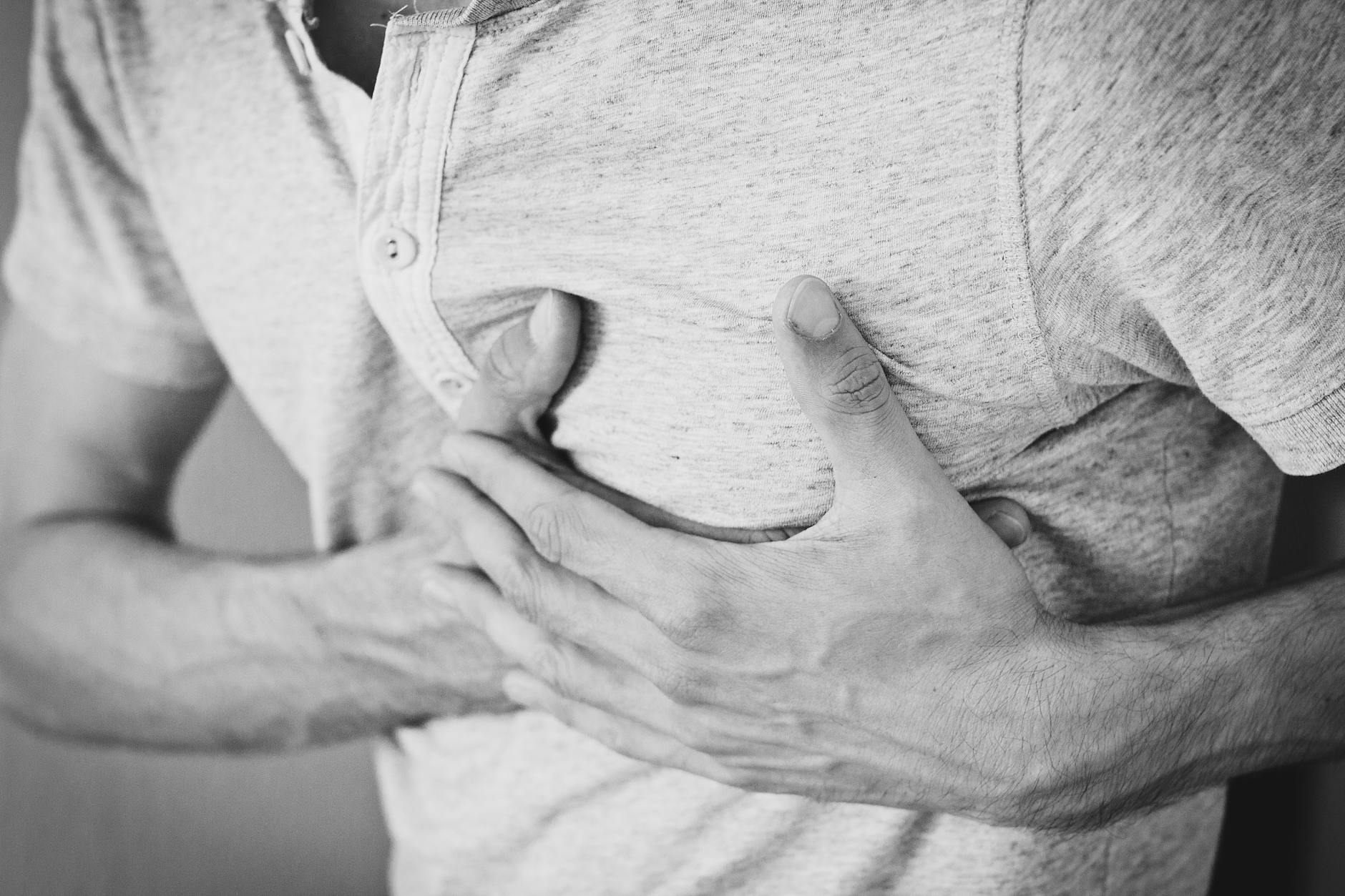
 Photo: freestocks.org / Pexels
Recognizing Symptoms of Heart Attack in Women
Empower yourself with vital knowledge about the subtle, often misread signs of a heart attack in women to save lives.
Learn Life-Saving SignsKey Takeaways
- ✓ Women often experience heart attack symptoms differently than men.
- ✓ Chest pain may be present but often isn't the most prominent symptom for women.
- ✓ Fatigue, shortness of breath, and nausea are common, yet overlooked, signs.
- ✓ Delay in seeking care is more common in women due to atypical symptoms.
How It Works
Recognize that women's heart attack symptoms can be subtle and differ significantly from the 'Hollywood heart attack' often depicted. Awareness is the first critical step.
Pay close attention to new or unusual discomforts, especially persistent fatigue, unusual pain, or changes in breathing. Don't dismiss these as minor.
If you suspect a heart attack, even with mild or atypical symptoms, call 911 immediately. Time is muscle, and rapid medical attention is crucial.
Share this vital information with family and friends. Spreading awareness about unique female heart attack symptoms can help save countless lives.
The Unique Presentation of Women's Heart Attack Signs
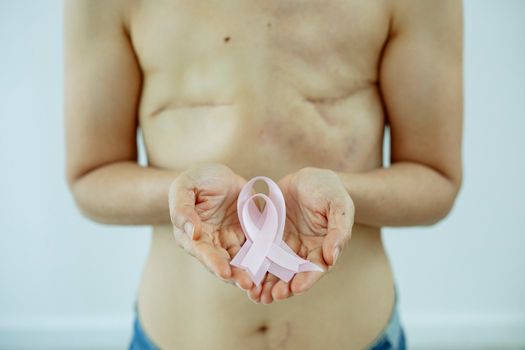 Photo: Michelle Leman / Pexels
Beyond Chest Pain: Overlooked Symptoms of Heart Attack in Women
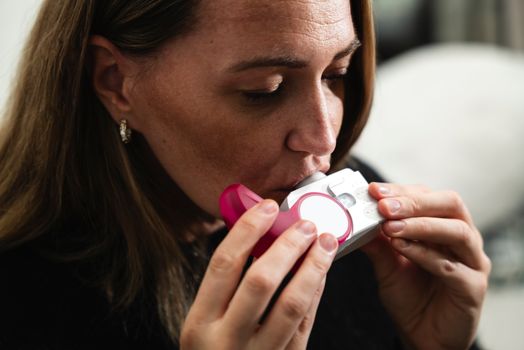 Photo: Cnordic Nordic / Pexels
Recognizing the Warning Signs and When to Act on Female Heart Attack Symptoms
 Photo: RDNE Stock project / Pexels
Prevention and Lifestyle: Reducing Your Risk of Heart Attack
 Photo: beyzahzah / Pexels
Comparison
| Symptom | Common for Men | Common for Women | Severity |
|---|---|---|---|
| Crushing Chest Pain | ✓ | ✗ (often mild/absent) | High |
| Shortness of Breath | ✓ | ✓ (often without chest pain) | Medium-High |
| Extreme Fatigue | ✗ (less prominent) | ✓ (often primary symptom) | High |
| Nausea/Vomiting | ✗ (less common) | ✓ | Medium |
| Jaw/Neck/Back Pain | ✗ (less common) | ✓ (diffuse, aching) | Medium |
| Arm Pain | Left arm (classic) | Either arm, or both | Medium |
What Our Readers Say
"This article was eye-opening. I always thought a heart attack meant severe chest pain, but after reading about the symptoms of heart attack in women, I realized my grandmother's fatigue and jaw pain last year were likely signs. It's so important to get this information out there."
Sarah J. Austin, TX"As a nurse, I appreciate the detailed explanation of atypical symptoms. It reinforces what we see clinically – women present differently. Everyone needs to understand the symptoms of heart attack in women to prevent misdiagnosis."
Maria P. Miami, FL"I experienced extreme fatigue and shortness of breath for days, brushing it off as stress. After finding this article on symptoms of heart attack in women, I went to the ER. Turns out, it was an NSTEMI. This information saved me from further damage."
Jessica L. Chicago, IL"Good overview, though I wish there was a bit more on how specific risk factors might alter the symptom presentation. Still, it's a vital resource for understanding the symptoms of heart attack in women and acting quickly."
Emily R. Denver, CO"My doctor recommended I read up on heart attack symptoms because of my family history. This article on symptoms of heart attack in women was incredibly clear and empowering. I now feel much more prepared to recognize potential issues."
Linda K. Seattle, WAFrequently Asked Questions
What are the most common symptoms of heart attack in women?
Why do women experience heart attack symptoms differently than men?
If I only have one or two of these symptoms, should I still call 911?
Does recognizing these symptoms mean I can self-diagnose?
How does anxiety or panic attack mimic heart attack symptoms?
Who should be most aware of symptoms of heart attack in women?
Is it safe to take aspirin if I suspect a heart attack?
Will advancements in AI help detect heart attacks in women earlier?
Understanding the unique symptoms of heart attack in women is a powerful tool for self-advocacy and life preservation. Don't dismiss your symptoms; listen to your body and act decisively. Share this vital knowledge with the women in your life to empower them to recognize and respond to these critical warning signs.