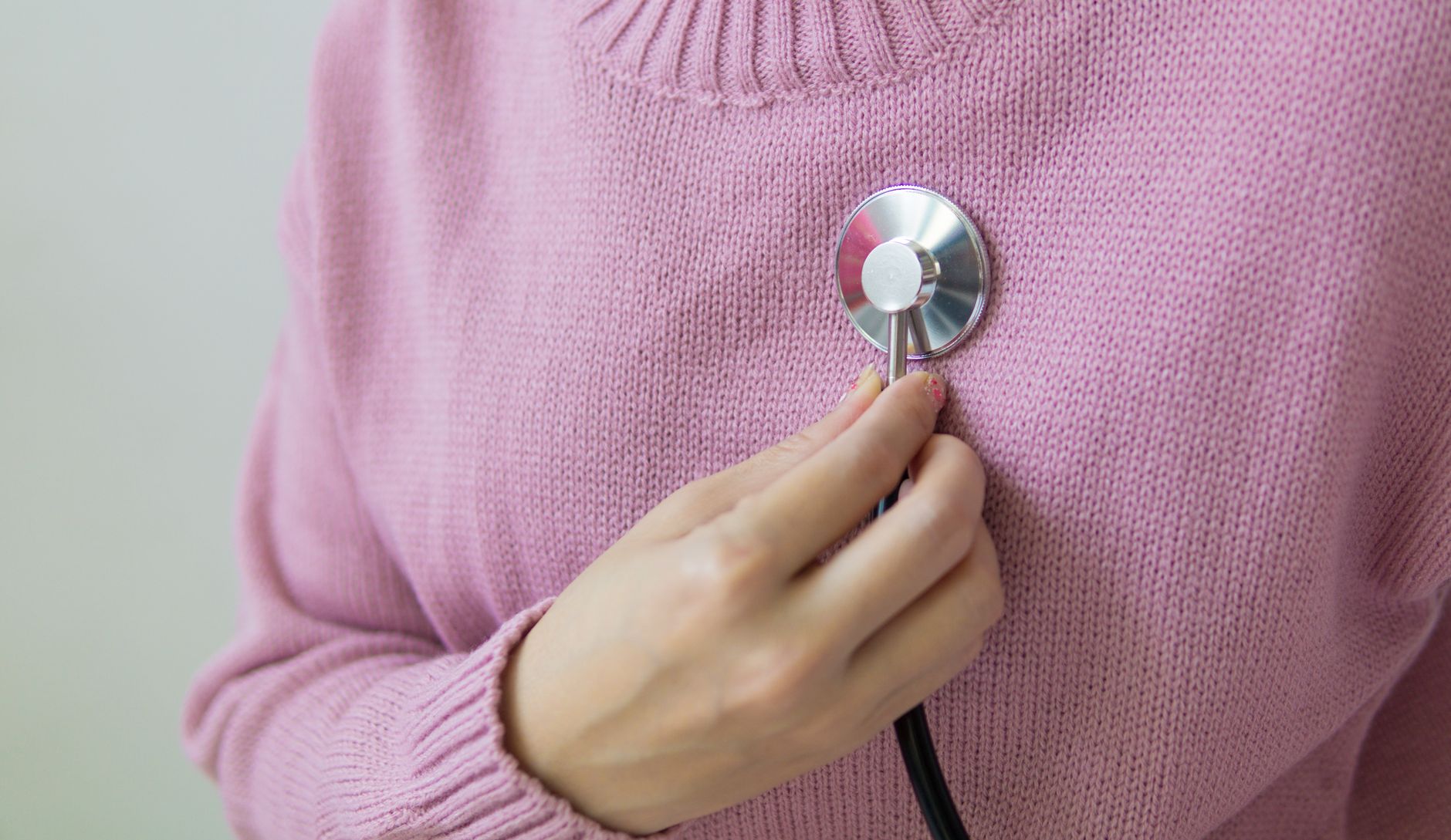
Recognizing Silent Symptoms of a Heart Attack in Women
symptoms of a heart attack in women

Recognizing Silent Symptoms of a Heart Attack in Women

Empower yourself with crucial knowledge about the often-misunderstood signs of a heart attack in women.

Learn More Now

Key Takeaways

  • ✓ Women often experience different heart attack symptoms than men, making diagnosis challenging.
  • ✓ Fatigue, shortness of breath, and nausea are common, often subtle, indicators in women.
  • ✓ Chest pain may be present but often isn't the most prominent or classic symptom.
  • ✓ Seeking immediate medical attention is crucial, even for seemingly mild or vague symptoms.

How It Works

1
Understand the Differences

Familiarize yourself with how heart attack symptoms in women often diverge from the typical 'Hollywood heart attack' portrayed in media. This knowledge is your first line of defense.

2
Listen to Your Body

Pay close attention to persistent or unusual changes in your body, especially if they are new, unexplained, and last for more than a few minutes. Don't dismiss symptoms as stress or indigestion.

3
Act Swiftly, Call 911

If you suspect you or someone you know is having a heart attack, do not hesitate to call 911 immediately. Time is muscle, and rapid medical response can significantly improve outcomes.

4
Advocate for Yourself

Clearly articulate your symptoms to medical professionals, emphasizing any concerns about heart attack, even if they seem minor. Be persistent in seeking thorough evaluation.

The Unique Landscape of Heart Attack Symptoms in Women
Close-up of a woman with a band aid on her nose, expressing pain and discomfort indoors. Photo: www.kaboompics.com / Pexels
For decades, the classic image of a heart attack has been dominated by a man clutching his chest in excruciating pain. While this can certainly be a symptom for both sexes, it has unfortunately led to a dangerous misconception that has put women at a significant disadvantage when it comes to recognizing and responding to a cardiac event. The truth is, the symptoms of a heart attack in women are often far more subtle, diffuse, and can easily be mistaken for less severe conditions like indigestion, anxiety, or even the flu. This 'atypical' presentation is a critical factor contributing to delayed diagnosis and treatment, which, in turn, can lead to poorer outcomes and higher mortality rates for women compared to men. Understanding these differences is not just important, it's potentially life-saving. One of the primary reasons for this disparity lies in the biological differences between men and women, particularly concerning the type and location of arterial blockages. While men often experience blockages in the major coronary arteries (leading to the classic crushing chest pain), women are more prone to blockages in the smaller arteries that supply blood to the heart, a condition known as small vessel heart disease or coronary microvascular dysfunction. This can result in symptoms that are less localized and more generalized throughout the body. Furthermore, women's bodies often respond to stress and pain differently, sometimes leading to a higher pain threshold or a tendency to attribute discomfort to other causes. Research consistently shows that women are more likely to experience symptoms such as unusual fatigue, sleep disturbances, and shortness of breath in the weeks or even months leading up to a heart attack. These prodromal symptoms are often dismissed by both women and their healthcare providers, delaying the critical window for intervention. When the heart attack actually occurs, while some women may experience chest pain, it's often described differently – as pressure, tightness, or aching rather than the severe, crushing pain men typically report. It may also occur in the back, neck, jaw, or arm, not just the chest. This lack of textbook chest pain often leads to under-recognition and delayed emergency calls. It is imperative for every woman, and those who care for them, to be acutely aware of these distinctions. Early recognition and prompt action are paramount in mitigating cardiac damage and improving survival rates. For more information on preventative measures, consider exploring resources on maintaining heart health.

Beyond Chest Pain: Common & Atypical Symptoms in Women

While chest pain can still be a symptom, it's crucial to expand our understanding beyond this singular indicator when considering heart attacks in women. The spectrum of symptoms can be broad and often misleading. The most frequently reported atypical symptoms include: **Unusual Fatigue:** This isn't just feeling tired after a long day; it's a profound, inexplicable exhaustion that can persist for days or weeks. It might be so severe that it interferes with daily activities, like walking across a room or brushing teeth. This fatigue can be a warning sign that the heart is working harder than usual to pump blood, a sign of reduced blood flow. **Shortness of Breath:** This can occur with or without chest discomfort and may feel like you can't get enough air, even when resting. Some women describe it as feeling like they've run a marathon when they've only walked a few steps. It can be accompanied by lightheadedness or dizziness. **Nausea, Vomiting, or Indigestion-like Pain:** These gastrointestinal symptoms are often dismissed as stomach flu, acid reflux, or food poisoning. However, if they are accompanied by other symptoms like sweating or shortness of breath, they warrant immediate medical attention. The pain might feel like severe heartburn or pressure in the upper abdomen. **Pain in Other Areas (Beyond the Chest):** Women often experience pain radiating to the jaw, neck, back, or one or both arms, particularly the left arm. This pain can be dull, aching, or sharp, and it might come and go. Back pain, especially between the shoulder blades, is a common but often overlooked symptom in women. **Lightheadedness or Dizziness:** A sudden onset of feeling faint or dizzy, often accompanied by sweating, can be a sign of reduced blood flow to the brain due to compromised heart function. **Sweating:** Breaking out in a cold sweat, often without any clear reason, can be a significant indicator. This isn't the sweat you experience during exercise; it's clammy and often accompanies other symptoms. It's important to remember that these symptoms can appear alone or in combination, and their intensity can vary. They may also come and go, making them even harder to identify. The key is to recognize a constellation of new, unusual, or persistent symptoms, especially if they are out of character for you. Don't assume that because you don't have crushing chest pain, you're not having a heart attack. Trust your instincts and seek medical help if something feels wrong. The more informed you are about these varied presentations, the better equipped you will be to protect your heart health.

Why Are Women's Heart Attack Symptoms So Often Missed?

The reasons behind the frequent misdiagnosis or delayed recognition of heart attack symptoms in women are multifaceted, stemming from both biological and societal factors. One significant contributor is the inherent biological difference in how cardiovascular disease manifests. As mentioned, women are more susceptible to microvascular disease, affecting the smaller arteries. This can lead to diffuse pain patterns rather than the classic, centralized chest pain. Hormonal shifts, particularly around menopause, also play a crucial role, impacting blood vessel elasticity and increasing risk factors. Estrogen, prior to menopause, offers some protection, and its decline can lead to a faster progression of atherosclerosis. Beyond biology, societal perceptions and biases within the healthcare system contribute significantly. The historical focus on male heart attack presentations has created a medical framework that can inadvertently overlook or misinterpret female symptoms. Studies have shown that women presenting with heart attack symptoms are more likely to be diagnosed with anxiety, stress, or gastrointestinal issues, especially if they don't exhibit the 'typical' chest pain. This diagnostic bias can lead to longer wait times in emergency rooms and delayed critical interventions like angioplasty or clot-busting medications. Women themselves often contribute to this delay by downplaying their symptoms, attributing them to fatigue, aging, or stress, and hesitating to call emergency services. They may fear being seen as overly dramatic or wasting medical resources. This self-dismissal, coupled with potential professional misinterpretation, creates a dangerous gap in care. Furthermore, women often have different risk factors or combinations of risk factors than men. Conditions like gestational diabetes, preeclampsia, and autoimmune diseases (e.g., lupus, rheumatoid arthritis) are unique to women or more prevalent in women and significantly increase their risk of heart disease. Mental health conditions like depression and anxiety, which are more common in women, also heighten heart attack risk and can further complicate symptom recognition, as symptoms like fatigue and breathlessness can overlap. It's vital for both patients and healthcare providers to be educated on these nuances. Advocating for oneself in a medical setting, clearly articulating all symptoms, and being persistent in seeking answers are crucial steps for women. Understanding the full picture of cardiovascular risk factors is essential for proactive health management.

Taking Action: What to Do and When to Seek Help

Recognizing the symptoms is only the first step; knowing what to do next is equally vital. The most critical action is to call 911 immediately if you suspect you or someone else is having a heart attack. Do not try to drive yourself to the hospital, and do not ask someone else to drive you. Paramedics can provide life-saving treatment on the way to the hospital, and they can also alert the emergency room, preparing them for your arrival. Every minute counts when it comes to a heart attack; the longer blood flow is restricted, the more heart muscle dies. Here are crucial steps to take: * **Call 911 Without Delay:** This cannot be overstressed. Don't wait to see if symptoms improve, and don't try to 'tough it out.' * **Chew an Aspirin (if advised and not allergic):** If you are not allergic to aspirin and have been told by a doctor it's safe for you, chewing a regular-strength aspirin (325 mg) can help thin your blood and reduce clot formation. Do not swallow it whole; chewing it allows for faster absorption. * **Rest and Remain Calm:** Lie down or sit in a comfortable position. Try to breathe slowly and deeply. Anxiety can worsen symptoms and increase the heart's workload. * **Do Not Self-Medicate with Other Drugs:** Avoid taking other medications unless specifically instructed by emergency personnel. * **Be Prepared to Provide Information:** When paramedics arrive, be ready to describe your symptoms clearly, including when they started, their intensity, and any other medical conditions or medications you take. **When to seek medical attention for less acute, but concerning, symptoms:** If you experience persistent, unexplained fatigue, recurrent shortness of breath with mild exertion, or vague discomfort in your chest, back, jaw, or arms that comes and goes, it's crucial to schedule an appointment with your primary care physician. These could be prodromal symptoms or signs of underlying heart disease. Be a proactive advocate for your health. Clearly state your concerns about heart health and ask for a thorough cardiovascular evaluation, including an EKG, blood tests, and potentially a stress test or other advanced imaging. Do not accept a dismissal of your symptoms without a proper workup. Your life may depend on your persistence.

Comparison

SymptomMore Common in WomenMore Common in MenShared Symptom
Classic Crushing Chest Pain✓ (but often less prominent in women)
Unusual Fatigue
Shortness of Breath
Nausea/Vomiting
Pain in Jaw/Neck/Back
Sweating/Cold Clamminess
Lightheadedness/Dizziness

What Readers Say

"This article was eye-opening. I had been dismissing my persistent fatigue and jaw discomfort as stress, but after reading this, I realized these were classic symptoms of a heart attack in women. It prompted me to get checked, and thankfully, I'm now on a path to better heart health."

Sarah P. · Austin, TX

"As a woman in my late 50s, I always thought heart attacks were about chest pain. This guide clearly explained the other, more subtle signs like shortness of breath and nausea, which I've experienced occasionally. It's empowered me to take my health concerns more seriously."

Maria R. · Miami, FL

"My mother had a heart attack with only severe back pain and fatigue. This resource perfectly describes why her symptoms were initially missed. It's a crucial read for anyone wanting to understand the true symptoms of a heart attack in women."

Jessica L. · Denver, CO

"While incredibly informative, I wish there was a quick checklist I could carry. Still, the depth of information about how heart attack symptoms in women differ is invaluable. It's a wake-up call for many of us."

Emily T. · Seattle, WA

"I read this to better understand my wife's health risks. It's made me more aware of the subtle signs she might exhibit, helping me to be a better advocate for her. Essential reading for partners and family members."

David K. · Chicago, IL

Frequently Asked Questions

What are the most common symptoms of a heart attack in women?

The most common symptoms of a heart attack in women often include unusual fatigue, shortness of breath, nausea/vomiting, and pain in the jaw, neck, back, or arms. While chest pain can occur, it may not be the most prominent symptom and can feel more like pressure or tightness rather than a crushing sensation. These symptoms can be subtle and easily mistaken for other conditions.

Can women have a heart attack without chest pain?

Yes, absolutely. Many women experience a heart attack without typical chest pain. Their symptoms are often more diffuse and may include profound fatigue, shortness of breath, indigestion, or pain in areas like the jaw, back, or arm. This is a critical distinction and a reason why women's heart attacks are often misdiagnosed or treated later.

What should I do if I suspect I'm having a heart attack?

If you suspect you are having a heart attack, call 911 immediately. Do not try to drive yourself to the hospital. Emergency responders can begin life-saving treatment on the way and alert the hospital. If you are not allergic and have been advised by a doctor, chew a regular-strength aspirin (325 mg) while waiting for help.

Is heart disease more dangerous for women?

Heart disease is the leading cause of death for women in the United States. While men often have heart attacks earlier in life, women tend to have them later, and their outcomes can be worse due to delayed diagnosis, atypical symptoms, and other biological factors. It's crucial for women to understand their unique risks and symptoms.

How do women's heart attack symptoms differ from men's?

Men more frequently experience the 'classic' crushing chest pain. Women are more likely to have less severe or no chest pain, and instead report symptoms like unusual fatigue, shortness of breath, nausea, vomiting, and pain in the back, neck, or jaw. These differences often lead to delayed recognition and treatment in women.

Who should be particularly aware of these symptoms?

All women, especially those over 40, those with a family history of heart disease, or those with risk factors like high blood pressure, high cholesterol, diabetes, obesity, or a history of preeclampsia or gestational diabetes, should be acutely aware of these symptoms. Healthcare providers also need to be vigilant in assessing women's cardiac complaints.

Are there any long-term effects of delayed diagnosis in women?

Yes, delayed diagnosis and treatment can lead to more significant heart muscle damage, increasing the risk of complications such as heart failure, arrhythmias, and subsequent heart attacks. It can also result in a longer and more challenging recovery period, significantly impacting quality of life and long-term prognosis.

What lifestyle changes can help reduce a woman's risk of heart attack?

Adopting a heart-healthy lifestyle is paramount. This includes maintaining a balanced diet rich in fruits, vegetables, and whole grains, engaging in regular physical activity, managing stress effectively, avoiding smoking, and limiting alcohol intake. Regular medical check-ups and managing existing conditions like high blood pressure or diabetes are also crucial preventative measures.

Empower yourself with knowledge about the unique symptoms of a heart attack in women. Don't let subtle signs go unnoticed – understanding these indicators can be the difference between life and death. Prioritize your heart health, educate your loved ones, and always seek immediate medical attention if you suspect a cardiac event.

Topics: symptoms of a heart attack in womenfemale heart attack signswomen's heart healthcardiac arrest symptoms femaleatypical heart attack symptoms
Leo List
Brampton weed
Adultwork