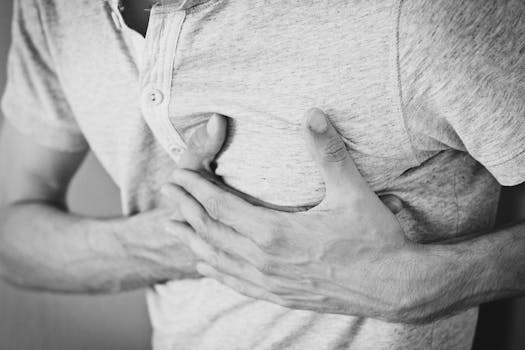
Recognizing Symptoms of Heart Attack in Women
symptoms of heart attack in women

Recognizing Symptoms of Heart Attack in Women

Empower yourself with vital knowledge about the subtle, often overlooked signs of a heart attack in women.

Learn Life-Saving Signs

Key Takeaways

  • ✓ Women often experience different heart attack symptoms than men.
  • ✓ Fatigue, shortness of breath, and nausea are common in women's heart attacks.
  • ✓ Delay in seeking care is more common in women, leading to worse outcomes.
  • ✓ Heart disease is the leading cause of death for women in the United States.

How It Works

1
Understand the Differences

Recognize that female heart attack symptoms can be subtle and differ significantly from the classic 'Hollywood heart attack' seen in men. This awareness is the first step to early detection.

2
Identify Atypical Signs

Familiarize yourself with common atypical symptoms in women, such as unusual fatigue, shortness of breath, back pain, or nausea. These can be the primary indicators.

3
Listen to Your Body

Pay close attention to any new, unusual, or persistent symptoms, especially if they appear suddenly or worsen with activity. Don't dismiss discomfort as just stress or indigestion.

4
Act Immediately

If you suspect a heart attack, even if symptoms are mild, call 911 immediately. Early medical intervention is crucial for minimizing heart damage and saving lives.

The Unique Landscape of Female Heart Attack Symptoms

For too long, the classic image of a heart attack has been dominated by the portrayal of a man clutching his chest in excruciating pain. While this can certainly be a symptom for both sexes, it's a dangerous oversimplification that has led to a critical gap in public awareness, particularly concerning women's heart health. Heart disease remains the leading cause of death for women in the United States, surpassing all forms of cancer combined. Yet, women are often less likely to recognize the symptoms of a heart attack, leading to delays in seeking crucial medical attention. This delay can have devastating consequences, increasing the risk of severe heart damage and even death. Understanding the unique symptoms of heart attack in women is not just important; it's a matter of life and death. The primary reason for this disparity lies in physiological differences and how heart disease manifests. While men often experience blockages in their major coronary arteries (macrovascular disease), women are more prone to blockages in the smaller arteries that branch off the main ones (microvascular disease). This difference can lead to more diffuse, less localized pain, and a broader range of symptoms. Furthermore, women's bodies respond to stress and pain differently, which can influence how symptoms are perceived and presented. Hormonal factors, particularly estrogen, play a protective role for women before menopause, but this protection diminishes afterward, increasing risk. This complex interplay of physiology, hormones, and societal perceptions contributes to the often-missed or misdiagnosed heart attacks in women. It's crucial for women and their loved ones to be educated on these nuances, moving beyond the stereotypical chest-clutching scenario to a more comprehensive understanding of what a heart attack in a woman might look like. This knowledge empowers women to advocate for themselves and seek timely care, potentially saving their lives. It also encourages healthcare providers to consider a broader spectrum of symptoms when evaluating women for potential cardiac events, reducing diagnostic delays. For more information on general heart health, visit our guide on maintaining a healthy heart. One of the most significant challenges is that women's heart attack symptoms can be subtle, non-specific, and easily mistaken for other conditions like indigestion, anxiety, or even the flu. This 'atypical' presentation means that women may not experience the severe, crushing chest pain that is often associated with a heart attack. Instead, their symptoms might be more diffuse, appearing as discomfort rather than sharp pain, or manifesting as symptoms seemingly unrelated to the heart. This can lead to self-diagnosis errors, where women might dismiss their symptoms as minor ailments, delaying their decision to seek emergency care. The societal narrative around heart attacks has historically focused on male experiences, leading to a lack of awareness and education about female-specific symptoms. This cultural gap contributes to the problem, as women may not recognize their own symptoms as indicative of a cardiac emergency. Healthcare professionals also need to be vigilant, as unconscious biases can sometimes lead to underdiagnosis or misdiagnosis in women presenting with atypical symptoms. Recognizing these systemic and individual factors is the first step toward improving outcomes for women experiencing heart attacks. Empowering women with knowledge about their unique risk factors and symptom presentations is paramount.

Beyond Chest Pain: The Atypical Warning Signs

While chest pain can occur in women during a heart attack, it's often not the most prominent or even present symptom. When it does occur, it might feel more like pressure, squeezing, or fullness, rather than the sharp, stabbing pain often described by men. This discomfort can also be felt anywhere in the chest, not just on the left side. However, it's the 'atypical' symptoms that truly differentiate the female heart attack experience and demand greater attention. These symptoms can be insidious, developing slowly over days or even weeks, or they can strike suddenly and intensely. The key is to recognize them as potential indicators of a serious cardiac event and not dismiss them. One of the most frequently reported atypical symptoms in women is unusual or unexplained fatigue. This isn't just feeling tired after a long day; it's an overwhelming, debilitating exhaustion that can come on suddenly and persist, making even simple tasks feel impossible. This fatigue might be present for days or weeks leading up to a heart attack, or it can be a primary symptom during the event itself. Another critical symptom is shortness of breath, which can occur with or without chest discomfort. Women might describe it as feeling like they've run a marathon when they've only walked a few steps, or waking up at night gasping for air. This symptom can also be accompanied by lightheadedness or dizziness. Nausea, vomiting, or indigestion-like pain are also common, often mistaken for stomach flu or heartburn. Unlike typical heartburn, cardiac-related indigestion may not improve with antacids and can be accompanied by other symptoms. Pain or discomfort in other areas, such as the back, neck, jaw, or arms (especially the right arm, though both can be affected), is also a significant warning sign. This discomfort might be dull, aching, or radiating, rather than sharp. Many women report feeling a general sense of unease, anxiety, or impending doom during a heart attack, even without clear physical symptoms. This psychological component can be particularly challenging to interpret, as it can be attributed to stress or other non-cardiac issues. Cold sweats, similar to those experienced during menopause, can also be a symptom. It's crucial to remember that these symptoms might not be severe or constant. They can come and go, making them even harder to identify as a heart attack. The cumulative effect of several mild, non-specific symptoms should raise a red flag. For instance, a woman experiencing unusual fatigue, mild shortness of breath, and some jaw discomfort, even without crushing chest pain, should seek immediate medical attention. The variability and subtlety of these symptoms underscore the importance of heightened awareness and a low threshold for seeking emergency care. When in doubt, it is always better to err on the side of caution and get checked by a medical professional. Don't wait for the 'classic' chest pain if you're experiencing any of these other significant warning signs.

Why Early Detection and Prompt Action are Critical

The stakes are incredibly high when it comes to heart attacks, and for women, the consequences of delayed recognition and treatment can be even more severe. Research consistently shows that women often wait longer than men to seek medical attention for heart attack symptoms. This delay is attributed to several factors, including the atypical presentation of symptoms, a tendency to downplay discomfort, and a lack of awareness about female-specific signs. Unfortunately, every minute counts during a heart attack. The longer the heart muscle is deprived of oxygen-rich blood, the more damage occurs. This damage can lead to permanent heart muscle weakness, heart failure, and other life-threatening complications. Early intervention, such as angioplasty or clot-busting medications, can restore blood flow to the heart, significantly limiting damage and improving long-term outcomes. When women arrive at the emergency room, they may also face diagnostic challenges. Because their symptoms are often less 'classic,' healthcare providers might initially consider other diagnoses, potentially leading to further delays in appropriate cardiac care. This highlights the importance of not only recognizing symptoms but also clearly communicating them to medical professionals. Women should be prepared to articulate all their symptoms, even those that seem minor or unrelated, and to emphasize any family history of heart disease or personal risk factors. Advocating for oneself in a medical setting is crucial. If you feel your concerns are not being taken seriously, do not hesitate to seek a second opinion or firmly request cardiac evaluation. Beyond immediate treatment, early detection also plays a vital role in preventing future cardiac events. A heart attack is a wake-up call, and understanding its cause allows for targeted secondary prevention strategies. These might include lifestyle modifications, medication management, and ongoing monitoring to reduce the risk of another event. The impact of a heart attack extends beyond the physical; it can also have significant psychological and emotional consequences. Women who experience heart attacks may face higher rates of depression and anxiety, which can further complicate recovery and adherence to treatment plans. Early intervention not only preserves heart function but also supports a more comprehensive and successful recovery journey, addressing both physical and mental well-being. For resources on managing stress and its impact on health, consider exploring stress management techniques. Ultimately, empowering women with the knowledge to recognize their unique heart attack symptoms and the confidence to act swiftly is a powerful tool in the fight against heart disease, ensuring they receive the timely, life-saving care they deserve.

Empowering Yourself: Tips for Prevention and Preparedness

Empowering yourself with knowledge about heart attack symptoms is the first step, but proactive prevention and preparedness are equally vital. Understanding your personal risk factors is paramount. These include high blood pressure, high cholesterol, diabetes, obesity, smoking, physical inactivity, and a family history of heart disease. Women also have unique risk factors such as gestational diabetes, preeclampsia, and certain autoimmune conditions like lupus or rheumatoid arthritis, which can significantly increase their risk of heart disease. Regular check-ups with your doctor are crucial to monitor these factors and develop a personalized prevention plan. Here are key tips for prevention and preparedness: * **Know Your Numbers:** Regularly check your blood pressure, cholesterol levels, and blood sugar. Work with your doctor to keep these within healthy ranges through diet, exercise, and medication if necessary. * **Adopt a Heart-Healthy Lifestyle:** This includes a balanced diet rich in fruits, vegetables, whole grains, and lean proteins, while limiting saturated and trans fats, sodium, and added sugars. Aim for at least 150 minutes of moderate-intensity aerobic exercise or 75 minutes of vigorous-intensity exercise per week, combined with muscle-strengthening activities. * **Quit Smoking:** If you smoke, quitting is the single most impactful step you can take to reduce your heart disease risk. Smoking damages blood vessels and significantly increases the risk of heart attack and stroke. * **Manage Stress:** Chronic stress can contribute to high blood pressure and other heart disease risk factors. Practice stress-reducing techniques like meditation, yoga, deep breathing exercises, or spending time in nature. * **Prioritize Sleep:** Aim for 7-9 hours of quality sleep per night. Poor sleep can negatively impact blood pressure, blood sugar, and overall heart health. * **Educate Your Loved Ones:** Share information about female heart attack symptoms with your family and friends. They can be crucial in recognizing symptoms and calling for help if you are unable to. * **Have an Emergency Plan:** Know when to call 911. If you experience any symptoms you suspect might be a heart attack, do not hesitate. Time is muscle. Do not drive yourself to the hospital; paramedics can begin treatment on the way. * **Carry a List of Medications:** Keep an up-to-date list of all your medications, allergies, and medical conditions readily available, perhaps in your wallet or on your phone, for emergency responders. By taking these proactive steps, women can significantly reduce their risk of heart disease and improve their chances of a positive outcome should a cardiac event occur. Prevention is always better than cure, and being prepared can make all the difference in a life-threatening situation.

Comparison

SymptomTypical Male PresentationCommon Female PresentationSeverity
Chest PainCrushing, severe, left-sidedPressure, squeezing, fullness, or absentVariable
FatigueLess common as primary symptomUnusual, unexplained, debilitatingHigh
Shortness of BreathOften with chest painWith or without chest pain, sudden onsetHigh
Nausea/VomitingLess commonFrequent, often mistaken for flu/indigestionModerate
Pain LocationLeft arm, jaw, neckBack, jaw, neck, arms (either or both)Variable
SweatingCold sweat, profuseCold sweat, often mistaken for menopauseModerate
Anxiety/UneaseLess common as primary symptomSudden, unexplained sense of dreadModerate
OnsetSudden, intenseCan be gradual, come and go, or suddenVariable

What Readers Say

"This article was a wake-up call for me. I had been experiencing extreme fatigue and some jaw discomfort for weeks, dismissing it as stress. Reading about the subtle symptoms of heart attack in women made me realize I needed to get checked. Thankfully, I caught it early."

Sarah J. · Austin, TX

"As a woman in my 50s, I always thought heart attacks were a man's problem. This information on symptoms of heart attack in women is invaluable. It helped me understand that my occasional shortness of breath and back pain could be more serious than I thought. I'm now more proactive about my heart health."

Maria P. · Miami, FL

"My mother's heart attack was almost missed because she didn't have classic chest pain. She had severe indigestion and fatigue. This article perfectly explains the symptoms of heart attack in women that are often overlooked, leading to quicker diagnosis and treatment for others."

Jessica L. · Denver, CO

"The information is incredibly thorough and well-explained, especially the comparison table. While I hope I never need it, knowing these symptoms of heart attack in women makes me feel more prepared and less likely to dismiss subtle signs. It could be slightly more concise in some sections, but the depth is appreciated."

Emily R. · Seattle, WA

"I shared this article with my wife and daughters. It's crucial for everyone to understand that heart attack symptoms in women are different. This knowledge empowers not just women, but also their families to recognize the signs and act fast."

David K. · Chicago, IL

Frequently Asked Questions

What are the most common symptoms of heart attack in women?

The most common symptoms of heart attack in women include unusual fatigue, shortness of breath, nausea or vomiting, back or jaw pain, and cold sweats. While chest pain can occur, it's often not the most prominent symptom and may feel more like pressure or tightness rather than sharp pain. These symptoms can be subtle and may come and go.

Can a woman have a heart attack without chest pain?

Absolutely. Many women experience heart attacks without any chest pain, or with very mild chest discomfort that they might mistake for indigestion or anxiety. This is a crucial difference from the classic male presentation and why awareness of other symptoms like fatigue, shortness of breath, and pain in the back or jaw is so important for women.

What should I do if I suspect I'm having a heart attack?

If you suspect you are having a heart attack, even if symptoms are mild or you're unsure, call 911 immediately. Do not try to drive yourself to the hospital. Emergency medical personnel can begin life-saving treatment on the way and are equipped to handle cardiac emergencies. Early intervention is critical to minimize heart damage.

Are women more likely to die from heart attacks than men?

While heart disease is the leading cause of death for both men and women, women are more likely to die from a heart attack than men, partly due to delays in seeking treatment and receiving a diagnosis. This delay is often linked to the atypical symptoms women experience and a lack of awareness about these differences.

How do women's heart attack symptoms differ from men's?

Men typically experience crushing chest pain as the primary symptom, often radiating to the left arm. Women, on the other hand, are more likely to experience subtle symptoms like unusual fatigue, shortness of breath, nausea, indigestion, and pain in the back, jaw, or neck, with or without chest discomfort. These differences are due to physiological variations in how heart disease manifests.

Who is at higher risk for experiencing these atypical heart attack symptoms?

All women are at risk, but those with specific risk factors like diabetes, high blood pressure, high cholesterol, obesity, smoking, and a family history of heart disease may be at higher risk. Additionally, women who have experienced gestational diabetes or preeclampsia during pregnancy also face increased long-term risk for heart disease and should be particularly vigilant.

Is it possible for young women to have a heart attack?

Yes, it is absolutely possible for young women to have a heart attack, though it is less common than in older women. Risk factors such as smoking, obesity, diabetes, and certain genetic conditions can increase the likelihood. It's important for women of all ages to be aware of the symptoms and their personal risk factors.

How can I reduce my risk of heart attack as a woman?

Reducing your risk involves adopting a heart-healthy lifestyle: eating a balanced diet, exercising regularly, maintaining a healthy weight, quitting smoking, managing stress, and getting adequate sleep. Regular medical check-ups to monitor blood pressure, cholesterol, and blood sugar, and addressing any unique female-specific risk factors with your doctor, are also crucial.

Understanding the unique symptoms of heart attack in women is a powerful step towards safeguarding your health. Don't dismiss subtle signs; empower yourself with knowledge and act swiftly. Your heart health is paramount.

Topics: symptoms of heart attack in womenfemale heart attack signswomen's heart healthcardiac arrest womenatypical heart attack symptoms
Leo List
Brampton weed
Adultwork EstrelaBet Vai de Bet R7 Bet Betão Galera Bet Rainbet Bet9ja Shop SportyBet BetKing Sisal Loto Foot Hollywoodbets YesPlay Odibets RushBet Jugabet BetWarrior BetCity MSport betPawa Fortebet