Find Top Medical Weight Loss Programs Near Me Today

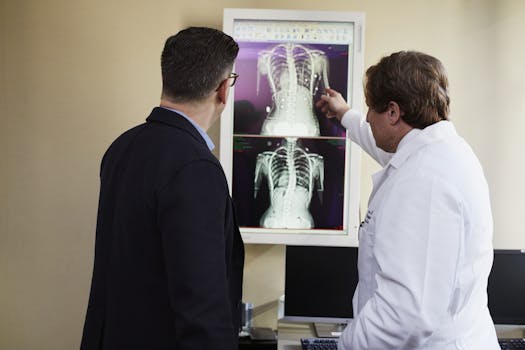
Close-up of a patient consulting a doctor with a clipboard in a medical setting.Photo: Thirdman / Pexels

Find Top Medical Weight Loss Programs Near Me Today

Unlock a healthier future with physician-led weight loss strategies designed for your unique body and lifestyle.

Start Your Journey

Key Takeaways

  • ✓ Medical weight loss is supervised by healthcare professionals.
  • ✓ Programs often include diet, exercise, medication, and behavioral therapy.
  • ✓ Personalized plans are crucial for long-term success.
  • ✓ It addresses underlying health conditions affecting weight.

How It Works

1
Initial Medical Evaluation

A comprehensive health assessment, including blood tests and medical history, is conducted to understand your unique physiological needs and any contributing factors to weight gain. This forms the foundation for a safe and effective plan.

2
Personalized Treatment Plan

Based on your evaluation, a physician crafts a tailored program that may include dietary changes, exercise prescriptions, FDA-approved medications, and lifestyle modifications. This plan is designed specifically for your body and health goals.

3
Ongoing Medical Supervision

Regular check-ups with your medical team ensure your progress is monitored, and the plan is adjusted as needed. This continuous support helps manage any side effects, celebrate successes, and overcome challenges safely.

4
Education and Lifestyle Integration

You'll receive education on nutrition, behavioral strategies, and sustainable lifestyle changes to help you maintain your weight loss long-term. The goal is to equip you with the tools and knowledge for lasting health.

Understanding Physician Supervised Weight Loss

Adult female using a medical weighing scale in a healthcare setting.Photo: RDNE Stock project / Pexels
Embarking on a weight loss journey can be daunting, especially when past attempts have yielded temporary results. This is where medical weight loss programs near me offer a distinct advantage. Unlike fad diets or unsupervised exercise regimens, medical weight loss is a comprehensive, physician-supervised approach to shedding excess weight and improving overall health. It's not just about counting calories; it's about understanding the complex interplay of your body's physiology, metabolism, genetics, and lifestyle factors that contribute to weight gain. A medical weight loss program begins with a thorough medical evaluation. This critical first step involves a detailed review of your medical history, current health status, and any underlying conditions that might be impacting your weight. Blood tests are often conducted to assess hormone levels, metabolic markers, nutritional deficiencies, and other relevant indicators. This data allows medical professionals to identify any physiological barriers to weight loss and tailor a program that is safe, effective, and specifically designed for your unique needs. This personalized approach is what sets medical weight loss apart, ensuring that your journey is guided by scientific evidence and clinical expertise. The goal extends beyond aesthetic changes; it focuses on improving health markers such as blood pressure, cholesterol levels, blood sugar control, and reducing the risk of obesity-related diseases like type 2 diabetes, heart disease, and certain cancers. By addressing these health concerns proactively, medical weight loss contributes to a significantly enhanced quality of life and longevity. Furthermore, these programs often incorporate psychological and behavioral support, recognizing that emotional eating, stress, and lifestyle habits play a significant role in weight management. Patients receive guidance on developing healthier coping mechanisms, understanding triggers, and fostering a positive relationship with food and their bodies. This holistic perspective ensures that weight loss is not just a temporary fix but a sustainable lifestyle transformation. For individuals struggling with significant weight challenges or those with co-existing health conditions, medical supervision provides an essential layer of safety and efficacy. Physicians can prescribe FDA-approved weight loss medications when appropriate, monitor for potential side effects, and adjust treatment plans as needed. This level of oversight ensures that your health remains the top priority throughout your weight loss journey. Learn more about the benefits of a medically supervised approach to weight management. Ultimately, choosing medical weight loss means investing in a structured, evidence-based program that prioritizes your health, offers personalized support, and equips you with the tools for long-term success.

What to Expect from Clinical Weight Loss Clinics

An elderly doctor in a white coat conducting an online medical consultation, focusing attentively.Photo: Tima Miroshnichenko / Pexels
When searching for medical weight loss programs near me, it's important to understand the comprehensive services typically offered by clinical weight loss clinics. These specialized centers provide a multidisciplinary approach, combining the expertise of physicians, registered dietitians, exercise physiologists, and behavioral therapists to create a robust support system. The initial consultation is far more than a simple weigh-in; it's a deep dive into your health profile. You can expect a thorough physical examination, a detailed discussion about your lifestyle, eating habits, activity levels, and any previous weight loss attempts. This information, combined with laboratory tests, helps the medical team construct a precise picture of your metabolic health. Following this assessment, a highly individualized treatment plan is developed. This plan isn't a one-size-fits-all solution; it's meticulously crafted to align with your health status, weight loss goals, and personal preferences. For instance, dietary interventions might range from structured meal plans to guidance on macronutrient balance, focusing on whole, unprocessed foods. Exercise prescriptions are also tailored, considering your current fitness level and any physical limitations, ensuring activities are both effective and safe. Beyond diet and exercise, many clinical weight loss programs offer pharmaceutical interventions. FDA-approved medications can be a valuable tool for some individuals, helping to manage appetite, reduce cravings, or improve metabolic function. These medications are prescribed and closely monitored by your physician, integrated carefully into your overall treatment strategy. Behavioral counseling is another cornerstone of these programs. Understanding the psychological aspects of eating and weight gain is crucial for sustainable success. Clinics often provide individual or group therapy sessions to address emotional eating, develop coping strategies for stress, and foster healthy habits. This support helps patients identify and modify behaviors that have hindered their weight loss efforts in the past, empowering them with lifelong skills. Regular follow-up appointments are a standard component, allowing the medical team to track your progress, make necessary adjustments to your plan, and provide ongoing encouragement. These check-ins are vital for maintaining momentum, addressing any challenges that arise, and celebrating milestones along the way. The continuous oversight ensures accountability and provides a safety net, allowing for immediate intervention if any health concerns emerge. Choosing a clinical weight loss program means opting for a structured, evidence-based path to weight management, guided by a team of experts dedicated to your long-term health and well-being. This integrated approach maximizes your chances of achieving and maintaining significant weight loss, transforming not just your body, but your entire relationship with health.

The Role of Medically Assisted Weight Management and Medications

For many individuals, diet and exercise alone may not be sufficient to achieve significant or sustained weight loss, especially when metabolic conditions or hormonal imbalances are at play. This is where medically assisted weight management, including the strategic use of doctor prescribed weight loss medications, becomes a crucial component of medical weight loss programs near me. These medications are not magic pills, but rather tools that, when used under strict medical supervision, can help facilitate weight loss by addressing various physiological mechanisms. They work in different ways, such as suppressing appetite, reducing food cravings, increasing feelings of fullness, or even altering the body's fat absorption. The decision to incorporate medication into a weight loss plan is always made after a thorough medical evaluation by a qualified physician. This assessment considers your overall health, existing medical conditions, potential drug interactions, and your personal weight loss goals. It's a highly personalized decision, ensuring that any prescribed medication is safe and appropriate for your specific circumstances. Common classes of FDA-approved weight loss medications include GLP-1 receptor agonists (like semaglutide or liraglutide), which mimic a hormone that signals fullness and slows gastric emptying; appetite suppressants (like phentermine), which act on the brain to reduce hunger; and medications that block fat absorption (like orlistat). Each medication has its own mechanism of action, potential side effects, and indications, making medical guidance indispensable. Beyond prescription medications, medically assisted programs may also utilize nutritional supplements or hormone therapies, carefully selected to address specific deficiencies or imbalances identified during the initial evaluation. For example, some individuals may benefit from Vitamin D supplementation or thyroid hormone optimization if deficiencies are contributing to weight gain or difficulty losing weight. The key benefit of medically assisted weight management is the continuous monitoring and adjustment by your healthcare provider. This ensures that the medications are working effectively, potential side effects are managed, and dosages are optimized. Regular follow-up appointments allow the medical team to track your progress, conduct necessary lab tests, and make informed decisions about continuing, adjusting, or discontinuing medication. This level of oversight is critical for both safety and efficacy, preventing the misuse of medications and maximizing their therapeutic benefits. Explore the science behind metabolic health and weight management. Integrating these pharmaceutical tools within a comprehensive lifestyle program—including diet, exercise, and behavioral support—often leads to more significant and sustainable weight loss outcomes than lifestyle changes alone. It provides an added layer of support for individuals facing biological hurdles in their weight loss journey, turning what might seem like an insurmountable challenge into an achievable goal.

Choosing the Best Medical Weight Loss Program: Tips and Mistakes to Avoid

Finding the right medical weight loss program near me is a critical step towards achieving your health goals. With numerous options available, making an informed decision requires careful consideration. Here are some essential tips for choosing the best program and common mistakes to avoid: **Tips for Choosing:** * **Prioritize Board-Certified Physicians:** Ensure the program is led by physicians with expertise in obesity medicine or a related field. Their credentials guarantee a high standard of care and evidence-based practices. * **Look for Comprehensive Assessments:** A good program starts with a thorough medical evaluation, including blood work, health history, and physical examination. This ensures a personalized and safe approach. * **Seek Multidisciplinary Teams:** The most effective programs involve a team of experts, including doctors, dietitians, exercise specialists, and behavioral therapists. This holistic support addresses all facets of weight management. * **Inquire About Personalized Plans:** Avoid programs offering generic solutions. Your plan should be tailored to your unique health profile, lifestyle, and weight loss goals. * **Check for Long-Term Support and Maintenance:** Sustainable weight loss requires ongoing support. A reputable program will offer strategies for maintaining weight loss post-treatment, including follow-up care and educational resources. * **Read Reviews and Testimonials:** Patient experiences can provide valuable insights into a program's effectiveness, staff support, and overall environment. * **Understand the Cost and Insurance Coverage:** Be clear about all costs involved and whether your insurance covers any part of the program. Transparency is key. **Mistakes to Avoid:** * **Falling for Quick Fixes:** Be wary of programs promising rapid, unrealistic weight loss without medical supervision. Sustainable weight loss is a gradual process. * **Ignoring the Behavioral Component:** Weight loss isn't just about diet and exercise; psychological factors play a huge role. Programs that neglect behavioral therapy are less likely to yield lasting results. * **Overlooking Medical Supervision:** Self-directed or non-medical programs lack the safety and efficacy of physician-led approaches, especially if you have underlying health conditions. * **Not Asking Enough Questions:** Don't hesitate to ask about qualifications, success rates, side effects of medications, and what happens after you reach your goal weight. * **Choosing Solely Based on Price:** While cost is a factor, prioritizing the cheapest option over quality and comprehensive care can be a costly mistake in the long run, potentially leading to ineffective results or health risks. * **Failing to Commit to Lifestyle Changes:** Even the best medical program requires your active participation and commitment to making sustainable lifestyle adjustments. Without personal dedication, results will be fleeting. By following these tips and avoiding common pitfalls, you can confidently choose a medical weight loss program that sets you on the path to long-term health and well-being.

Comparison

FeatureMedical Weight LossCommercial Diet ProgramsSelf-Directed Dieting
Medical Supervision✓ (Physician-led)✗ (Often none)✗ (None)
Personalized Plan✓ (Tailored to health)✓ (Generic options)✗ (Self-researched)
Medication Options✓ (FDA-approved, monitored)✗ (None)✗ (None)
Behavioral Support✓ (Therapy, counseling)✓ (Group support)✗ (Self-reliant)
Long-Term Maintenance✓ (Structured follow-up)✓ (Optional add-ons)✗ (Often lacking)

What Our Readers Say

5 ★★★★★

"After years of yo-yo dieting, I finally found a medical weight loss program near me that truly worked. The doctors here were incredibly supportive and helped me understand my body in a way no diet ever did. I've lost 30 pounds and feel amazing!"

5 ★★★★★

"This program changed my life. The personalized plan, including medication and nutritional guidance, was exactly what I needed. I appreciate the constant medical supervision and how they addressed my underlying health issues."

5 ★★★★★

"I was skeptical at first, but the results speak for themselves. I lost 45 pounds in six months, and more importantly, my blood pressure is now normal. The team at this medical weight loss clinic was fantastic, always there to answer my questions."

4 ★★★★☆

"The program was very effective, and the medical staff was knowledgeable. My only minor critique is that the initial consultation felt a bit rushed, but once we got into the program, the support was excellent. Definitely recommend it for serious weight loss."

5 ★★★★★

"As someone with PCOS, losing weight felt impossible until I found this medical weight loss program. They understood my unique challenges and created a plan that finally worked. I've gained so much confidence and improved my health markers significantly."

Frequently Asked Questions

What is the average cost of medical weight loss programs near me?
The cost of medical weight loss programs can vary widely depending on the clinic, the comprehensiveness of the program, and whether medications are included. Prices can range from a few hundred dollars to several thousand for a multi-month program. It's essential to inquire about all fees upfront and check if your insurance covers any portion.
Are medical weight loss programs safe?
Yes, when supervised by qualified medical professionals, these programs are generally safe. The initial comprehensive medical evaluation helps identify any health risks, and ongoing monitoring ensures that the treatment plan, including any medications, is adjusted to maintain your safety and health throughout the process.
How long do medical weight loss programs typically last?
The duration of a medical weight loss program is highly individualized. Some intensive phases might last 3-6 months, followed by a maintenance phase that can extend for a year or more. The goal is sustainable weight loss, so the program length is determined by your progress and long-term health objectives.
Do medical weight loss programs accept insurance?
Some medical weight loss programs may accept insurance, especially if obesity is considered a medical condition or if certain treatments are deemed medically necessary. However, coverage varies greatly by insurance provider and plan. It's crucial to contact both the clinic and your insurance company to understand what is covered.
How do medical weight loss programs differ from commercial diet plans?
Medical weight loss programs are physician-supervised, personalized, and often include FDA-approved medications, blood work, and address underlying health conditions. Commercial diet plans are typically less personalized, rarely involve medical oversight, and do not offer prescription interventions. Medical programs prioritize health outcomes alongside weight loss.
Who should consider medical weight loss programs near me?
Individuals with a Body Mass Index (BMI) of 30 or higher (obese), or a BMI of 27 or higher with obesity-related health conditions (like diabetes or high blood pressure), are typically good candidates. People who have struggled with weight loss despite diet and exercise, or those seeking a structured, medically-guided approach, can also benefit significantly.
What are the potential side effects of medications used in medical weight loss?
Side effects vary depending on the medication but can include nausea, constipation, diarrhea, headache, and fatigue. Your doctor will discuss potential side effects, monitor you closely, and adjust your treatment as needed to minimize discomfort while maximizing efficacy. The benefits often outweigh the manageable side effects for suitable candidates.
What is the future outlook for medical weight loss treatments?
The field of medical weight loss is rapidly evolving, with ongoing research leading to new and more effective medications, advanced understanding of obesity's genetic and metabolic roots, and integrated digital health solutions. Future treatments are expected to be even more personalized, leveraging genetics and real-time data for highly targeted interventions and improved long-term outcomes.

Ready to take control of your health and achieve sustainable weight loss? Explore the best medical weight loss programs near me and embark on a personalized journey guided by expert medical care. Your healthier, happier future starts now.

Topics: medical weight loss programs near mephysician supervised weight lossmedically assisted weight managementclinical weight loss clinicsdoctor prescribed weight loss
Leo List
Brampton weed
Adultwork