
Essential Medical Supplies for Home Care Delivery
Equip your home with the necessary medical supplies to provide compassionate and effective care for your loved ones.
Explore Home Care SolutionsKey Takeaways
- ✓ Over 34 million Americans provide unpaid care to an adult aged 50 or older.
- ✓ Home care costs can be significantly lower than institutional care.
- ✓ Proper medical supplies are crucial for preventing complications and promoting recovery at home.
- ✓ Many medical supplies can be covered by insurance, including Medicare and private plans.
How It Works
Consult with doctors, nurses, or home health agencies to determine the specific medical supplies required for the patient's condition. This ensures you acquire appropriate and effective tools for care.
Identify reputable medical supply companies, both online and local, that offer quality products, competitive pricing, and good customer service. Check for accreditation and product reviews.
Purchase or rent the necessary equipment and organize it efficiently within the home for easy access and sterile storage. Proper organization is key for timely and safe care delivery.
Establish a system for monitoring supply levels, reordering consumables, and maintaining equipment. Regularly review the patient's needs with healthcare providers to adjust supply requirements as necessary.
Understanding the Landscape of Home Health Equipment
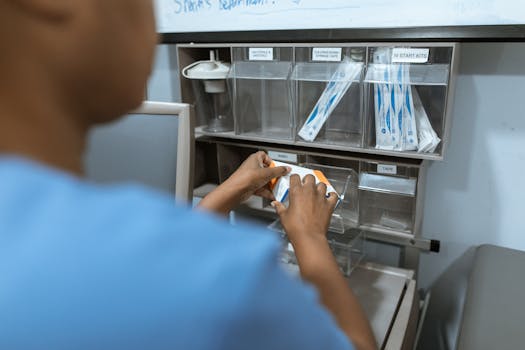 Photo: RDNE Stock project / Pexels
Essential Categories of Medical Supplies for Home Care
Photo: RDNE Stock project / Pexels
Navigating Procurement and Insurance for Medical Supplies
 Photo: Leeloo The First / Pexels
Tips for Effective Management and Common Mistakes to Avoid
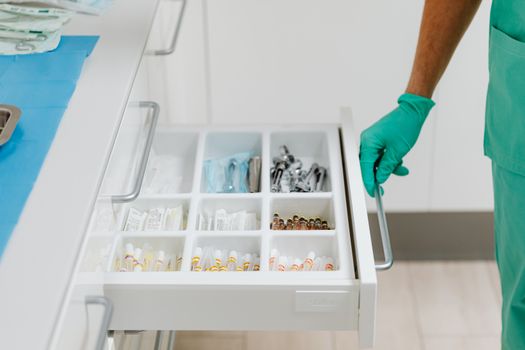 Photo: www.kaboompics.com / Pexels
Comparison
| Feature | Online Medical Supply Store | Local Pharmacy/Medical Supply Store | Direct from Manufacturer |
|---|---|---|---|
| Product Range | Very broad, specialized items | Moderate, common items | Limited to own brands |
| Pricing | Often competitive, bulk discounts | Can be higher, occasional sales | Variable, sometimes premium |
| Convenience | High (delivery to door) | Moderate (in-person pickup) | Moderate (online ordering, direct shipping) |
| Insurance Support | Good, specialists available | Good, local expertise | Variable, depends on manufacturer |
| Immediate Need | ✗ | ✓ | ✗ |
| Expert Advice | Online chat/phone support | In-person consultation | Product-specific support |
What Readers Say
"Finding the right medical supplies for home care delivery for my elderly mother was daunting. This guide helped me understand what I needed and where to get it, making her transition to home care so much smoother. The section on insurance was particularly helpful."
Sarah J. · Austin, TX"After my surgery, I relied heavily on home care. The detailed information about wound care supplies and mobility aids here ensured my wife had everything she needed. It drastically reduced our stress during my recovery at home."
Mark D. · Chicago, IL"This article was a godsend. We implemented the inventory system for my father's diabetes supplies, and we haven't run out of anything critical since. It made managing his medical needs at home much more efficient and worry-free."
Emily R. · Miami, FL"While the information on DME was excellent, I wish there was a bit more detail on specific brands or models of equipment. However, the overall guidance on procurement and insurance coverage for medical supplies for home care delivery was invaluable."
David L. · Seattle, WA"As a home health aide, I often recommend resources to families. This guide on medical supplies for home care delivery is one of the best I've seen. It covers all the essentials in an easy-to-understand format, empowering families to provide better care."
Jessica M. · Denver, COFrequently Asked Questions
What are the most essential medical supplies for basic home care delivery?
For basic home care, essential supplies include items for wound care (bandages, antiseptic, sterile gloves), personal hygiene (incontinence products if needed), mobility aids (cane, walker), and monitoring devices (thermometer, blood pressure cuff). The specific needs will vary based on the individual's condition, so always consult with a healthcare professional.
How can I ensure the safety and hygiene of medical supplies at home?
To ensure safety and hygiene, store all medical supplies in a clean, dry, and easily accessible location away from direct sunlight or extreme temperatures. Always check expiration dates, follow manufacturer's instructions for use and cleaning, and dispose of used or expired items properly according to medical waste guidelines.
How do I get medical supplies for home care delivery covered by insurance?
To get coverage, you typically need a prescription or doctor's order stating the medical necessity of the supplies. Contact your insurance provider (Medicare, Medicaid, or private) to understand your specific benefits, deductibles, co-pays, and any preferred suppliers. Many medical supply companies can also assist with insurance claims.
Is it more cost-effective to buy or rent durable medical equipment (DME) for home care?
The cost-effectiveness of buying versus renting DME depends on the anticipated duration of need. For short-term use (e.g., post-surgery recovery), renting is often more economical. For long-term or permanent needs, purchasing may be more cost-effective in the long run. Always compare total rental costs with the purchase price.
What's the difference between over-the-counter and prescription medical supplies?
Over-the-counter medical supplies can be purchased without a doctor's order and typically include basic items like bandages, gauze, and some braces. Prescription medical supplies, often DME or specialized wound care products, require a doctor's order and are usually covered by insurance, as they are deemed medically necessary for a specific condition.
Who should use medical supplies for home care delivery?
Medical supplies for home care delivery are for anyone receiving care at home, including individuals recovering from surgery, managing chronic conditions, living with disabilities, or needing end-of-life care. They are essential for patients of all ages, from infants to the elderly, to maintain health and comfort in their home environment.
Are there risks associated with using medical supplies at home without professional supervision?
Yes, there can be risks. Improper use of medical supplies, incorrect dosage of medications, or unsterile wound care can lead to infections, complications, or ineffective treatment. It's crucial for caregivers to receive proper training and to consult healthcare professionals regularly to ensure safe and appropriate use of all home medical supplies.
What future trends are expected in medical supplies for home care delivery?
Future trends include increased integration of smart technology and IoT devices for remote monitoring and telehealth, more personalized and specialized disposable supplies, and advancements in user-friendly durable medical equipment. There will also be a growing emphasis on sustainable and eco-friendly medical products to reduce environmental impact.
Empower yourself and your loved ones with the right medical supplies for home care delivery. Explore our comprehensive resources and trusted suppliers to ensure a safe, comfortable, and effective home care environment for optimal well-being.