How to schedule an MRI scan in New York: Your Complete Guide
schedule an mri scan in new york

How to schedule an MRI scan in New York: Your Complete Guide

Unlock comprehensive insights and practical steps for scheduling your MRI in New York City.

Find Your MRI Center

Key Takeaways

  • ✓ New York City offers a vast network of MRI facilities, from large hospitals to independent imaging centers.
  • ✓ Insurance coverage for MRI scans varies significantly; always verify with your provider and the imaging center.
  • ✓ Preparation for an MRI can include fasting, avoiding certain medications, and removing metal objects.
  • ✓ Choosing between a high-field, open, or wide-bore MRI depends on your specific needs and comfort level.

How It Works

1
Obtain a Physician's Referral

Most MRI scans require a referral or prescription from a licensed physician. This ensures the scan is medically necessary and guides the imaging center on the specific area to examine.

2
Research and Choose a Facility

Explore various MRI centers in NYC based on location, insurance acceptance, type of MRI machine, and patient reviews. Consider factors like accreditation and specialization.

3
Verify Insurance & Cost

Contact your insurance provider to understand your coverage, deductibles, and co-pays for MRI scans. Get a detailed cost estimate from the chosen facility, especially if uninsured.

4
Prepare for Your Appointment

Follow all pre-scan instructions provided by the imaging center, which may include dietary restrictions, medication adjustments, and removal of all metal items before arrival.

Navigating the New York MRI Landscape: Your Options
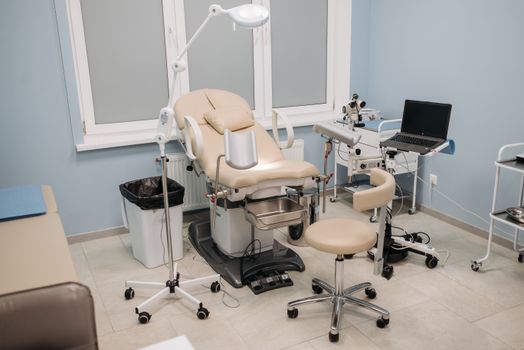
Clean and well-equipped medical office featuring an examination chair and various medical tools. Photo: Pavel Danilyuk / Pexels
Scheduling an MRI scan in New York can seem like a daunting task given the sheer number of medical facilities available. However, understanding the landscape and your options is the first crucial step towards a smooth experience. New York City, and the wider New York state, boasts a diverse range of MRI providers, from world-renowned university hospitals like NYU Langone and NewYork-Presbyterian to specialized independent diagnostic imaging centers and smaller community clinics. Each type of facility offers different advantages. Large hospital systems often have the latest technology, a wide array of specialists on staff for immediate consultation, and can handle complex cases, but may also come with higher costs and longer wait times. Independent imaging centers, on the other hand, frequently offer more competitive pricing, faster scheduling, and a more streamlined patient experience, often focusing solely on diagnostic imaging. When you schedule an MRI scan in New York, consider what matters most to you: proximity, cost, specific machine type (e.g., open MRI for claustrophobia), or the reputation of the interpreting radiologists. It's advisable to start by checking which facilities are in-network with your health insurance plan to minimize out-of-pocket expenses. Many imaging centers also provide price transparency tools or can give you an estimate over the phone. Don't hesitate to ask about their accreditation (e.g., ACR – American College of Radiology) as this indicates a commitment to high standards of quality and safety. For those needing specialized scans, such as cardiac MRI or functional MRI, ensure the facility has the specific expertise and equipment required. Some centers specialize in neurological imaging, while others might focus on musculoskeletal issues. Researching these details upfront will save you time and ensure you receive the most appropriate and accurate diagnostic imaging. Understanding the nuances of each provider type will empower you to make an informed decision when it's time to select your MRI provider.

Understanding MRI Scan Types and Preparation Guidelines
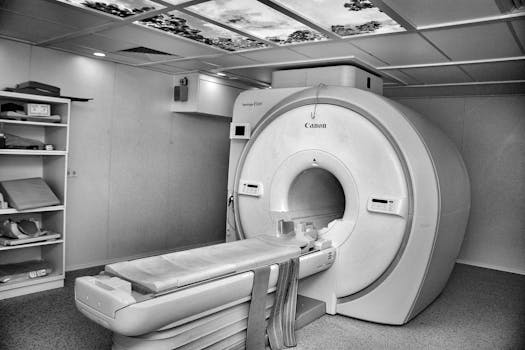
Black and white image of a modern MRI machine in a hospital room with overhead ceiling art. Photo: sirmudi_photography / Pexels
Before you schedule an MRI scan in New York, it’s essential to understand that not all MRI machines are created equal, and preparation varies significantly based on the type of scan you're undergoing. The most common MRI types include closed-bore, open, and wide-bore machines. Closed-bore MRIs offer the highest magnetic field strength, leading to superior image quality, but can be challenging for claustrophobic patients due to their tunnel-like design. Open MRIs provide a more spacious experience, ideal for those with anxiety or larger body types, though they typically have lower field strengths and may produce slightly less detailed images. Wide-bore MRIs strike a balance, offering a larger opening than traditional closed-bore systems while maintaining good image quality. Discuss with your referring physician which type of MRI is best suited for your condition and comfort level. Beyond the machine type, preparation is critical for an accurate scan. General guidelines universally include removing all metal objects – jewelry, watches, hearing aids, dentures, and even some makeup – as these can interfere with the magnetic field and distort images or pose a safety risk. You'll also need to inform the facility about any implanted medical devices, such as pacemakers, cochlear implants, or metal clips from previous surgeries, as some are MRI-incompatible. For certain scans, especially those involving the abdomen or pelvis, you might be instructed to fast for several hours beforehand or to avoid specific foods and drinks. If your MRI requires a contrast agent (gadolinium), you'll be asked about allergies, kidney function, and potentially advised to drink plenty of water before and after the procedure to help flush the agent from your system. Always communicate any concerns, anxieties, or medical conditions, like kidney disease or pregnancy, to both your doctor and the MRI staff. They can provide specific instructions and make necessary accommodations to ensure your safety and the success of the scan. Adhering to these preparation guidelines is paramount for obtaining clear, diagnostic images that aid in accurate diagnosis and treatment planning.

Insurance, Costs, and Financial Assistance for MRI in NYC

A healthcare professional processes a patient's card payment at the clinic reception. Photo: www.kaboompics.com / Pexels
The financial aspect of healthcare, particularly for advanced diagnostic imaging like an MRI, is a significant concern for many New Yorkers. When you plan to schedule an MRI scan in New York, understanding your insurance coverage and potential out-of-pocket costs is vital. Most health insurance plans cover medically necessary MRI scans, but the extent of coverage varies widely. Key terms to familiarize yourself with include your deductible (the amount you must pay before your insurance starts covering costs), co-pay (a fixed amount you pay for a covered service), and co-insurance (a percentage of the cost you pay after your deductible is met). It's always best practice to contact your insurance provider directly before your appointment to confirm coverage details, inquire about pre-authorization requirements, and understand your financial responsibility. Many insurance companies have specific networks of preferred providers, and choosing an out-of-network facility could lead to substantially higher costs. For those without insurance or with high-deductible plans, negotiating cash prices with imaging centers is often possible. Independent diagnostic centers frequently offer discounted rates for self-pay patients compared to large hospital systems. Don't be afraid to shop around and ask for a detailed price quote, including the scan itself, radiologist's interpretation fee, and any contrast agent costs. Some facilities may offer payment plans or financial assistance programs. New York State also has initiatives and programs aimed at making healthcare more accessible. For instance, some clinics offer sliding scale fees based on income. Organizations like the New York State Department of Health can sometimes provide resources or direct you to assistance programs. Additionally, if you have a health savings account (HSA) or flexible spending account (FSA), these funds can be used to cover MRI expenses. Being proactive in understanding and managing the financial side of your MRI scan in New York will help prevent unexpected bills and ensure you receive the care you need without undue financial burden. It's a critical step in the overall process of accessing quality medical care.

Tips for a Smooth MRI Experience and Avoiding Common Pitfalls
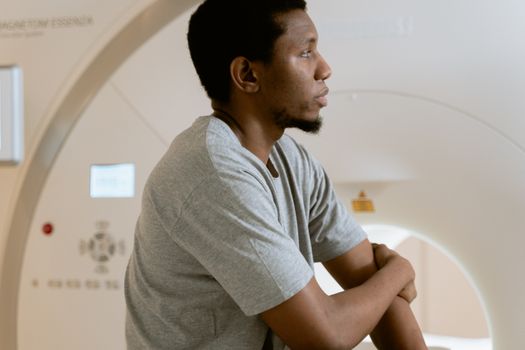
A man sits before a CT scanner, preparing for a medical examination, conveying a sense of anticipation. Photo: MART PRODUCTION / Pexels
Scheduling and undergoing an MRI scan can be stressful, but with careful planning, you can ensure a smoother experience. Here are some key tips and common pitfalls to avoid when you schedule an MRI scan in New York: * **Confirm All Appointments:** Double-check the date, time, and location of your MRI appointment. New York City is vast, and facilities can have multiple locations. Confirming prevents missed appointments and ensures you arrive at the correct place. * **Arrive Early:** Plan to arrive at least 15-30 minutes before your scheduled scan. This allows time for registration, paperwork, and any last-minute preparation, reducing stress and ensuring your scan starts on time. * **Communicate Concerns:** If you are claustrophobic, anxious, or have any other concerns, inform the staff immediately. They can often provide comfort measures like blankets, earplugs, music, or even sedation if prescribed by your doctor. Many facilities also offer open or wide-bore MRI options. * **Dress Comfortably:** Wear loose, comfortable clothing without any metal fasteners, zippers, or embellishments. You may be asked to change into a gown, but comfortable clothing underneath can make the process more pleasant. * **Stay Still:** The most crucial part of an MRI is remaining absolutely still during the scan. Even slight movements can blur images, potentially requiring repeat scans and extending your time in the machine. Practice deep breathing exercises to help you relax. * **Ask for Results Timeline:** Before you leave, ask when and how you will receive your results. Will they be sent to your referring physician directly, or will you access them through a patient portal? Understanding this helps manage expectations and follow-up. * **Avoid Hidden Costs:** Always ask for a comprehensive quote that includes all fees: the technical fee for the scan, the radiologist's interpretation fee, and any charges for contrast agents. This prevents surprises later. * **Verify Referrals:** Ensure your doctor's referral or prescription is complete and sent to the imaging center ahead of time. Incomplete referrals can lead to delays or even cancellation of your appointment.

Comparison

FeatureHospital-Based MRIIndependent Imaging CenterOpen MRI Facility
TechnologyLatest, high-fieldModern, varied fieldLower field, spacious
CostOften higherGenerally lowerMid-range
Wait TimesPotentially longerShorter, flexibleCan be specialized
Comfort for Claustrophobia✓ (wide-bore options)
Comprehensive Care✗ (referral to specialist)✗ (referral to specialist)

What Readers Say

"I needed to schedule an MRI scan in New York urgently, and this guide helped me find an accredited center that accepted my insurance. The process was so much smoother than I expected, from booking to getting my results quickly."

Sarah J. · Manhattan, NY

"As someone with claustrophobia, finding an open MRI was crucial. This resource pointed me to several excellent options in Brooklyn. The staff were understanding, and the scan was comfortable. Highly recommend using these tips!"

David R. · Brooklyn, NY

"The information on insurance and cost negotiation was invaluable. I was able to save hundreds of dollars on my MRI by following the advice to call around and verify my benefits before I decided where to schedule an MRI scan in New York."

Maria K. · Queens, NY

"The guide was very comprehensive. I found a good facility, though the wait time for the appointment was still a bit long. However, the preparation tips ensured I was ready, and the scan itself went without a hitch."

Michael S. · Bronx, NY

"My doctor needed a very specific type of MRI for my knee. This article helped me understand the different MRI types and choose a center on Staten Island that had the precise equipment and expertise. Excellent resource!"

Jessica L. · Staten Island, NY

Frequently Asked Questions

What is the average cost to schedule an MRI scan in New York?

The cost of an MRI scan in New York can vary significantly, ranging from $500 to $5,000 or more, depending on the body part scanned, whether a contrast agent is used, the type of facility (hospital vs. independent center), and your insurance coverage. Always get a detailed quote.

Will my insurance cover my MRI scan in NYC?

Most health insurance plans cover medically necessary MRI scans. However, you typically need a physician's referral and often pre-authorization from your insurer. It's crucial to contact your insurance provider directly to understand your specific benefits, deductibles, co-pays, and in-network facilities.

How do I find an MRI center that offers open MRI in New York?

To find an open MRI center, you can use online search engines with terms like 'open MRI New York City,' check facility websites, or ask your referring physician for recommendations. Many independent imaging centers specialize in open or wide-bore MRI machines to accommodate claustrophobic or larger patients.

What should I do to prepare for my MRI appointment?

Preparation usually involves removing all metal objects (jewelry, watches, glasses), informing staff about any implanted medical devices, and potentially fasting or avoiding certain medications depending on the scan type. Always follow the specific instructions provided by your imaging center.

Is there a difference in MRI image quality between hospital and independent imaging centers?

While hospital systems often have the newest, highest-field MRI machines, many independent imaging centers also invest in state-of-the-art equipment. The key is to ensure the facility is accredited (e.g., by the ACR) and that the interpreting radiologists are board-certified, regardless of the facility type.

Who should consider an MRI scan?

An MRI scan is typically recommended by a physician to diagnose a wide range of conditions affecting soft tissues, organs, and bones, including neurological disorders, musculoskeletal injuries, abdominal issues, and certain types of cancer. It's a non-invasive tool for detailed internal imaging.

Are MRI scans safe?

MRI scans are generally considered very safe as they do not use ionizing radiation (like X-rays or CT scans). The primary safety concerns relate to strong magnetic fields and implanted metal objects. Always inform the staff of any metal in or on your body to ensure your safety.

What advancements are being made in MRI technology for New York patients?

New York is often at the forefront of medical innovation. Advancements include ultra-high-field MRIs for more detailed imaging, faster scan sequences to reduce patient time in the machine, and specialized functional MRIs (fMRI) for brain activity mapping. AI is also increasingly used to enhance image quality and speed up interpretation.

Don't let the process of scheduling an MRI scan in New York overwhelm you. With this comprehensive guide, you're now equipped to make informed decisions, understand your options, and confidently navigate your path to diagnostic imaging. Take the next step towards clarity and health today.

Topics: schedule an mri scan in new yorkMRI NYC costMRI facilities New YorkMRI preparation guideimaging centers NYC
Leo List
Brampton weed
Adultwork EstrelaBet Vai de Bet R7 Bet Betão Galera Bet Rainbet Bet9ja Shop SportyBet BetKing Sisal Loto Foot Hollywoodbets YesPlay Odibets RushBet Jugabet BetWarrior BetCity MSport betPawa Fortebet