How to Prepare for a Colonoscopy: Your Ultimate Guide
Master your colonoscopy preparation with our expert advice for a comfortable experience and accurate screening results.
Start Your Prep NowKey Takeaways
- ✓ Proper preparation is crucial for an effective colonoscopy.
- ✓ Your diet will change significantly in the days leading up to the procedure.
- ✓ Bowel preparation medications are essential for clearing your colon.
- ✓ Hydration is key throughout the entire preparation process.
How It Works
Before starting any preparation, discuss your medical history, current medications, and any concerns with your gastroenterologist. They will provide specific instructions tailored to your health.
Several days before your colonoscopy, you'll transition to a low-fiber diet, culminating in a clear liquid diet the day before. This helps minimize solid waste in your colon.
The evening before (and sometimes the morning of) your procedure, you will drink a prescribed bowel cleansing solution. This powerful laxative will thoroughly empty your colon.
On the day of your colonoscopy, follow all fasting instructions and arrive at the facility with a clean, empty colon. Anesthesia will ensure a comfortable and pain-free experience.
Understanding the Importance of Colonoscopy Preparation
 Photo: cottonbro studio / Pexels
Imagine trying to inspect a pipe that's filled with debris; you wouldn't be able to see any blockages or imperfections clearly. The same principle applies to your colon. If your colon isn't completely clean, your doctor might miss polyps, lesions, or other abnormalities that could be early signs of cancer or other digestive issues. Missed findings can lead to delayed diagnoses, more advanced disease, and potentially more invasive treatments down the line. In some cases, inadequate preparation might even necessitate repeating the entire procedure, which means undergoing the prep all over again.
The goal of colonoscopy preparation is to ensure the colon lining is perfectly visible. This means removing all solid waste, leaving only a clear, yellowish liquid. Your gastroenterologist relies on this unobstructed view to meticulously examine every inch of your colon, from the rectum to the cecum. A clean colon allows for precise identification of polyps, which are small growths that can sometimes become cancerous. If polyps are found, they can often be removed during the same procedure, effectively preventing cancer before it even starts.
Beyond cancer screening, colonoscopies are also used to investigate symptoms like abdominal pain, rectal bleeding, chronic constipation or diarrhea, and unexplained weight loss. For these diagnostic purposes, a clear view is equally paramount to identify conditions such as inflammatory bowel disease (Crohn's disease or ulcerative colitis), diverticulosis, or sources of bleeding.
Your doctor will provide detailed instructions, and it's essential to follow them meticulously. Don't hesitate to ask questions if anything is unclear. Remember, this preparation is a temporary inconvenience for a potentially life-saving outcome. By committing to a thorough prep, you are actively participating in safeguarding your health and giving your medical team the best possible chance to provide an accurate diagnosis and effective treatment. For more general information on colorectal cancer screening, consider exploring resources on preventative health screenings.
The Diet Before Your Colonoscopy: What to Eat and Avoid
 Photo: Thirdman / Pexels
Approximately 3-5 days before your colonoscopy, you'll usually be advised to switch to a low-fiber diet. This means avoiding whole grains, nuts, seeds, raw fruits and vegetables, legumes, and tough meats. The rationale is simple: fiber adds bulk to your stool and takes longer to digest, making it harder to clear completely from your colon. Instead, focus on easily digestible foods like white bread, white rice, pasta, lean proteins (chicken, fish, eggs), and well-cooked, peeled vegetables without seeds. Small portions of soft, plain dairy products like yogurt (without fruit or nuts) might also be permitted.
The day before your colonoscopy is the most restrictive phase: the clear liquid diet. This is non-negotiable and absolutely essential for a clean colon. A clear liquid is any liquid you can see through. This includes water, clear broth (chicken or beef bouillon, no solids), apple juice (no pulp), white grape juice, clear sports drinks (like Gatorade or Powerade, avoiding red, blue, or purple dyes), plain gelatin (Jell-O, again, no red, blue, or purple), and clear sodas like Sprite or ginger ale. Coffee or tea without milk or cream is also allowed. It's crucial to avoid anything with solid particles, milk, cream, pulp, or red/purple dyes. The dyes can stain the colon lining, making it difficult for the doctor to distinguish between dye residue and actual tissue abnormalities. Remember to stay well-hydrated throughout this day, as you'll be losing a lot of fluids during the bowel prep.
While on the clear liquid diet, it's common to feel hungry. Try to consume a variety of permitted clear liquids to keep your energy levels up and prevent dehydration. Broth can provide some electrolytes, and clear juices offer calories. Avoid alcohol entirely. Adhering strictly to these dietary guidelines will significantly improve the chances of a successful and complete examination, making the entire procedure more effective and reducing the likelihood of needing a repeat colonoscopy due to poor preparation.
Navigating the Bowel Preparation Solutions: A Step-by-Step Guide
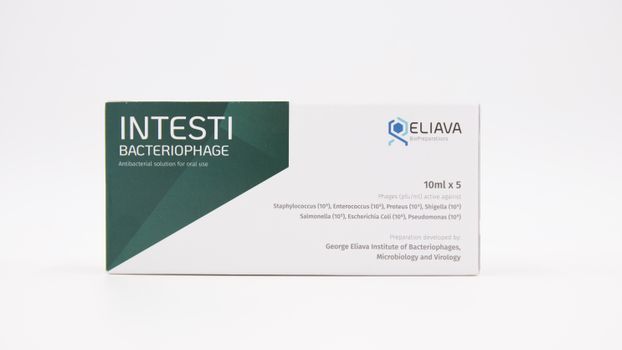 Photo: George Shervashidze / Pexels
Your doctor will provide detailed, specific instructions on when and how to take your particular prep solution. It's vital to follow these instructions precisely. Most preps involve a 'split-dose' regimen, where you drink half the solution the evening before the procedure and the second half several hours before your scheduled appointment on the morning of the colonoscopy. This split-dose approach is often preferred because it results in a cleaner colon and is generally better tolerated than taking the entire solution at once.
Tips for making the prep more manageable: First, chill the solution. Many patients find it easier to drink when it's cold. You can also try drinking it through a straw, aiming for the back of your throat to bypass some taste buds. Some people find that sucking on a lemon wedge or a clear hard candy (not red, blue, or purple) immediately after each glass can help with the taste. Set a timer and drink a glass every 10-15 minutes until the entire portion is consumed. Don't rush, but don't delay either. Staying near a bathroom is essential once you start drinking the solution. You will experience frequent, watery bowel movements, which is exactly what should happen. This process can be dehydrating, so continue to drink plenty of clear liquids (water, clear broth, clear sports drinks) in between doses of the prep solution to replenish fluids and electrolytes.
It's normal to experience bloating, nausea, and abdominal cramping during the prep. If you experience severe pain, excessive vomiting, or feel dizzy, contact your doctor's office immediately. Remember to stop all clear liquids and the bowel prep solution at the time instructed by your doctor, typically 2-4 hours before your procedure, to ensure your stomach is empty for anesthesia. For more information on managing discomfort during medical procedures, you might find our article on managing anxiety before medical tests helpful.
Essential Tips and Common Mistakes to Avoid During Preparation
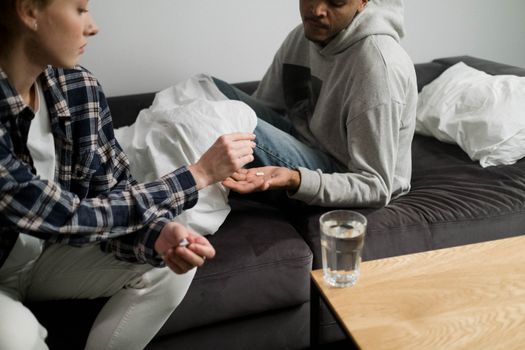 Photo: Ron Lach / Pexels
Essential Tips:
- Read Instructions Early: Don't wait until the last minute. Read all instructions from your doctor at least a week in advance. This gives you time to ask questions, buy necessary supplies, and plan your diet.
- Stock Up: Purchase your bowel prep solution, clear liquids, and low-fiber foods well before the prep day. Having everything on hand reduces stress.
- Hydrate, Hydrate, Hydrate: Beyond the prep solution, continuously drink clear liquids. This helps prevent dehydration, which can make the process much more uncomfortable.
- Stay Home: Plan to stay home the entire day of your prep. Clear your schedule, arrange for childcare if needed, and ensure easy access to a bathroom.
- Comfort Measures: Have soft toilet paper, wet wipes, and perhaps some soothing cream (like Vaseline or diaper rash cream) on hand to prevent skin irritation from frequent bowel movements.
- Arrange Transportation: You will receive sedation for the procedure and will not be able to drive yourself home. Arrange for a trusted friend or family member to pick you up.
- Dress Comfortably: On the day of the procedure, wear loose, comfortable clothing.
Common Mistakes to Avoid:
- Ignoring Dietary Restrictions: Even a small amount of solid food on the clear liquid diet day can compromise the prep. Absolutely no solid food after you start the clear liquid diet.
- Not Finishing the Prep Solution: It's challenging, but crucial to drink all of the prescribed solution. Stopping early will lead to an incomplete prep.
- Drinking Red/Purple Liquids: These dyes can mimic blood in the colon, leading to confusion during the examination. Stick to clear, light-colored liquids.
- Taking Medications Incorrectly: Discuss all your medications with your doctor beforehand. Some, like blood thinners or iron supplements, may need to be stopped or adjusted. Do not take them on your own accord.
- Dehydration: While the prep cleanses your colon, it also flushes out fluids. Not drinking enough additional clear liquids can lead to dizziness, weakness, and headaches.
- Waiting Too Long to Start: Begin the low-fiber diet and the clear liquid diet exactly when instructed. Rushing or delaying can impact effectiveness.
- Not Asking Questions: If any part of the instructions is unclear, call your doctor's office. It's better to clarify than to make a mistake.
By being prepared and diligent, you can significantly improve your comfort and the overall success of your colonoscopy.
Comparison
| Feature | Standard PEG Prep | Low-Volume Prep (e.g., MoviPrep) | Pill-Based Prep (e.g., SUTAB) |
|---|---|---|---|
| Liquid Volume | Large (2-4 liters) | Moderate (1-2 liters) | Minimal (with water) |
| Taste | Can be challenging | Often improved, flavored | No taste (pills) |
| Effectiveness | Excellent | Excellent | Excellent |
| Ease of Use | Requires commitment to drink large volume | Easier to consume less liquid | Swallowing many pills required |
| Common Side Effects | Nausea, bloating | Nausea, bloating | Nausea, abdominal discomfort |
| Cost | Typically lower | Moderate | Higher |
What Readers Say
"I followed all the instructions for my colonoscopy prep, chilling the solution and using a straw. It wasn't pleasant, but it was manageable, and my doctor said my colon was perfectly clean!"
Sarah J. · Austin, TX"The clear liquid diet was tougher than I thought, but sticking to it made a huge difference. My doctor found and removed a small polyp, which was a relief. Great guide to help me through."
Michael D. · Chicago, IL"This guide helped me understand why the prep was so important. I focused on staying hydrated with clear broths and sports drinks, and my procedure was successful with clear results."
Emily R. · Seattle, WA"The prep wasn't fun, but knowing what to expect from this article made it less daunting. I wish I had known about the lemon trick sooner, but overall, a very helpful resource."
David K. · Miami, FL"My first colonoscopy. I used the split-dose method, and while it meant an early start, my doctor praised my clean colon. This detailed prep information was invaluable."
Jessica L. · Denver, COFrequently Asked Questions
What is the most important part of preparing for a colonoscopy?
The most important part is achieving a thoroughly clean colon. This involves strictly adhering to the prescribed clear liquid diet and completing the entire bowel preparation solution, as directed by your doctor. A clean colon ensures your doctor has an unobstructed view, allowing for accurate detection and removal of polyps or other abnormalities.
I'm worried about the taste of the prep solution. What can I do?
Many people find the taste challenging. Chilling the solution thoroughly, drinking it through a straw aimed at the back of your throat, and immediately sucking on a lemon wedge or clear hard candy (not red, blue, or purple) after each glass can help mask the taste. Some preps come with flavoring packets, or you can mix some solutions with clear sports drinks.
How do I know if my colon is clean enough?
Your bowel movements should be clear or a very light yellow, without any solid particles. It should look similar to urine. If your bowel movements are still dark, cloudy, or contain solid matter, you may need to contact your doctor, especially if you haven't finished your prep solution or if there's still time before your procedure.
Is a colonoscopy preparation expensive?
The cost of colonoscopy preparation solutions can vary depending on the type prescribed and your insurance coverage. Generic versions are often less expensive. The procedure itself is usually covered by insurance for screening purposes, especially after age 45. It's best to check with your insurance provider and your doctor's office regarding specific costs.
Are there alternatives to the standard liquid bowel prep?
Yes, there are some alternative bowel preparations, including low-volume solutions and pill-based preps. These are often designed to be more palatable or easier to consume. However, they may not be suitable for everyone and require a prescription, so discuss these options with your doctor to determine if one is right for you.
Who should undergo a colonoscopy?
A colonoscopy is generally recommended for individuals starting at age 45 for routine colorectal cancer screening, or earlier if you have a family history of colorectal cancer or polyps, or if you are experiencing symptoms such as rectal bleeding, changes in bowel habits, or unexplained abdominal pain. Your doctor will determine the appropriate screening schedule for you.
What are the risks associated with colonoscopy prep?
The main risks associated with the prep itself are dehydration, electrolyte imbalances, nausea, vomiting, and abdominal discomfort. Rarely, serious issues like kidney problems can occur, especially with certain types of prep or in individuals with pre-existing conditions. It's crucial to follow your doctor's instructions precisely and report any severe symptoms.
Will colonoscopy prep methods become easier in the future?
Medical research is continuously exploring new and improved colonoscopy prep methods. Efforts are focused on reducing the volume of liquid, improving palatability, and minimizing side effects, potentially through novel formulations or delivery methods. While significant changes happen gradually, the trend is towards more patient-friendly options.
Preparing for a colonoscopy can feel daunting, but with the right knowledge and adherence to your doctor's instructions, you can ensure a successful procedure and optimal health outcomes. Take charge of your health by following this guide on how to prepare for a colonoscopy, and don't hesitate to communicate any concerns with your medical team.