How to Prepare for a Colonoscopy: Your Ultimate Guide
how to prepare for a colonoscopy

How to Prepare for a Colonoscopy: Your Ultimate Guide

Master your colonoscopy preparation with expert tips for a smooth, effective, and stress-free experience.

Start Your Prep Now

Key Takeaways

  • ✓ Proper preparation is crucial for an accurate colonoscopy.
  • ✓ Dietary restrictions begin several days before the procedure.
  • ✓ Bowel cleansing is the most critical step and requires adherence.
  • ✓ Discuss all medications with your doctor well in advance.

How It Works

1
Consult Your Doctor

Before anything else, have a detailed discussion with your gastroenterologist. Understand the specific instructions and ask any questions you may have about your health conditions or medications.

2
Adjust Your Diet

Several days before your colonoscopy, you'll need to transition to a low-fiber diet, culminating in a clear liquid diet the day before. This helps minimize solid waste in your colon.

3
Complete Bowel Prep

The most vital step involves consuming a prescribed laxative solution to thoroughly cleanse your colon. Follow the timing and dosage instructions meticulously for the best results.

4
Arrive Prepared

On the day of the procedure, ensure you have arranged for transportation home and have followed all fasting instructions. Relax, knowing you've done everything to ensure a successful examination.

Understanding the Importance of Colonoscopy Preparation

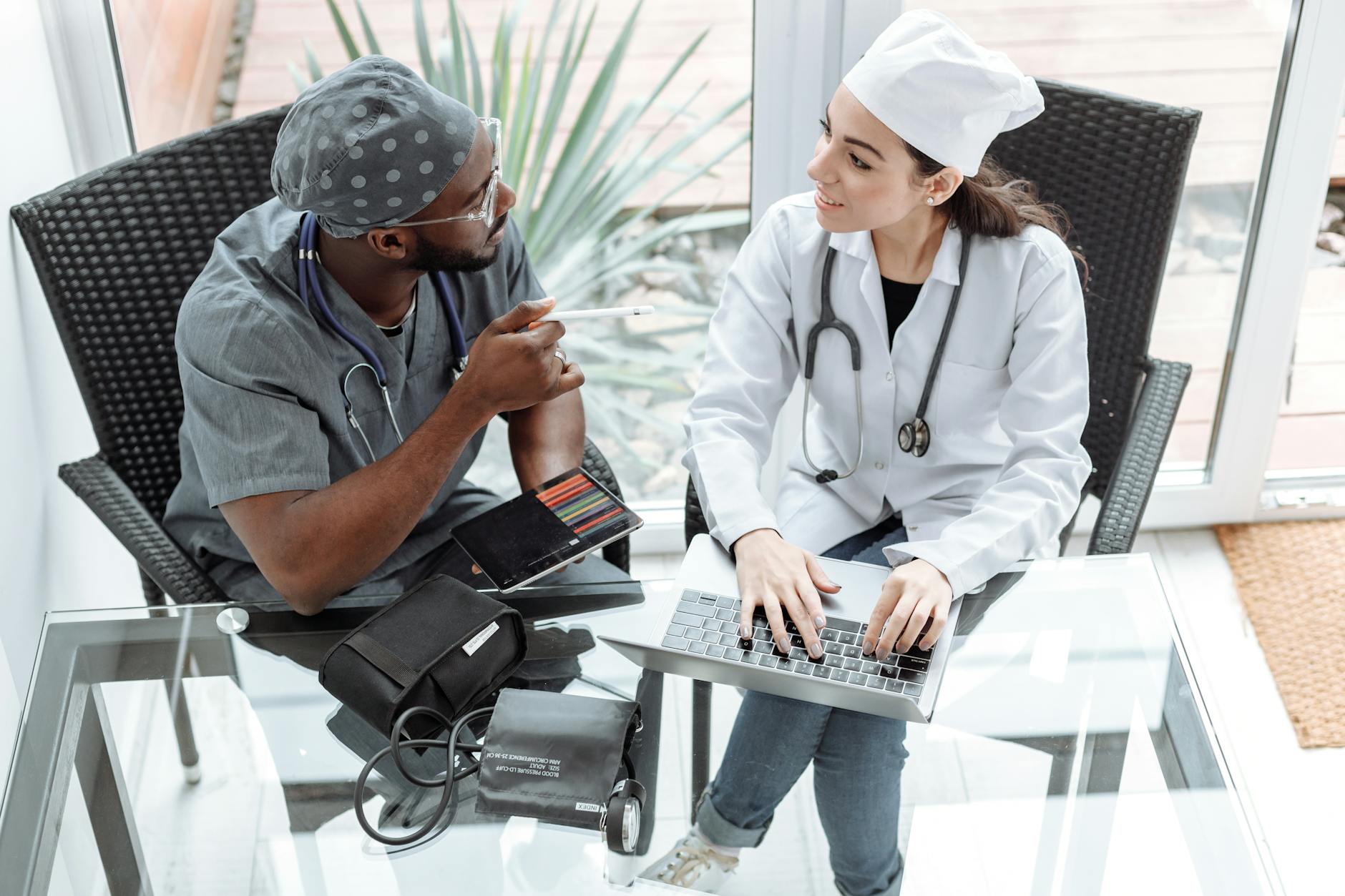
A female doctor consulting a patient in a modern medical office setting. Photo: cottonbro studio / Pexels
A colonoscopy is a vital diagnostic and preventative procedure used to detect changes or abnormalities in the large intestine (colon) and rectum. It's the gold standard for screening for colorectal cancer, polyps, inflammation, and other conditions. However, the success and accuracy of this procedure hinge almost entirely on one critical factor: the quality of your bowel preparation. Without a thoroughly clean colon, your doctor may not be able to adequately visualize the lining of your intestine, potentially missing polyps or other lesions. This can lead to the need for a repeat procedure sooner than expected, or worse, a missed diagnosis. Many patients express anxiety about the preparation phase, often deeming it more challenging than the procedure itself. While it requires commitment and adherence to specific instructions, understanding *why* each step is necessary can help alleviate concerns and motivate you to follow the regimen precisely. Imagine trying to find a tiny needle in a haystack – that's what a gastroenterologist faces if your colon isn't clear. Polyps, which are small growths that can sometimes become cancerous, can hide behind residual stool. A clean colon allows for clear visualization, enabling your doctor to identify and remove these polyps during the same procedure, effectively preventing cancer before it starts. This proactive approach underscores the immense value of enduring the temporary discomfort of preparation. Your doctor will provide you with detailed instructions specific to your health and the prep solution prescribed. It is paramount to read these instructions carefully, usually several days to a week before your appointment. Don't hesitate to contact your doctor's office with any questions or concerns you might have. Ignoring instructions or making assumptions can compromise the quality of the exam. For instance, certain medications, like blood thinners or diabetes medications, may need to be adjusted or temporarily stopped. Similarly, dietary restrictions begin days in advance, not just the day before. This advanced planning and strict adherence are your best tools for ensuring a successful and effective colonoscopy. Remember, this procedure is a powerful tool for maintaining your long-term health, and your diligent preparation plays a direct role in its efficacy. For more general information on preventative health measures, consider exploring resources on proactive health screening.

The Pre-Colonoscopy Diet: What You Can and Cannot Eat

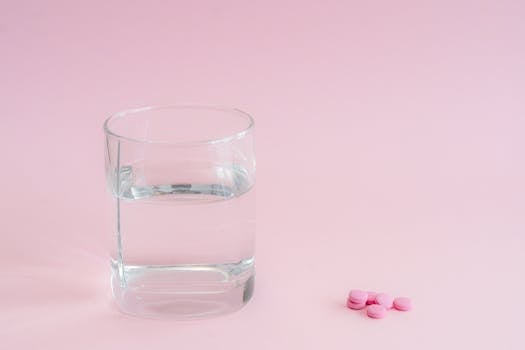
Minimalist image of a glass of water and pink pills on a pastel background, suitable for health themes. Photo: SHVETS production / Pexels
Dietary adjustments are a cornerstone of effective colonoscopy preparation, beginning several days before your scheduled procedure. The primary goal is to minimize the amount of solid waste in your digestive system, making the bowel cleansing process more efficient and successful. Typically, a low-fiber diet is recommended starting about 3-5 days before your colonoscopy, transitioning to a strict clear liquid diet the day before. Understanding these phases is crucial for a successful outcome. **3-5 Days Before Your Colonoscopy: Low-Fiber Diet** During this period, the focus is on foods that are easily digestible and leave minimal residue. You should strictly avoid high-fiber foods, which include: * **Whole Grains:** Whole-wheat bread, oats, brown rice, quinoa, cereals with nuts or seeds. * **Nuts and Seeds:** All nuts, seeds (including poppy, sesame, and those in berries/breads), and foods containing them. * **Raw Fruits and Vegetables:** Especially those with skins or seeds. Cooked vegetables should be peeled and seedless. * **Legumes:** Beans, lentils, peas. * **Tough Meats:** Fatty cuts of meat or those with gristle. Instead, opt for: * **Refined Grains:** White bread, white rice, plain pasta, crackers (without seeds). * **Lean Proteins:** Skinless chicken or turkey, fish, eggs, tofu. * **Cooked Vegetables (peeled and seedless):** Well-cooked potatoes (no skin), carrots, green beans. * **Dairy:** Yogurt (without fruit or nuts), plain cottage cheese, milk. * **Limited Fruits (peeled and seedless):** Ripe bananas, applesauce, canned peaches (without skin). **The Day Before Your Colonoscopy: Clear Liquid Diet** This is perhaps the most critical dietary phase. Starting from the morning of the day before your procedure, you must consume only clear liquids. No solid foods are allowed. This restriction continues until after your procedure. Examples of acceptable clear liquids include: * **Water:** Plain, sparkling, or flavored (without pulp). * **Clear Broth:** Chicken, beef, or vegetable broth (strained, no solids). * **Clear Juices:** Apple juice, white grape juice (no pulp). * **Sport Drinks:** Gatorade, Powerade (clear varieties, avoid red/purple dyes as they can stain the colon and be mistaken for blood). * **Gelatin:** Jell-O (clear colors like yellow, green, orange; avoid red/purple). * **Coffee or Tea:** Black coffee, plain tea (no milk, cream, or non-dairy creamers). * **Clear Sodas:** Ginger ale, Sprite, 7-Up. * **Hard Candies:** Clear varieties only. It is vital to avoid anything red or purple, as these dyes can mimic blood in the colon during the examination. Also, avoid alcohol entirely. Staying hydrated during this phase is essential, especially as you begin the bowel preparation solution, which can be dehydrating. Adhering strictly to this diet will significantly contribute to a successful and accurate colonoscopy, ensuring your doctor has the best possible view of your colon's interior. Remember to confirm these dietary guidelines with your doctor, as specific instructions may vary based on your individual health needs or the physician's preference.

Navigating the Bowel Cleansing Process: Tips for Success

Intravenous fluid bags hanging in front of medical imaging screens in a hospital setting. Photo: Furkan İnce / Pexels
The bowel cleansing process, often referred to as 'the prep,' is arguably the most challenging but undeniably the most important part of preparing for a colonoscopy. Its purpose is to completely empty and clean your colon, allowing your doctor an unobstructed view of the intestinal lining. There are various types of bowel preparation solutions, but they all work by inducing a powerful laxative effect. Your doctor will prescribe the specific solution and provide detailed instructions. Adhering to these instructions meticulously is non-negotiable for a successful procedure. **Understanding Your Prescribed Prep** Commonly prescribed preps include polyethylene glycol (PEG) based solutions (e.g., GoLYTELY, MiraLAX mixed with Gatorade), sodium picosulfate/magnesium oxide/citric acid (e.g., Prepopik), or sodium phosphate solutions. Each has specific mixing and dosing instructions. Some require drinking a large volume over several hours, while others involve smaller volumes but may have a more potent taste. Many protocols involve a 'split-dose' regimen, where part of the solution is consumed the evening before and the remainder in the early morning on the day of the procedure. This split-dose approach is generally more effective and better tolerated, leading to superior colon cleansing. Always follow your specific instructions, including the timing of each dose. **Tips for Making the Prep More Tolerable:** 1. **Chill the Solution:** Most people find the taste more palatable when the solution is very cold. Store it in the refrigerator for several hours before you start drinking it. 2. **Use a Straw:** Drinking through a straw, aimed towards the back of your mouth, can help bypass some of your taste buds and make consumption easier. 3. **Add Flavor (Carefully):** If your doctor allows, you can mix some clear liquids (like clear sports drink or clear apple juice) with the PEG-based solutions. Avoid red, blue, or purple dyes. Some people find adding a lemon or lime wedge to the glass, or sucking on a hard candy (not red/purple) immediately after each glass, helps with the taste. 4. **Stay Hydrated:** In addition to the prep solution, drink plenty of other clear liquids. This helps prevent dehydration and can make the process feel less overwhelming. This is particularly important for maintaining electrolyte balance. 5. **Set Up Your 'Command Center':** You'll be spending a lot of time in the bathroom. Make it as comfortable as possible. Have soft toilet paper, wet wipes, and perhaps some soothing cream (like Vaseline or diaper rash cream) ready to prevent irritation. Have entertainment options nearby – a book, tablet, or phone. 6. **Stay Close to the Bathroom:** The effects of the prep can be rapid and intense. Plan to be home and have easy access to a bathroom once you start the solution. 7. **Pace Yourself:** Don't chug the solution. Drink it steadily, as directed (e.g., 8 ounces every 10-15 minutes). If you feel nauseous, take a short break (5-10 minutes) and then resume. Contact your doctor if you experience severe nausea, vomiting, or abdominal pain that prevents you from completing the prep. 8. **Expect the Unexpected:** Your bowel movements will become frequent, watery, and eventually clear or light yellow, indicating a clean colon. This is normal and expected. Don't be alarmed by the volume or consistency. Completing the bowel prep correctly is the single most important factor for a successful colonoscopy. Your diligence here directly impacts your doctor's ability to thoroughly examine your colon and detect any abnormalities. Remember, a clean colon means a clearer picture, and a clearer picture means better health outcomes for you.

Common Mistakes and Essential Tips for a Smooth Colonoscopy Day

An unrecognizable man in a hospital gown sits on a bed with an IV drip in his arm. Photo: Tima Miroshnichenko / Pexels
Even after meticulously following dietary and bowel prep instructions, patients can sometimes overlook crucial details that impact their colonoscopy experience. Being aware of common pitfalls and having a checklist for the day of the procedure can significantly reduce stress and ensure everything goes smoothly. **Common Mistakes to Avoid:** * **Not Reading Instructions Early Enough:** Many patients wait until the last minute to read the detailed prep instructions, leading to rushed decisions, missed dietary restrictions, or insufficient time to purchase supplies. Read everything at least a week in advance. * **Ignoring Dietary Restrictions:** Thinking a small deviation won't matter is a common mistake. Even a small amount of high-fiber food or red/purple dye can obscure the colon and necessitate a repeat procedure. * **Not Completing the Bowel Prep:** This is the most critical error. Stopping early because you feel 'clean enough' or due to discomfort can leave residual stool, compromising the exam. If you struggle, contact your doctor for advice, but aim to finish the entire prescribed solution. * **Forgetting to Adjust Medications:** Blood thinners, diabetes medications, and even certain supplements can interfere with the procedure or sedation. Always confirm with your doctor which medications to stop, adjust, or continue. * **Not Arranging for Transportation:** You will receive sedation and will not be allowed to drive yourself home. Failing to arrange for a responsible adult to pick you up will result in your procedure being canceled. * **Eating/Drinking After the Cut-Off Time:** Even a small sip of water after your designated fasting time can lead to a canceled procedure due to anesthesia risks. * **Wearing Inappropriate Clothing:** Wear loose, comfortable clothing to the hospital or clinic. You'll change into a gown for the procedure, but comfortable attire for before and after helps. **Essential Tips for Colonoscopy Day:** * **Confirm Your Appointment:** Reconfirm the time and location a day or two before. * **Bring Necessary Documents:** Your insurance card, photo ID, and any relevant medical forms. * **Dress Comfortably:** Loose-fitting clothes will be appreciated after the procedure. * **Leave Valuables at Home:** Avoid bringing jewelry or excessive cash. * **Bring a Designated Driver:** This is non-negotiable due to sedation. * **Prepare for Post-Procedure:** Have easy-to-digest foods at home for when you return. You'll likely be hungry and tired. Crackers, soup, toast, and plain proteins are good choices. * **Ask Questions:** Don't hesitate to ask the medical staff any last-minute questions you may have before the procedure. * **Relax:** You've done the hard part! The procedure itself is usually quick and painless due to sedation. Trust your medical team. By avoiding these common mistakes and following these essential tips, you can ensure your colonoscopy day is as smooth and stress-free as possible, leading to the best diagnostic outcome.

Comparison

FeatureStandard Prep (PEG-based)Low-Volume Prep (e.g., Prepopik)Tablet Prep (e.g., Sutab)
Liquid VolumeLarge (2-4 liters)Small (approx. 10 oz + clear liquids)Minimal (with water)
TasteOften described as salty/medicinalGenerally more palatableNo strong taste, but many pills
Nausea/BloatingCommon due to volumeLess common due to lower volumeCan occur, but less frequent
EfficacyExcellent if completedExcellent if completedExcellent if completed
CostOften lowerTypically higherTypically higher
Split-Dose Option

What Readers Say

"I was dreading the colonoscopy prep, but this guide really helped me break it down. Chilling the solution and using a straw made a huge difference. I felt so much more prepared and less anxious."

Sarah J. · Austin, TX

"The advice on the low-fiber diet was invaluable. I started early, and it made the clear liquid diet much easier to transition into. My doctor said my colon was perfectly clean, which was a huge relief."

Mark T. · Chicago, IL

"Following the tips for setting up my 'command center' in the bathroom made the actual prep process bearable. Having everything ready, from soft wipes to entertainment, really helped pass the time and discomfort. Highly recommend this approach!"

Emily R. · Denver, CO

"While the prep was still challenging, the section on avoiding common mistakes was a lifesaver. I almost forgot to arrange transportation, but reading that reminded me. The procedure went smoothly, and I'm glad I followed the advice."

David L. · Miami, FL

"My first colonoscopy. This guide walked me through every step, especially the split-dose prep timing. It reduced my anxiety significantly, and the staff even commented on how well-prepared I was. Great resource!"

Jessica M. · Seattle, WA

Frequently Asked Questions

What is the most crucial part of how to prepare for a colonoscopy?

The most crucial part is completing the bowel cleansing process exactly as prescribed. A thoroughly clean colon is essential for your doctor to clearly visualize the entire lining of your intestine and detect any abnormalities, such as polyps, ensuring an accurate and effective examination.

Will I be in pain during the colonoscopy prep?

While the bowel prep can cause discomfort, including bloating, cramping, and frequent bowel movements, it is generally not severely painful. Most people describe it as an uncomfortable but tolerable experience. If you experience severe pain, contact your doctor immediately.

How do I make the colonoscopy prep solution taste better?

To improve the taste, chill the solution thoroughly, drink it through a straw aimed at the back of your mouth, and if allowed by your doctor, mix it with clear, light-colored sports drinks or clear juices like apple juice. Sucking on a lemon wedge or hard candy (not red/purple) immediately after each glass can also help.

Is a colonoscopy covered by insurance?

Most insurance plans, including Medicare, cover screening colonoscopies, especially for individuals over 45 or those with specific risk factors. However, coverage details can vary, so it's always best to contact your insurance provider directly to understand your specific benefits and any potential out-of-pocket costs.

Are there alternatives to a colonoscopy for colon cancer screening?

Yes, there are other screening options like stool-based tests (e.g., FIT, Cologuard), flexible sigmoidoscopy, and CT colonography (virtual colonoscopy). However, a colonoscopy is considered the gold standard as it allows for direct visualization, biopsy, and removal of polyps during the same procedure. Discuss the best option for you with your doctor.

Who should consider having a colonoscopy?

Generally, individuals aged 45 and older should discuss regular colon cancer screening with their doctor. Those with a personal or family history of colorectal cancer or polyps, inflammatory bowel disease, or certain genetic syndromes may need to start screening earlier or more frequently.

What are the risks associated with colonoscopy preparation?

The risks of colonoscopy preparation are generally low but can include dehydration, electrolyte imbalances, nausea, vomiting, and abdominal cramping. Rare but serious risks include allergic reactions to the prep solution or, very rarely, complications from the procedure itself like perforation. Always follow your doctor's instructions to minimize risks.

Will colonoscopy prep solutions become easier to tolerate in the future?

Research and development are continually focused on improving colonoscopy prep solutions. Future advancements may include lower-volume solutions, more palatable formulations, and possibly even pill-based preps that are easier to consume, aiming to reduce patient burden and improve adherence for this vital screening.

Preparing for a colonoscopy might seem daunting, but with the right information and a proactive approach, you can ensure a successful and effective procedure. Use this guide to navigate each step, alleviating anxiety and empowering you to take control of your digestive health. Your diligence in how to prepare for a colonoscopy directly contributes to your well-being and peace of mind.

Topics: how to prepare for a colonoscopycolonoscopy prepcolonoscopy dietbowel preparationcolon cancer screening
Leo List

DK Escorts LU Escorts AT Escorts SE Escorts FI Escorts CH Escorts DE Escorts HR Escorts IE Escorts GR Escorts CZ Escorts NO Escorts BE Escorts FR Escorts SI Escorts IL Escorts NL Escorts PL Escorts HU Escorts ES Escorts IT Escorts PT Escorts SK Escorts RO Escorts ZA Escorts UY Escorts US Escorts UK Escorts NZ Escorts AU Escorts
Brampton weed
Adultwork EstrelaBet Vai de Bet R7 Bet Betão Galera Bet Rainbet Bet9ja Shop SportyBet BetKing Sisal Loto Foot Hollywoodbets YesPlay Odibets RushBet Jugabet BetWarrior BetCity MSport betPawa Fortebet