How to Prepare for a Colonoscopy: Your Ultimate Guide
how to prepare for a colonoscopy

How to Prepare for a Colonoscopy: Your Ultimate Guide

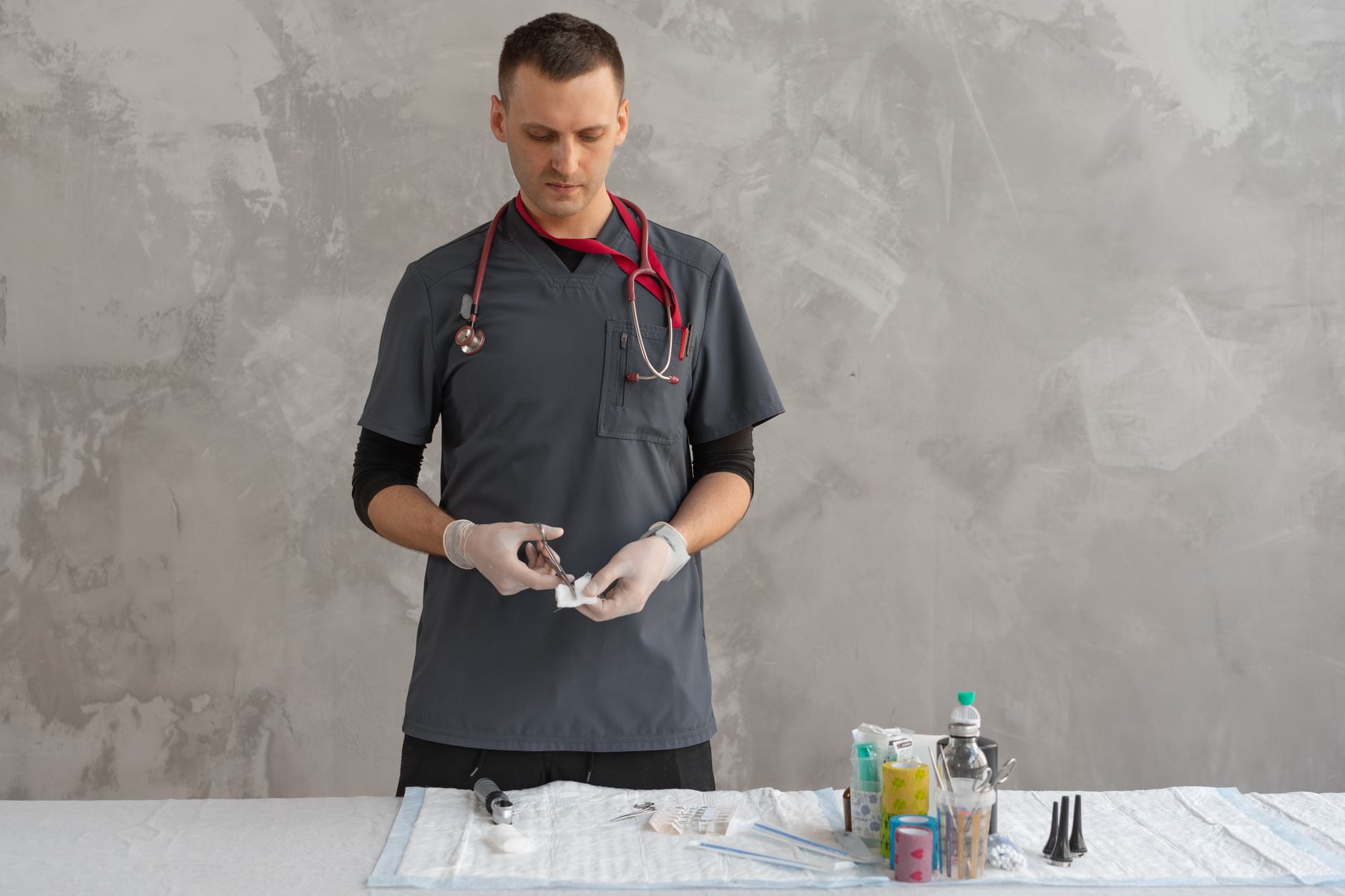
A male medical practitioner with a stethoscope and gloves preparing medical equipment on a table.Photo: Mikhail Nilov / Pexels

How to Prepare for a Colonoscopy: Your Ultimate Guide

Master your colonoscopy preparation with our expert-backed advice for a smooth, successful, and stress-free experience.

Start Your Prep Now

Key Takeaways

  • ✓ Proper bowel prep is crucial for an effective colonoscopy.
  • ✓ Dietary restrictions begin several days before the procedure.
  • ✓ Clear liquid diet is essential the day before and day of.
  • ✓ Hydration is key throughout the preparation process.

How It Works

1
Consult Your Doctor

Discuss your medical history, current medications, and any concerns with your gastroenterologist. They will provide personalized instructions and prescribe the specific bowel preparation solution.

2
Adjust Your Diet

Begin dietary modifications several days before your procedure, typically transitioning to a low-fiber diet and then to a clear liquid diet. This step is vital for clearing the colon.

3
Begin Bowel Preparation

Follow your prescribed bowel prep instructions meticulously, which usually involves drinking a large volume of a laxative solution. This will induce frequent bowel movements to cleanse your colon.

4
Arrive for Procedure

On the day of your colonoscopy, adhere to all fasting instructions and arrive at the facility on time. A clean colon ensures the doctor can clearly view the entire lining, maximizing the screening's effectiveness.

Understanding the Importance of Colonoscopy Preparation

An elderly doctor in a white coat conducting an online medical consultation, focusing attentively.Photo: Tima Miroshnichenko / Pexels
A colonoscopy is a vital diagnostic and preventative procedure designed to examine the lining of your large intestine (colon) and rectum. It's the gold standard for detecting and preventing colorectal cancer, as well as identifying other conditions like polyps, inflammation, or bleeding. However, the effectiveness of this procedure hinges almost entirely on one critical factor: the thoroughness of your bowel preparation. Without a meticulously clean colon, your gastroenterologist may miss polyps or other abnormalities, significantly reducing the diagnostic value of the examination. Imagine trying to find a small pebble in a muddy river; that's essentially what a doctor faces with an inadequately prepped colon. This is why understanding and diligently following your preparation instructions is not just recommended, but absolutely essential for your health. The preparation process, often perceived as the most challenging part of a colonoscopy, involves a series of dietary restrictions and the consumption of a powerful laxative solution. While it might seem daunting, remembering the profound benefits—early detection of cancer, removal of pre-cancerous polyps, and peace of mind—can help you stay motivated. Colorectal cancer is one of the most preventable cancers, largely thanks to regular screening colonoscopies. When polyps are found and removed during the procedure, they can't develop into cancer. This proactive approach saves lives. Therefore, viewing the preparation as an investment in your long-term health, rather than just an inconvenience, can shift your perspective. This comprehensive guide will walk you through every step, demystifying the process and equipping you with the knowledge to achieve an excellent prep. We'll cover everything from dietary changes to managing discomfort, ensuring you're fully prepared for a successful colonoscopy. For more information on why regular screenings are crucial, consider exploring resources on colorectal cancer prevention.

Navigating Dietary Restrictions Before Your Colonoscopy
Minimalist image of a glass of water and pink pills on a pastel background, suitable for health themes.Photo: SHVETS production / Pexels
The journey to a clean colon begins several days before your actual procedure with significant dietary adjustments. Typically, your doctor will advise you to start a low-fiber diet about three to five days before your colonoscopy. This means avoiding foods that are difficult to digest and leave significant residue in your colon. Foods to cut out include whole grains, nuts, seeds (including small seeds like those in berries or tomatoes), raw fruits and vegetables, corn, and legumes. Think of it as giving your digestive system a head start in clearing out the bulk. Instead, focus on easily digestible, low-fiber options such as white bread, white rice, plain pasta, well-cooked skinless and seedless fruits and vegetables, lean meats (chicken, fish, turkey), eggs, and dairy products. It's about minimizing the amount of solid waste your bowel prep will need to clear later. The day before your colonoscopy, the dietary restrictions become even stricter, transitioning to an exclusively clear liquid diet. This is perhaps the most critical dietary phase. A clear liquid diet means consuming only liquids that you can see through, and that leave no residue in your colon. Examples include water, clear broth (chicken or beef), apple juice (no pulp), white grape juice, sports drinks (Gatorade, Powerade – avoid red, blue, or purple dyes), plain gelatin (Jell-O, again, no red, blue, or purple), and clear sodas like Sprite or ginger ale. Coffee or tea without milk or cream are also usually allowed. It is absolutely crucial to avoid anything red, blue, or purple, as these dyes can stain the colon lining, making it appear like blood and potentially obscuring polyps. Dairy products, opaque juices (like orange juice or tomato juice), and solid foods are strictly forbidden. This clear liquid diet must be maintained until the designated fasting time, typically a few hours before your procedure. Adhering to these dietary guidelines is paramount for achieving the clear view necessary for an effective screening. Failing to do so could result in a rescheduled procedure, meaning you'd have to repeat the entire prep. Remember, ample hydration with clear liquids is also vital during this period to prevent dehydration and help with the laxative’s effectiveness.

Mastering Your Bowel Preparation Solution
A senior man taking medicine with a glass of water indoors. Black and white photo.Photo: oscar Williams / Pexels
The core of colonoscopy preparation lies in the bowel prep solution itself. Your doctor will prescribe a specific type of laxative, and it's imperative to follow their instructions precisely regarding dosage and timing. There are several common types of prep solutions, including polyethylene glycol (PEG) solutions (like GoLytely, NuLytely, or MoviPrep), sodium picosulfate/magnesium oxide/citric acid (like Prepopik or Clenpiq), and sodium sulfate/potassium sulfate/magnesium sulfate (like Sutab or Suprep). Each has its own administration schedule, often involving drinking a large volume of liquid in two split doses – one the evening before and one several hours before your procedure on the morning of. This split-dose approach is generally preferred as it leads to better colon cleansing and is often better tolerated. Mixing and consuming the solution can be challenging due to its volume and taste. Here are some tips to make it more manageable: chill the solution in the refrigerator before drinking, as cold liquids are often easier to consume. Use a straw to bypass some of your taste buds. Chase each glass with a clear, flavored beverage like clear sports drinks or ginger ale (avoiding red, blue, or purple dyes). Some people find it helpful to suck on a lemon wedge or hard candy (again, clear and not red/blue/purple) between glasses. It's crucial to drink the entire prescribed amount within the specified timeframe, even if you start having bowel movements early. The goal is to flush out everything, not just initiate activity. Expect frequent, watery bowel movements that will eventually become clear or yellowish, without any solid particles. This indicates a successful prep. You might experience bloating, nausea, or abdominal cramping; these are common side effects. If you experience severe pain, persistent vomiting, or signs of dehydration (dizziness, reduced urination), contact your doctor immediately. Do not stop drinking the prep without consulting your healthcare provider. Staying near a bathroom is essential once you start the prep. Ensure you have soft toilet paper and perhaps some soothing wipes to prevent irritation. This part of the prep is rigorous, but it’s a temporary discomfort for a significant health benefit. For specific tips on managing discomfort, you can read more about gastrointestinal discomfort management.

Essential Tips for a Smooth Colonoscopy Day
A nurse helps a patient in a wheelchair down a hospital corridor, reflecting care and medical professionalism.Photo: RDNE Stock project / Pexels
Beyond the dietary restrictions and the bowel prep solution, several other factors contribute to a smooth and successful colonoscopy day. First and foremost, pay close attention to your doctor's instructions regarding medications. You may need to adjust or temporarily stop certain medications, especially blood thinners, iron supplements, or diabetes medications. Always clarify these with your doctor well in advance. Inform them about all prescription drugs, over-the-counter medications, vitamins, and herbal supplements you are taking. Your doctor will provide specific guidance on when to stop and restart these. On the day of your procedure, you must continue to fast as instructed by your doctor, typically meaning no food or drink for several hours before your scheduled appointment, even water. This is crucial for anesthesia safety. Arrange for a trusted adult to drive you home after the procedure. You will receive sedation, which will impair your judgment and reflexes, making it unsafe to drive or operate machinery for the rest of the day. Plan for a relaxed day post-procedure; avoid making important decisions, signing legal documents, or returning to work. Bring comfortable clothes to wear home. Before you leave for the procedure, ensure you have completed all the bowel preparation as instructed. Your stools should be clear or light yellow, resembling urine. If they are not, you might need to contact your doctor, though often, the remaining prep will clear things sufficiently. Don't be afraid to ask questions if you are unsure about any aspect of the preparation. The medical staff at the facility will also verify your preparation status upon arrival. Being fully informed and prepared significantly reduces anxiety and increases the likelihood of a successful and complete colonoscopy. Having a clear understanding of the process from start to finish empowers you to take an active role in your health. Remember, a successful colonoscopy begins long before you arrive at the clinic.

Comparison

FeatureSplit-Dose PrepSingle-Dose PrepLow-Volume Prep
Colon Cleansing QualityExcellentGoodGood to Excellent
Patient ToleranceBetter (less volume at once)Challenging (large volume at once)Better (less total volume)
Side Effects (Nausea, Bloating)ModerateHigherLower
Time CommitmentSpread over two daysOne intensive sessionSpread over two days
Effectiveness for Polyp Detection

What Our Readers Say

5 ★★★★★

"This guide was incredibly helpful for my recent colonoscopy. Following the clear liquid diet tips and the advice for drinking the prep solution made a huge difference. I felt much more confident and prepared."

5 ★★★★★

"I was dreading my colonoscopy prep, but this article broke it down into manageable steps. The detailed dietary restrictions really helped me plan my meals in advance, leading to a very clean prep."

5 ★★★★★

"Thanks to this comprehensive guide, my doctor said my colon was perfectly clean! The tips for chilling the solution and using a straw were lifesavers. Highly recommend reading this before your procedure."

4 ★★★★☆

"The information here was mostly great, especially the emphasis on hydration. I still found the prep challenging, but knowing what to expect from this guide helped me push through. A few more tips on managing the taste would be a bonus."

5 ★★★★★

"As someone who gets anxious about medical procedures, understanding how to prepare for a colonoscopy step-by-step from this article significantly reduced my stress. It's truly a patient-first resource."

Frequently Asked Questions

What is the most important part of preparing for a colonoscopy?
The most important part is achieving a thoroughly clean colon. This involves strict adherence to the prescribed clear liquid diet and meticulously following the instructions for your bowel preparation solution. A clean colon ensures your doctor has an unobstructed view, allowing for accurate detection and removal of polyps.
Will I be hungry during the clear liquid diet phase?
It's possible to feel some hunger, but the clear liquid diet allows for various options like broth, gelatin, and clear juices, which can help. Many people find that staying well-hydrated and consuming approved liquids frequently helps manage hunger. Focus on maintaining fluid intake to stay comfortable.
How do I make the bowel prep solution taste better?
To improve the taste, try chilling the solution thoroughly before drinking. Using a straw can help bypass some taste buds. You can also chase each glass with a clear, approved beverage like ginger ale or clear sports drinks. Sucking on a lemon wedge or clear hard candy between doses can also help mask the flavor.
Is a colonoscopy expensive, and does insurance cover it?
The cost of a colonoscopy varies, but most insurance plans, including Medicare, cover screening colonoscopies as a preventative service, often with no out-of-pocket cost. However, if a polyp is found and removed, it may be reclassified as a diagnostic procedure, potentially incurring different costs. Always check with your insurance provider for specific coverage details.
How does colonoscopy compare to other colorectal cancer screening methods?
A colonoscopy is considered the most comprehensive screening method because it allows for direct visualization of the entire colon and immediate removal of polyps. Other methods, like stool tests (FIT, Cologuard) or virtual colonoscopy, can detect abnormalities but often require a follow-up traditional colonoscopy for diagnosis and treatment. Colonoscopy offers both screening and intervention in one procedure.
Who should undergo a colonoscopy?
Generally, individuals at average risk should begin screening colonoscopies at age 45. Those with a family history of colorectal cancer, a personal history of inflammatory bowel disease, or certain genetic syndromes may need to start earlier or have more frequent screenings. Your doctor will determine the appropriate screening schedule for you.
Are there any risks associated with colonoscopy prep?
While generally safe, risks include dehydration, electrolyte imbalance, nausea, vomiting, and abdominal discomfort. Rarely, serious complications like perforation of the colon or adverse reactions to the prep solution can occur. It's vital to follow instructions closely and contact your doctor if you experience severe symptoms.
What advancements are being made in colonoscopy preparation?
Ongoing advancements focus on improving patient comfort and compliance. This includes the development of lower-volume prep solutions, flavored options, and alternative delivery methods. Research also explores personalized prep regimens based on individual patient factors to optimize effectiveness and reduce side effects.

Preparing for a colonoscopy can feel overwhelming, but with the right knowledge and a proactive approach, you can ensure a successful and effective procedure. By following these guidelines on how to prepare for a colonoscopy, you're taking a crucial step towards safeguarding your health and detecting potential issues early. Don't hesitate to discuss any concerns with your healthcare provider.

Topics: how to prepare for a colonoscopycolonoscopy prepbowel prep instructionscolonoscopy dietcolon cancer screening
Leo List
Brampton weed
Adultwork