
How to Manage High Blood Pressure Naturally: Your Comprehensive Guide
Unlock the power of natural approaches to control your blood pressure and embrace a vibrant, healthier lifestyle.
Start Your JourneyKey Takeaways
- ✓ Lifestyle changes are often the first line of defense against high blood pressure.
- ✓ Dietary adjustments, like reducing sodium and increasing potassium, play a crucial role.
- ✓ Regular physical activity is vital for cardiovascular health and blood pressure regulation.
- ✓ Stress management and adequate sleep significantly impact blood pressure levels.
How It Works
Consult your doctor to get an accurate diagnosis of your blood pressure levels and understand your overall health status. This provides a baseline for tracking progress.
Focus on a diet rich in fruits, vegetables, whole grains, and lean proteins, while limiting processed foods, excessive sodium, and unhealthy fats. This directly impacts arterial health.
Aim for at least 150 minutes of moderate-intensity aerobic exercise or 75 minutes of vigorous exercise per week. Consistent movement strengthens your heart and improves circulation.
Practice mindfulness, meditation, yoga, or deep breathing exercises to manage stress, which can be a significant contributor to elevated blood pressure. Prioritize adequate, restorative sleep.
Understanding High Blood Pressure and Its Impact
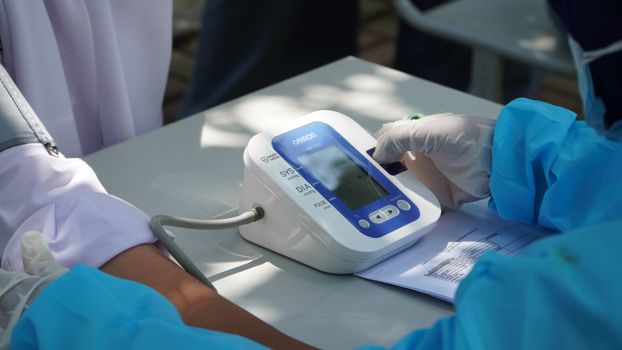 Photo: Ahmad Taufik / Pexels
Dietary Strategies for Blood Pressure Control
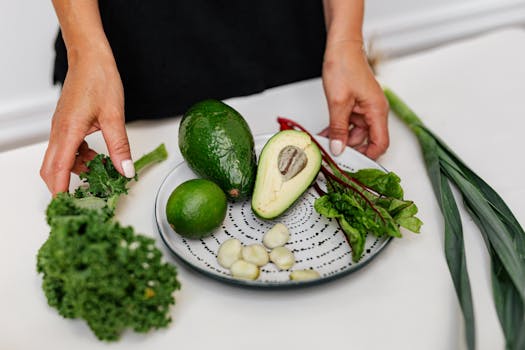 Photo: https://kaboompics.com/ / Pexels
Exercise and Stress Reduction for Lowering Blood Pressure
 Photo: MART PRODUCTION / Pexels
Lifestyle Adjustments and Complementary Therapies
 Photo: Ketut Subiyanto / Pexels
Practical Tips and Common Mistakes to Avoid
- Tip 1: Gradually Implement Changes: Instead of overhauling your entire lifestyle overnight, introduce changes gradually. Start by adding one extra serving of vegetables daily, or by taking a 15-minute walk. Small, sustainable changes are more likely to become long-term habits.
- Tip 2: Keep a Food and Activity Journal: Tracking what you eat and how much you move can provide valuable insights into your habits. It helps identify triggers for unhealthy choices and reinforces positive behaviors.
- Tip 3: Prioritize Sleep Hygiene: Consistent, quality sleep is crucial. Aim for 7-9 hours per night. Create a dark, quiet, and cool sleep environment, and avoid screens an hour before bed.
- Tip 4: Hydrate Adequately: Drinking enough water supports overall bodily functions, including kidney health, which plays a role in blood pressure regulation.
- Tip 5: Learn to Read Food Labels: Become adept at identifying hidden sodium, sugars, and unhealthy fats in processed foods. Opt for whole, unprocessed foods whenever possible.
- Tip 6: Seek Support: Share your goals with family and friends. A support system can provide encouragement and accountability. Consider joining a support group or working with a health coach.
Now, let's address some common mistakes that can hinder your progress:
- Mistake 1: Stopping Medication Without Consulting a Doctor: This is perhaps the most dangerous mistake. Never discontinue prescribed blood pressure medication without explicit instruction and supervision from your healthcare provider, even if your numbers improve.
- Mistake 2: Relying Solely on Supplements: While some supplements may offer benefits, they should never replace a healthy diet, exercise, and medical treatment. Always discuss supplements with your doctor due to potential interactions and side effects.
- Mistake 3: Ignoring Stress: Underestimating the impact of chronic stress on blood pressure is a significant oversight. Make stress management a non-negotiable part of your daily routine.
- Mistake 4: Inconsistent Monitoring: Sporadic blood pressure checks at home don't provide a clear picture. Regular, consistent monitoring at the same time each day offers the most accurate data.
- Mistake 5: Expecting Instant Results: Natural methods take time to show significant effects. Be patient and consistent. Celebrate small victories and don't get discouraged by minor fluctuations.
- Mistake 6: Overlooking Hidden Sodium: Many seemingly healthy foods, like bread, soups, and salad dressings, can contain surprisingly high levels of sodium. Always check labels.
Comparison
| Feature | DASH Diet | Mediterranean Diet | Low-Sodium Diet |
|---|---|---|---|
| Primary Focus | Overall heart health, nutrient density | Whole foods, healthy fats, plant-based | Sodium restriction |
| Sodium Intake | Moderate to low (1500-2300 mg) | Generally low, no strict limit | Very low (often <1500 mg) |
| Fruits & Veggies | High | High | High |
| Whole Grains | High | Moderate to High | Moderate to High |
| Lean Protein | Yes (poultry, fish) | Yes (fish, poultry, legumes) | Yes |
| Healthy Fats | Moderate (nuts, seeds, vegetable oils) | High (olive oil, nuts, seeds) | Moderate |
| Processed Foods | ✗ | ✗ | ✗ |
| Effectiveness for BP | Excellent | Excellent | Excellent |
What Readers Say
"After implementing the dietary changes suggested, my systolic pressure dropped by 10 points in just two months. Learning how to manage high blood pressure naturally has been life-changing."
Sarah J. · Austin, TX"The emphasis on stress reduction was a game-changer for me. Combining daily meditation with regular walks has significantly lowered my blood pressure and improved my overall well-being."
Mark D. · Orlando, FL"I was able to reduce my medication dosage after consistently following the exercise and diet recommendations for six months. My doctor is thrilled with my progress in how to manage high blood pressure naturally."
Emily R. · Denver, CO"While some changes were challenging to integrate at first, the comprehensive approach has genuinely helped. I appreciate the practical tips, though I still struggle with cutting out all processed foods."
David L. · Seattle, WA"As a busy professional, I found the advice on meal prepping and quick exercises invaluable. It showed me how to manage high blood pressure naturally without feeling overwhelmed, fitting it into my hectic schedule."
Jessica T. · Boston, MAFrequently Asked Questions
What is the fastest natural way to lower blood pressure?
There isn't a single 'fastest' way, as natural methods work synergistically over time. However, acute stress reduction techniques like deep breathing can offer immediate, albeit temporary, reductions. Consistent, comprehensive lifestyle changes, including a low-sodium DASH-like diet and regular exercise, yield the most significant and lasting results.
Can I stop my blood pressure medication if I start natural treatments?
Absolutely not. Never stop or reduce prescribed blood pressure medication without explicit guidance and supervision from your doctor. Natural treatments can complement medication and, in some cases, may lead to a reduced need for medication, but this decision must always be made by a healthcare professional based on your individual health status.
How often should I monitor my blood pressure at home?
It's generally recommended to monitor your blood pressure at home at least once a day, preferably at the same time each day (e.g., morning and evening). Take two or three readings a minute apart and record the average. Discuss your readings regularly with your doctor to track progress and adjust your management plan.
Are natural methods for high blood pressure expensive?
Many natural methods are cost-effective, focusing on whole, unprocessed foods, which can often be cheaper than processed alternatives. Exercise can be free (walking, jogging), and stress reduction techniques like meditation require no equipment. While some supplements or specialized therapies might have costs, the core strategies are accessible and often lead to long-term savings on healthcare.
How do natural methods compare to prescription medications for blood pressure?
Natural methods, especially comprehensive lifestyle changes, are often the first line of defense and can be highly effective for managing mild to moderate hypertension, sometimes even preventing the need for medication. For more severe cases, they serve as a crucial complement to medication, helping to optimize drug effectiveness and potentially reduce dosage. They offer the added benefit of improving overall health without drug side effects.
Who should consider managing high blood pressure naturally?
Anyone with pre-hypertension or hypertension should consider natural management strategies. They are particularly beneficial for individuals looking to reduce medication dependence, improve overall cardiovascular health, or prevent the onset of high blood pressure. Always consult a doctor before starting any new health regimen, especially if you have existing conditions.
Are there any risks associated with natural blood pressure management?
Generally, adopting a healthy diet, regular exercise, and stress reduction techniques carries minimal risks and significant benefits. The main risk lies in mismanaging the condition by solely relying on unproven remedies or abandoning prescribed medication. Always ensure any herbal supplements or alternative therapies are discussed with your doctor to avoid adverse interactions or effects.
What role does technology play in natural blood pressure management?
Technology can be a helpful tool. Smart blood pressure monitors can track readings, apps can help log food intake and exercise, and wearable devices can monitor activity and sleep. These tools provide data and motivation, helping individuals stay consistent with their natural management strategies and share information with their healthcare providers more efficiently.
Taking control of your blood pressure naturally is an empowering journey toward a healthier, more vibrant life. By integrating these evidence-based strategies, you can significantly impact your cardiovascular health. Start today and discover the profound benefits of learning how to manage high blood pressure naturally.