✓ Nearly half of U.S. adults have hypertension, often without symptoms.
✓ Lifestyle changes are the first-line treatment for mild to moderate high blood pressure.
✓ Dietary adjustments, like reducing sodium and increasing potassium, are crucial.
✓ Regular physical activity can significantly reduce blood pressure readings.
How It Works
1
Assess Your Current Health
Consult your doctor to understand your current blood pressure levels and identify any underlying conditions. This forms the baseline for your natural management plan.
2
Implement Dietary Changes
Focus on a diet rich in fruits, vegetables, whole grains, and lean proteins, while strictly limiting sodium, processed foods, and unhealthy fats. The DASH diet is a prime example.
3
Integrate Physical Activity
Aim for at least 150 minutes of moderate-intensity aerobic exercise or 75 minutes of vigorous activity per week. Consistency is key for sustained blood pressure reduction.
4
Manage Stress & Improve Sleep
Practice stress-reducing techniques like meditation or yoga, and prioritize 7-9 hours of quality sleep nightly. Both are vital for regulating blood pressure hormones.
High blood pressure, or hypertension, is a silent killer affecting millions of Americans. It's a condition where the force of blood against your artery walls is consistently too high. Over time, this sustained pressure can damage your arteries, leading to severe health problems like heart disease, stroke, kidney failure, and even vision loss. The alarming truth is that many people don't even know they have it, as it often presents no noticeable symptoms until it reaches dangerous levels. This is why regular check-ups and understanding your numbers are so critical. A normal blood pressure reading is generally considered to be below 120/80 mmHg (millimeters of mercury). When your systolic (top number) is consistently 130 or higher, or your diastolic (bottom number) is 80 or higher, you're likely dealing with hypertension. While medication is a common and often necessary treatment, a growing body of research highlights the profound impact of natural, lifestyle-based interventions. For many, especially those with prehypertension or stage 1 hypertension, these natural methods can be the first and most effective line of defense, potentially delaying or even preventing the need for pharmaceutical intervention. Even for those already on medication, integrating natural strategies can enhance their effectiveness and contribute to better overall cardiovascular health. The journey to lower blood pressure naturally is not about quick fixes; it's about sustainable lifestyle changes that foster long-term well-being. It empowers individuals to take an active role in their health, reducing reliance on external solutions and building a foundation for a healthier future. Understanding the 'why' behind hypertension and the 'how' of natural management is the first step towards a healthier heart and a longer, more vibrant life. This comprehensive approach considers the interconnectedness of diet, exercise, stress, and sleep, recognizing that true health stems from a holistic balance. By embracing these principles, you're not just treating a number; you're cultivating a healthier you. For more insights into cardiovascular health, visit our guide on maintaining a healthy heart.
Dietary Power: Eating Your Way to Lower Blood Pressure
Photo: Michelle Leman / Pexels
What you put on your plate has an extraordinary impact on your blood pressure. The cornerstone of a natural approach to hypertension management lies in adopting a heart-healthy eating pattern. The Dietary Approaches to Stop Hypertension (DASH) diet is perhaps the most well-researched and recommended dietary plan for this purpose. It emphasizes fruits, vegetables, whole grains, lean protein (like fish and poultry), and low-fat dairy, while significantly limiting saturated and trans fats, cholesterol, refined grains, and sugary drinks.
One of the most critical elements to control is sodium intake. The average American consumes far too much sodium, largely from processed and restaurant foods. High sodium levels cause your body to retain fluid, which increases blood volume and, consequently, blood pressure. Aim to reduce your sodium intake to no more than 2,300 milligrams (mg) per day, and ideally, even lower to 1,500 mg if you have hypertension. This means becoming a label reader, choosing fresh foods over packaged ones, and using herbs and spices instead of salt for flavor.
Conversely, increasing your intake of potassium-rich foods can help counteract the effects of sodium. Potassium helps your body excrete sodium and relaxes blood vessel walls. Excellent sources include bananas, potatoes, spinach, avocados, sweet potatoes, and oranges. Magnesium and calcium are also vital minerals that play a role in blood pressure regulation. Include leafy greens, nuts, seeds, legumes, and dairy products to ensure adequate intake.
Beyond these minerals, focusing on whole, unprocessed foods provides a wealth of fiber and antioxidants, which contribute to overall cardiovascular health. Omega-3 fatty acids, found in fatty fish like salmon, mackerel, and sardines, are known for their anti-inflammatory properties and ability to support heart health. Incorporating plant-based proteins such as beans, lentils, and tofu can also be beneficial, as they are often lower in saturated fat and cholesterol than animal proteins. Remember, small, consistent changes to your diet can yield significant and lasting results in managing your blood pressure naturally.
The Role of Exercise and Weight Management in Blood Pressure Control
Photo: Ketut Subiyanto / Pexels
Physical activity is a powerful tool in your arsenal against high blood pressure. Regular exercise strengthens your heart, allowing it to pump blood more efficiently with less effort. When your heart works less to pump, the force on your arteries decreases, leading to lower blood pressure. The American Heart Association recommends at least 150 minutes of moderate-intensity aerobic activity, such as brisk walking, jogging, cycling, or swimming, per week. Alternatively, 75 minutes of vigorous-intensity aerobic activity, like running or high-intensity interval training (HIIT), can also be effective. It's important to spread these workouts throughout the week, rather than trying to fit them all into one or two days. Even short bursts of activity, like taking the stairs instead of the elevator or a 10-minute walk during your lunch break, can add up and make a difference.
Beyond aerobic exercise, incorporating strength training at least two days a week can also contribute to blood pressure reduction. Lifting weights, using resistance bands, or doing bodyweight exercises helps build muscle mass, which can improve your metabolism and overall cardiovascular fitness. Always consult your doctor before starting any new exercise regimen, especially if you have existing health conditions.
Weight management goes hand-in-hand with exercise in the fight against hypertension. Being overweight or obese significantly increases your risk of high blood pressure. Carrying excess weight, particularly around your waistline, places greater demand on your heart and can stiffen your arteries. Even a modest weight loss of 5-10% of your body weight can have a substantial positive impact on your blood pressure readings. This reduction in weight can also improve the effectiveness of any blood pressure medications you might be taking. The combination of a healthy diet and consistent exercise creates a synergistic effect, making both strategies more potent in achieving and maintaining a healthy blood pressure. It's a commitment to a healthier lifestyle that pays dividends in every aspect of your well-being. For more on exercise benefits, see our article on fitness for heart health.
Stress Reduction, Sleep, and Other Natural Strategies
Photo: Mikhail Nilov / Pexels
Chronic stress is a major contributor to high blood pressure. When you're stressed, your body releases hormones like cortisol and adrenaline, which temporarily narrow blood vessels and increase your heart rate, leading to a spike in blood pressure. While these responses are normal in short bursts, prolonged stress can lead to sustained high blood pressure. Therefore, incorporating stress-reduction techniques into your daily routine is crucial. Practices like mindfulness meditation, deep breathing exercises, yoga, and tai chi can help calm your nervous system and promote relaxation. Even simple activities like spending time in nature, listening to soothing music, or engaging in hobbies you enjoy can significantly reduce stress levels.
Quality sleep is another non-negotiable component of natural blood pressure management. During sleep, your blood pressure naturally drops. If you consistently get less than 7-9 hours of sleep per night, or if your sleep is frequently interrupted (as with sleep apnea), your blood pressure can remain elevated for longer periods, increasing your risk of hypertension. Establishing a regular sleep schedule, creating a dark, quiet, and cool sleep environment, and avoiding caffeine and alcohol before bed can improve sleep quality. If you suspect you have sleep apnea, it's vital to seek medical attention, as treating this condition can dramatically improve blood pressure.
Limiting alcohol intake is also important. While moderate alcohol consumption (one drink per day for women, two for men) might have some cardiovascular benefits for certain individuals, excessive drinking can raise blood pressure and interfere with blood pressure medications. Quitting smoking is paramount; nicotine temporarily raises blood pressure and heart rate, and chemicals in tobacco smoke damage blood vessel walls. Finally, certain supplements like hibiscus tea, beetroot juice, and magnesium may offer additional benefits, but always discuss these with your doctor before incorporating them, as they can interact with medications or have contraindications. A holistic approach that integrates these varied strategies offers the most robust pathway to naturally lower blood pressure.
**Key Strategies for Optimal Blood Pressure:**
* **Practice Mindfulness:** Engage in daily meditation or deep breathing for 10-15 minutes.
* **Prioritize Sleep:** Aim for 7-9 hours of uninterrupted sleep each night.
* **Limit Alcohol:** Stick to recommended moderate limits, or abstain entirely.
* **Quit Smoking:** Seek support to eliminate tobacco use entirely.
* **Manage Caffeine:** Be mindful of caffeine intake, especially if sensitive.
* **Consider Supplements:** Discuss magnesium, potassium, or herbal teas with your doctor.
Comparison
Feature
DASH Diet
Mediterranean Diet
Low-Sodium Diet
Primary Focus
Balanced nutrition, low sodium
Whole foods, healthy fats
Sodium restriction
Key Foods
Fruits, veggies, whole grains, lean protein
Olive oil, fish, vegetables, nuts
Fresh foods, herbs, spices
Sodium Limit
1500-2300 mg/day
Moderate (naturally lower)
Under 1500 mg/day
Potassium Rich
✓
✓
✗ (focus on sodium)
Heart Health Benefits
Excellent
Excellent
Good
What Our Readers Say
5★★★★★
"After reading this guide, I started making small changes to my diet and added daily walks. My blood pressure, which was borderline high, is now consistently in the healthy range. It’s amazing how much difference natural methods can make."
Sarah P.Austin, TX
5★★★★★
"I was skeptical, but committing to a low-sodium diet and regular exercise, as outlined here, has significantly lowered my blood pressure. My doctor is thrilled with my progress, and I feel so much better."
Mark T.Chicago, IL
5★★★★★
"This article provided a clear, actionable plan. Within three months, by focusing on stress reduction and cutting out processed foods, I managed to lower my systolic pressure by 10 points. Truly a game-changer for how to lower blood pressure naturally."
Jessica L.Miami, FL
4★★★★☆
"The information on the DASH diet was incredibly helpful. While it took some effort to adjust my cooking, the results have been worth it. My blood pressure is much more stable now, though I still have days where stress impacts it."
David R.Denver, CO
5★★★★★
"As someone who prefers natural solutions, this guide was exactly what I needed. The emphasis on sleep and mindfulness made a real difference alongside the dietary advice. My energy levels are up, and my blood pressure is down."
Emily S.Seattle, WA
Frequently Asked Questions
What is the fastest way to lower blood pressure naturally?
While there's no single 'fastest' way, a combination of immediate dietary changes (drastically reducing sodium, increasing potassium-rich foods) and starting moderate-intensity exercise can show results relatively quickly. Stress reduction techniques and ensuring adequate sleep also contribute to more rapid improvements, but consistency is key for sustained benefits.
Can I stop blood pressure medication if I lower it naturally?
Absolutely not without consulting your doctor. While natural methods can significantly lower blood pressure, medication adjustments or discontinuation must always be supervised by a healthcare professional. Your doctor will assess your progress and determine the safest course of action.
How much exercise do I need to lower blood pressure naturally?
Aim for at least 150 minutes of moderate-intensity aerobic exercise (like brisk walking) or 75 minutes of vigorous-intensity exercise (like jogging) per week, spread across most days. Incorporating strength training two or more days a week also provides additional benefits.
Are natural remedies expensive compared to medication?
Natural remedies often involve lifestyle changes like eating healthier foods and exercising, which can be seen as an investment in your health rather than an expense. While some healthy foods might seem pricier upfront, they can reduce long-term healthcare costs associated with hypertension and its complications. Medication costs can vary widely depending on insurance and specific drugs.
How does the DASH diet compare to a Mediterranean diet for blood pressure?
Both the DASH and Mediterranean diets are highly effective for lowering blood pressure and promoting heart health. The DASH diet specifically focuses on sodium reduction and increasing potassium, calcium, and magnesium. The Mediterranean diet emphasizes healthy fats (olive oil), fish, fruits, vegetables, and whole grains. Both are excellent choices, and you can often blend principles from each.
Who should consider natural methods to lower blood pressure?
Natural methods are beneficial for almost everyone, especially those with prehypertension, stage 1 hypertension, or individuals looking to support their cardiovascular health. Even those on medication can benefit from integrating these strategies to enhance treatment effectiveness and overall well-being. Always consult a doctor before making significant lifestyle changes, especially if you have existing health conditions.
Are there any risks to trying to lower blood pressure naturally?
Generally, adopting a healthier diet and exercise routine has minimal risks and immense benefits. However, if you are already on blood pressure medication, making significant lifestyle changes without medical supervision could potentially lower your blood pressure too much, leading to dizziness or fainting. Always consult your doctor to ensure your approach is safe and appropriate for your individual health needs.
What future trends are emerging in natural blood pressure management?
Future trends include personalized nutrition based on genetic profiles, advanced wearable tech for continuous blood pressure monitoring and feedback, and integrated digital health platforms offering tailored lifestyle coaching. There's also growing research into the gut microbiome's role in blood pressure regulation and the therapeutic potential of specific functional foods and botanicals.
Taking control of your blood pressure naturally is a powerful step towards a healthier, happier life. By implementing the strategies discussed in this guide, you can significantly reduce your risk of serious health complications and improve your overall well-being. Start your journey to lower blood pressure naturally today and embrace a future of vitality.

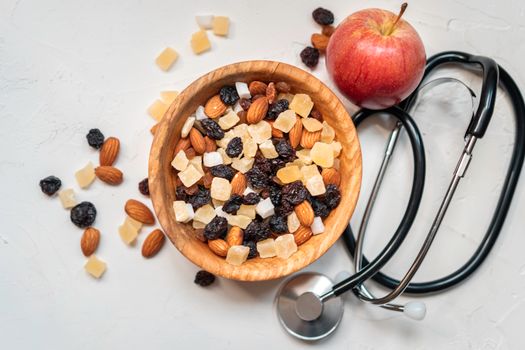 Photo: Atlantic Ambience / Pexels
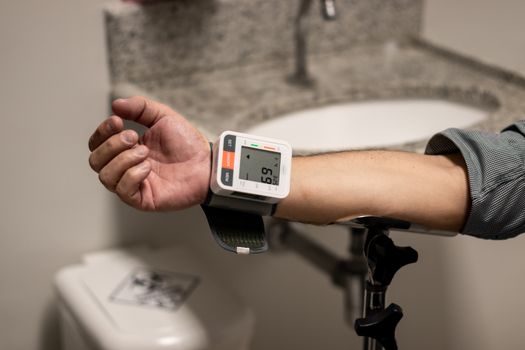 Photo: Lucas Oliveira / Pexels
 Photo: Michelle Leman / Pexels
 Photo: Ketut Subiyanto / Pexels
 Photo: Mikhail Nilov / Pexels