✓ A primary care physician (PCP) is your first point of contact for most health concerns.
✓ Continuity of care with a PCP leads to better health outcomes and lower healthcare costs.
✓ Insurance networks, location, and doctor's philosophy are crucial factors in your search.
✓ Telehealth options are expanding access to primary care services.
How It Works
1
Define Your Needs & Preferences
Before you begin your search, consider what's most important to you: location, gender of the doctor, hospital affiliations, or specific medical philosophies. This initial self-assessment will significantly narrow down your options and make the process more efficient.
2
Leverage Your Insurance Network
Your health insurance company is a vital resource. Their online portals or customer service lines can provide a list of in-network primary care physicians, ensuring your visits are covered and minimizing out-of-pocket expenses. This step is critical for financial planning.
3
Research & Shortlist Candidates
Once you have a list, delve into online reviews, physician profiles on hospital websites, and independent doctor-rating sites. Pay attention to patient feedback regarding communication style, wait times, and overall office experience. Create a shortlist of 2-3 potential doctors.
4
Schedule a 'Meet and Greet'
Many primary care offices offer brief, introductory 'meet and greet' appointments, often without charge. Use this opportunity to assess the doctor's personality, ask about their approach to patient care, and evaluate the office environment. This personal interaction is invaluable for making your final decision.
Understanding the Vital Role of Your Primary Care Physician

Photo: RDNE Stock project / Pexels
Finding a primary care doctor near me isn't just about locating a medical professional; it's about establishing a cornerstone for your long-term health and well-being. A primary care physician (PCP) acts as your central point of contact for all non-emergency medical needs, coordinating your care across various specialists and ensuring a holistic approach to your health. They are the general practitioners, family doctors, or internists who provide continuous, comprehensive care, encompassing everything from preventive screenings and vaccinations to managing chronic conditions and diagnosing new illnesses. Think of your PCP as your personal health advocate, someone who knows your medical history, understands your lifestyle, and can offer personalized advice and treatment plans. This continuity of care is paramount. Studies consistently show that individuals with a long-term relationship with a PCP experience better health outcomes, including lower mortality rates, fewer hospitalizations, and more effective management of chronic diseases. They are also more likely to receive recommended preventive services, such as cancer screenings and immunizations, which are crucial for early detection and prevention of serious health issues.
Beyond just treating illness, your PCP plays a critical role in preventive medicine. They guide you on healthy lifestyle choices, monitor risk factors for various diseases, and help you navigate the complex healthcare system. When you need to see a specialist, your PCP acts as the gatekeeper, providing referrals and ensuring that the specialist receives all necessary information about your medical history. This coordination prevents redundant tests, avoids potential drug interactions, and ensures that all your healthcare providers are working together effectively. For families, choosing a family doctor means having a single medical professional who can care for everyone from infants to seniors, offering a consistent and familiar medical presence throughout different life stages. This can be particularly beneficial for parents, as it streamlines appointments and ensures a comprehensive understanding of the family's health dynamics. The relationship with your PCP should be built on trust and open communication, allowing you to feel comfortable discussing even the most sensitive health concerns. This is why the process to find a primary care doctor near me is so important – it's about finding a partner in your health journey, not just a service provider. Understanding their role is the first step in appreciating the value they bring to your life and making an informed decision when selecting your own. For more on the benefits of regular check-ups, explore our guide on preventive health screenings.
Navigating Your Search: Practical Steps to Find a Primary Care Doctor Near Me

Photo: Tima Miroshnichenko / Pexels
The journey to find a primary care doctor near me can feel overwhelming, but breaking it down into manageable steps makes it much easier. Your first and arguably most crucial step is to leverage your health insurance. Most insurance companies have online directories or phone lines dedicated to helping members find in-network providers. Staying within your network is vital for cost savings, as out-of-network care can result in significantly higher out-of-pocket expenses. When using these directories, you can often filter by location, specialty (family medicine, internal medicine, pediatrics), gender, and even language spoken. This initial filter will provide a foundational list to work from.
Next, consider geographical convenience. A doctor located close to your home or workplace will make scheduling and attending appointments much easier, especially for routine check-ups or unexpected illnesses. Proximity can also be a factor in emergencies, even if you’d typically go to an urgent care or ER for acute issues, having your PCP nearby for follow-up is beneficial. Don't underestimate the power of word-of-mouth. Ask trusted friends, family members, neighbors, or colleagues for recommendations. Personal experiences can offer invaluable insights into a doctor's bedside manner, office staff efficiency, and overall patient satisfaction. However, remember that what works for one person may not work for another, so use recommendations as a starting point, not the sole determinant.
Once you have a list of potential candidates, delve into online research. Websites like Zocdoc, Healthgrades, Vitals, and even Google Reviews provide patient ratings and comments. Look for patterns in feedback – positive comments about communication, thoroughness, and wait times are good indicators. Conversely, consistent complaints about rushed appointments or dismissive attitudes should raise red flags. Check the doctor's professional background: where did they go to medical school, what residencies did they complete, and are they board-certified? Board certification indicates a physician has met rigorous standards in their specialty. Also, investigate their hospital affiliations; this can be important if you have a preferred hospital or anticipate needing specialized care in the future.
Finally, and perhaps most importantly, consider the 'fit' – the intangible connection you feel with a potential doctor. Many practices offer a brief 'meet and greet' appointment, often free of charge, where you can speak with the doctor for a few minutes, see the office, and meet the staff. Use this opportunity to ask questions about their philosophy of care (e.g., proactive vs. reactive, integrative approach), their communication style, and how they handle after-hours care or emergencies. Pay attention to how comfortable you feel and whether their approach aligns with your own health values. The goal is to find someone you trust and feel comfortable confiding in, as this relationship will be crucial for managing your health effectively over time.
Beyond the Basics: What to Consider When Choosing Your Long-Term Health Partner
Photo: Tima Miroshnichenko / Pexels
When you find a primary care doctor near me, you're not just selecting someone to treat your colds; you're choosing a long-term health partner. This means looking beyond the basic criteria like location and insurance acceptance. One crucial aspect is the doctor's communication style. Do they listen attentively? Do they explain medical jargon in an understandable way? Do they involve you in decision-making about your care? A doctor who communicates effectively fosters trust and empowers you to take an active role in your health. Similarly, consider the practice's accessibility. What are their office hours? Do they offer telehealth appointments for minor issues or follow-ups? How easy is it to get an urgent appointment? A practice that offers flexible scheduling and various access points can significantly reduce stress and ensure you receive timely care when needed.
Another often-overlooked factor is the practice’s use of technology. Does the office utilize an electronic health record (EHR) system that allows for secure patient portals? A patient portal can be incredibly convenient for scheduling appointments, requesting prescription refills, viewing lab results, and communicating with your care team outside of office visits. This level of digital integration can streamline your healthcare experience and provide greater transparency. Furthermore, inquire about the doctor’s approach to preventive care and chronic disease management. Are they proactive in recommending screenings and lifestyle changes? If you have existing chronic conditions like diabetes or hypertension, how do they manage these, and what resources do they offer? A good PCP will have a robust plan for both preventing illness and effectively managing ongoing health issues.
Finally, consider the overall culture of the office. Are the front desk staff friendly and efficient? Do you feel respected and heard by the nurses and medical assistants? The entire team contributes to your experience, and a positive office environment can make a significant difference in your comfort and willingness to engage with your healthcare. Don't hesitate to ask about their referral process for specialists and how they coordinate care with other providers. A well-coordinated care team is essential for complex medical needs. This comprehensive approach to selecting your PCP ensures you're not just getting a doctor, but a dedicated healthcare partner committed to your well-being. For further reading on managing your health, see our resource on understanding your medical records.
Common Mistakes to Avoid When You Find a Primary Care Doctor Near Me
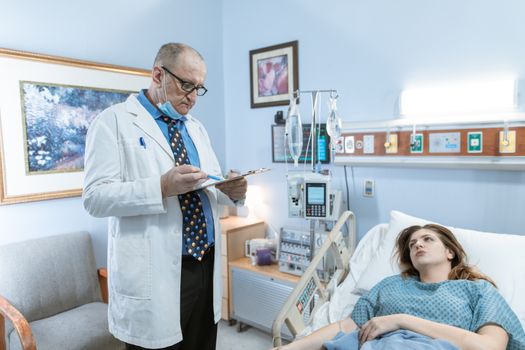
Photo: RDNE Stock project / Pexels
When trying to find a primary care doctor near me, it's easy to fall into common pitfalls that can lead to dissatisfaction or suboptimal care. Avoiding these mistakes will greatly improve your chances of finding the right fit:
* **Only Considering Location:** While convenience is important, making it the sole criterion can lead you to overlook highly qualified doctors who might be a slightly longer drive but offer superior care or a better philosophical match. Prioritize quality and fit over just the closest option.
* **Ignoring Insurance Network:** This is a major financial mistake. Always verify that a doctor is in your insurance network *before* your first appointment. Relying solely on a doctor's website or an outdated directory can result in unexpected and costly out-of-network bills. Always call your insurance provider directly.
* **Skipping the 'Meet and Greet':** Many people skip this crucial step due to time constraints, but a brief introductory meeting can be invaluable. It allows you to assess the doctor's personality, the office environment, and ask important questions that online research can't answer. It's your chance to gauge comfort and trust.
* **Not Reading Reviews (or Only Reading a Few):** While online reviews shouldn't be the only factor, ignoring them completely or only glancing at a couple can be a mistake. Look for patterns in feedback, both positive and negative. Consistent complaints about specific issues (e.g., long wait times, poor communication) are red flags.
* **Failing to Ask About Hospital Affiliations:** If you have a preferred hospital or anticipate needing specialist care, knowing your PCP's hospital affiliations is important. This ensures continuity of care if you ever require hospitalization or specialized treatment within a particular system.
* **Not Clarifying Communication Preferences:** How does the doctor prefer to communicate outside of appointments (e.g., patient portal, phone calls, email)? How quickly can you expect a response? Understanding this upfront can prevent frustration later on, especially for managing prescriptions or asking quick questions.
* **Waiting Until You're Sick:** The worst time to find a primary care doctor near me is when you're already feeling unwell. Proactively search for and establish a relationship with a PCP when you're healthy. This way, they already have your medical history and you have a trusted contact when an illness strikes.
By being mindful of these common missteps, you can approach your search with greater confidence and make a more informed decision that truly benefits your long-term health.
Comparison
Feature
Established PCP
Urgent Care Clinic
Telehealth Service
Continuity of Care
Excellent (long-term relationship)
Limited (episodic care)
Variable (can be ongoing or episodic)
Preventive Care
Yes (screenings, vaccinations)
No (focus on acute issues)
Some (e-prescriptions, basic advice)
Chronic Condition Management
Excellent (personalized plans)
No (referral to PCP)
Limited (monitoring, referrals)
Emergency Care
Referral to ER
Limited (non-life-threatening)
Referral to ER/Urgent Care
Cost (with insurance)
Typically lower for routine care
Often higher co-pay than PCP visit
Can be lower, but varies
Convenience
Scheduled appointments
Walk-in, extended hours
Anywhere, anytime access
Personalized Knowledge of History
✓
✗
✗
What Our Readers Say
5★★★★★
"I was overwhelmed trying to find a primary care doctor near me after moving. This guide helped me prioritize what was important and I found an amazing family doctor who truly listens. Highly recommend following these steps!"
Sarah J.Austin, TX
5★★★★★
"The advice on checking insurance networks and doing a 'meet and greet' was a game-changer. I felt much more confident in my choice for a new PCP. It really simplified the process to find a primary care doctor near me."
Mark T.Seattle, WA
5★★★★★
"After years of not having a consistent doctor, I used these strategies to find a primary care doctor near me. I now have a trusted medical partner who helped me get my diabetes under control, something I struggled with before."
Emily R.Miami, FL
4★★★★☆
"The information was thorough, though it took some time to go through all the steps. Ultimately, it led me to a great doctor, but I wish the initial research phase was a bit quicker. Still, a very valuable resource."
David L.Denver, CO
5★★★★★
"As someone new to managing my own healthcare, finding a primary care doctor near me seemed daunting. This article broke it down perfectly, from insurance to personality fit. Feeling much more confident about my health now!"
Jessica B.Boston, MA
Frequently Asked Questions
What is the difference between a family doctor and an internal medicine doctor?
A family doctor (Family Medicine) is trained to care for patients of all ages, from infants to seniors, often providing comprehensive care for the entire family. An internal medicine doctor (Internal Medicine or Internist) primarily focuses on adults, specializing in the prevention, diagnosis, and treatment of diseases in adults. Both can serve as your primary care physician, but their patient age range differs.
How often should I see my primary care physician?
Generally, healthy adults should aim for an annual physical or wellness check-up, even if they feel fine. This allows your PCP to monitor your health, conduct preventive screenings, and update vaccinations. If you have chronic conditions or specific health concerns, your doctor may recommend more frequent visits to manage your health effectively.
Can I switch primary care doctors if I'm not happy?
Yes, absolutely. You have the right to switch primary care doctors at any time if you are not satisfied with your current provider or feel that your needs are not being met. It's often recommended to notify your previous doctor's office and request a transfer of your medical records to your new physician to ensure continuity of care.
What questions should I ask during a 'meet and greet' with a new doctor?
During a 'meet and greet,' consider asking about their philosophy of patient care, how they handle after-hours emergencies, their communication preferences (e.g., patient portal, phone calls), their approach to preventive medicine, and their typical wait times for appointments. This is also a good opportunity to observe the office environment and interact with the staff.
Is telehealth a viable option for primary care?
Telehealth has become a very viable option for many primary care needs, especially for follow-up appointments, medication refills, minor illnesses (like colds or allergies), and chronic disease management check-ins. However, it's not suitable for all situations, particularly those requiring a physical examination or emergency care. Many PCPs now offer a hybrid approach, combining in-person and virtual visits.
Who should prioritize finding a primary care doctor near me?
Everyone should prioritize finding a primary care doctor. However, it's particularly crucial for individuals with chronic health conditions, those seeking preventive care, families with young children, and anyone looking to establish a long-term, consistent relationship with a healthcare professional to manage their overall well-being. Proactive health management starts with a PCP.
What if I can't find a doctor accepting new patients?
If you're having trouble finding a PCP accepting new patients, especially in rural areas or areas with doctor shortages, expand your search radius. Consider practices with physician assistants (PAs) or nurse practitioners (NPs) who can also serve as primary care providers. Utilize online patient matching services or contact your insurance company for assistance. Sometimes, a brief waitlist might be worth it for the right doctor.
How do PCPs contribute to lower healthcare costs?
PCPs contribute to lower healthcare costs by emphasizing preventive care, which reduces the incidence of more expensive chronic conditions. They also act as gatekeepers, referring patients to specialists only when necessary, which prevents unnecessary specialist visits and tests. Their comprehensive understanding of your health history helps avoid redundant procedures and ensures more efficient use of healthcare resources overall.
Don't delay your health and well-being. Use this comprehensive guide to confidently find a primary care doctor near me and establish a foundational relationship for your ongoing medical care. Your journey to better health starts today.