How to Book an Appointment with a Dermatologist in the US
book an appointment with a dermatologist

How to Book an Appointment with a Dermatologist in the US

Concentrated adult female beautician applying green facial mask on woman face during spa procedure in contemporary clinicPhoto: Anna Shvets / Pexels

How to Book an Appointment with a Dermatologist in the US

Navigate the process of securing expert skin care with confidence, ensuring you receive timely and effective treatment.

Find Your Dermatologist Now

Key Takeaways

  • ✓ Dermatologists treat over 3,000 skin, hair, and nail conditions.
  • ✓ Referrals are often not required for dermatologists in many insurance plans.
  • ✓ Telehealth appointments are a growing, convenient option for initial consultations.
  • ✓ Preparation, including medical history and questions, enhances your visit's effectiveness.

How It Works

1
Identify Your Need

Determine if your condition warrants a dermatologist, considering symptoms like persistent acne, moles, rashes, or hair loss. Early identification can prevent more severe issues.

2
Research and Select

Use online directories, insurance provider lists, and recommendations to find qualified dermatologists in your area. Check credentials, reviews, and insurance acceptance before proceeding.

3
Schedule Your Visit

Contact the chosen clinic via phone or online portal to book an appointment. Be prepared to provide insurance details and a brief reason for your visit.

4
Prepare for Consultation

Gather relevant medical history, list current medications, and note down all your questions and concerns. Avoid makeup or nail polish for skin/nail exams.

Understanding When to Seek Professional Skin Care

A doctor evaluates a patient's skin condition in a clinical setting with appropriate medical attire.Photo: Pavel Danilyuk / Pexels
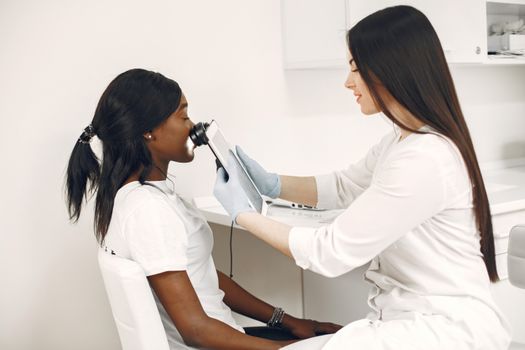
Our skin is our body's largest organ, and it often provides the first clues about our overall health. While many minor skin irritations can be managed at home, there are specific signs and symptoms that clearly indicate it's time to book an appointment with a dermatologist. Recognizing these indicators can be crucial for early diagnosis and effective treatment, preventing conditions from worsening or becoming more complex. A dermatologist is a medical doctor specializing in the diagnosis and treatment of conditions affecting the skin, hair, and nails. Their expertise extends beyond cosmetic concerns to encompass a vast array of medical issues, from chronic conditions like eczema and psoriasis to more serious concerns like skin cancer. One of the most common reasons to see a dermatologist is for persistent or worsening acne. While teenage acne is often considered a rite of passage, severe cystic acne, acne that doesn't respond to over-the-counter treatments, or acne that causes significant scarring warrants professional attention. A dermatologist can prescribe stronger topical medications, oral antibiotics, or even isotretinoin, tailoring a treatment plan to your specific needs. Similarly, if you're experiencing chronic rashes, hives, or unexplained skin irritations that don't resolve with standard allergy medications or home remedies, a dermatologist can help identify the underlying cause. These could range from allergic reactions to autoimmune disorders, and accurate diagnosis is key to appropriate management. Moles and other suspicious skin lesions are another critical reason to consult a dermatologist. Changes in the size, shape, color, or texture of a mole, or the appearance of new, unusual moles, should never be ignored. Dermatologists are trained to perform thorough skin exams, often using a dermatoscope, to assess these lesions for signs of melanoma or other skin cancers. Regular skin checks are particularly vital for individuals with a history of sunburns, numerous moles, or a family history of skin cancer. Don't delay if you notice anything concerning; early detection significantly improves treatment outcomes for skin cancer. Beyond these, dermatologists address a wide range of other conditions. Hair loss, whether sudden or gradual, can be distressing. A dermatologist can diagnose the type of hair loss (e.g., androgenetic alopecia, telogen effluvium, alopecia areata) and recommend appropriate treatments, from topical solutions to oral medications or even advanced therapies. Nail problems, such as fungal infections, discoloration, or changes in nail texture, also fall under their purview. Additionally, chronic conditions like psoriasis, eczema (atopic dermatitis), rosacea, and vitiligo require ongoing management, and a dermatologist can provide long-term care plans to control symptoms and improve quality of life. Even cosmetic concerns, such as fine lines, wrinkles, sun damage, and hyperpigmentation, can be expertly addressed by a dermatologist through various procedures and personalized skincare regimens. Understanding these diverse areas of expertise helps in making an informed decision about when it's time to seek professional medical advice for your skin, hair, and nail health. In essence, if a skin, hair, or nail concern is causing you discomfort, embarrassment, or simply not resolving on its own, it's a good idea to consider booking an appointment with a dermatologist. They possess the specialized knowledge and tools to accurately diagnose and effectively treat a vast spectrum of dermatological issues, ensuring your skin remains as healthy as possible. Don't underestimate the impact of skin health on overall well-being and confidence.

Navigating the Process to Find and Book Your Dermatologist

A healthcare worker in PPE using a laptop for remote work, symbolizing modern medicine and digital innovation.Photo: Gustavo Fring / Pexels
The journey to book an appointment with a dermatologist in the US often begins with identifying your needs and then systematically searching for the right specialist. The first step, as discussed, is recognizing that your condition warrants professional attention. Once that's clear, the practical steps of finding and scheduling an appointment come into play. Start by checking your insurance provider's network. Most insurance companies have an online portal or a customer service number where you can search for in-network dermatologists. Staying within your network is crucial for minimizing out-of-pocket costs. When using their directory, you can often filter by location, specialty (e.g., general dermatology, cosmetic dermatology, dermatologic surgery), and even gender, if that's a preference. Beyond insurance directories, reputable online platforms like Zocdoc, Healthgrades, and Vitals allow you to search for dermatologists, read patient reviews, and sometimes even book appointments directly online. These sites often provide detailed profiles of doctors, including their education, board certifications, and areas of expertise. Personal recommendations from your primary care physician (PCP) or trusted friends and family can also be invaluable. Your PCP can often provide a referral to a dermatologist they trust, which can be particularly helpful if your insurance plan requires one. When evaluating potential dermatologists, consider several factors. Board certification is a non-negotiable indicator of a doctor's qualifications and expertise. A board-certified dermatologist has passed rigorous examinations demonstrating their competency in the field. Look for physicians affiliated with reputable hospitals or academic institutions, as this often signifies a commitment to high standards of care and access to the latest research and technologies. Patient reviews can offer insights into a doctor's bedside manner, wait times, and the overall patient experience. While one or two negative reviews shouldn't be a deal-breaker, a consistent pattern of complaints might be a red flag. Convenience is also a practical consideration – proximity to your home or work, office hours, and availability of appointments can influence your choice. Once you've narrowed down your options, it's time to book an appointment. Many clinics offer online scheduling through their websites or patient portals, which can be very convenient. Alternatively, you can call the office directly. When you call, be prepared to provide your insurance information, a brief reason for your visit (e.g., 'I'd like to get a mole checked,' or 'I'm experiencing persistent acne'), and your availability. It's also wise to ask about any new patient forms that can be completed in advance to save time at your appointment. Inquire about their cancellation policy and any fees associated with missed appointments. For urgent concerns, don't hesitate to mention the urgency when scheduling; some clinics might have earlier slots or a cancellation list you can be added to. If you're seeking a specific procedure or treatment, confirm that the dermatologist offers it and whether it's covered by your insurance. This proactive approach ensures a smoother and more efficient process for securing the dermatological care you need.

Understanding Costs and Preparing for Your Dermatologist Visit

From above patient with money and pills sitting at table with laptop and notebook while deal purchasing medicine in clinicPhoto: www.kaboompics.com / Pexels
Understanding the financial aspects and adequately preparing for your dermatologist visit can significantly reduce stress and ensure you get the most out of your appointment. The cost of seeing a dermatologist in the US can vary widely depending on several factors, including your insurance coverage, the type of visit (e.g., consultation, procedure), the dermatologist's location and reputation, and whether you meet your deductible. For most insured individuals, the primary cost will be your co-payment or co-insurance, which is a fixed amount or percentage you pay after your deductible has been met. It's always best to confirm your specific benefits with your insurance provider before your visit. Call the number on your insurance card to inquire about specialist co-pays, deductible status, and whether a referral is required for dermatological services. Some plans, particularly HMOs, mandate a referral from your primary care physician to cover specialist visits. Without it, you could be responsible for the entire bill. For those without insurance, or for services not covered by insurance (often cosmetic procedures), costs can range from $100 to $300 or more for an initial consultation. Follow-up visits are typically less expensive. Surgical procedures, biopsies, or specialized treatments will incur additional charges. Don't hesitate to ask the clinic about their cash pay rates or payment plans if you're uninsured or concerned about out-of-pocket expenses. Some clinics offer discounted rates for upfront payment, and understanding the potential costs beforehand can help you budget and avoid unexpected bills. Always ask for an estimated cost for any recommended procedures before they are performed. Financial transparency in healthcare is a right, and clinics should be able to provide this information. Preparation is key to a productive dermatologist visit. Before your appointment, compile a detailed medical history. This should include any existing medical conditions, past surgeries, allergies (especially to medications or topical products), and all medications you are currently taking, including prescription drugs, over-the-counter remedies, vitamins, and supplements. It's helpful to write these down or bring the actual bottles. Be ready to discuss your family's medical history, particularly any history of skin cancer or other dermatological conditions. Next, make a list of your concerns and questions. Be specific about your symptoms: when did they start, how often do they occur, what makes them better or worse, and what treatments have you tried? If you have a suspicious mole, note when you first noticed it or any changes. For rashes, consider if they are itchy, painful, or spreading. Photos of your condition when it's at its worst can also be incredibly helpful for the dermatologist. On the day of your appointment, there are a few practical tips. Avoid wearing makeup, nail polish, or heavy lotions/creams on the areas you want examined. This allows the dermatologist to get a clear view of your skin, hair, and nails. Wear loose, comfortable clothing that can be easily removed if a full-body skin exam is necessary. Arrive early to complete any new patient paperwork, and bring your insurance card, photo ID, and payment method. Being prepared not only saves time but also ensures that the dermatologist has all the necessary information to make an accurate diagnosis and develop an effective treatment plan, making your visit as efficient and beneficial as possible.

Maximizing Your Visit: Tips for a Successful Consultation and Follow-Up

Doctor discusses health records with a patient in a clinical setting.Photo: RDNE Stock project / Pexels
To truly maximize the benefits of your dermatologist appointment, a proactive approach during and after the consultation is essential. You’ve successfully navigated the process to book an appointment with a dermatologist, gathered your information, and arrived prepared. Now, it's about effective communication and understanding the next steps. During the consultation, be open and honest with your dermatologist about all your concerns. Don't be shy about showing them any areas of your skin, hair, or nails that are bothering you. Remember, they are medical professionals who have seen it all, and withholding information can hinder an accurate diagnosis. Clearly articulate your symptoms, their duration, and any factors that seem to aggravate or alleviate them. If you've tried any home remedies or over-the-counter products, mention those as well. When the dermatologist explains their findings, diagnosis, and treatment plan, listen carefully. Don't hesitate to ask clarifying questions. If they use medical jargon you don't understand, ask them to explain it in simpler terms. It’s crucial that you comprehend your condition and the rationale behind the recommended treatment. Ask about all available treatment options, including their potential side effects, expected outcomes, and duration. For instance, if a medication is prescribed, ask about dosage, frequency, and how long you should expect to take it. Inquire about lifestyle modifications that might support your treatment, such as dietary changes, specific skincare routines, or sun protection measures. If a biopsy or procedure is recommended, ask why it’s necessary, what it entails, how long recovery will take, and what the potential risks are. It’s also wise to ask what you should do if your condition doesn't improve or worsens after starting treatment. Before you leave, confirm if a follow-up appointment is needed and when. You might even consider taking notes during your consultation or asking if you can record the conversation (with their permission) to refer back to later. This ensures you retain all the important information. After your appointment, diligently follow the treatment plan provided by your dermatologist. This includes taking medications as prescribed, using topical products correctly, and adhering to any lifestyle recommendations. Consistency is often key to achieving desired results. Monitor your symptoms and any changes in your condition. If you experience unexpected side effects from medication, or if your condition doesn't improve as expected, contact the dermatologist's office promptly. Don't wait until your next scheduled appointment if you have pressing concerns. Keep all follow-up appointments, as these are critical for assessing treatment effectiveness, making adjustments, and monitoring for any new developments. If you receive results from biopsies or lab tests, ensure you understand them and what they mean for your health. A successful consultation isn't just about the diagnosis; it’s about establishing a clear path forward for your skin health and empowering you to be an active participant in your care. By being engaged and communicative, you ensure that booking an appointment with a dermatologist leads to the best possible outcomes for your skin, hair, and nails.

Comparison

FeatureIn-Person VisitTelehealth ConsultationUrgent Care Clinic
Direct Physical Exam✗ (visual only)
Biopsies/ProceduresLimited
ConvenienceLowerHigherMedium
Cost (Initial Consult)Varies by insuranceOften lower/same as in-personCan be higher for specialists
Specialist ExpertiseFullFull (visual assessment)General medical only
Wait TimesCan be longOften shorterShort for immediate needs

What Our Readers Say

5 ★★★★★

"Booking an appointment with a dermatologist through my insurance portal was surprisingly easy. Dr. Lee was fantastic, addressing all my concerns about a suspicious mole quickly and thoroughly. Highly recommend checking your network first!"

5 ★★★★★

"I had been putting off seeing a dermatologist for my chronic eczema. The online booking system made it so simple to schedule. My skin has never felt better after following the prescribed treatment plan."

5 ★★★★★

"After years of struggling with adult acne, I decided to book an appointment with a dermatologist. Dr. Chen listened patiently and prescribed a treatment that finally cleared my skin. It's been a life-changer!"

4 ★★★★☆

"The process to book an appointment with a dermatologist was straightforward, though I had to wait a few weeks for an opening. The visit itself was very informative, and I appreciate the doctor's clear explanation of my condition."

5 ★★★★★

"I used a telehealth service to book an appointment with a dermatologist for a rash, and it was incredibly convenient. While I still needed an in-person follow-up for a biopsy, the initial virtual consultation saved me a lot of time."

Frequently Asked Questions

How often should I book an appointment with a dermatologist for a skin check?
For most healthy adults with no significant risk factors, an annual full-body skin check is recommended. However, if you have a history of skin cancer, numerous moles, fair skin, or a family history of melanoma, your dermatologist might recommend more frequent visits, perhaps every 3-6 months. Always follow your doctor's personalized advice based on your risk profile.
Do I need a referral from my primary care doctor to see a dermatologist?
It depends on your insurance plan. Many PPO plans allow you to see a specialist like a dermatologist without a referral. However, HMO plans often require a referral from your primary care physician for coverage. Always check with your insurance provider directly before booking an appointment to avoid unexpected costs.
How can I find a reputable dermatologist in my area?
Start by checking your insurance provider's online directory for in-network specialists. You can also use online platforms like Zocdoc, Healthgrades, or the American Academy of Dermatology's 'Find a Dermatologist' tool. Look for board-certified dermatologists, read patient reviews, and consider asking your primary care physician for a recommendation.
What is the average cost of a dermatologist visit without insurance?
Without insurance, an initial consultation with a dermatologist can range from $100 to $300 or more, depending on the location, the doctor's experience, and the complexity of your visit. Follow-up appointments are typically less expensive. It's always best to call the clinic beforehand and inquire about their cash pay rates.
Is a virtual dermatologist appointment as effective as an in-person visit?
Virtual (telehealth) appointments are highly effective for many conditions, especially for initial consultations, follow-ups for stable conditions, or issues that are easily recognizable visually (e.g., rashes, acne, minor skin irritations). However, for suspicious moles requiring dermoscopy, biopsies, or surgical procedures, an in-person visit is essential. Your dermatologist will advise if an in-person follow-up is necessary.
Who should book an appointment with a dermatologist?
Anyone experiencing persistent or concerning skin, hair, or nail issues should consider seeing a dermatologist. This includes individuals with chronic acne, unexplained rashes, changing moles, significant hair loss, or nail abnormalities. Regular skin checks are also crucial for those with a history of sun exposure, numerous moles, or a family history of skin cancer.
Are there any risks associated with seeing a dermatologist?
Generally, seeing a dermatologist carries minimal risk. The primary 'risks' are misdiagnosis or ineffective treatment, which are rare with qualified, board-certified professionals. Any procedures (like biopsies or excisions) carry standard surgical risks such as infection, bleeding, or scarring, which your dermatologist will discuss with you. Always ensure your dermatologist is board-certified to minimize these concerns.
How has technology changed the way we book an appointment with a dermatologist?
Technology has revolutionized access to dermatological care. Online scheduling portals and patient apps make booking appointments significantly easier and more convenient. Telehealth platforms allow for virtual consultations, expanding access to specialists, especially in rural areas, and reducing travel time. Digital health records also streamline the sharing of information between providers, improving continuity of care.

Don't let skin concerns go unaddressed. Take the proactive step towards healthier skin, hair, and nails today. Use this guide to confidently book an appointment with a dermatologist and ensure you receive the expert care you deserve for lasting well-being.

Topics: book an appointment with a dermatologistfind a dermatologistdermatology appointment costskin care specialistwhat to expect dermatologist visit
Leo List
Brampton weed
Adultwork