How to Become a Registered Nurse in California: Your Ultimate Guide
July 15, 2026 15 min read 2,983 words
Navigate the path to a rewarding nursing career in California with this expert-led, step-by-step guide.
Start Your RN Journey
Understanding California RN Requirements: Your Foundation
 Photo: Thirdman / Pexels
Becoming a registered nurse (RN) in California is a highly sought-after and rewarding career path, offering competitive salaries, diverse opportunities, and the chance to make a profound difference in patients' lives. California, with its vast population and innovative healthcare landscape, consistently ranks as one of the best states for nursing professionals. However, navigating the specific requirements set forth by the California Board of Registered Nursing (BRN) can seem daunting without a clear roadmap. This section will meticulously break down the foundational requirements, ensuring you understand each critical step from the very beginning of your journey.
The initial and most crucial step is securing the right education. California mandates that all aspiring RNs complete an approved nursing program. There are primarily two pathways: an Associate Degree in Nursing (ADN) or a Bachelor of Science in Nursing (BSN). While both degrees qualify you to sit for the NCLEX-RN examination and apply for licensure, they differ significantly in scope, duration, and career progression potential. An ADN program typically takes two to three years to complete and focuses heavily on direct patient care skills. It's a faster route to entry-level nursing. A BSN program, on the other hand, usually requires four years of study, providing a more comprehensive curriculum that includes leadership, research, public health, and critical thinking skills. Many healthcare institutions, especially Magnet hospitals, increasingly prefer or even require BSN-prepared nurses due to the demonstrated link between higher education levels and improved patient outcomes. For those who pursue an ADN, many bridge programs (such as ADN-to-BSN) exist, allowing nurses to further their education while often working. Choosing between an ADN and BSN should align with your long-term career aspirations and immediate educational goals. Regardless of your choice, ensure the program is accredited by either the Accreditation Commission for Education in Nursing (ACEN) or the Commission on Collegiate Nursing Education (CCNE), as this is a non-negotiable requirement for licensure in California. Without accreditation, your education will not be recognized by the BRN, rendering your efforts futile. Thoroughly research potential schools, review their NCLEX pass rates, and consider their clinical placement opportunities. The quality of your education directly impacts your preparedness for the NCLEX-RN and your subsequent practice as a registered nurse. Additionally, consider programs that offer robust clinical experiences across various specialties, as this practical exposure is invaluable.
Understanding the different types of nursing degrees can help you make an informed decision aligned with your career goals. Many programs also require prerequisite courses in subjects like anatomy, physiology, microbiology, and psychology, which must be completed before admission to the core nursing curriculum. These prerequisites are essential for building a strong scientific foundation necessary for understanding complex medical concepts. Planning these courses in advance can streamline your application process. Some programs are highly competitive, requiring high GPAs and strong application essays. It's wise to apply to multiple programs to increase your chances of acceptance. Furthermore, look into programs that offer flexible scheduling options, such as evening or weekend classes, if you plan to work while studying. The commitment to a nursing program is significant, involving rigorous coursework, extensive clinical hours, and dedicated study time. Preparing for this academic intensity from the outset will set you up for success.
Navigating the NCLEX-RN: Your Gateway to Licensure
 Photo: Tara Winstead / Pexels
Once you've successfully completed an approved nursing program, the next monumental hurdle on your path to becoming a registered nurse in California is passing the National Council Licensure Examination for Registered Nurses, or NCLEX-RN. This standardized examination is not just a test of your knowledge; it's a comprehensive assessment of your ability to apply critical thinking skills and make sound clinical judgments in a safe and effective manner as an entry-level nurse. The NCLEX-RN is administered by Pearson VUE on behalf of the National Council of State Boards of Nursing (NCSBN), and it is a mandatory requirement for licensure in all U.S. states and territories, including California.
Preparing for the NCLEX-RN requires a strategic and disciplined approach. Many graduates enroll in NCLEX review courses, which can be invaluable resources. These courses often provide structured study plans, practice questions, and content reviews tailored to the exam's format and content areas. Key content areas include Safe and Effective Care Environment, Health Promotion and Maintenance, Psychosocial Integrity, and Physiological Integrity. Within these categories, the exam covers a vast array of nursing concepts, from pharmacology and medical-surgical nursing to pediatrics and mental health. Beyond formal review courses, self-study using reputable textbooks, online question banks, and flashcards is crucial. It’s not just about memorizing facts; it’s about understanding the 'why' behind nursing interventions and being able to prioritize patient needs. The exam uses a Computer Adaptive Testing (CAT) format, meaning the difficulty of subsequent questions is determined by your answers to previous questions. This adaptive nature means no two exams are exactly alike, and the number of questions you receive can vary, typically ranging from 75 to 145 items. You will also encounter various question formats, including multiple-choice, multiple-response, fill-in-the-blank, ordered response, and hot spots.
To register for the NCLEX-RN, you must first apply for licensure with the California Board of Registered Nursing (BRN) and simultaneously register with Pearson VUE. The BRN will determine your eligibility to take the exam based on your educational qualifications. Once deemed eligible, you will receive an Authorization to Test (ATT) from Pearson VUE, which is valid for a specific period, usually 90 days. It is critical to schedule your exam within this window. On exam day, arrive early, well-rested, and prepared. Bring only the required identification and follow all testing center rules. The results are typically available within a few weeks, though unofficial results may be accessible sooner through Pearson VUE’s quick results service. Passing the NCLEX-RN is a significant milestone, signifying that you possess the fundamental competencies required to begin your practice as a registered nurse. If you do not pass on your first attempt, don't be discouraged. The BRN allows for retesting after a waiting period, and many successful nurses have passed on their second or third attempt after further study and preparation. It's important to analyze your weaker areas and focus your subsequent study efforts accordingly. Remember, the NCLEX-RN is a test of minimum competency, not maximum knowledge. Your goal is to demonstrate safe and effective nursing practice.
California RN Licensure Application Process: Official Steps
 Photo: www.kaboompics.com / Pexels
After successfully conquering the NCLEX-RN, the final formal hurdle to becoming a registered nurse in California is submitting a complete and accurate application for licensure to the California Board of Registered Nursing (BRN). This process involves several critical components designed to ensure that all licensed nurses meet the state's high standards for professional practice and patient safety. Understanding each step meticulously will help you avoid delays and ensure a smooth transition from graduate to licensed RN.
Your licensure application package will typically include several key documents and requirements. Firstly, you will need to submit official transcripts directly from your nursing school to the BRN. These transcripts must clearly indicate the degree awarded (ADN or BSN) and the date of graduation. It's crucial that your school sends these directly, as transcripts submitted by the applicant themselves are generally not accepted. Secondly, a criminal background check is mandatory for all applicants. This involves submitting your fingerprints via Live Scan, an electronic fingerprinting service available throughout California. The BRN uses these fingerprints to conduct a thorough background check with the California Department of Justice (DOJ) and the Federal Bureau of Investigation (FBI). Any criminal history, including misdemeanors or felonies, must be disclosed on your application. Failure to disclose such information can lead to immediate denial of licensure, even if the offense itself might not have otherwise disqualified you. The BRN reviews these cases on an individual basis, considering the nature of the crime, the time elapsed, and evidence of rehabilitation. Honesty and transparency are paramount in this stage.
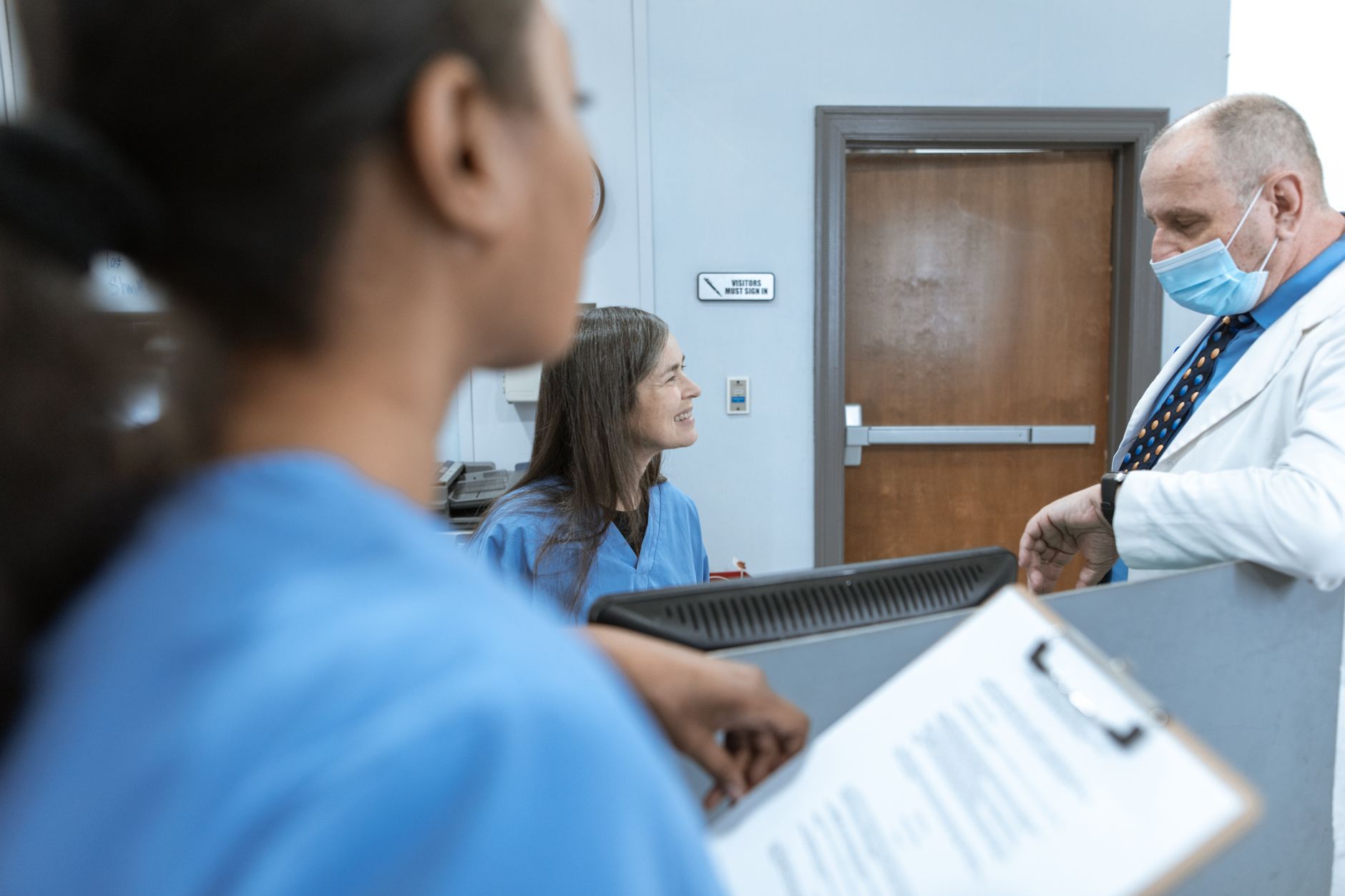
Understanding professional ethics in nursing is a critical component of maintaining a clean record and ensuring patient trust.
In addition to transcripts and fingerprints, you will need to complete the official application form provided by the BRN. This form requires detailed personal information, educational history, and questions related to your professional conduct and any prior disciplinary actions. Be meticulous in filling out this form, as errors or omissions can cause significant delays. You will also need to pay the required application and licensure fees. These fees are non-refundable and cover the administrative costs associated with processing your application and maintaining your license. Once all components of your application are received and verified, the BRN will review your file. The processing time can vary, often taking several weeks to a few months, depending on the volume of applications and the completeness of your submission. You can typically check the status of your application online through the BRN's website. Upon approval, your RN license will be issued, and you will receive notification, often including a physical license to display. It's important to note that your license has an expiration date, and you will be responsible for renewing it periodically, which involves completing continuing education requirements. Staying informed about these requirements is part of your ongoing professional responsibility as a licensed nurse in California. Any changes to your personal information, such as name or address, must also be updated with the BRN promptly to ensure you receive important communications regarding your license. Maintaining a current and valid license is essential for legal practice and professional credibility.
Essential Tips for Success & Common Pitfalls to Avoid
 Photo: Klaus Nielsen / Pexels
Embarking on the journey to become a registered nurse in California is a significant undertaking, and while the path is clear, several strategies can enhance your success, while certain pitfalls can cause unnecessary delays or complications. Being proactive and informed will serve you well at every stage.
**Tips for Success:**
* **Choose the Right Program:** Don't just pick any nursing school. Research NCLEX pass rates, clinical affiliation sites, and faculty-to-student ratios. A strong program foundation makes a world of difference.
* **Network Early and Often:** Connect with classmates, professors, and nurses during your clinical rotations. These connections can provide invaluable mentorship, study partners, and future job opportunities.
* **Utilize Academic Support:** If you struggle with a particular subject, seek tutoring or academic advising. Don't wait until it's too late; early intervention is key.
* **Prioritize Self-Care:** Nursing school is demanding. Maintain a healthy lifestyle, including adequate sleep, nutrition, and stress management techniques, to prevent burnout.
* **Start NCLEX Prep Early:** Integrate NCLEX-style questions into your study routine throughout nursing school, not just after graduation. This builds familiarity and confidence.
* **Gain Diverse Clinical Experience:** Seek out opportunities in various specialties during your clinical rotations. This broadens your understanding and helps you identify your preferred area of practice.
* **Stay Organized:** Keep all your application documents, transcripts, and correspondence with the BRN meticulously organized. This prevents last-minute scrambling.
**Common Pitfalls to Avoid:**
* **Unaccredited Programs:** Enrolling in a nursing program that is not accredited by ACEN or CCNE is a critical mistake, as your education will not be recognized for licensure.
* **Failing to Disclose Criminal History:** Even minor offenses must be disclosed on your BRN application. Hiding information can lead to denial or revocation of your license.
* **Procrastinating on NCLEX Prep:** Underestimating the NCLEX-RN's difficulty or delaying study can lead to multiple attempts, extending your time to licensure.
* **Incomplete or Incorrect Applications:** Rushing through the BRN application and submitting incomplete or erroneous information can cause significant processing delays.
* **Ignoring Continuing Education (CE) Requirements:** Once licensed, failing to complete the mandated CE hours for renewal will result in an expired license, preventing you from practicing.
* **Lack of Professionalism:** From nursing school through clinicals and into practice, maintaining professional conduct is paramount. Ethical lapses can jeopardize your career.
* **Not Researching Job Market Trends:** While California has many opportunities, understanding which specialties are in highest demand (e.g., critical care, emergency, public health) can guide your post-licensure job search.
By heeding these tips and avoiding common mistakes, you can streamline your journey to becoming a successful registered nurse in California, ready to embark on a fulfilling and impactful career.