✓ Medicare Part B generally covers medically necessary dermatology services.
✓ Not all dermatologists accept Medicare, or they may accept only specific plans.
✓ Using official Medicare tools and provider directories is crucial for accurate results.
✓ Understanding the difference between Original Medicare and Medicare Advantage plans is key.
How It Works
1
Understand Your Medicare Plan
Determine if you have Original Medicare (Parts A & B) or a Medicare Advantage Plan (Part C). This dictates your network and referral requirements.
2
Utilize Official Search Tools
Use the official Medicare.gov 'Physician Compare' tool or your Medicare Advantage plan's provider directory. Filter by specialty and acceptance of Medicare.
3
Verify with the Dermatologist's Office
Once you have a list, call each dermatologist's office directly. Confirm they accept your specific Medicare plan and inquire about any out-of-pocket costs.
4
Prepare for Your Appointment
Gather your medical history, current medications, and a list of skin concerns. This ensures a productive first visit with your new dermatologist.
Understanding Medicare Coverage for Dermatological Services
Photo: Klaus Nielsen / Pexels
Navigating the complexities of healthcare coverage, especially when it comes to specialized care like dermatology, can often feel like a daunting task. For those relying on Medicare, understanding what's covered and how to find a dermatologist near me that accepts Medicare is paramount to accessing necessary skin health services without unexpected financial burdens. Medicare is a federal health insurance program for people 65 or older, certain younger people with disabilities, and people with End-Stage Renal Disease. It's broadly divided into several parts, each covering different aspects of healthcare. The primary part relevant to dermatological care is Medicare Part B (Medical Insurance), which covers doctor's services, outpatient care, home health care, durable medical equipment, and some preventive services. When it comes to dermatology, Medicare Part B generally covers services that are considered 'medically necessary.' This means services required to diagnose or treat an illness, injury, condition, or disease. For instance, if you have a suspicious mole that needs to be checked for skin cancer, or you're dealing with a chronic skin condition like psoriasis or eczema that requires ongoing treatment, these services are typically covered. Preventative screenings, such as a full-body skin check specifically for skin cancer, are also covered under certain conditions if deemed medically necessary by your physician, especially if you have risk factors. However, it's crucial to distinguish between medically necessary treatments and cosmetic procedures. Medicare does not cover cosmetic dermatology. Procedures like Botox for wrinkles, chemical peels for aesthetic purposes, or laser treatments solely for anti-aging are generally not covered. If a procedure has both cosmetic and medical benefits (e.g., laser treatment for severe acne scarring that causes functional impairment), there might be a grey area, and you would need to discuss this extensively with your dermatologist and Medicare directly. Your out-of-pocket costs under Original Medicare typically involve a Part B deductible, and then you pay 20% of the Medicare-approved amount for most doctor's services, including dermatologists' services, after you've paid your deductible. There is no yearly limit on what you pay out-of-pocket unless you have supplemental insurance (Medigap) or a Medicare Advantage Plan. For those with Medicare Advantage Plans (Part C), the coverage structure can be different. These plans are offered by private companies approved by Medicare and include all the benefits of Original Medicare, often with additional benefits like vision, hearing, and dental. However, they may have specific networks of doctors and hospitals you must use, and your out-of-pocket costs (copayments, deductibles, and coinsurance) can vary widely. It is critical to consult your specific plan's documents or contact your plan provider directly to understand your dermatology benefits and network requirements. Failing to do so could result in higher costs or denied claims if you see an out-of-network provider. Understanding these nuances is the first step in successfully locating a dermatologist who can meet your health needs and financial parameters. Learn more about Medicare's coverage details to ensure you're fully prepared for your search.
Effective Strategies to Find Dermatologists Accepting Medicare
Photo: RDNE Stock project / Pexels
Once you have a clear understanding of your Medicare coverage, the next critical step is to actively search for dermatologists who accept your plan. This process requires a systematic approach to ensure you find a qualified provider who is also financially accessible. The most reliable starting point for anyone with Original Medicare is the official Medicare website. The 'Physician Compare' tool on Medicare.gov is an invaluable resource. This online directory allows you to search for doctors and other health professionals, including dermatologists, by location, specialty, and whether they accept Medicare. When using this tool, be sure to filter your search specifically for dermatologists and look for indicators that they are participating Medicare providers. A participating provider has signed an agreement to accept Medicare-approved amounts as full payment. This means they cannot charge you more than the Medicare deductible and coinsurance. While most dermatologists who accept Medicare will be listed here, it's always wise to double-check. For those enrolled in a Medicare Advantage Plan (Part C), your search strategy will be slightly different. Since Medicare Advantage plans are administered by private insurance companies, you must use your specific plan's provider directory. These directories are typically available on the insurance company's website or by calling their customer service line. These plans often operate within specific networks, and seeing an out-of-network dermatologist could result in significantly higher costs or no coverage at all, unless it's an emergency. Therefore, ensuring the dermatologist is in your plan's network is non-negotiable. Another effective strategy is to leverage referrals. If you have a primary care physician (PCP) who accepts Medicare, they can be an excellent source of referrals to dermatologists within your network or who accept Original Medicare. Your PCP often has established relationships with specialists and can recommend dermatologists known for quality care and Medicare acceptance. Don't underestimate the power of simply asking. When you call a dermatologist's office, state upfront that you are a Medicare beneficiary and ask if they accept your specific Medicare plan (Original Medicare or your Medicare Advantage plan name). Be prepared to provide your Medicare ID number or insurance card details. It's also a good idea to inquire about their billing practices for services that might not be fully covered, or for any potential out-of-pocket costs beyond the standard deductible and coinsurance. Online health directories, such as Zocdoc, Healthgrades, and Vitals, can also be useful, but they should be used with caution. While these platforms allow you to filter by insurance acceptance, the information isn't always perfectly up-to-date. Always verify directly with the dermatologist's office after using these tools. When reviewing potential dermatologists, consider factors beyond just Medicare acceptance. Look for board certification, experience with conditions relevant to your needs (e.g., skin cancer, chronic skin diseases), patient reviews, and clinic accessibility. A well-rounded approach combining official Medicare resources, plan-specific directories, and direct verification will significantly improve your chances of finding the right dermatologist. Remember, your skin health is important, and finding a qualified provider who accepts your insurance should not be a barrier to receiving excellent care.
Common Challenges and How to Overcome Them When Seeking Medicare Dermatologists
Photo: Tima Miroshnichenko / Pexels
Despite the resources available, finding a dermatologist near me that accepts Medicare can present several challenges. Being aware of these potential hurdles and knowing how to navigate them will streamline your search and reduce frustration. One of the most common challenges is the variability in Medicare acceptance. Not all dermatologists participate in Medicare, and even those who do may only accept Original Medicare, not all Medicare Advantage Plans. Some dermatologists might be 'non-participating' providers, meaning they accept Medicare but haven't signed an agreement to accept the Medicare-approved amount as full payment. This allows them to charge up to 15% more than the Medicare-approved amount (called the 'excess charge'), which you would be responsible for in addition to your 20% coinsurance. A smaller number might 'opt out' of Medicare entirely, meaning they can charge you their full fee, and Medicare will not pay anything for your visit. To overcome this, always confirm the dermatologist's Medicare participation status directly with their office. Ask specifically if they are a 'participating provider' with Original Medicare or if they accept your particular Medicare Advantage plan, including your specific plan name and ID. Another significant challenge, particularly for those with Medicare Advantage Plans, is network restrictions. These plans often require you to see doctors within their specific network. If you go out-of-network, your costs can skyrocket, or your services might not be covered at all, except in emergencies. This can be especially difficult in rural areas where network options might be limited. To tackle this, make sure you have the most current provider directory for your Medicare Advantage plan. If you're struggling to find an in-network dermatologist, contact your plan's customer service. They may be able to provide an updated list, offer guidance on obtaining referrals for out-of-network care if necessary, or even help you switch to a plan with broader network access if your current one is too restrictive. Long wait times for appointments, especially for new patients, are another widespread issue in dermatology, regardless of insurance. This can be particularly frustrating when you have an urgent skin concern. To mitigate this, consider expanding your search radius if possible. Be flexible with appointment times, and ask to be put on a cancellation list. Some clinics offer urgent care slots for pressing medical needs. Additionally, if your condition is not immediately life-threatening but requires timely attention, your primary care physician might be able to offer interim advice or treatment while you await a specialist appointment. Finally, understanding the difference between medically necessary and cosmetic procedures is a recurring challenge that can lead to unexpected bills. Dermatologists are typically very clear about what Medicare will and will not cover. Always ask for clarification if you're unsure whether a procedure or treatment will be covered. Get estimates in writing for any out-of-pocket costs, especially if a service might be deemed cosmetic. By being proactive, asking detailed questions, and utilizing all available resources, you can effectively navigate these challenges and ensure you receive the dermatological care you need within your Medicare benefits. Staying informed and assertive about your coverage rights is your best defense against unexpected costs and ensures you can access quality healthcare services.
Maximizing Your Medicare Benefits for Optimal Skin Health
Photo: Tima Miroshnichenko / Pexels
Once you've successfully found a dermatologist near me that accepts Medicare, the journey doesn't end there. Maximizing your Medicare benefits involves being proactive and informed throughout your dermatological care. This ensures you receive the best possible treatment while managing your costs effectively. One key tip is to always come prepared for your appointments. Bring a comprehensive list of all your current medications, including over-the-counter drugs and supplements. Detail your medical history, especially any previous skin conditions, surgeries, or family history of skin cancer. Clearly articulate your concerns and symptoms to your dermatologist. This thoroughness allows your doctor to make accurate diagnoses and recommend appropriate, medically necessary treatments that are more likely to be covered by Medicare. Another crucial aspect is understanding your annual wellness visits and preventive screenings. Medicare Part B covers an 'Annual Wellness Visit' which is different from a routine physical. During this visit, your doctor can assess your health risks, including those related to skin conditions, and recommend appropriate screenings. While a full-body skin cancer screening isn't an automatic part of every wellness visit, if your doctor identifies risk factors or concerns, they can order one as medically necessary. Don't hesitate to discuss any new moles, lesions, or changes in your skin with your primary care doctor, who can then refer you to a dermatologist if needed. For those with Original Medicare, considering supplemental insurance, such as Medigap policies, can significantly reduce your out-of-pocket expenses. Medigap plans help cover the 'gaps' in Original Medicare, such as deductibles, copayments, and coinsurance. Some Medigap plans even cover Medicare Part B excess charges, which can be a huge relief if you see a non-participating dermatologist. Researching and enrolling in a Medigap policy that fits your budget and healthcare needs can provide greater financial predictability and access to a wider range of providers. If you have a Medicare Advantage Plan, periodically review your plan's benefits and network. Insurance companies often update their provider networks and benefit structures annually. During the Annual Enrollment Period (AEP), typically from October 15 to December 7, you have the opportunity to switch plans if your current one no longer meets your needs, perhaps due to changes in network or benefits. This is an opportune time to ensure your chosen dermatologist is still in-network or to find a plan that includes them. Finally, always keep meticulous records of your appointments, diagnoses, treatments, and billing statements. Review your 'Explanation of Benefits' (EOB) from Medicare or your Medicare Advantage Plan carefully. If you notice any discrepancies or have questions about a charge, contact the dermatologist's billing office and then your Medicare plan provider for clarification. Being an informed and engaged patient is your best advocate for receiving quality, affordable dermatological care. By taking these proactive steps, you can ensure your skin health is prioritized without undue financial strain, leveraging your Medicare benefits to their fullest potential.
Comparison
Feature
Original Medicare (Part B)
Medicare Advantage (Part C)
Medigap (Supplement)
Dermatology Coverage
Medically necessary services
Medically necessary services (often with added benefits)
Covers out-of-pocket costs for Original Medicare
Provider Network
Any doctor accepting Medicare
Specific plan networks (HMO, PPO)
No network restrictions (supplements Original Medicare)
Referral Required
No (typically)
Often yes (HMO plans)
No (supplements Original Medicare)
Out-of-Pocket Costs
20% coinsurance after deductible
Varies by plan (copays, coinsurance, deductible)
Reduces/eliminates Original Medicare out-of-pocket
Excess Charges
Possible if non-participating provider
No (within network)
Covered by some plans (e.g., Plan F, G)
What Readers Say
★★★★★
"I was so worried about finding a dermatologist near me that accepts Medicare after moving. This guide helped me use the Medicare.gov tool, and I found a fantastic doctor quickly. My skin issues are finally being addressed without financial stress."
Eleanor Vance · Phoenix, AZ
★★★★★
"My Medicare Advantage plan made it tricky to find an in-network skin specialist. Following the advice to call my plan's customer service directly was a game-changer. I got a current list and booked an appointment right away."
Robert Jenkins · Miami, FL
★★★★★
"I needed a mole checked urgently, and thanks to understanding my Original Medicare benefits, I knew exactly what to ask when calling clinics. Found a participating provider who saw me within the week, and the biopsy was covered."
Martha Peterson · Seattle, WA
★★★★★
"The information about Medigap was really helpful. I hadn't realized how much it could help with the 20% coinsurance. It's not a perfect system, but this guide made navigating 'find a dermatologist near me that accepts Medicare' much less intimidating."
David Chang · Boston, MA
★★★★★
"I used to put off dermatologist visits because of cost concerns. This article clarified what Medicare covers for skin issues. Now I feel confident seeking care for my chronic eczema, knowing I'm covered for medically necessary treatments."
Susan Rodriguez · Denver, CO
Frequently Asked Questions
Does Medicare cover routine full-body skin cancer screenings?
Medicare Part B generally covers skin cancer screenings if they are deemed medically necessary by your doctor. This means if you have risk factors (like a history of skin cancer, numerous moles, or a family history) or a suspicious lesion, the screening is likely covered. However, purely elective, routine screenings without specific medical indication might not be. Always discuss with your doctor to establish medical necessity.
What if a dermatologist says they 'don't accept Medicare'?
If a dermatologist states they don't accept Medicare, it could mean a few things: they are an 'opt-out' provider (meaning Medicare won't pay anything), or they only accept Original Medicare and not your specific Medicare Advantage plan. Always clarify. If they've opted out, you'll pay their full fee. If they don't accept your Advantage plan, you'll need to find an in-network provider or explore out-of-network benefits if available.
How do I verify if a dermatologist is a 'participating provider' with Original Medicare?
The most reliable way is to call the dermatologist's office directly and ask. You can also use the Medicare.gov 'Physician Compare' tool, which indicates whether a provider accepts Medicare assignment. A 'participating provider' agrees to accept the Medicare-approved amount as full payment for covered services.
Will Medicare cover cosmetic dermatology procedures?
No, Medicare does not cover cosmetic procedures. This includes treatments like Botox for wrinkles, chemical peels for aesthetic purposes, or laser treatments solely for anti-aging. Medicare only covers services that are considered medically necessary to diagnose or treat an illness or condition.
Is it better to have Original Medicare or a Medicare Advantage Plan for dermatology care?
Neither is inherently 'better'; it depends on your individual needs and preferences. Original Medicare offers more flexibility in choosing providers who accept Medicare but has standard deductibles and coinsurance. Medicare Advantage Plans may offer lower premiums and additional benefits but often come with network restrictions and varying out-of-pocket costs. Evaluate your specific health needs and consult your plan's details.
Who should prioritize finding a dermatologist that accepts Medicare?
Anyone with Medicare who has current skin concerns (e.g., suspicious moles, rashes, chronic conditions like psoriasis or eczema), a history of skin cancer, or significant risk factors for skin cancer (e.g., extensive sun exposure, fair skin, family history) should prioritize finding a dermatologist that accepts Medicare to ensure access to necessary and affordable care.
Are there any risks if I see a dermatologist who has 'opted out' of Medicare?
Yes, the primary risk is financial. If a dermatologist has opted out of Medicare, they are not bound by Medicare's approved amounts. You will be responsible for the entire cost of the visit and any services rendered, and Medicare will not reimburse you for any portion of these costs. Always confirm a provider's Medicare status before your appointment.
What are the future trends in Medicare coverage for dermatology?
Future trends in Medicare coverage for dermatology are likely to focus on integrating new technologies, such as advanced imaging for skin cancer detection, and potentially expanding telehealth options for routine follow-ups. There's also an ongoing emphasis on preventive care and managing chronic conditions, which could lead to more defined coverage for specific risk-based screenings and long-term dermatological management, provided they meet medical necessity criteria.
Don't let the complexities of Medicare prevent you from getting the dermatological care you deserve. Use these strategies to confidently find a dermatologist near me that accepts Medicare, ensuring your skin health is a priority without financial stress. Start your informed search today.
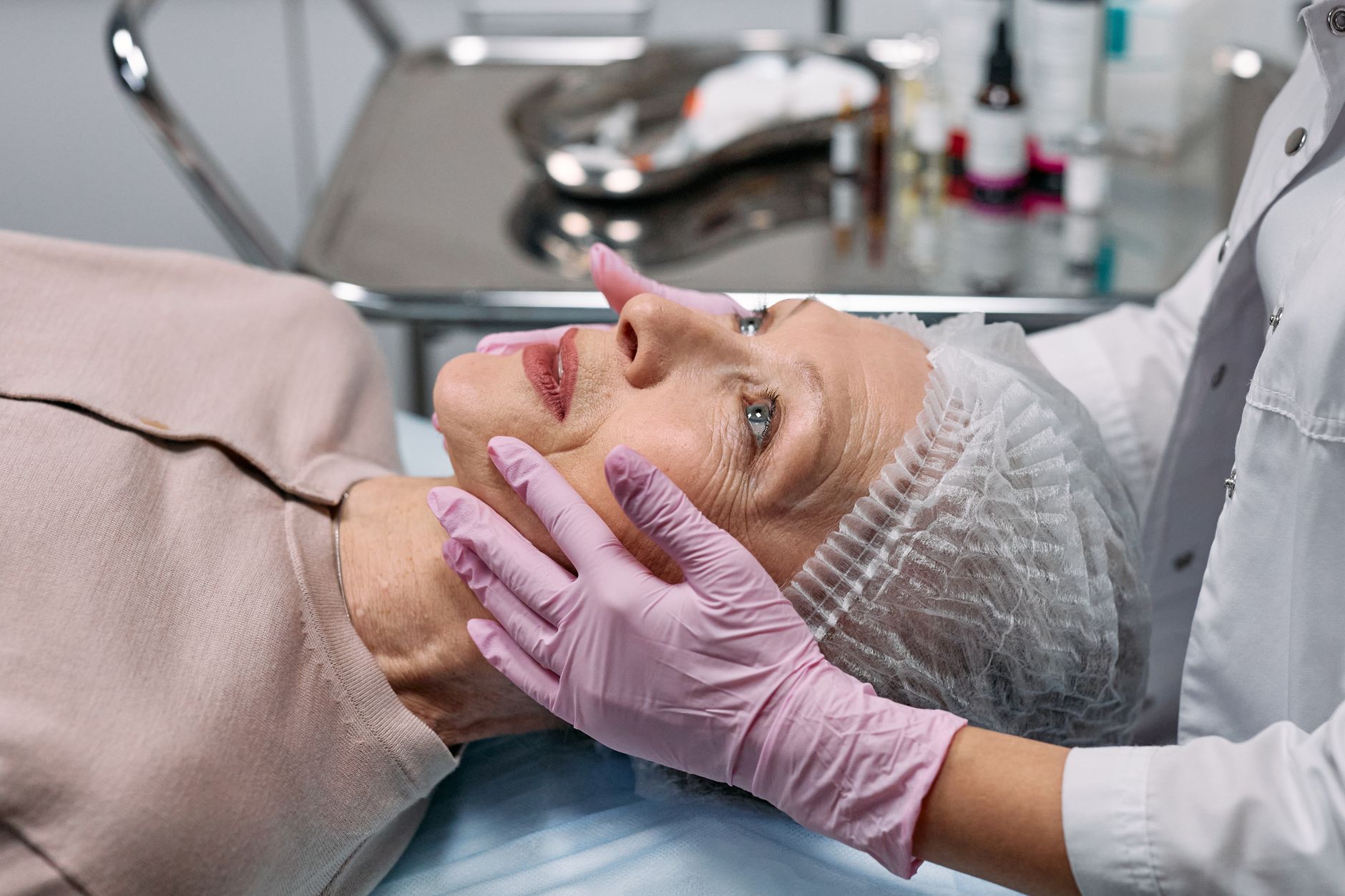
 Photo: Klaus Nielsen / Pexels
 Photo: RDNE Stock project / Pexels
 Photo: Tima Miroshnichenko / Pexels
 Photo: Tima Miroshnichenko / Pexels