✓ Urgent care treats non-life-threatening conditions requiring prompt attention.
✓ Emergency rooms are for severe, life-threatening injuries or illnesses.
✓ Cost for urgent care is significantly lower than an emergency room visit.
✓ Wait times are generally shorter at urgent care centers.
How It Works
1
Assess Your Symptoms
Before seeking care, evaluate the severity of your symptoms. Is it a minor ailment or a potentially life-threatening condition?
2
Consult a Healthcare Professional (If Possible)
For non-emergencies, consider calling your primary care physician or using a telehealth service. They can often guide your next steps.
3
Choose the Right Facility
Based on your assessment and any professional advice, decide between urgent care for less severe issues or the ER for true emergencies.
4
Seek Immediate Help for Emergencies
If you suspect a life-threatening condition, do not hesitate. Call 911 or go to the nearest emergency room without delay.
Understanding Urgent Care: Your Go-To for Non-Emergencies
Photo: Pixabay / Pexels
In the complex landscape of modern healthcare, knowing where to seek treatment can be as crucial as the treatment itself. Urgent care centers have emerged as a vital bridge between your primary care physician and the emergency room, offering a convenient and cost-effective option for a specific range of medical needs. But what exactly defines 'urgent care,' and when is it the appropriate choice?
Urgent care centers are designed to treat illnesses or injuries that are not life-threatening but require prompt attention – typically within 24 hours – and cannot wait for a scheduled appointment with a primary care doctor. Think of it as a walk-in clinic for conditions that are bothersome enough to warrant immediate medical assessment but don't pose an immediate threat to life or limb. These facilities are staffed by physicians, physician assistants, and nurse practitioners who are equipped to diagnose and treat a wide array of conditions. They often have on-site diagnostic capabilities, such as X-rays for suspected fractures and basic lab tests for infections, allowing for quick assessments and treatment plans.
Common conditions treated at urgent care include colds, flu, fevers, minor cuts that might need stitches, sprains, strains, allergic reactions (non-life-threatening), urinary tract infections, ear infections, sore throats, and minor burns. They can also provide vaccinations, physicals, and sometimes even occupational health services. The convenience factor is a major draw; most urgent care centers operate with extended hours, including evenings and weekends, and do not require appointments. This accessibility makes them an invaluable resource for unexpected illnesses or injuries that occur outside of regular doctor's office hours.
Financially, urgent care visits are significantly less expensive than emergency room visits for similar conditions. This cost-effectiveness is a key reason why healthcare providers and insurers often encourage patients to utilize urgent care when appropriate. For instance, a simple strep throat diagnosis might cost hundreds at an ER but only a fraction of that at an urgent care center, even before insurance. Understanding this distinction can save patients considerable out-of-pocket expenses and reduce the overall burden on the healthcare system.
Furthermore, by diverting non-emergent cases from emergency rooms, urgent care centers help reduce ER wait times and allow emergency departments to focus on truly critical cases. This not only benefits patients with minor ailments by providing faster care but also improves outcomes for those facing life-threatening conditions. The rise of urgent care facilities reflects a growing need for accessible, affordable, and timely medical attention that doesn't necessarily warrant the specialized resources and higher costs of an emergency department. Making the right choice between urgent care and other options is a critical aspect of being an informed healthcare consumer. For more information on managing common ailments, consider exploring preventative health tips.
The Emergency Room: When Every Second Counts
Photo: Pixabay / Pexels
The emergency room (ER) is a critical component of the healthcare system, specifically designed to handle severe, life-threatening medical conditions and traumatic injuries that require immediate, complex intervention. Unlike urgent care, the ER is equipped with highly specialized medical staff, advanced diagnostic tools, and surgical capabilities to address the most critical situations. Understanding when to go to the ER is not just about convenience or cost; it's about making a potentially life-saving decision.
Emergency departments operate 24 hours a day, seven days a week, and are legally obligated to provide care to anyone who walks through their doors, regardless of their ability to pay. This commitment ensures that no one is turned away in a true medical crisis. The staff in an ER includes emergency physicians, trauma surgeons, specialized nurses, and a host of other medical professionals trained to respond to a wide spectrum of acute conditions, from heart attacks and strokes to severe injuries from accidents.
Conditions that warrant an immediate trip to the emergency room include, but are not limited to, chest pain or symptoms of a heart attack (e.g., shortness of breath, pain radiating to the arm, jaw, or back), signs of a stroke (e.g., sudden numbness or weakness on one side of the body, difficulty speaking, sudden severe headache), severe bleeding that won't stop, major head injuries, sudden severe abdominal pain, sudden loss of vision, severe burns, poisoning, seizures, difficulty breathing, sudden altered mental status, and any injury that could result in loss of limb or life. In such situations, calling 911 is often the most appropriate first step, as paramedics can provide life-saving care en route to the hospital and alert the ER to your arrival, allowing them to prepare.
The advanced resources available in an ER—such as MRI machines, CT scanners, operating rooms, and intensive care units—are what differentiate it from an urgent care center. These resources are essential for diagnosing and treating complex, critical conditions quickly. However, this level of specialized care comes at a significantly higher cost. ER visits are the most expensive form of outpatient care, and using the ER for non-emergent conditions can lead to substantial medical bills, even with insurance.
Wait times in the ER can also be considerably longer for non-life-threatening conditions, as patients are triaged based on the severity of their illness or injury. Those with critical conditions are seen first, meaning someone with a minor sprain might wait for hours while doctors attend to a heart attack patient. This prioritization is crucial for saving lives but can be frustrating for those who mistakenly use the ER for less severe issues. Therefore, reserving the ER for true emergencies not only ensures you receive the most appropriate care but also helps the system function efficiently for those who need it most. Recognizing the signs of a true emergency is a vital skill for every individual and family.
Navigating Costs and Insurance: Financial Implications of Your Choice
Photo: Henrikas Mackevicius / Pexels
The financial aspect of healthcare is a significant concern for many Americans, and understanding the cost implications of choosing between urgent care and the emergency room can lead to substantial savings. The difference in cost is not merely incidental; it's a fundamental distinction that reflects the level of resources, specialized staff, and advanced technology available at each facility. Making an informed decision can protect your wallet while ensuring you receive appropriate care.
Generally, urgent care visits are much more affordable than emergency room visits. For many insured individuals, the co-pay for an urgent care visit is similar to that of a primary care physician visit, ranging from $30 to $75. For those without insurance, an urgent care visit might cost between $100 and $200, depending on the services rendered (e.g., X-rays, lab tests). These costs are transparent and typically discussed upfront or easily accessible.
In stark contrast, an emergency room visit can easily cost hundreds to thousands of dollars, even for conditions that could have been treated at an urgent care center. ER co-pays are often significantly higher, sometimes ranging from $100 to $500 or more, and the total bill can quickly escalate due to facility fees, physician fees, diagnostic tests (like CT scans which are far more expensive than X-rays), and any procedures performed. For uninsured individuals, an ER visit for a minor issue could lead to a bill of several thousand dollars, potentially causing significant financial distress.
Insurance coverage also plays a critical role. Most insurance plans cover both urgent care and emergency room visits, but with different co-pays, deductibles, and out-of-pocket maximums. It's crucial to understand your specific plan's benefits. Some plans may require prior authorization for certain ER visits or may have higher deductibles for ER services, especially if the condition is deemed non-emergent after evaluation. Many insurers actively encourage the use of urgent care for appropriate conditions as a cost-saving measure for both the patient and the insurance company.
It's also important to be aware of 'surprise billing,' although recent legislation like the No Surprises Act aims to mitigate this. This can occur when you receive care from an out-of-network provider or facility during an emergency, even if the hospital itself is in-network. While the Act provides protections, understanding your network and facility affiliations can still be beneficial. Always check with your insurance provider or the facility directly if you have questions about coverage and potential costs before seeking non-emergent care.
Beyond direct costs, consider the indirect financial implications. Longer wait times at the ER can mean more time off work, leading to lost wages. The emotional stress of a large medical bill can also have a ripple effect on your overall well-being. By choosing urgent care for appropriate conditions, you not only save money but also contribute to a more efficient and sustainable healthcare system. For further reading on managing healthcare expenses, explore our guide on understanding your health insurance policy.
Making the Right Call: Tips for Deciding Where to Go
Photo: https://kaboompics.com/ / Pexels
Deciding whether to head to an urgent care center or the emergency room can be a stressful decision, especially when you or a loved one is feeling unwell. However, having a clear framework for making this choice can alleviate anxiety and ensure you receive the most appropriate and efficient care. Here are some practical tips and considerations to guide your decision-making process:
* **Assess the Severity of Symptoms:** This is the most critical step. Is the condition life-threatening or limb-threatening? If there's any doubt, err on the side of caution and head to the ER or call 911. For instance, sudden, severe chest pain, difficulty breathing, signs of stroke (facial drooping, arm weakness, speech difficulty), uncontrolled bleeding, or a severe head injury are always ER-level emergencies. A persistent cough, minor cut, or sprained ankle, while uncomfortable, typically falls within urgent care's scope.
* **Consider Your Primary Care Physician (PCP) First:** For non-urgent issues, your PCP is always the best starting point. They know your medical history, medications, and can provide continuity of care. Many PCPs offer same-day appointments or telehealth consultations for acute but non-emergent issues. If your PCP isn't available and the issue can't wait, then consider urgent care.
* **Know What Urgent Care Can and Cannot Do:** Familiarize yourself with the common conditions treated at urgent care (e.g., colds, flu, minor infections, simple fractures, sprains) and what they cannot handle (e.g., major trauma, complex medical emergencies, conditions requiring immediate surgery or advanced life support). Most urgent care websites list their services.
* **Trust Your Gut Instinct:** If something feels seriously wrong, even if you can't pinpoint why, it's better to seek ER care. Medical emergencies can sometimes present with vague symptoms that escalate rapidly. It's always safer to be evaluated by ER professionals in such cases.
* **Prepare a Medical Information Kit:** Keep a list of your current medications, allergies, medical conditions, and your primary care physician's contact information readily accessible. This can save valuable time, regardless of whether you go to urgent care or the ER.
* **Don't Drive Yourself if it's an Emergency:** For suspected heart attacks, strokes, severe pain, or any condition that could impair your ability to drive safely, call 911. Paramedics can begin treatment immediately and transport you safely.
* **Understand Pediatric and Geriatric Considerations:** Children and the elderly can sometimes present with atypical symptoms for serious conditions. For very young children or frail seniors, what might seem like a minor issue could be more severe. When in doubt for these vulnerable populations, seek higher-level care.
* **Utilize Telehealth:** For very minor concerns or to get an initial assessment, telehealth services can be a convenient first step. A virtual doctor can often advise you on whether your symptoms warrant an urgent care visit, an ER trip, or can be managed at home.
By following these guidelines, you empower yourself to make informed decisions about your healthcare, ensuring you get the right care at the right time and place, optimizing both your health outcomes and your financial well-being.
Comparison
Feature
Urgent Care
Emergency Room
Primary Care Physician (PCP)
Severity of Condition
Non-life-threatening, requires prompt attention
Life-threatening or limb-threatening
Routine, chronic, or minor non-urgent issues
Examples of Conditions
Colds, flu, sprains, minor cuts, UTIs
Heart attack, stroke, major trauma, severe bleeding
Advanced imaging (CT, MRI), full lab, surgical suites
Basic lab tests, referrals for imaging
Continuity of Care
Limited, often provides report to PCP
Limited, provides report to PCP
Excellent, ongoing relationship
What Readers Say
★★★★★
"I had a nasty cut on my hand that needed stitches. I wasn't sure if it was an ER or urgent care situation. After a quick online search about the difference between urgent care and emergency room, I realized urgent care was perfect. I was in and out in an hour, and it cost a fraction of what the ER would have."
Sarah J. · Austin, TX
★★★★★
"My son had a sudden, high fever on a Saturday night. Instead of rushing to the ER, I remembered reading about the difference between urgent care and emergency room. The urgent care clinic was open, they diagnosed the flu, and we were home with medicine quickly. Such a relief and much less stressful than the ER."
Mark T. · Denver, CO
★★★★★
"Understanding the difference between urgent care and emergency room saved me a huge bill. I had a severe allergic reaction, but it wasn't life-threatening. The urgent care handled it perfectly, and my insurance co-pay was minimal compared to what an ER visit would have been. Highly recommend knowing this distinction."
Emily R. · Miami, FL
★★★★★
"I appreciate having both options. While I initially thought my sprained ankle needed the ER, a quick call to my doctor's office helped me realize urgent care was more appropriate. The wait was still a bit long, but the care was excellent, and I didn't feel like I was taking resources away from critical ER patients."
David L. · Seattle, WA
★★★★★
"My husband had chest pains, and there was no question – straight to the ER. Knowing the difference between urgent care and emergency room meant we didn't waste time debating. The ER staff were incredible, and it turned out to be serious. It's vital to know when to use each facility."
Jessica M. · Chicago, IL
Frequently Asked Questions
What is the primary difference between urgent care and emergency room?
The primary difference lies in the severity of the condition they treat. Urgent care centers handle non-life-threatening illnesses or injuries that require prompt attention, while emergency rooms are equipped for severe, life-threatening medical emergencies and trauma. Choosing correctly can impact cost, wait time, and the appropriateness of care.
Will my insurance cover urgent care and ER visits?
Most insurance plans cover both urgent care and ER visits, but with different co-pays, deductibles, and out-of-pocket expenses. Urgent care visits typically have lower co-pays, similar to a primary care visit, while ER visits often incur significantly higher costs. Always check your specific insurance policy for details.
How do I know if my symptoms warrant an ER visit instead of urgent care?
If you experience symptoms that are sudden, severe, or potentially life-threatening, such as chest pain, difficulty breathing, signs of stroke, severe bleeding, major trauma, or sudden loss of consciousness, you should go to the ER or call 911 immediately. For less severe but urgent issues like colds, flu, minor cuts, or sprains, urgent care is usually appropriate.
Is urgent care cheaper than the emergency room?
Yes, urgent care is almost always significantly cheaper than an emergency room visit for similar conditions. ERs have higher facility fees, specialized equipment, and a broader range of specialists, leading to much higher costs, even for conditions that could be treated at an urgent care center.
Can urgent care centers provide X-rays or stitches?
Many urgent care centers are equipped to provide basic diagnostic services like X-rays for suspected fractures or sprains, and they can often treat minor cuts that require stitches. However, for complex fractures, severe trauma, or deep wounds, an emergency room would be necessary.
Who should use urgent care?
Individuals experiencing non-life-threatening illnesses or injuries that require prompt attention but cannot wait for a primary care appointment should use urgent care. This includes conditions like colds, flu, minor infections, sprains, minor burns, and allergic reactions without breathing difficulties.
Are there risks to going to the ER for a minor issue?
While you will receive care, going to the ER for a minor issue carries several risks. These include significantly higher costs, much longer wait times as critical patients are prioritized, and potential exposure to more serious illnesses present in the ER environment. It also diverts ER resources from true emergencies.
What is the future trend for urgent care vs. emergency room use?
The trend is towards increased utilization of urgent care centers for appropriate conditions, driven by convenience, lower costs, and efforts to reduce ER overcrowding. Telehealth services are also growing, offering an initial assessment that can further guide patients to the most suitable care setting, thereby optimizing healthcare delivery.
Empower yourself with knowledge about the difference between urgent care and emergency room. By understanding when and where to seek medical attention, you can make smarter healthcare decisions, save money, and ensure you receive the most appropriate and timely care for your health needs.

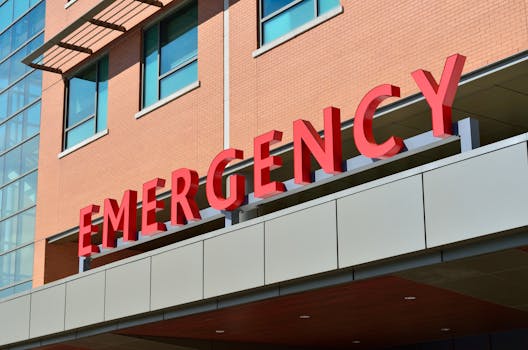 Photo: Pixabay / Pexels
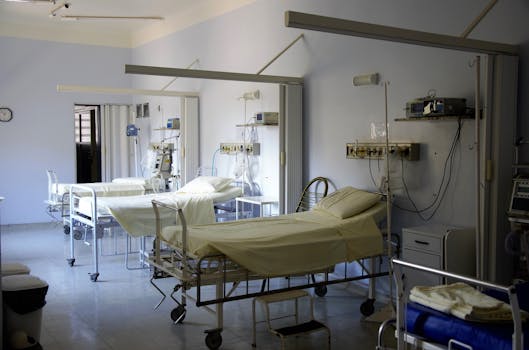 Photo: Pixabay / Pexels
 Photo: Henrikas Mackevicius / Pexels
 Photo: https://kaboompics.com/ / Pexels