Understanding the Cost of Urgent Care Visit Without Insurance
cost of urgent care visit without insurance

Understanding the Cost of Urgent Care Visit Without Insurance

Unlock clear pricing, expert strategies, and peace of mind for your urgent medical needs without insurance.

Get Your Free Guide

Key Takeaways

  • ✓ Average urgent care visit without insurance ranges from $100-$300 for basic conditions.
  • ✓ Complex conditions requiring labs or imaging can push costs to $500 or more.
  • ✓ Many urgent care centers offer self-pay discounts or transparent pricing.
  • ✓ Always ask for an itemized bill and discuss payment options upfront.

How It Works

1
Assess Your Symptoms

Determine if your condition truly requires urgent care or if an ER visit is necessary. Urgent care is for non-life-threatening issues like colds, flu, minor cuts, or sprains.

2
Research Local Centers

Call several urgent care clinics in your area to inquire about their self-pay rates and services. Ask if they have a flat fee for basic visits and what it includes.

3
Discuss Pricing Upfront

Before receiving treatment, confirm the estimated cost for your specific needs. Ask about potential additional fees for tests, procedures, or medications.

4
Review and Pay Your Bill

Carefully review your bill for accuracy and discuss any discrepancies with the billing department. Explore payment plans or discounts if the cost is a burden.

Navigating Urgent Care Without Insurance: What to Expect

A female doctor consulting a patient in a modern medical office setting. Photo: cottonbro studio / Pexels
For millions of Americans, the question of healthcare affordability is a constant concern, especially when facing an unexpected illness or injury. When you don't have health insurance, even a routine visit to the doctor can feel like a financial gamble. This is where urgent care centers often come into play, serving as a crucial bridge between primary care physicians and emergency rooms for non-life-threatening conditions. But what exactly is the cost of urgent care visit without insurance? The answer, unfortunately, isn't always straightforward, varying significantly based on several factors. First and foremost, the type of condition you're seeking treatment for plays a major role. A simple strep throat diagnosis, requiring only a rapid test and a prescription, will naturally cost less than a suspected fracture that necessitates X-rays and immobilization. Basic visits for common ailments like colds, flu, minor infections, or sprains can range anywhere from $100 to $300 on average for uninsured patients. However, if your condition requires additional services such as lab work (blood tests, urinalysis), diagnostic imaging (X-rays, ultrasounds), stitches for a laceration, or intravenous fluids, the cost can quickly escalate to $500, $800, or even over $1,000. Another significant factor is the specific urgent care center you choose. Prices can differ considerably between chains and independent clinics, and even between locations of the same chain, depending on the overhead costs, regional market rates, and their pricing policies for self-pay patients. Some urgent care centers offer transparent, tiered pricing structures, where a basic visit might be a flat fee, and additional services are priced separately. Others might offer a percentage discount for cash payments made at the time of service, recognizing that collecting payment upfront reduces their administrative burden. It's crucial to understand that these clinics are businesses, and while they provide essential medical services, their pricing strategies can vary widely. Understanding your local healthcare landscape can significantly impact your out-of-pocket expenses. Moreover, the geographic location within the US can influence pricing. Urgent care centers in metropolitan areas with higher costs of living and greater demand might charge more than those in rural or less populated regions. State regulations regarding healthcare pricing and transparency can also have an indirect effect. Finally, remember that the cost you're quoted often covers the facility fee and the physician's fee for the visit itself. It typically does not include the cost of prescribed medications, which you would pay for separately at a pharmacy. Always ask for an itemized bill or a detailed estimate to avoid surprises. Being proactive and informed is your best defense against unexpected medical bills when you're paying out-of-pocket.

Breaking Down the Bills: What Contributes to Urgent Care Costs?
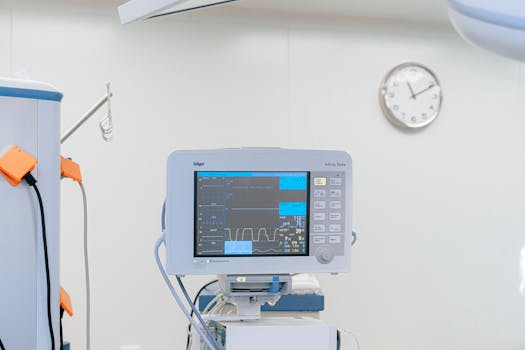
A modern heart rate monitor in a sterile hospital setting, showcasing medical technology. Photo: Anna Shvets / Pexels
When you walk into an urgent care center without insurance, the total bill isn't just a single line item. It's an accumulation of various services and resources utilized during your visit. Understanding these components can help you anticipate expenses and ask informed questions. The primary component is usually the 'visit fee' or 'facility fee,' which covers the physician's time, the use of the clinic's facilities, and basic administrative costs. This is often the foundational charge, and for straightforward issues, it might be the only significant cost. However, most urgent care visits involve more than just a conversation with a doctor. Diagnostic tests are a common addition. For example, if you present with flu-like symptoms, a rapid flu test or a strep test might be administered. These tests have their own associated costs, which can range from $20 to $100 or more per test. Blood work, such as a complete blood count (CBC) or a metabolic panel, is more complex and usually costs more, potentially $50 to $200 depending on the specific tests ordered and the lab's pricing. Urinalysis, another common test for urinary tract infections, also adds to the bill. Imaging services represent another significant cost driver. If you've sprained an ankle or suspect a fracture, an X-ray will likely be necessary. The cost of an X-ray at an urgent care center can vary widely, from $75 to $250 per view, depending on the body part and the clinic's pricing. Ultrasounds, though less common in urgent care than X-rays, are even more expensive, often starting from $200 and going upwards, used for conditions like gallstones or certain abdominal pains. These diagnostic tools are essential for accurate diagnosis but come at a premium. Procedures are another category that can significantly increase the cost of urgent care visit without insurance. If you have a laceration that requires stitches, the procedure itself, plus the materials and follow-up care instructions, will add a substantial amount to your bill. Simple wound care could be $50-$150, while complex laceration repair might be $200-$500 or more. Other procedures like foreign body removal (e.g., splinter), ear wax removal, or nebulizer treatments for asthma attacks also carry their own charges. Administered medications, such as a steroid shot for an allergic reaction or an antibiotic injection, will also be billed separately. It's important to remember that these are just the costs incurred at the urgent care center; any prescribed medications filled at a pharmacy will be an additional out-of-pocket expense. Always ask for a detailed breakdown of services and their associated costs before agreeing to any tests or procedures if you are concerned about the total bill.

Strategies to Reduce the Cost of Urgent Care Visit Without Insurance

A woman reviews receipts and calculates expenses at a desk with a pink calculator. Photo: https://kaboompics.com/ / Pexels
Facing an unexpected medical need without insurance can be daunting, but there are proactive steps you can take to mitigate the financial impact. The key is preparation and communication. One of the most effective strategies is to call ahead. Don't just walk into the first urgent care center you see. Take a few minutes to call several clinics in your vicinity and inquire about their self-pay policies and pricing for your specific symptoms. Ask if they have a flat fee for initial consultations, what that fee includes, and what the typical costs are for common tests or procedures you might need. Some centers are more transparent and offer better discounts for uninsured patients than others. Many urgent care centers offer a 'cash price' or 'self-pay discount' for patients without insurance who pay upfront. This discount can sometimes be significant, as it saves the clinic the administrative hassle and cost of billing an insurance company or pursuing unpaid debts. Always ask if such a discount is available and what percentage it entails. Be prepared to pay on the spot using cash or a credit card to take advantage of these offers. It's also wise to clarify if the quoted price is all-inclusive or if there might be hidden fees for things like supplies or a nurse's time. Another strategy is to avoid unnecessary services. While you should never forgo essential medical care, if you have a clear understanding of your condition, discuss with the provider whether certain tests or procedures are absolutely necessary. For example, if you've had strep throat many times before and recognize the symptoms, you might ask if a rapid strep test is sufficient without a full blood panel, assuming the doctor agrees it's appropriate. Always trust your medical provider's judgment, but don't hesitate to ask questions about the necessity and cost of each step of your treatment plan. Understanding basic medical billing terms can empower you in these conversations. Consider utilizing telemedicine or virtual urgent care services for very minor issues. While not suitable for all conditions, a virtual consultation can often be much cheaper, sometimes as low as $50-$75, and can help determine if an in-person visit is truly required. If you have an existing relationship with a primary care physician, even without insurance, they might offer a lower self-pay rate or be able to prescribe medication without a full urgent care visit if your condition is minor and they are familiar with your history. Finally, always ask for an itemized bill before leaving the clinic. Review it carefully for any errors or charges you don't understand. If the bill is higher than expected, don't be afraid to negotiate with the billing department. Many clinics are willing to work with patients on payment plans or offer further discounts, especially if you communicate your financial constraints upfront.

Alternatives to Urgent Care and Common Mistakes to Avoid

Doctors talking with patients during a medical appointment in a clinic office setting. Photo: Pavel Danilyuk / Pexels
While urgent care centers are a valuable resource, they aren't always the best or most cost-effective option, especially when you're uninsured. Understanding the alternatives and common pitfalls can save you significant money and ensure you get appropriate care. One major mistake is going to the emergency room (ER) for non-emergent conditions. ERs are legally obligated to treat all patients regardless of their ability to pay, but they are designed for life-threatening situations and are significantly more expensive than urgent care. A typical ER visit for a minor issue can easily cost $1,000 to $5,000 without insurance, compared to a few hundred at urgent care. Always differentiate between a true emergency (chest pain, severe bleeding, loss of consciousness) and an urgent but non-life-threatening issue. Another alternative, if you have a regular primary care physician (PCP), is to call their office first. Even if you don't have insurance, your PCP might offer same-day appointments or advice over the phone for existing patients at a lower cost than an urgent care center. They also have your medical history, which can lead to more accurate and efficient care. If you don't have a PCP, consider looking into community health clinics or federally qualified health centers (FQHCs). These clinics often operate on a sliding scale fee system based on your income and can provide comprehensive primary care services at a much lower cost than urgent care or ERs. They are an excellent option for managing chronic conditions and getting preventive care. Common mistakes also include not asking about medication costs. An urgent care visit might diagnose your condition, but the prescribed medication is a separate expense. Always ask the provider if generic alternatives are available and inquire about patient assistance programs or discount cards (like GoodRx) that can significantly reduce prescription costs. Another pitfall is not communicating your financial situation upfront. Don't be shy about telling the reception staff or the provider that you are uninsured and need to be mindful of costs. This allows them to guide you towards the most economical options and potentially avoid unnecessary tests. Finally, neglecting follow-up care is a common and potentially dangerous mistake. If an urgent care provider recommends a follow-up with a specialist or a repeat test, it's crucial to adhere to those recommendations, even without insurance. Seek out resources like FQHCs or patient advocacy groups that can help you find affordable specialist care. Ignoring follow-up can lead to worsening conditions and even more expensive treatments down the line. Being proactive, informed, and strategic about your healthcare choices is paramount when navigating the medical system without insurance.

Comparison

FeatureUrgent Care (Self-Pay)Emergency Room (Self-Pay)Community Health Clinic (Self-Pay)
Typical Cost for Basic Visit$100 - $300$1,000 - $5,000+$0 - $150 (sliding scale)
Best ForNon-life-threatening illnesses/injuriesLife-threatening emergenciesPrimary care, chronic conditions, preventive care
Wait TimesShort to moderatePotentially very long for non-emergenciesAppointment-based, some walk-ins
Diagnostic CapabilitiesLabs, X-rays, basic proceduresFull spectrum (CT, MRI, advanced labs)Basic labs, some imaging via referral
Payment OptionsOften cash discounts, payment plansPayment plans, charity care applicationsSliding scale, income-based fees
Appropriate ConditionsColds, flu, sprains, UTIs, minor cutsChest pain, severe trauma, stroke, difficulty breathingDiabetes management, check-ups, vaccinations

What Readers Say

"I had a nasty sinus infection and no insurance. I called three urgent care centers and found one that offered a flat $150 cash price for the visit and rapid strep test. It was a huge relief to know the cost of urgent care visit without insurance upfront and avoid a massive bill."

Sarah J. · Austin, TX

"Sprained my ankle and thought I'd be looking at thousands. The urgent care explained their self-pay X-ray package and doctor's fee, totaling about $300. They were very transparent about the cost of urgent care visit without insurance, which made a stressful situation much easier."

Mark D. · Phoenix, AZ

"I needed stitches for a deep cut. The urgent care clinic offered a payment plan for the uninsured cost, which was around $450. They saved me an ER bill and provided excellent care, giving me peace of mind about the cost of urgent care visit without insurance."

Jessica L. · Orlando, FL

"My visit for a nasty cough was around $220 without insurance, which was fair for the doctor's time and a flu test. I wish they had mentioned the additional cost of my prescription earlier, but overall, it was a good experience for the cost of urgent care visit without insurance."

David M. · Denver, CO

"I utilized a virtual urgent care for a rash, costing me only $75. They advised me it didn't require an in-person visit, saving me time and significantly reducing my potential cost of urgent care visit without insurance. Highly recommend checking virtual options first for minor issues."

Emily R. · Seattle, WA

Frequently Asked Questions

What is the average cost of urgent care visit without insurance for a basic condition?

For basic conditions like a cold, flu, or minor infection, the average cost of an urgent care visit without insurance typically ranges from $100 to $300. This usually includes the facility fee and physician consultation, but additional tests or procedures will incur extra charges.

Will an urgent care center refuse to treat me if I can't pay upfront?

No, urgent care centers generally do not refuse treatment based on immediate payment, especially if your condition warrants it. However, they will expect payment or a payment arrangement. It's crucial to discuss your financial situation and payment options with them upfront.

How can I find out the exact cost before my urgent care visit?

The best way to find out the cost is to call several urgent care centers in your area before your visit. Explain your symptoms and state that you are uninsured, then ask for their self-pay rates for a basic visit and inquire about potential costs for common tests or procedures you might need.

Is urgent care cheaper than an emergency room if I don't have insurance?

Absolutely. For non-life-threatening conditions, urgent care is significantly cheaper than an emergency room (ER). An ER visit for a minor issue can easily cost thousands of dollars, whereas an urgent care visit for the same condition would likely be in the hundreds.

What if I need an X-ray or lab tests at urgent care without insurance?

If you need an X-ray or lab tests, these will be additional charges on top of the basic visit fee. X-rays can range from $75-$250, and lab tests from $20-$200 or more, depending on the type and clinic. Always ask for an itemized estimate before these services are performed.

Who should consider urgent care without insurance?

Anyone experiencing a non-life-threatening illness or injury who cannot get an immediate appointment with a primary care physician and doesn't have insurance should consider urgent care. This includes conditions like colds, flu, minor cuts, sprains, infections, or allergic reactions.

Are there payment plans available for uninsured urgent care visits?

Many urgent care centers offer payment plans or financial assistance programs for uninsured patients, especially if the bill is substantial. It's always worth asking the billing department about these options if you're unable to pay the full amount upfront.

Will the cost of urgent care visit without insurance increase in the future?

Healthcare costs, including urgent care, have historically trended upwards due to inflation, rising operational expenses, and advancements in medical technology. While specific increases are hard to predict, it's reasonable to expect potential modest increases in the cost of urgent care visits without insurance over time.

Understanding the cost of urgent care visit without insurance is your first step towards making informed healthcare decisions. Don't let fear of cost prevent you from seeking necessary care. Utilize these strategies to find affordable options and ensure your well-being, even without traditional health coverage.

Topics: cost of urgent care visit without insuranceurgent care cash priceuninsured urgent care costaffordable urgent careno insurance medical care
Leo List

IE Escorts NO Escorts US Escorts NZ Escorts AU Escorts
Brampton weed
Adultwork EstrelaBet Vai de Bet R7 Bet Betão Galera Bet Rainbet Bet9ja Shop SportyBet BetKing Sisal Loto Foot Hollywoodbets YesPlay Odibets RushBet Jugabet BetWarrior BetCity MSport betPawa Fortebet