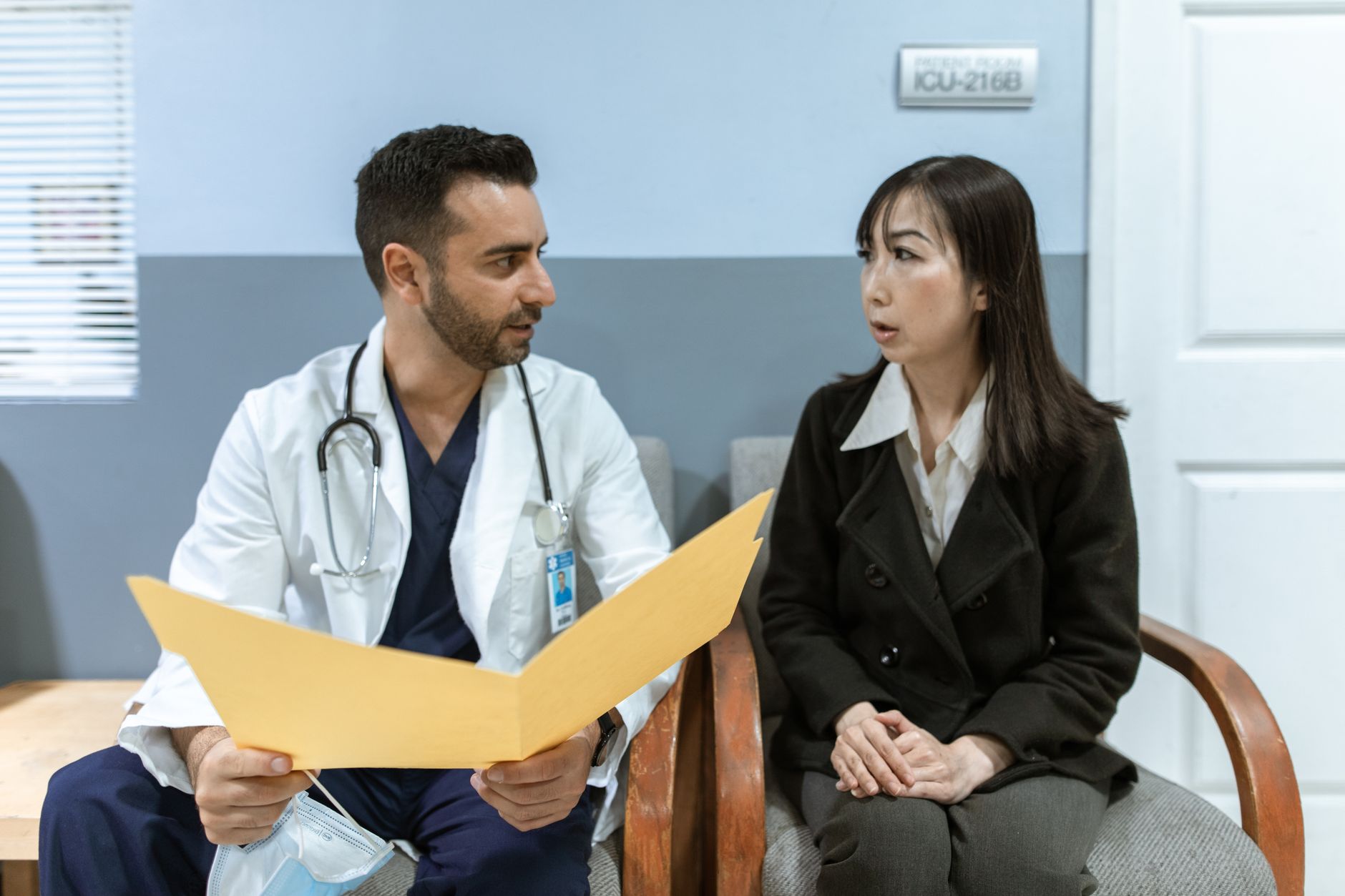
Cost of a Physical Exam Without Insurance: Your Guide
cost of a physical exam without insurance

Cost of a Physical Exam Without Insurance: Your Guide

Navigate the healthcare landscape to find affordable physical exams, even without insurance, and prioritize your well-being.

Find Affordable Care Now

Key Takeaways

  • ✓ Physical exam costs without insurance range from $50 to $300, varying by location and facility.
  • ✓ Community health centers, urgent care clinics, and retail clinics often offer lower prices.
  • ✓ Negotiating prices directly with providers can lead to significant savings.
  • ✓ Preventive care, like physical exams, can save money long-term by catching issues early.

How It Works

1
Assess Your Needs

Determine the type of physical exam you require (e.g., annual wellness, sports, employment). This will influence the complexity and cost of the visit.

2
Research Local Options

Look into community health centers, urgent care, retail clinics, and direct primary care providers in your area. Compare their stated prices for self-pay patients.

3
Contact Providers Directly

Call clinics to inquire about their self-pay rates for a general physical exam. Don't be afraid to ask if they offer discounts or sliding scale fees.

4
Prepare for Your Visit

Gather any relevant medical history or questions you have. Be clear about your self-pay status and confirm the total cost before any services are rendered.

Understanding the True Cost of a Physical Exam Without Insurance

Close-up of a man's face with a dramatic light, surrounded by pills, conveying anxiety. Photo: MART PRODUCTION / Pexels
Navigating the U.S. healthcare system without insurance can feel like an insurmountable challenge, especially when it comes to routine but essential services like a physical exam. Many people mistakenly believe that without coverage, preventive care is simply out of reach. However, this is far from the truth. While the 'sticker price' for a physical exam can vary significantly, understanding the factors that influence these costs and knowing where to look can empower you to find affordable options. The cost of a physical exam without insurance isn't a fixed national rate; it's a dynamic figure influenced by several key variables. Generally, you can expect to pay anywhere from $50 to upwards of $300 for a basic physical. This wide range accounts for differences in geographic location, the type of facility you choose, the specific services included in the 'physical,' and even the provider's individual pricing structure. For instance, a physical exam in a bustling metropolitan area like New York City or Los Angeles is likely to be more expensive than one in a rural town in the Midwest, reflecting the higher operating costs in urban centers. Moreover, the type of facility plays a crucial role. A traditional private doctor's office or a hospital-affiliated clinic might charge more than a community health center, an urgent care facility, or a retail clinic located within a pharmacy. These differences stem from varying overheads, administrative structures, and their primary missions. Community health centers, for example, are often federally funded and designed to provide care to underserved populations, frequently offering services on a sliding scale based on income. It's also important to differentiate between a basic wellness exam and one that includes additional tests or consultations. A standard physical typically involves a review of your medical history, vital signs measurement (blood pressure, heart rate, temperature, respiration), a physical examination (listening to heart and lungs, checking eyes, ears, nose, throat, palpating abdomen), and sometimes basic screenings. However, if the exam uncovers concerns that require further investigation, or if you request additional lab tests (like blood work for cholesterol or glucose, urinalysis, or specific screenings), these will almost certainly incur extra charges. These add-ons are often billed separately and can significantly increase the total bill. Therefore, when inquiring about the cost of a physical exam without insurance, always ask what exactly is included in the quoted price. Be explicit about your needs and express your self-pay status upfront. This transparency can help avoid unexpected charges and allows the provider to offer their most competitive rates or suggest alternative, more affordable pathways to care. Many providers have a specific 'self-pay' rate that is often lower than the rate they bill insurance companies, as it bypasses the administrative complexities of insurance claims. Understanding these nuances is the first step toward making informed decisions about your health and your wallet. For those looking for broader medical support, exploring options like direct primary care models can also be a game-changer for managing healthcare costs without traditional insurance. These models often involve a monthly membership fee that covers unlimited primary care services, including annual physicals, offering a predictable cost structure.

Where to Find Affordable Physical Exams for the Uninsured
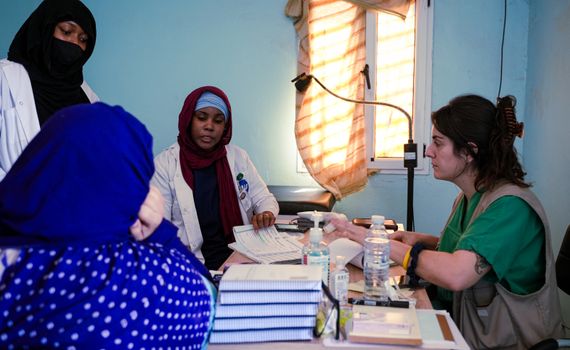
Healthcare professionals in discussion during a consultation session in Tinduf, Algeria. Photo: Mahyub Hamida / Pexels
Finding an affordable physical exam without insurance requires a strategic approach and knowing which types of facilities are typically more budget-friendly. Fortunately, several excellent options exist across the United States, each with its own advantages for self-pay patients. Your best bet for a low-cost physical exam often lies outside of traditional hospital systems or large private practices, which tend to have higher overheads and, consequently, higher prices. One of the most highly recommended avenues is community health centers (also known as federally qualified health centers or FQHCs). These centers are specifically designed to provide comprehensive primary care services to all individuals, regardless of their ability to pay. They often operate on a sliding fee scale, meaning the cost of your physical exam will be adjusted based on your income and family size. This can result in significantly reduced fees, sometimes as low as $20-$50 for a basic physical, or even free services for those with very low incomes. To find an FQHC near you, you can use the Health Resources and Services Administration (HRSA) website's search tool. Another viable option is urgent care centers. While primarily known for treating acute, non-life-threatening conditions, many urgent care clinics also offer basic physical exams, such as sports physicals, school physicals, and general wellness check-ups. Their walk-in model and often streamlined operations can translate to lower costs compared to a traditional doctor's office. Prices for a physical exam at an urgent care center without insurance typically range from $75 to $150. It's always wise to call ahead and confirm their self-pay rate for a physical exam specifically, as some centers might have different pricing for different types of visits. Retail clinics, often located inside pharmacies or large retail stores (e.g., CVS MinuteClinic, Walgreens Healthcare Clinic), are another excellent resource for basic physicals. These clinics are staffed by nurse practitioners or physician assistants and offer a limited scope of services, including certain types of physicals (like school, camp, or employment physicals). Their costs are generally transparent and competitive, often falling in the $50 to $100 range for a standard physical. They are convenient, with extended hours and no appointment necessary, making them a practical choice for many. Direct Primary Care (DPC) practices represent a growing model where patients pay a monthly membership fee directly to their doctor, bypassing insurance altogether. While this requires a recurring payment, the membership often covers all primary care services, including annual physicals, unlimited office visits, and sometimes even discounted lab tests. For individuals who anticipate needing regular primary care beyond just an annual physical, a DPC model can offer significant long-term savings and a more personalized healthcare experience. The monthly fees typically range from $50 to $150, making the annual physical essentially 'free' after the membership is paid. Lastly, some local health departments or non-profit organizations may offer health screening events or clinics at reduced costs or for free. These opportunities are often sporadic but can be a great way to get a basic check-up. Keep an eye on local community calendars or public health announcements. By exploring these diverse options, individuals without insurance can access necessary preventive care without facing exorbitant costs, ensuring their health remains a priority.

Strategies to Lower Your Physical Exam Costs Without Insurance

From above patient with money and pills sitting at table with laptop and notebook while deal purchasing medicine in clinic Photo: www.kaboompics.com / Pexels
Even after identifying potential facilities, there are proactive steps you can take to further reduce the cost of your physical exam when you don't have insurance. Being an informed and assertive patient can make a significant difference in your final bill. The first and arguably most effective strategy is to negotiate. Don't be afraid to ask for a discount. Many healthcare providers, especially private practices and smaller clinics, have a 'self-pay' or 'cash price' that is lower than their standard billed rate to insurance companies. This is because they save on the administrative burden and collection costs associated with processing insurance claims. When you call to schedule your appointment, or even when you arrive at the front desk, politely inquire about their self-pay discount. You might be surprised at the flexibility available. Some clinics offer a flat percentage off for cash payments, while others have a specific, lower rate for uninsured patients. Another powerful negotiation tactic is to offer to pay in full at the time of service. Providers often appreciate immediate payment and may be willing to offer a further discount for this convenience. This eliminates their need to send bills, chase payments, or deal with collections. Always ask, "What is the discounted cash price if I pay today?" Clarifying what's included in your physical exam beforehand is crucial to prevent unexpected charges. A 'basic' physical might not include common lab tests like a complete blood count (CBC), lipid panel (cholesterol), or glucose test. If you need these tests, ask for the self-pay price for each specific test. Sometimes, you can get lab work done at a separate, lower-cost facility or through online services that offer discounted lab panels. Comparing these prices can save you a substantial amount. For example, a full lipid panel might cost $100 at a doctor's office but only $30-$50 at a walk-in lab or ordered online. Consider whether you truly need a comprehensive physical exam or if a more targeted visit will suffice. For instance, if you only need a specific clearance for a job or school, a 'limited' physical might be cheaper than a full annual wellness exam. Be clear with the clinic about the purpose of your visit. If you have any existing medical conditions, bring relevant records with you. This can prevent the doctor from ordering redundant tests or spending extra time on initial diagnostic work, potentially saving you money. Additionally, if you have a primary care provider (PCP) who you have seen previously, even if it was with insurance, they might have a better understanding of your health needs and could offer a more streamlined, and thus cheaper, self-pay visit for a follow-up or routine check. Lastly, be proactive about asking for an itemized bill. This allows you to review all charges and question anything that seems unclear or incorrect. Medical billing errors are not uncommon, and reviewing your bill carefully can sometimes uncover overcharges or services you didn't receive. Don't hesitate to ask for explanations for every line item. For individuals seeking more comprehensive health management, understanding options like health savings accounts or flexible spending accounts, even without traditional insurance, can offer tax advantages for medical expenses, though their utility without a high-deductible health plan is limited for the uninsured.

Avoiding Common Pitfalls and Maximizing Value

An adult man reads a newspaper indoors at a cafe, reflecting thoughtfully. Photo: Andrew Doucette / Pexels
Navigating the healthcare system without insurance requires diligence to avoid common pitfalls that can lead to unexpected costs and ensure you get the best value for your money. Being prepared and asking the right questions are your strongest tools. **Common Pitfalls to Avoid:** * **Assuming a Fixed Price:** Never assume the first price quoted is the only price. As discussed, self-pay rates, prompt payment discounts, and negotiation are often possibilities. Always ask if there's a lower rate for uninsured patients paying cash. * **Ignoring 'Hidden' Costs:** A physical exam might seem cheap, but what about lab tests, vaccinations, or referrals? These are almost always separate charges. Clarify upfront what is and isn't included in the quoted physical exam price. Ask for a comprehensive estimate if additional services are likely. * **Choosing the Wrong Facility:** Going to an emergency room for a routine physical is a costly mistake. ERs are for emergencies, and their pricing reflects that. Even urgent care, while better, might be pricier than a community health center or retail clinic for a simple physical. Match the facility to your actual need. * **Not Researching Providers:** Some providers are simply more expensive than others for the same service. Take the time to call multiple clinics and compare their self-pay rates before making an appointment. * **Delaying Care:** While trying to save money, don't delay essential preventive care. Postponing a physical can allow underlying conditions to worsen, leading to more expensive treatments down the road. An affordable physical now can save you thousands later. **Maximizing Value for Your Physical Exam:** * **Be Prepared:** Write down your medical history, current medications, allergies, and any specific health concerns or questions you have. This makes the appointment more efficient and reduces the need for follow-up visits or additional tests. * **Ask for a 'Good Faith Estimate':** Under the No Surprises Act, uninsured patients have the right to receive a good faith estimate of expected charges for medical services. Request this in writing before your appointment. * **Consider a 'Telehealth' Consultation (if applicable):** For follow-up questions or certain types of reviews, a telehealth visit might be an even more affordable option than an in-person visit. While not suitable for a full physical, it can be useful for discussing lab results or medication refills. * **Leverage Free Resources:** Some public health initiatives or local health fairs offer free basic screenings (like blood pressure checks, glucose screenings). While not a full physical, these can provide valuable insights and might identify issues that warrant a dedicated, paid physical. * **Understand Your Rights:** Familiarize yourself with patient rights, especially regarding billing and surprise medical bills. Knowledge is power when navigating the healthcare system.

Comparison

FeatureCommunity Health CentersUrgent Care ClinicsRetail ClinicsDirect Primary Care
Typical Cost Range (Physical Exam)$0 - $100 (sliding scale)$75 - $150$50 - $100Covered by monthly fee ($50-$150/month)
Appointment Needed?Yes, oftenOften walk-inOften walk-inYes, for initial visit
Scope of ServicesComprehensive primary careAcute non-emergency, some physicalsLimited, basic physicalsComprehensive primary care
Sliding Scale Options
ConvenienceVariesHighVery HighModerate
Relationship with ProviderCan developTransactionalTransactionalStrong, personalized

What Readers Say

"I was so worried about the cost of a physical exam without insurance. I found a community health center that offered a sliding scale. My visit, including some basic blood work, was only $45. I felt so relieved and well cared for."

Maria S. · Phoenix, AZ

"My job required a physical, and I'm currently uninsured. I called a few urgent care clinics and found one that did it for $85. It was quick, efficient, and much more affordable than I expected. Highly recommend calling around."

David L. · Orlando, FL

"After a bit of research, I opted for a retail clinic for my annual check-up. The cost of a physical exam without insurance there was just $79. It saved me a lot of money and the peace of mind knowing I was healthy was invaluable."

Jessica T. · Denver, CO

"I joined a Direct Primary Care practice, and while it's a monthly fee, my physical exam was included. It's great for ongoing care, but if you only need one exam a year, other options might be cheaper if you calculate it out."

Mark P. · Austin, TX

"I needed a sports physical for my daughter, and without insurance, I thought it would be a huge expense. A local urgent care offered it for $60. They were very clear about the cost upfront, which I really appreciated."

Sarah K. · Seattle, WA

Frequently Asked Questions

What is the average cost of a physical exam without insurance in the US?

The average cost of a basic physical exam without insurance in the US typically ranges from $50 to $300. This wide range depends on factors like your geographic location, the type of facility (e.g., community health center, urgent care, retail clinic), and the specific services included in the exam. Always confirm the price directly with the provider.

Are there free physical exam options for uninsured individuals?

While truly 'free' comprehensive physicals are rare outside of specific public health initiatives or limited-time events, community health centers often provide services on a sliding fee scale based on income, which can result in very low or even no cost for eligible individuals. Some local health departments or non-profits also offer free health screenings.

How can I negotiate the cost of a physical exam if I don't have insurance?

Many clinics and providers offer a 'self-pay' or 'cash price' that is lower than their billed rate to insurance companies. Always ask if they have a discount for uninsured patients paying in full at the time of service. Be polite but firm in your inquiry, and don't hesitate to compare prices from different facilities.

Is it worth paying for a physical exam without insurance?

Absolutely. A physical exam is crucial preventive care that can detect potential health issues early, often before they become serious and much more expensive to treat. Investing in an affordable physical now can save you significant medical costs and health complications in the long run, ensuring your continued well-being.

What's the difference in cost for a physical at an urgent care vs. a retail clinic?

Generally, retail clinics (like those in pharmacies) tend to be slightly less expensive for basic physicals, often ranging from $50-$100. Urgent care centers typically charge $75-$150. Urgent care might offer a broader range of immediate services, while retail clinics are highly convenient for specific, routine check-ups like sports or school physicals.

Who should get a physical exam, even without insurance?

Everyone should prioritize regular physical exams, regardless of insurance status. They are essential for maintaining overall health, identifying risk factors for chronic diseases, updating vaccinations, and establishing a baseline for your health. If you have specific health concerns, a physical becomes even more critical.

Will a physical exam without insurance include lab tests?

Typically, a basic physical exam without insurance will not include lab tests in the initial quoted price. Lab work (like blood tests for cholesterol, glucose, or a complete blood count) is usually an additional charge. Always clarify what's included and ask for the self-pay cost of any necessary lab tests separately.

What are future trends for affordable healthcare for the uninsured?

Future trends point towards continued growth in direct primary care models, expanded telehealth services that may reduce overheads, and potentially more robust funding for community health centers. There's also an increasing focus on transparent pricing and 'good faith estimates' to empower uninsured patients in making informed financial decisions about their care.

Don't let the lack of insurance deter you from prioritizing your health. With the right knowledge and resources, finding an affordable physical exam without insurance is entirely possible. Take the proactive step today to research your options, compare costs, and secure the preventive care you deserve. Your health is your most valuable asset.

Topics: cost of a physical exam without insuranceuninsured medical checkup priceaffordable physical examno insurance doctor visit costwellness exam without insurance
Leo List
Brampton weed
Adultwork