✓ The average cost of an MRI without insurance in the US ranges from $1,000 to $5,000, but can vary widely.
✓ Prices for the same MRI can differ by hundreds or thousands of dollars between facilities in the same city.
✓ Cash-pay discounts and payment plans are often available for uninsured patients.
✓ Negotiating directly with imaging centers or seeking assistance programs can significantly reduce out-of-pocket costs.
How It Works
1
Understand Your MRI Needs
Before anything, confirm with your doctor the exact type of MRI needed (e.g., MRI brain, MRI knee with contrast). Knowing this specificity is crucial for accurate price comparisons.
2
Research and Compare Prices
Contact multiple imaging centers, hospitals, and freestanding clinics in your area. Ask for their cash-pay price for the specific MRI you need and inquire about any discounts for uninsured patients.
3
Explore Financial Assistance
Investigate options like payment plans, financial aid programs from hospitals, or medical financing companies. Don't hesitate to negotiate the price directly with the billing department.
4
Prepare for Your Scan
Once you've secured a facility and understand the payment terms, ensure you follow all pre-scan instructions. Arrive prepared, and remember to confirm the final cost before the procedure.
Unraveling the True Cost of an MRI Without Insurance in the US
Photo: sirmudi_photography / Pexels
Navigating the healthcare system in the United States without insurance can feel like traversing a labyrinth, especially when faced with the need for advanced diagnostic imaging like an MRI. The phrase "cost of MRI scan without insurance" instantly conjures images of exorbitant bills and financial stress for many. However, understanding the factors that influence these costs and knowing where to look can empower you to make informed decisions and potentially save thousands of dollars. The reality is that there isn't a single, fixed price for an MRI without insurance; it's a dynamic figure influenced by a multitude of variables.
Firstly, the type of MRI plays a significant role. An MRI of the brain, for instance, might cost differently than an MRI of the knee or spine, especially if contrast dye (gadolinium) is required. Contrast MRIs are generally more expensive due to the cost of the dye itself and the additional medical oversight required for its administration. Secondly, the facility where you get the scan done can dramatically impact the price. Hospitals, particularly large academic medical centers, typically have higher overheads and, consequently, higher prices compared to freestanding outpatient imaging centers. These independent centers often specialize in diagnostics and can offer more competitive cash-pay rates. Location is another critical factor; an MRI in a major metropolitan area like New York City or Los Angeles will likely be more expensive than in a rural community. The regional cost of living, labor, and even demand can all contribute to these geographical disparities.
Furthermore, the equipment itself can affect pricing. Newer, higher-field strength MRI machines (e.g., 3T MRIs) might offer more detailed images but also come with a higher price tag than older, lower-field strength machines (e.g., 1.5T MRIs). While a 3T MRI might be necessary for certain complex conditions, a 1.5T machine might be perfectly adequate for others, making it a potentially cost-effective alternative. Lastly, the physician's interpretation fee is often billed separately or included in the total. This is the cost for the radiologist to review your images and provide a diagnostic report. When inquiring about the total cost of an MRI, always ensure this professional fee is included in the quote or understood as a separate charge. Being meticulous in your inquiry can prevent unwelcome surprises down the line. Understanding these nuances is the first crucial step in demystifying the cost of an MRI scan without insurance and finding an affordable solution that meets your medical needs.
Strategies for Finding Affordable MRI Scans as an Uninsured Patient
Photo: cottonbro studio / Pexels
Facing the need for an MRI without the safety net of insurance can be daunting, but several proactive strategies can help you secure an affordable scan. The key is to be an informed and assertive consumer, leveraging available resources and negotiating power. The first and most impactful strategy is to shop around. Just as you would compare prices for a major purchase, you should do the same for medical procedures. Contact multiple imaging centers in your vicinity: hospitals, dedicated outpatient imaging facilities, and even mobile MRI units if available. Request a 'cash-pay' or 'self-pay' price for the specific MRI your doctor has ordered. Do not assume that the first quote you receive is the best or only option. Prices for the exact same procedure can vary by hundreds, even thousands, of dollars within the same city.
When comparing, be sure to ask if the quoted price is all-inclusive. Does it cover the facility fee, the radiologist's interpretation fee, and any contrast dye if required? A seemingly lower price might hide additional charges that will surface later. Many facilities offer significant discounts for patients paying upfront in cash. These 'cash-pay' discounts can often reduce the price by 30-50% or more compared to what they would bill an insurance company. Don't be afraid to ask for these discounts directly.
Another powerful strategy is negotiation. If you receive a quote that seems too high, politely explain your situation as an uninsured patient and ask if there's any flexibility in the pricing. Many billing departments have some leeway, especially for patients who are prepared to pay in full at the time of service. You might also inquire about payment plans. While not a direct cost reduction, a structured payment plan can make an otherwise unaffordable lump sum more manageable by spreading it out over several months.
Furthermore, consider looking into patient assistance programs. Some hospitals have financial aid programs for low-income or uninsured patients, which can significantly reduce or even cover the cost of medical services. Nonprofit organizations sometimes offer assistance for specific conditions. Online platforms and advocacy groups can also be valuable resources for finding these programs. Utilizing these strategies effectively requires time and persistence, but the potential savings on the cost of an MRI scan without insurance can be substantial and well worth the effort.
Understanding MRI Technology and Why It's Often Expensive
Photo: Anna Shvets / Pexels
Magnetic Resonance Imaging (MRI) is a non-invasive diagnostic tool that provides incredibly detailed images of organs, soft tissues, bone, and virtually all other internal body structures. Unlike X-rays or CT scans, an MRI does not use ionizing radiation, making it a safer option for repeated scans, especially for pregnant women or children. The technology behind an MRI is sophisticated and contributes significantly to its cost. At its core, an MRI machine is a large, powerful magnet. It uses a strong magnetic field and radio waves to create detailed images. The magnetic field temporarily realigns the water molecules in your body. Radio waves are then pulsed through your body, knocking these aligned protons out of alignment. When the radio waves are turned off, the protons relax back into alignment, releasing energy signals that are detected by the MRI scanner. A computer then processes these signals to create cross-sectional images of the body.
The expense associated with MRI technology stems from several factors. Firstly, the equipment itself is incredibly costly. High-field MRI machines can cost millions of dollars to purchase and install. They require specialized rooms with magnetic shielding to prevent interference. Secondly, the maintenance and operational costs are substantial. MRI machines require constant cooling, often using liquid helium, which is an expensive and specialized resource. Regular calibration and servicing by highly trained technicians are also essential to ensure accuracy and safety.
Thirdly, the expertise required to operate and interpret an MRI is highly specialized. MRI technologists undergo extensive training to operate the complex machinery and ensure patient safety and comfort during the scan. Radiologists, who are medical doctors specializing in interpreting medical images, require years of education and fellowship training to accurately diagnose conditions based on MRI scans. Their professional fees reflect this high level of expertise. Fourthly, the research and development that goes into improving MRI technology, making it faster, more accurate, and more comfortable for patients, is an ongoing and expensive endeavor. These advancements eventually factor into the overall cost of the service.
Finally, the regulatory environment and administrative overhead in the US healthcare system also add to the expense. Complying with various health and safety regulations, managing billing, and administrative staff all contribute to the overall operating costs of an imaging facility. When considering the value of an MRI, it's essential to recognize that you're paying for cutting-edge technology, highly skilled professionals, and a diagnostic tool that can be crucial for accurate diagnosis and effective treatment planning.
Tips for Reducing Your Out-of-Pocket MRI Costs
Photo: Tara Winstead / Pexels
When facing the prospect of paying for an MRI without insurance, every dollar counts. Beyond the core strategies of shopping around and negotiating, several additional tips can help you further reduce your out-of-pocket expenses and navigate the process more smoothly.
* **Get a Written Quote:** Always insist on a written quote that details all included services (facility fee, radiologist fee, contrast dye if applicable) and the final cash-pay price. This prevents unexpected charges and provides leverage if billing discrepancies arise.
* **Understand the CPT Code:** Ask your doctor for the specific CPT (Current Procedural Terminology) code for your MRI. This standardized code identifies the exact procedure, allowing you to get precise quotes from different facilities and avoid confusion.
* **Consider a Payment Plan:** If paying a lump sum upfront is not feasible, inquire about interest-free payment plans. Many facilities are willing to work with uninsured patients to set up manageable monthly installments.
* **Explore Medical Financing:** Companies like CareCredit or other medical loan providers offer financing specifically for healthcare expenses. While these involve interest, they can make large medical bills more accessible. Research their terms and conditions carefully.
* **Check for Charity Care:** If you are low-income, inquire about charity care programs, especially at non-profit hospitals. These programs can significantly reduce or even eliminate your medical bills based on financial need.
* **Ask for a Discount for Timely Payment:** Even if you can't pay the full amount upfront, sometimes facilities offer a small discount if you commit to paying within a certain timeframe (e.g., 30-60 days).
* **Avoid Emergency Rooms for Non-Emergencies:** If your MRI is not an emergency, avoid getting it done in an emergency room setting. ERs are significantly more expensive than outpatient facilities for diagnostic imaging.
* **Utilize Online Price Comparison Tools:** Websites and apps are emerging that allow you to compare prices for medical procedures in your area. While these may not always have real-time cash prices, they can provide a good starting point for your research.
By combining these tips with diligent research and assertive communication, you can significantly mitigate the financial burden associated with the cost of an MRI scan without insurance.
Comparison
Feature
Outpatient Imaging Center
Hospital Imaging Dept.
Mobile MRI Unit
Average Cost (uninsured)
$800 - $2,500
$1,500 - $5,000+
$700 - $2,000
Availability of Cash-Pay Discounts
Very Common
Less Common, but possible
Common
Wait Times for Appointments
Often Shorter
Can be Longer
Varies, often good
Access to Advanced Equipment (e.g., 3T)
✓ (many have)
✓ (most have)
✗ (less common)
Emergency Services
✗
✓
✗
Negotiation Potential
High
Medium
High
What Readers Say
★★★★★
"When my doctor ordered an MRI for my knee, I panicked about the cost of an MRI scan without insurance. After calling several places, I found an outpatient center offering a cash price of $950, including the radiologist fee. It was still a lot, but significantly less than the $3000 a hospital quoted me."
Sarah J. · Phoenix, AZ
★★★★★
"I needed a brain MRI, and without insurance, the initial quotes were astronomical. I used an online price comparison tool, then called the top 3 cheapest facilities. One offered a 40% cash discount if I paid upfront, bringing the total down to $1,100 from $1,800. It pays to do your homework!"
David M. · Dallas, TX
★★★★★
"My doctor insisted on an MRI for my back pain. I was so worried about the cost of an MRI scan without insurance. I explained my financial hardship to the billing department at a local imaging center, and they offered me an interest-free payment plan over six months. This made it possible for me to get the diagnosis I needed."
Maria P. · Orlando, FL
★★★★★
"I got an MRI of my shoulder at a freestanding clinic. While it wasn't cheap at $1,200 (cash price), it was far more affordable than the hospital next door which quoted me over $4,000. The process was efficient, and the staff were very helpful in explaining the charges."
Robert L. · Denver, CO
★★★★★
"After a sports injury, I needed an MRI of my ankle. Without insurance, I called every clinic within a 50-mile radius. I ended up driving an hour to a smaller town where an independent clinic offered the scan for $850, including contrast. It was a bit of a drive, but the savings on the cost of an MRI scan without insurance were incredible."
Jessica R. · Atlanta, GA
Frequently Asked Questions
What is the average cost of an MRI scan without insurance in the US?
The average cost of an MRI without insurance in the US typically ranges from $1,000 to $5,000, but this can vary significantly based on the body part being scanned, whether contrast dye is used, the type of facility (hospital vs. outpatient center), and geographic location. It's crucial to get specific quotes.
Can I negotiate the price of an MRI if I don't have insurance?
Yes, absolutely! Many imaging centers and hospitals are willing to negotiate cash-pay prices for uninsured patients. Always ask for a discount, explain your financial situation, and inquire about payment plans or upfront payment incentives. Persistence can lead to significant savings.
How can I find the cheapest MRI scan without insurance near me?
To find the cheapest MRI, start by getting the specific CPT code from your doctor. Then, call multiple outpatient imaging centers, independent clinics, and even smaller hospitals in your area. Ask for their 'cash-pay' or 'self-pay' price, ensuring the quote is all-inclusive (facility fee, radiologist fee, contrast if needed). Online price comparison tools can also be a starting point.
Is an MRI without insurance worth the cost?
The value of an MRI without insurance is determined by its necessity for an accurate diagnosis and effective treatment plan. While expensive, an MRI provides detailed images that can be crucial for identifying serious conditions, guiding surgery, or avoiding unnecessary procedures. Always discuss the necessity with your doctor.
What are the alternatives to a full-price MRI if I'm uninsured?
Alternatives include seeking cash-pay discounts, negotiating with billing departments, exploring interest-free payment plans, applying for financial aid or charity care programs from hospitals, or using medical financing companies. Sometimes, your doctor might suggest an alternative diagnostic test if appropriate, but MRI is often irreplaceable for certain conditions.
Who should consider paying for an MRI without insurance?
Individuals who are uninsured and have a legitimate medical need for an MRI, as prescribed by their doctor, should consider paying for it. It's essential for those who need a definitive diagnosis to guide treatment, especially when other less expensive diagnostic methods have been inconclusive or are not suitable for their condition.
Are there risks associated with getting a 'cheap' MRI scan?
Generally, no. A 'cheap' MRI refers to a lower-cost option, often found at an outpatient imaging center compared to a hospital. As long as the facility is accredited, uses modern equipment, and employs board-certified radiologists, the quality and safety of the scan should be comparable. Always verify the credentials of the facility and interpreting radiologist.
Will the cost of MRI scans without insurance decrease in the future?
The trend in healthcare often points to increasing costs, but there's a growing push for price transparency and competition, which could lead to some stabilization or even reductions in cash-pay prices in certain markets. New legislation and consumer advocacy may also play a role in making medical imaging more affordable for the uninsured.
Don't let the cost of an MRI scan without insurance deter you from getting the essential diagnostic care you need. By being proactive, informed, and persistent, you can navigate the system, find affordable options, and secure the best possible outcome for your health. Take the first step today to understand your options and advocate for your well-being.
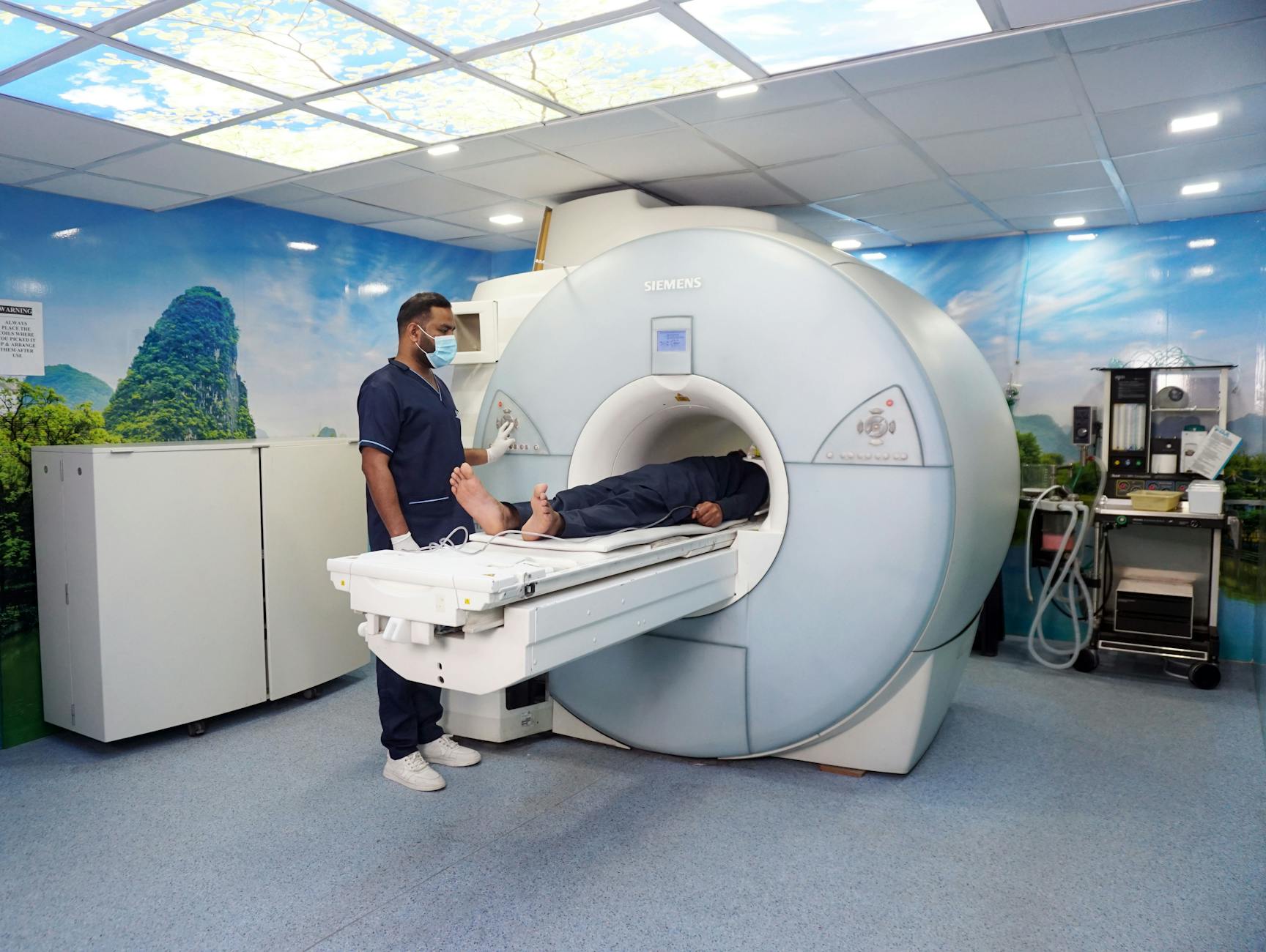
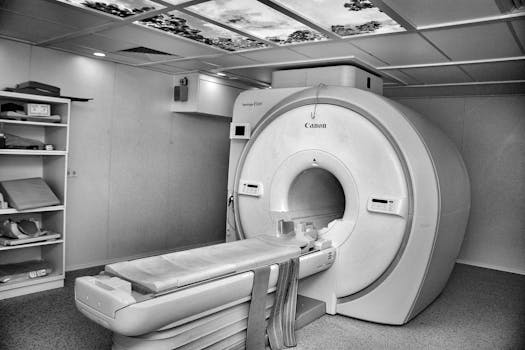 Photo: sirmudi_photography / Pexels
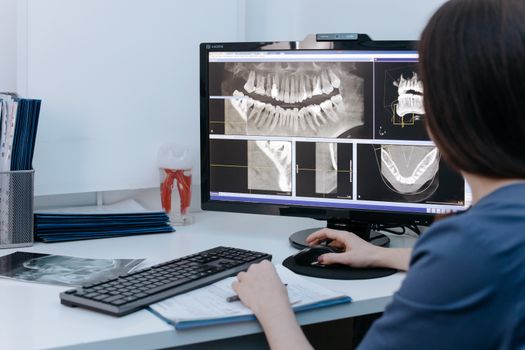 Photo: cottonbro studio / Pexels
 Photo: Anna Shvets / Pexels
 Photo: Tara Winstead / Pexels