
Unmasking the Common Symptoms of Seasonal Allergies
Identify the tell-tale signs of seasonal allergies and discover effective strategies to alleviate your discomfort.
Find Your Relief NowKey Takeaways
- ✓ Seasonal allergies, also known as hay fever or allergic rhinitis, affect millions of Americans annually.
- ✓ Symptoms often mimic a common cold but persist for weeks or months, coinciding with pollen seasons.
- ✓ The most common triggers are pollen from trees, grasses, and weeds.
- ✓ Early identification and management of symptoms can significantly improve quality of life.
How It Works
Tiny pollen grains from plants enter your body through breathing or contact with eyes and skin. For allergic individuals, these harmless particles are mistakenly identified as threats.
Your immune system overreacts, producing antibodies called Immunoglobulin E (IgE). These antibodies attach to mast cells, which are abundant in the nose, eyes, and lungs.
Upon subsequent exposure to pollen, the IgE-primed mast cells release chemicals like histamine. Histamine is responsible for the classic allergy symptoms you experience.
The released histamine causes inflammation and irritation in various parts of the body. This leads to the characteristic symptoms such as sneezing, itching, and congestion.
Understanding Allergic Rhinitis: The Core of Seasonal Discomfort
 Photo: Christina & Peter / Pexels
The Classic Trio: Sneezing, Runny Nose, and Nasal Congestion
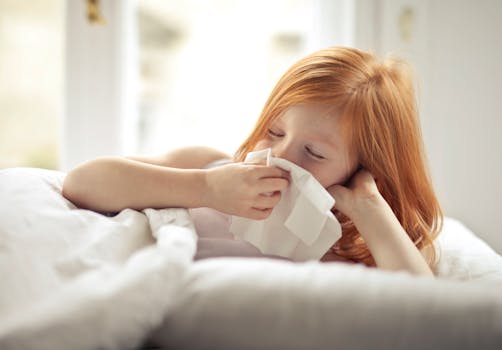 Photo: Andrea Piacquadio / Pexels
Beyond the Nose: Eye, Throat, and Skin Manifestations
 Photo: Tima Miroshnichenko / Pexels
Less Obvious Signs: Fatigue, Headaches, and Altered Senses
Comparison
| Symptom | Seasonal Allergies | Common Cold | Flu |
|---|---|---|---|
| Onset | Sudden, seasonal | Gradual | Sudden |
| Duration | Weeks/months (as long as allergen present) | 3-10 days | 1-2 weeks |
| Fever | ✗ | Rare/low-grade | ✓ (high, common) |
| Body Aches | ✗ | Mild | ✓ (severe) |
| Sneezing | ✓ (frequent) | ✓ (intermittent) | ✗ (rare) |
| Itchy Eyes/Nose/Throat | ✓ | ✗ | ✗ |
| Runny Nose | ✓ (clear, watery) | ✓ (clear, then thick) | ✗ (sometimes) |
| Fatigue | ✓ (common) | Mild | ✓ (severe) |
What Readers Say
"This article really helped me understand why I feel so drained during spring. I always thought my fatigue was just stress, but realizing it's a common symptom of seasonal allergies makes so much sense now. The tips on managing it are invaluable!"
Sarah J. · Austin, TX"I used to confuse my allergy symptoms with a never-ending cold. This guide clearly laid out the common symptoms of seasonal allergies and helped me differentiate. Now I know when to reach for allergy meds instead of cold remedies."
Mark D. · Chicago, IL"After reading this, I started tracking my symptoms and realized my persistent headaches were indeed allergy-related. With the suggested nasal rinses and antihistamines, my headaches have significantly reduced, and I can finally focus at work."
Emily R. · Denver, CO"The information on eye and throat irritation was spot on. I've been struggling with itchy eyes for weeks. While the article is comprehensive, I wish there was a bit more detail on specific medication options, but it's a great starting point."
David L. · Miami, FL"As someone who travels for work, understanding the seasonal triggers in different regions is crucial. This article provided a fantastic overview of common symptoms of seasonal allergies and how they manifest, helping me prepare for my trips."
Jessica M. · Seattle, WAFrequently Asked Questions
What are the most common symptoms of seasonal allergies?
The most common symptoms include frequent sneezing, a runny or stuffy nose, itchy and watery eyes, and an itchy throat. Less obvious symptoms can involve fatigue, headaches, and a reduced sense of smell or taste, all stemming from the body's overreaction to airborne allergens like pollen.
How can I tell if my symptoms are allergies or a cold?
Allergy symptoms usually appear suddenly and persist for weeks or months, often coinciding with specific pollen seasons, and typically include itching (eyes, nose, throat). Colds tend to develop gradually, last for a shorter duration (3-10 days), and often involve body aches and a fever, which are rare with allergies.
What's the best way to relieve itchy eyes from seasonal allergies?
Over-the-counter antihistamine eye drops are highly effective for relieving itchy, watery eyes. Cool compresses can also provide soothing relief. It's important to avoid rubbing your eyes, as this can worsen irritation and inflammation. Consult a doctor if symptoms are severe or persistent.
Are allergy medications expensive, and are they worth the cost?
Many effective allergy medications, including antihistamines and nasal sprays, are available over-the-counter and are relatively affordable. While some prescription options can be pricier, the relief they offer from debilitating symptoms like fatigue and congestion can significantly improve quality of life and productivity, making them a worthwhile investment for many sufferers.
How do seasonal allergies compare to perennial allergies?
Seasonal allergies (allergic rhinitis) are triggered by outdoor allergens like pollen and occur during specific seasons. Perennial allergies, on the other hand, are caused by indoor allergens such as dust mites, pet dander, or mold, and can cause symptoms year-round, regardless of the season. Both involve similar symptoms but differ in their triggers and timing.
Who is most susceptible to common symptoms of seasonal allergies?
Anyone can develop seasonal allergies, but they are particularly common in individuals with a family history of allergies or asthma. People living in areas with high pollen counts or prolonged allergy seasons are also more susceptible. Children and young adults often develop symptoms, though they can emerge at any age.
Are there any risks associated with untreated seasonal allergies?
Untreated seasonal allergies can lead to chronic conditions like sinusitis, ear infections, and worsening asthma. The constant inflammation can also cause sleep disturbances, fatigue, and impaired concentration, negatively impacting daily life, work, and school performance. Prolonged symptoms can also affect mood and overall well-being.
What future trends are expected in seasonal allergy management?
Future trends in seasonal allergy management include more personalized treatment approaches based on genetic profiles, advanced immunotherapy techniques like sublingual tablets, and smart home technology to monitor and filter indoor allergens. Climate change is also expected to prolong and intensify pollen seasons, necessitating more robust and adaptive management strategies.
Understanding the common symptoms of seasonal allergies is the first step towards finding relief and reclaiming your comfort. Don't let pollen dictate your life; explore treatment options and lifestyle adjustments to minimize your discomfort and enjoy every season to the fullest. Take action today for a clearer, more comfortable tomorrow.