How to Easily Book Virtual Therapy Session US
book virtual therapy session US

How to Easily Book Virtual Therapy Session US

Access professional mental health support from the comfort and privacy of your home, nationwide.

Find Your Therapist

Key Takeaways

  • ✓ Virtual therapy is accessible across all 50 US states, though licensing varies by state.
  • ✓ Many insurance plans now cover virtual therapy, often at the same rate as in-person sessions.
  • ✓ You can choose from a wide range of specialties and therapists, increasing your chances of a good match.
  • ✓ Privacy and security are paramount in virtual therapy platforms, utilizing HIPAA-compliant technology.

How It Works

1
Identify Your Needs & Preferences

Before you book virtual therapy session US, consider what you're seeking help for and what kind of therapist you'd prefer. This includes specialties, gender, and therapeutic approaches.

2
Research Platforms & Providers

Explore reputable online therapy platforms and individual practitioners that serve your state. Look for reviews, credentials, and their areas of expertise to narrow down your options.

3
Check Insurance & Costs

Verify your insurance coverage for virtual mental health services or understand the self-pay rates. Many platforms offer transparent pricing and financial aid options.

4
Schedule & Connect

Once you've chosen a therapist, use the platform's scheduling tools to book your initial consultation or first session. Prepare for your first meeting by finding a quiet, private space.

The Rise of Online Mental Health Support in the US

A doctor appears on a laptop screen during an online medical consultation at home. Photo: cottonbro studio / Pexels
The landscape of mental health care in the United States has undergone a transformative shift, largely propelled by technological advancements and changing societal needs. The ability to book virtual therapy session US has moved from a niche offering to a mainstream and often preferred method of receiving psychological support. This evolution is particularly significant in a country as geographically diverse and populous as the US, where access to specialized care can be a major barrier for many. Virtual therapy, also known as teletherapy or online counseling, leverages secure video conferencing, phone calls, and even text-based communication to connect clients with licensed mental health professionals. This modality breaks down traditional geographical constraints, allowing individuals in rural areas or those with mobility challenges to access a broader pool of therapists. Furthermore, the anonymity and convenience offered by virtual sessions can reduce the stigma often associated with seeking mental health treatment, encouraging more people to take the crucial first step towards well-being. The COVID-19 pandemic accelerated this trend exponentially, forcing both providers and clients to embrace digital solutions. What began as a necessity quickly proved its efficacy and benefits, leading to a permanent integration of virtual care into the healthcare system. Regulatory bodies and insurance providers have adapted, recognizing the legitimacy and importance of telehealth. As a result, finding and engaging with a therapist from the comfort of one's home has become not just possible, but often simpler and more efficient than traditional in-person appointments. This section will delve into the factors contributing to this rise, exploring the benefits for both clients and therapists, and outlining the regulatory framework that supports its operation. Understanding this foundational shift is crucial for anyone looking to navigate the modern mental health landscape and successfully book virtual therapy session US. We will also touch upon the various types of virtual therapy available, from individual counseling to couples therapy and even group sessions, demonstrating the breadth of services now accessible through digital platforms. The convenience of scheduling, the elimination of commute times, and the ability to choose a therapist based on specialization rather than proximity are just a few of the compelling reasons why virtual therapy has cemented its place as a vital component of contemporary mental health care.

Navigating Platforms and Providers to Book Virtual Therapy Session US

A doctor appears on a laptop screen during an online medical consultation at home. Photo: cottonbro studio / Pexels
When you decide to book virtual therapy session US, one of the first and most critical steps is to understand the diverse ecosystem of platforms and individual providers available. The market is robust, offering a wide array of options, each with its unique approach, pricing structure, and therapist network. Major online therapy platforms act as comprehensive marketplaces, connecting clients with a vast pool of licensed therapists. These platforms often streamline the matching process, offering questionnaires that help identify a suitable therapist based on your specific needs, preferences, and even personality traits. Examples include BetterHelp, Talkspace, Amwell, and Teladoc, among others. Each platform has its own strengths; some excel in providing a wide range of specialties, others focus on specific modalities like CBT or DBT, and some prioritize affordability or seamless insurance integration. Beyond these large platforms, many independent therapists and private practices also offer virtual sessions directly. This option can provide a more personalized experience, often allowing for a deeper relationship with the therapist from the outset, as you're engaging directly rather than through an intermediary platform. However, finding these individual practitioners might require more direct research, often involving professional directories like Psychology Today or Zocdoc, or referrals from primary care physicians. When evaluating platforms or individual providers, several factors should guide your decision. Licensing is paramount; ensure the therapist is licensed to practice in your specific US state. Credentials, such as Ph.D., Psy.D., LCSW, LMFT, or LPC, indicate their level of education and training. Specialization is another key consideration; if you're dealing with anxiety, depression, trauma, relationship issues, or specific phobias, look for therapists who have extensive experience and training in those areas. Reading reviews and testimonials, if available, can offer insights into other clients' experiences. Furthermore, consider the technical aspects: what video conferencing software do they use? Is it secure and HIPAA-compliant? What are their cancellation policies? Taking the time to research and compare these options will empower you to make an informed decision and find the best fit for your mental health journey. Don't hesitate to utilize initial consultations, many of which are free or low-cost, to gauge a therapist's approach and personality before committing to regular sessions. This careful approach will greatly enhance your experience when you book virtual therapy session US.

Understanding Insurance, Costs, and Accessibility for Virtual Therapy

From above crop anonymous medical worker in rubber disposable gloves holding in hands chocolate coins Photo: https://kaboompics.com/ / Pexels
The financial aspect of mental health care is often a significant concern for individuals considering therapy, and virtual therapy is no exception. However, the good news is that the accessibility and affordability of virtual therapy have dramatically improved over the past few years, making it a viable option for a broader segment of the US population. When you plan to book virtual therapy session US, it's crucial to first understand how insurance coverage works. Historically, insurance coverage for telehealth was inconsistent, but the pandemic led to widespread changes, with most major insurance providers now covering virtual mental health services. Many plans treat virtual sessions the same as in-person visits, meaning your co-pay or deductible will be similar. It's always best to contact your insurance provider directly before starting therapy to confirm your specific benefits, including the percentage covered, any co-pays, and whether there are limitations on the number of sessions or specific platforms/providers. Ask about your mental health benefits for 'telehealth' or 'telemedicine' and specifically for 'outpatient mental health services.' For those without insurance or whose plans don't offer adequate coverage, self-pay options are available, and the costs can vary widely. Virtual therapy sessions can range from $50 to $250 per session, depending on the therapist's credentials, location (even virtually, some therapists adjust rates based on their state's cost of living), and the platform used. Some platforms offer subscription models, where you pay a flat monthly fee for a certain number of sessions or unlimited messaging, which can sometimes be more cost-effective. Additionally, many therapists and platforms offer sliding scale fees, which adjust the cost based on a client's income and financial situation. Don't hesitate to inquire about these options; transparency in pricing is a sign of a client-centered practice. Accessibility goes beyond just cost; it also encompasses the ability to fit therapy into a busy schedule and the removal of geographical barriers. Virtual therapy eliminates commute times, making it easier for working professionals, parents, or individuals in remote areas to attend sessions. It also expands the pool of available therapists, allowing you to find a specialist for your unique needs, even if such a professional isn't available in your immediate vicinity. Furthermore, the comfort of your own home can make the therapeutic process feel less intimidating for some, fostering a more open and productive environment. This comprehensive approach to understanding insurance, costs, and the broad accessibility factors ensures that when you book virtual therapy session US, you do so with a clear picture of the financial and logistical landscape, empowering you to make the best decision for your mental well-being.

Tips for a Successful Virtual Therapy Experience & Common Mistakes to Avoid
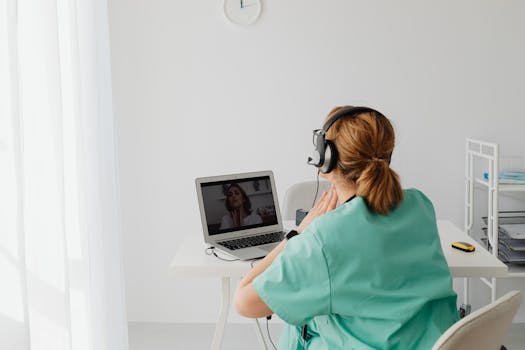
A nurse in a teal uniform conducts a video call consultation from a modern clinic. Photo: https://kaboompics.com/ / Pexels
Embarking on virtual therapy can be incredibly beneficial, but a successful experience often hinges on preparation and understanding. Here are some key tips and common mistakes to avoid when you book virtual therapy session US. **Tips for Success:** * **Ensure Privacy and Quiet:** Find a private, distraction-free space where you won't be interrupted. This is crucial for open communication and feeling comfortable sharing personal information. Use headphones if possible to enhance privacy and sound quality. * **Test Your Technology:** Before each session, ensure your internet connection is stable, your device is charged, and your microphone and camera are working. Technical glitches can disrupt the flow of therapy. * **Communicate Openly:** Be honest and open with your therapist about your feelings, concerns, and progress. Also, don't hesitate to communicate if you're having technical issues or if the virtual format isn't feeling right for you. * **Set Realistic Expectations:** Therapy is a process, not a quick fix. Progress takes time, effort, and commitment. Understand that virtual therapy is as effective as in-person therapy but requires the same dedication. * **Prepare Mentally:** Take a few moments before your session to clear your mind and focus on what you want to discuss. Afterward, allow yourself some time to process what was discussed. **Common Mistakes to Avoid:** * **Multitasking During Sessions:** Avoid checking emails, browsing social media, or doing other tasks during your therapy session. This diminishes the effectiveness of the session and can be disrespectful to your therapist. * **Ignoring Technical Issues:** Don't suffer in silence with poor audio or video. Speak up immediately so your therapist can help troubleshoot or adjust. * **Not Verifying Credentials and Licensing:** Always ensure your therapist is licensed to practice in your specific state and possesses the relevant credentials for your needs. This protects you and ensures quality care. * **Choosing a Therapist Solely on Price:** While cost is a factor, prioritizing the cheapest option over a good therapeutic match can be counterproductive. A good fit, even if slightly more expensive, will yield better results. * **Skipping Initial Consultations:** Many therapists offer a free brief consultation. Skipping this opportunity to gauge rapport and ask questions is a missed chance to ensure a good fit before committing. * **Not Establishing Boundaries:** Just because therapy is virtual doesn't mean boundaries aren't important. Ensure you understand communication protocols outside of sessions and respect your therapist's availability. By following these guidelines, you can maximize the benefits of your virtual therapy experience and ensure a productive and healing journey.

Comparison

FeatureLarge Online PlatformsIndependent Virtual PracticesHybrid Models (Local + Virtual)
Therapist SelectionVery broad, diverse specialtiesMore curated, specific nichesLocal focus, some virtual reach
Cost & InsuranceVariable, often subscription, good insurance integrationVariable, often self-pay or direct insurance billingSimilar to in-person, good insurance integration
ConvenienceHigh, 24/7 scheduling, broad availabilityHigh, flexible schedulingModerate, depends on local availability
Matching ProcessAlgorithmic or questionnaire-basedManual search, personal outreachReferrals, local directories
Continuity of CareCan switch therapists easily if neededStronger long-term relationship focusBlends in-person with virtual flexibility
AnonymityHigher, less personal interactionLower, direct client-therapist bondLower, established local presence

What Readers Say

"I was hesitant to book virtual therapy session US, but it's been a game-changer. My therapist is amazing, and I love not having to drive across town for appointments. It fits perfectly into my busy schedule."

Sarah J. · Austin, TX

"Finding a therapist in NYC can be tough and expensive. Virtual therapy allowed me to connect with someone who truly understands my needs, and the platform made it so easy to book virtual therapy session US."

Michael D. · New York, NY

"After just three months of virtual sessions, I've seen a significant reduction in my anxiety. The convenience of being able to book virtual therapy session US from my living room has been instrumental in my consistent progress."

Emily R. · Denver, CO

"The platform was a bit overwhelming at first with so many choices, but once I found my therapist, it's been great. The video quality is usually excellent, though I occasionally have minor internet issues on my end."

David L. · Miami, FL

"As a single mom, carving out time for myself is hard. Being able to book virtual therapy session US during my kids' nap time has made mental health care accessible and sustainable for me. Highly recommend!"

Jessica M. · Seattle, WA

Frequently Asked Questions

Is virtual therapy as effective as in-person therapy?

Numerous studies, including those published by the American Psychological Association, suggest that virtual therapy can be just as effective as traditional in-person therapy for a wide range of mental health conditions. The key factors for success, such as therapist-client rapport and consistent engagement, remain the same regardless of the modality.

How do I ensure my privacy and confidentiality during a virtual session?

Reputable virtual therapy platforms and individual therapists use HIPAA-compliant, encrypted video conferencing tools to protect your privacy. Always ensure you are in a private space where you won't be overheard or interrupted, and use a secure internet connection (avoid public Wi-Fi) to further safeguard your confidentiality.

What technology do I need to book virtual therapy session US?

To book virtual therapy session US, you'll generally need a reliable internet connection, a computer, tablet, or smartphone with a working camera and microphone, and a quiet, private space. Most platforms are accessible via web browsers or dedicated apps, making the setup relatively straightforward for most users.

Will my insurance cover virtual therapy sessions?

Most major insurance providers in the US now cover virtual therapy, often treating it the same as in-person sessions. However, coverage can vary greatly depending on your specific plan, state regulations, and the therapist's network. It's crucial to contact your insurance company directly to verify your benefits before starting therapy.

How does virtual therapy compare to in-person therapy for severe conditions?

While virtual therapy is highly effective for many conditions like anxiety, depression, and stress, for severe mental health conditions, such as severe psychosis or acute crises, a combination of virtual and in-person care, or even inpatient treatment, might be recommended. Always consult with a mental health professional to determine the most appropriate level of care for your specific situation.

Who should consider virtual therapy in the US?

Virtual therapy is an excellent option for individuals seeking convenient, accessible, and flexible mental health support. It's particularly beneficial for those with busy schedules, limited mobility, living in rural areas, or anyone who prefers the comfort and privacy of their own home for therapy sessions. It also expands the choice of therapists, allowing for a better match.

What if I experience a crisis during a virtual therapy session?

Therapists providing virtual care have protocols in place for emergencies. This typically involves having your emergency contact information and local crisis resources readily available. In an immediate life-threatening crisis, you should always call 911 or your local emergency services. Your therapist will discuss these safety plans with you during your initial sessions.

What are the future trends for virtual therapy in the US?

The future of virtual therapy in the US looks promising, with trends pointing towards increased integration with primary care, advanced AI-driven matching systems, and a broader range of specialized virtual services. Expect continued regulatory support, enhanced technological features for engagement, and a growing acceptance as a standard form of mental healthcare delivery.

Ready to take the next step towards better mental well-being? Don't let distance or scheduling challenges hold you back. Explore your options and book virtual therapy session US today to connect with a licensed professional who can support you on your journey.

Topics: book virtual therapy session USonline mental health UStelehealth therapy Americavirtual counseling United Statesfind online therapist US
Leo List

IE Escorts NO Escorts US Escorts NZ Escorts AU Escorts
Brampton weed
Adultwork EstrelaBet Vai de Bet R7 Bet Betão Galera Bet Rainbet Bet9ja Shop SportyBet BetKing Sisal Loto Foot Hollywoodbets YesPlay Odibets RushBet Jugabet BetWarrior BetCity MSport betPawa Fortebet