✓ Falls are a leading cause of injury and death among older adults.
✓ Fall detection systems automatically alert emergency contacts or monitoring centers.
✓ Modern systems offer GPS tracking for safety outside the home.
✓ Battery life, range, and monitoring center quality are crucial considerations.
How It Works
1
Wear the Device
The individual wears a lightweight, water-resistant pendant or wristband equipped with fall detection sensors. This device continuously monitors for sudden changes in position and impact.
2
Automatic Fall Detection
If a fall is detected, the device automatically initiates an alert. Advanced algorithms differentiate between actual falls and everyday movements, minimizing false alarms.
3
Connect to Monitoring Center
The alert is sent to a 24/7 professional monitoring center via a base unit or cellular connection. Trained operators receive the signal and immediately attempt to communicate with the user.
4
Emergency Response Dispatched
If contact cannot be made or assistance is requested, the operator dispatches emergency services (paramedics, police) and notifies pre-selected family members or caregivers. Help is on the way swiftly.
Understanding the Critical Need for Fall Detection Technology
Photo: Gustavo Fring / Pexels
For millions of older adults and individuals with certain health conditions, the fear of falling is a constant, debilitating concern. Falls are not just a common occurrence; they are a significant public health problem, particularly in the United States. According to the CDC, over 36 million falls are reported among older adults each year, resulting in more than 32,000 deaths. Beyond the statistics, a fall can lead to severe injuries such as hip fractures, head trauma, and debilitating pain, often requiring extensive recovery and sometimes leading to a loss of independence. The psychological impact is equally profound; many who fall develop a fear of falling again, which can restrict their activities, leading to social isolation and a decline in overall quality of life. This is where the best medical alert systems with fall detection become not just a convenience, but a vital lifeline. These sophisticated devices are engineered to automatically detect a fall and summon help, even if the user is unconscious or unable to press a button. This capability dramatically reduces the 'long lie' time – the period an individual spends on the floor after a fall – which is directly correlated with increased morbidity and mortality. A timely response can mean the difference between a quick recovery and a prolonged hospital stay, or worse. The technology typically involves accelerometers and gyroscopes embedded in a wearable device, which continuously monitor movement and orientation. When a sudden, sharp change in position followed by immobility is detected, the system interprets this as a fall and initiates an alert. This proactive approach to safety offers unparalleled peace of mind, not only for the wearer but also for their family and caregivers. It empowers individuals to maintain their independence longer, knowing that a safety net is always in place. As we delve deeper into the specifics of these systems, it becomes clear that selecting the right one is a critical decision that can profoundly impact the safety and well-being of a loved one. Understanding the nuances of fall detection, monitoring services, and device features is paramount to making an informed choice. Explore senior safety solutions to learn more about comprehensive care.
Key Features to Look for in Advanced Medical Alert Systems
Photo: Tima Miroshnichenko / Pexels
When evaluating the best medical alert systems with fall detection, several key features stand out as non-negotiable for optimal safety and usability. First and foremost is the accuracy of the fall detection technology itself. While no system is 100% foolproof, the most advanced devices utilize sophisticated algorithms to minimize false alarms while ensuring real falls are detected reliably. Look for systems that boast high sensitivity and specificity in their fall detection capabilities. Next, consider the type of monitoring available. A 24/7 professional monitoring center is crucial. These centers are staffed by trained operators who can quickly assess the situation, communicate with the user if possible, and dispatch appropriate emergency services. The quality of the monitoring center, including its certifications (e.g., UL Listed, TMA Five Diamond Certified), response times, and multilingual support, should be a significant factor in your decision. Another critical feature is GPS tracking, especially for individuals who are active outside the home or prone to wandering. Mobile medical alert systems with integrated GPS allow monitoring centers to pinpoint the user's location during an emergency, regardless of where they are. This is invaluable for those who enjoy outdoor activities or simply want to feel secure while running errands. Two-way communication directly through the wearable device is also highly beneficial. This feature allows the user to speak directly to the monitoring center operator, even if they are not near the base unit. It eliminates the need to shout or search for a phone, providing immediate reassurance and allowing for clear communication during a stressful event. Battery life is another practical consideration. Mobile devices need to hold a charge for an extended period, ideally several days, and have clear indicators for low battery. In-home systems typically have backup batteries in case of power outages. Lastly, evaluate water resistance. Since many falls occur in bathrooms or during activities involving water, a device that can be worn in the shower or bath is essential. Look for IP ratings that confirm adequate water protection. Understanding these features will empower you to choose a system that truly meets the needs of the individual, ensuring they receive timely help in any emergency scenario. The integration of these features creates a robust safety net, enhancing independence and providing peace of mind for everyone involved.
Top Contenders: A Deep Dive into Leading Medical Alert Systems
Photo: Tima Miroshnichenko / Pexels
Navigating the market for the best medical alert systems with fall detection can be overwhelming, given the array of options available. To simplify your search, let's explore some of the top contenders known for their reliability, advanced features, and exceptional service. One prominent provider often cited for its comprehensive offerings is Medical Guardian. They offer a range of devices, including both in-home and mobile systems, with highly rated fall detection. Their Mobile 2.0 device, for instance, combines GPS tracking, two-way talk, and automatic fall detection in a sleek, water-resistant pendant, making it ideal for active seniors. Medical Guardian's monitoring centers are UL-certified, ensuring high standards of service. Another strong competitor is Bay Alarm Medical. Known for their transparent pricing and flexible plans, Bay Alarm Medical provides robust fall detection across their product line, including their SOS Mobile and in-home systems. Their customer service frequently receives high praise, and their devices are designed for ease of use. They also offer additional features like caregiver tracking apps, which can be invaluable for family members. Life Alert, while a household name, tends to focus on a more traditional, in-home system. While their fall detection is available, their pricing structure and contract terms can be less flexible than newer entrants. However, their established reputation and dedicated monitoring centers are a draw for many. For those seeking affordability without compromising on essential features, MobileHelp is often a strong candidate. They offer various packages, including mobile systems with fall detection and GPS, all supported by a 24/7 monitoring service. Their devices are generally user-friendly, and they often have competitive introductory offers. Lastly, consider Lively (formerly GreatCall), which integrates medical alert features into a smartphone-like device, the Lively Mobile Plus. This device offers urgent response, fall detection, and access to nurses and doctors through their Lively Health & Care team. It's an excellent option for tech-savvy seniors who want more than just an emergency button. When comparing these systems, pay close attention to the monthly monitoring fees, activation fees, equipment costs, contract lengths, and cancellation policies. Some providers offer discounts for annual payments or AARP members. Always read reviews and perhaps even trial a system if possible, to ensure it meets the specific needs and comfort level of the user. Understanding the nuances between these top providers will help you make an informed decision and invest in a system that truly offers peace of mind and reliable protection. Don't forget to review essential medical devices for comprehensive care planning.
Choosing the Right System: Tips and Common Mistakes to Avoid
Photo: Kampus Production / Pexels
Selecting the best medical alert systems with fall detection requires careful consideration to ensure it perfectly matches the user's lifestyle and needs. Here are essential tips and common mistakes to avoid:
**Tips for Choosing:**
* **Assess the User's Activity Level:** For individuals who are mostly at home, an in-home system with a wide range might suffice. For active seniors who frequently leave the house, a mobile system with GPS and cellular connectivity is indispensable.
* **Evaluate the Living Environment:** Consider the size of the home, multi-story layouts, and potential signal interference. Ensure the base unit (if applicable) can cover all areas, including the yard or garage.
* **Prioritize Comfort and Wearability:** The device must be comfortable enough to wear consistently. A lightweight, discreet, and water-resistant pendant or wristband is more likely to be worn at all times, which is crucial for fall detection.
* **Understand Monitoring Center Protocols:** Ask about average response times, whether operators can access medical history (with permission), and who they contact first (emergency services or family).
* **Read the Fine Print:** Scrutinize contracts for hidden fees, activation costs, cancellation policies, and equipment warranties. Look for transparent pricing and no long-term contracts if flexibility is desired.
* **Test the System Regularly:** Once installed, perform regular test calls (as instructed by the provider) to ensure the system is functioning correctly and the user understands how to operate it.
**Common Mistakes to Avoid:**
* **Choosing Based Solely on Price:** While budget is a factor, prioritizing the cheapest option often means sacrificing crucial features, reliability, or quality of service. A cheap system that fails when needed is worthless.
* **Ignoring User Preference:** If the user dislikes the look or feel of the device, they are less likely to wear it. Involve them in the selection process to increase compliance.
* **Not Testing Fall Detection:** While testing actual falls isn't practical, inquire about the system's sensitivity and how it differentiates between a fall and other movements. Some systems allow for 'test falls' with specific instructions.
* **Overlooking Battery Life and Charging:** For mobile devices, a short battery life or complicated charging process can lead to the device being uncharged during an emergency. Ensure it fits easily into the user's daily routine.
* **Assuming All Fall Detection is Equal:** The accuracy and sophistication of fall detection algorithms vary significantly between providers. Research reviews and ask direct questions about false alarm rates and detection reliability.
* **Neglecting Water Resistance:** Many falls happen in bathrooms. A device that isn't water-resistant won't be worn in the shower or bath, leaving the user vulnerable in a high-risk area.
By following these tips and avoiding common pitfalls, you can confidently select a medical alert system with fall detection that provides genuine safety, independence, and peace of mind for your loved one.
Comparison
Feature
Medical Guardian
Bay Alarm Medical
MobileHelp
Fall Detection Accuracy
Excellent
Very Good
Good
GPS Tracking
Available on Mobile 2.0
Available on SOS Mobile
Available on Mobile Systems
24/7 Monitoring Center
UL Certified
TMA 5-Diamond Certified
UL Certified
Water Resistance
✓
✓
✓
Battery Life (Mobile)
Up to 5 days
Up to 5 days
Up to 24 hours
Caregiver App
Optional
✓
Optional
Pricing Transparency
Good
Excellent
Good
What Readers Say
★★★★★
"My mother fell in the kitchen and the Medical Guardian system detected it immediately. The operator called me within minutes, and help was on the way before I even knew she had fallen. It truly saved her from lying there for hours."
Eleanor V. · Phoenix, AZ
★★★★★
"Bay Alarm Medical's fall detection has given my wife and me immense peace of mind. She's had a few close calls, and knowing the system is always there, even when I'm out, is priceless. It's easy to use and discreet."
Robert S. · Orlando, FL
★★★★★
"After my father's hip fracture, we got him a MobileHelp system with fall detection. He had another fall recently, and the alert went through instantly. Paramedics were dispatched quickly, preventing further complications. Highly recommend!"
Patricia L. · Denver, CO
★★★★★
"The Lively Mobile Plus with fall detection has been a good fit for my independent grandmother. She loves the simplicity, and the fact that it doubles as a phone is a bonus. We've had one false alarm, but overall, it works reliably."
Michael T. · Seattle, WA
★★★★★
"As a caregiver, having a reliable medical alert system with fall detection for my client is essential. The Medical Guardian Mobile 2.0 gives me GPS tracking and automatic alerts, allowing her more freedom while ensuring her safety. It's a game-changer."
Susan P. · Boston, MA
Frequently Asked Questions
How accurate is fall detection technology in medical alert systems?
While no system is 100% accurate, modern fall detection technology uses advanced sensors (accelerometers and gyroscopes) and sophisticated algorithms to distinguish between actual falls and normal movements. Reputable systems aim for high accuracy to minimize false alarms while reliably detecting real falls. Factors like the user's gait and the nature of the fall can influence detection.
Will a medical alert system with fall detection work if I'm outside my home?
Yes, many of the best medical alert systems with fall detection offer mobile options that work both inside and outside the home. These 'mobile' or 'on-the-go' systems typically use cellular networks and often include GPS tracking to pinpoint your location, ensuring help can be dispatched wherever you are, as long as there is cellular service.
How do I test my medical alert system's fall detection feature?
Most providers recommend regular test calls to their monitoring center to ensure the system is working. However, intentionally testing fall detection by simulating a fall is generally not advised, as it could damage the device or cause injury. Instead, ask your provider for specific instructions on how to verify the fall detection functionality or if they have a 'test mode' for this feature. They can often confirm its operational status remotely.
What is the typical cost of a medical alert system with fall detection?
The cost varies significantly. You might pay a monthly monitoring fee ranging from $30 to $60. Some companies require equipment purchase (ranging from $0 to $200+), while others include it in the monthly fee. Look out for activation fees, shipping costs, and potential discounts for annual payments. Always get a clear breakdown of all potential costs before committing.
Is a medical alert system with fall detection better than just having a cell phone?
Yes, for several reasons. A medical alert system with fall detection automatically calls for help even if you're unconscious or unable to reach your phone. It connects directly to a 24/7 monitoring center trained in emergency response, and many are water-resistant, allowing use in high-risk areas like showers. A cell phone requires manual dialing and may not be accessible after a fall.
Who should consider using a medical alert system with fall detection?
Anyone at an increased risk of falling can benefit. This includes older adults, individuals with balance issues, chronic health conditions (like Parkinson's, diabetes, heart disease), those recovering from surgery, or anyone living alone who wants an added layer of safety and independence. It's particularly vital for those who spend time unsupervised.
What happens if there's a power outage with an in-home medical alert system?
Reputable in-home medical alert systems are equipped with backup batteries. These batteries typically provide power for 24 to 72 hours, ensuring the system remains operational even if your home loses electricity. The base unit will usually alert you when it switches to battery power and when power is restored, maintaining continuous protection.
Are there any future trends in medical alert systems with fall detection to look out for?
Yes, the technology is constantly evolving. Future trends include even more sophisticated AI-driven algorithms for enhanced fall detection accuracy, integration with smart home devices for environmental monitoring, proactive health monitoring features (like heart rate or activity tracking), and smaller, more discreet wearable designs that blend seamlessly into daily life, resembling regular jewelry or smartwatches.
Investing in the best medical alert systems with fall detection is an investment in safety, independence, and ultimate peace of mind. Don't wait for an emergency to realize its value. Explore the options discussed and secure a reliable safety net for yourself or your loved ones today.
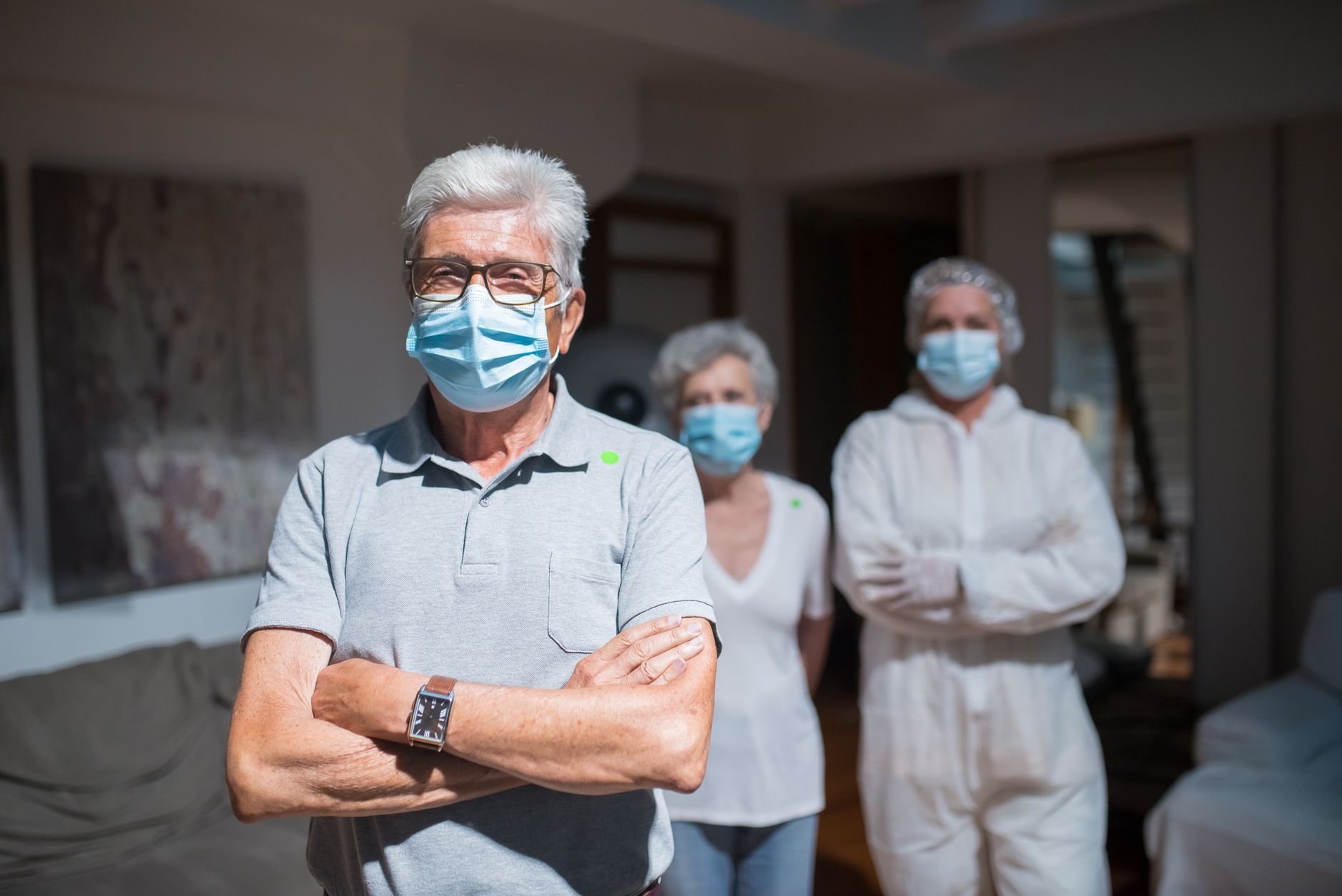
 Photo: Gustavo Fring / Pexels
 Photo: Tima Miroshnichenko / Pexels
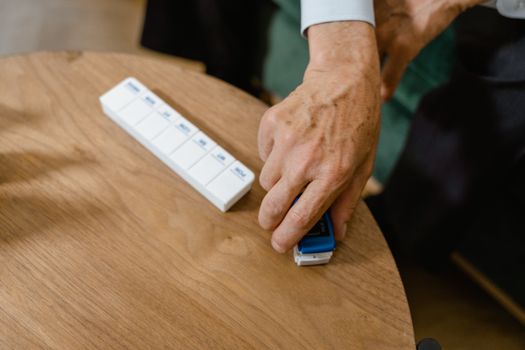 Photo: Tima Miroshnichenko / Pexels
 Photo: Kampus Production / Pexels