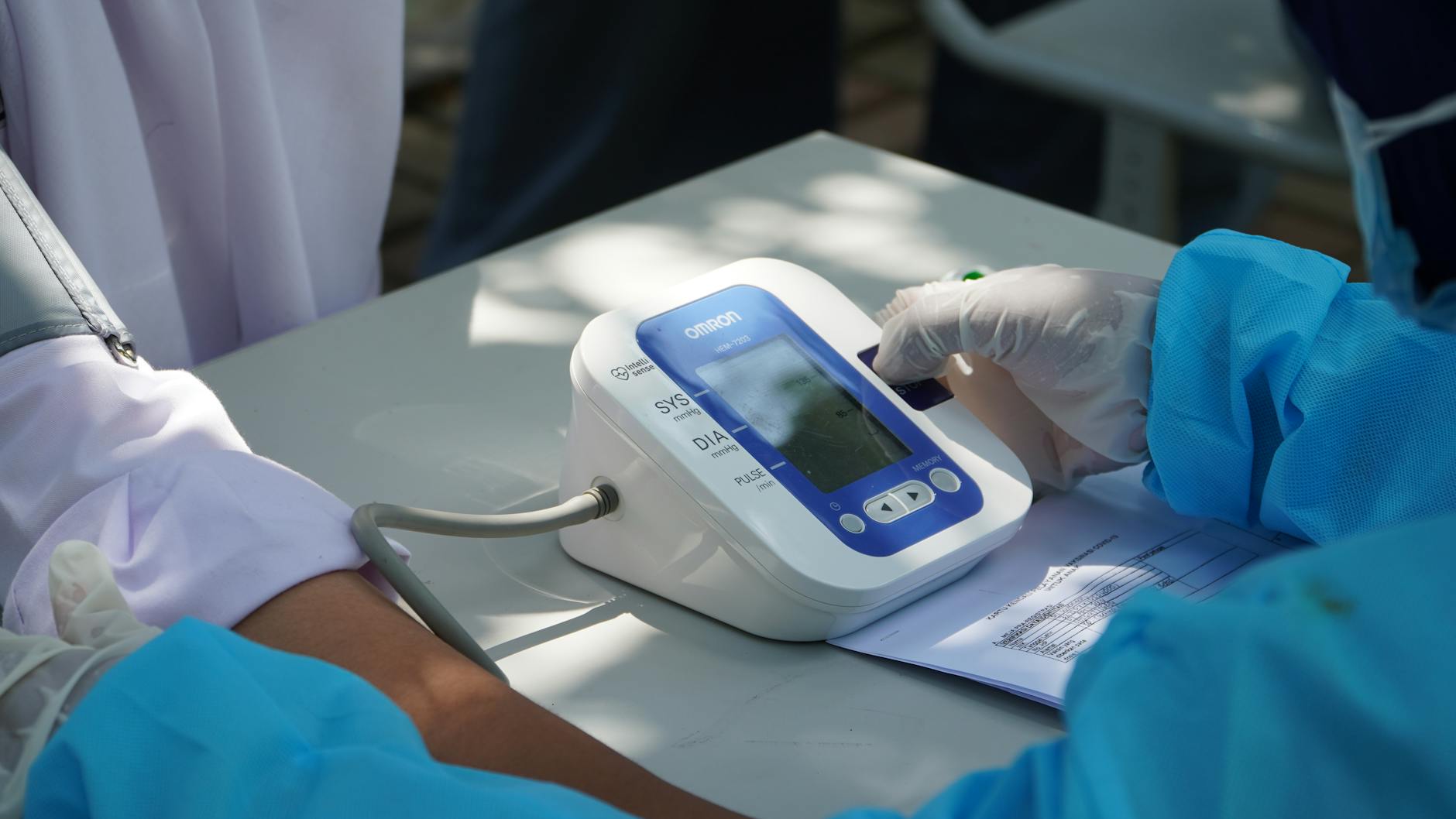
Best Home Blood Pressure Monitor Reviews: Your Guide
best home blood pressure monitor reviews

Best Home Blood Pressure Monitor Reviews: Your Guide

Empower yourself with accurate blood pressure readings from the comfort of your home. Find your perfect monitor today.

Find Your Monitor

Key Takeaways

  • ✓ Regular home monitoring can significantly improve blood pressure management.
  • ✓ Accuracy is paramount; look for clinically validated devices.
  • ✓ Cuff size is critical for precise readings.
  • ✓ Smart features like data logging and app integration enhance usability.

How It Works

1
Choose the Right Device

Select a monitor that fits your needs, considering cuff type, features, and budget. Our reviews will guide your decision-making process.

2
Prepare for Measurement

Sit quietly for 5 minutes, ensuring your arm is supported and the cuff is at heart level. Avoid caffeine, exercise, or smoking 30 minutes prior.

3
Take Your Reading

Follow the device's instructions for proper cuff placement and inflation. Take at least two readings, spaced a minute apart, for accuracy.

4
Record and Track

Log your readings, either manually or using smart features, to identify trends and share with your healthcare provider. This data is invaluable for management.

Understanding the Importance of Accurate Blood Pressure Monitoring at Home
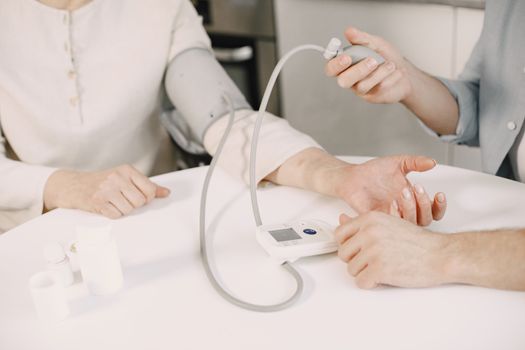
Close-up of blood pressure measurement at home highlighting healthcare equipment. Photo: Gustavo Fring / Pexels
In an era where personal health management is increasingly emphasized, understanding and proactively managing your blood pressure has become a cornerstone of preventative care. High blood pressure, or hypertension, often called the 'silent killer,' typically presents without symptoms, making regular monitoring absolutely vital. While periodic check-ups at your doctor's office are essential, they only provide a snapshot of your blood pressure at a single point in time. Home blood pressure monitoring, however, offers a more comprehensive and accurate picture of your cardiovascular health over days, weeks, and months. This continuous data stream is invaluable for both you and your healthcare provider, helping to diagnose hypertension earlier, assess the effectiveness of treatment plans, and even identify 'white coat hypertension' (elevated readings at the doctor's office due to anxiety) or 'masked hypertension' (normal readings at the doctor's but high at home). The convenience of home monitoring also empowers individuals to take a more active role in their health, fostering a greater understanding of how lifestyle choices, stress, and medication impact their readings. It encourages adherence to treatment and promotes a proactive approach to maintaining optimal heart health. Choosing the right blood pressure monitor is the first critical step in this journey, as an inaccurate device can lead to misdiagnosis or ineffective management. Our expert reviews delve deep into the features, accuracy, and user-friendliness of leading models, ensuring you make an informed decision. We evaluate devices based on clinical validation, ease of use, cuff comfort, and advanced functionalities like irregular heartbeat detection and data synchronization. The goal is to equip you with a reliable tool that provides consistent, trustworthy readings, ultimately contributing to better health outcomes and peace of mind. Without accurate data, effective management is virtually impossible, highlighting why the investment in a quality home blood pressure monitor is a non-negotiable aspect of modern health maintenance. It's not just about getting a number; it's about gaining insights that can literally save lives.

Key Features to Look for in the Best Home Blood Pressure Monitor Reviews
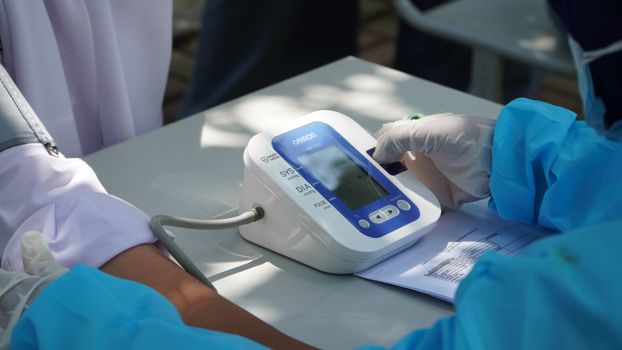
Healthcare worker checking patient's blood pressure with a digital device outdoors. Photo: Ahmad Taufik / Pexels
When navigating the vast market of home blood pressure monitors, certain features stand out as non-negotiables for accuracy, convenience, and overall user experience. Our comprehensive best home blood pressure monitor reviews prioritize these aspects to guide your selection. First and foremost is clinical validation. This signifies that the device has undergone rigorous testing by independent organizations and meets international standards for accuracy. Without clinical validation, readings from a monitor cannot be fully trusted, potentially leading to incorrect health decisions. Look for certifications from organizations like the American Medical Association (AMA) or the British and Irish Hypertension Society (BIHS). Secondly, cuff size and type are paramount. An ill-fitting cuff is the leading cause of inaccurate readings. Most monitors come with a standard adult cuff, but individuals with larger or smaller arms will need a specific size. Ensure the cuff is comfortable, easy to apply, and ideally, a universal size that fits a range of arm circumferences. Some advanced models offer pre-formed cuffs for easier application. Thirdly, ease of use is crucial, especially for regular monitoring. This includes clear, large displays, intuitive button layouts, and straightforward operating instructions. For older adults or those with visual impairments, a backlit display and spoken readings can be significant advantages. Data storage and connectivity are increasingly important features. Many modern monitors can store multiple readings, often for two users, allowing for tracking over time. Smart monitors take this a step further, syncing data via Bluetooth to smartphone apps. These apps often provide trend analysis, allow for easy sharing of data with healthcare providers, and offer reminders for taking readings. Irregular heartbeat detection is another valuable feature, as it can alert users to potential arrhythmias that may require medical attention. While not a diagnostic tool, it serves as an important flag. Other beneficial features include an average reading function, which calculates the average of several readings to provide a more stable and representative blood pressure value, and a low battery indicator, ensuring your device is always ready when you need it. Lastly, consider the power source – some run on batteries, while others offer AC adapters, providing flexibility. By carefully evaluating these features, you can select a home blood pressure monitor that not only provides accurate readings but also seamlessly integrates into your daily health routine, making consistent monitoring a simple and effective practice.

Top Contenders: A Deep Dive into the Best Home Blood Pressure Monitor Reviews
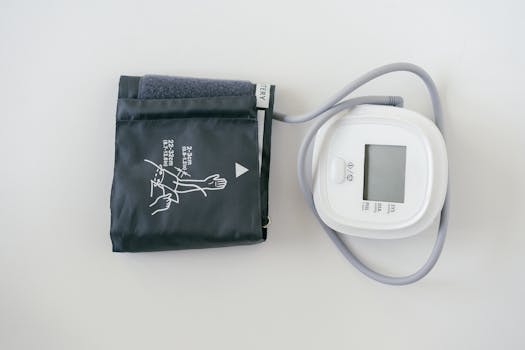
A digital sphygmomanometer on a white background, used for measuring blood pressure. Photo: Mikhail Nilov / Pexels
Our in-depth analysis for the best home blood pressure monitor reviews focuses on models that consistently deliver on accuracy, user experience, and value. Among the leading brands, Omron and Withings frequently emerge as top contenders, each with distinct strengths catering to different user needs. Omron, a long-standing leader in medical devices, offers a range of monitors known for their clinical accuracy and reliability. Models like the Omron Platinum or Gold series often feature advanced algorithms, including their patented IntelliSense technology, which ensures the cuff inflates to the ideal level for each user, preventing discomfort from over-inflation and ensuring precise readings. Many Omron devices also boast dual-user memory, irregular heartbeat detection, and Bluetooth connectivity to their Connect app, making data tracking and sharing effortless. Their cuffs are generally lauded for comfort and ease of application, a critical factor for consistent home use. Accuracy in medical devices is paramount, and Omron's commitment to clinical validation is a key reason for their widespread recommendation by healthcare professionals. On the other hand, Withings, known for its sleek, smart health devices, offers monitors like the Withings BPM Connect, which seamlessly integrates into a broader health ecosystem. This monitor is praised for its compact, all-in-one design, making it highly portable. It connects effortlessly to the Withings Health Mate app, providing comprehensive data visualization, personalized insights, and easy sharing options. While perhaps slightly less feature-rich in terms of advanced algorithms compared to some Omron models, its elegant design, rechargeable battery, and robust app integration appeal strongly to tech-savvy users looking for a holistic health management solution. Other notable brands include A&D Medical, known for their professional-grade accuracy and durability, and Panasonic, which offers reliable and user-friendly options. When evaluating these top contenders, consider your specific priorities: are you looking for the absolute highest degree of clinical validation and advanced comfort features, or do you prioritize seamless smart integration and portability? Our reviews weigh these aspects, providing detailed comparisons of cuff types, display clarity, battery life, and the nuances of their respective companion apps. We also examine customer feedback regarding real-world performance, common issues, and the responsiveness of customer support, ensuring that our recommendations are well-rounded and practical. Ultimately, the 'best' monitor is subjective and depends on individual preferences and medical needs, but these brands consistently set the benchmark for excellence in home blood pressure monitoring.

Common Mistakes and Expert Tips for Accurate Home Blood Pressure Monitoring

Senior couple at home measuring blood pressure, promoting health monitoring. Photo: Vlada Karpovich / Pexels
Achieving accurate blood pressure readings at home isn't just about having a good monitor; it also involves proper technique and consistency. Avoiding common pitfalls is crucial for reliable data. Here are some key mistakes to steer clear of and expert tips to ensure accuracy: **Common Mistakes to Avoid:** * **Incorrect Cuff Size:** Using a cuff that's too small or too large is the most frequent cause of inaccurate readings. Always measure your arm circumference and match it to the monitor's recommended cuff size range. * **Improper Body Position:** Slouching, crossing your legs, or having your arm unsupported below heart level can significantly alter readings. Your back should be supported, feet flat on the floor, and arm resting on a table so the cuff is at heart level. * **Talking or Moving During Measurement:** Any physical activity or conversation during a reading can elevate your blood pressure temporarily, leading to falsely high results. Remain still and silent. * **Taking Readings Too Soon After Activities:** Eating, exercising, smoking, or consuming caffeine within 30 minutes before a reading can temporarily increase blood pressure. Allow sufficient time for your body to return to a resting state. * **One-Time Readings:** A single reading is rarely representative. Blood pressure fluctuates throughout the day. Relying on only one measurement can be misleading. **Expert Tips for Accuracy:** * **Consistency is Key:** Take readings at the same time each day, ideally in the morning before medication and in the evening. This helps track trends more effectively. * **Take Multiple Readings:** Always take at least two readings, spaced 1-2 minutes apart, and average them. If the first two are very different, take a third. * **Use the Same Arm:** Stick to the same arm for all your measurements, as readings can vary slightly between arms. If there's a significant difference, consult your doctor. * **Relax Beforehand:** Sit quietly for 5 minutes before taking your blood pressure. Take a few deep breaths to help calm your nervous system. * **Empty Your Bladder:** A full bladder can also slightly elevate blood pressure. Emptying it beforehand contributes to more accurate readings. * **Record Your Readings Diligently:** Whether manually or via an app, consistent record-keeping helps you and your doctor identify patterns and make informed decisions about your treatment plan. By following these guidelines, you can maximize the accuracy of your home blood pressure monitoring, turning raw data into actionable insights for better health management.

Comparison

FeatureOmron Platinum (BP5450)Withings BPM ConnectA&D Medical UA-651BLE
Clinical Validation✓ (AMA, BIHS)✓ (FDA, ESH)✓ (BHS, AAMI)
Cuff TypeWide-range D-ringIntegrated (all-in-one)Standard D-ring
Memory (Users x Readings)2 users x 200 readings8 users (unlimited in app)1 user x 30 readings
ConnectivityBluetoothBluetooth/Wi-FiBluetooth
Irregular Heartbeat Detection
DisplayBacklit LCDLEDLCD
Power Source4 AA BatteriesRechargeable Battery4 AA Batteries

What Readers Say

"After reading multiple best home blood pressure monitor reviews, I settled on the Omron Platinum. It's incredibly easy to use, and I feel confident in its accuracy. The app integration is a huge bonus for tracking."

Sarah J. · Austin, TX

"The Withings BPM Connect was a game-changer for me. Its sleek design and seamless connection to my health app make daily monitoring effortless and enjoyable. Highly recommend for anyone wanting smart features."

Michael D. · Miami, FL

"My doctor recommended I get a home monitor, and after researching the best home blood pressure monitor reviews, I chose an A&D Medical unit. My readings are consistent, and it's given me a much clearer picture of my blood pressure trends, leading to better medication adjustments."

Emily R. · Denver, CO

"The Omron Gold has been reliable, though the cuff can be a bit tricky to position perfectly sometimes. Once it's on right, the readings are spot-on and it's built very sturdily."

David L. · Seattle, WA

"As a nurse, I'm particular about accuracy. The clinically validated monitors highlighted in these best home blood pressure monitor reviews are truly the way to go. My chosen monitor gives me professional-grade results at home."

Jessica M. · Chicago, IL

Frequently Asked Questions

What is the most accurate type of home blood pressure monitor?

Upper arm monitors are generally considered the most accurate type for home use. Wrist and finger monitors can be less reliable due to their proximity to smaller arteries and susceptibility to positioning errors. Always choose a monitor that has been clinically validated by independent organizations.

How often should I check my blood pressure at home?

For most people with hypertension, doctors recommend checking blood pressure twice daily (morning and evening) for 7 days before an appointment or as advised. If you're newly diagnosed or adjusting medication, your doctor might recommend more frequent checks. Consistency is more important than frequency.

How do I ensure my blood pressure monitor cuff fits correctly?

Measure the circumference of your upper arm halfway between your shoulder and elbow. Compare this measurement to the cuff's size range, usually printed on the cuff itself or in the manual. The cuff should cover about 80% of your upper arm and fit snugly but not too tightly.

Are expensive blood pressure monitors necessarily better?

Not always. While higher-priced models often come with more advanced features like Bluetooth connectivity, larger memory, or specialized cuffs, accuracy is the primary factor. Many mid-range, clinically validated monitors offer excellent accuracy and essential features without the premium price tag. Focus on validation over price alone.

Can a home blood pressure monitor detect an irregular heartbeat?

Many home blood pressure monitors include an irregular heartbeat detector, which displays a symbol if it senses an irregular pulse during measurement. This feature is not a diagnostic tool but serves as an alert to discuss with your doctor, who can then perform further tests if needed.

Who should use best home blood pressure monitor reviews?

Anyone looking to purchase a new or upgrade an existing home blood pressure monitor should consult best home blood pressure monitor reviews. This includes individuals diagnosed with hypertension, those at risk of developing it, pregnant women, and anyone simply wishing to proactively monitor their cardiovascular health from the comfort of their home.

Are there any risks associated with home blood pressure monitoring?

There are virtually no risks associated with home blood pressure monitoring itself, as it is a non-invasive procedure. The main 'risk' comes from misinterpreting the readings or making self-diagnoses and treatment changes without consulting a healthcare professional. Always share your readings with your doctor.

What future trends are expected in home blood pressure monitoring?

Future trends include even more seamless integration with telehealth platforms, AI-driven insights for personalized health coaching, and potentially non-cuff continuous monitoring technologies. Increased accuracy in wearable devices and improved user interfaces for data interpretation are also anticipated developments.

Armed with insights from the best home blood pressure monitor reviews, you're ready to make an informed decision. Take control of your heart health today by selecting a reliable, accurate device that fits your lifestyle. Your journey to better health starts with consistent, precise monitoring.

Topics: best home blood pressure monitor reviewsaccurate blood pressure monitorat-home BP deviceblood pressure cuff reviewsdigital blood pressure monitor
Leo List
Brampton weed
Adultwork