Best Home Blood Pressure Monitor Reviews: Your Health Guide
best home blood pressure monitor reviews

Best Home Blood Pressure Monitor Reviews: Your Health Guide

Empower yourself with precise blood pressure tracking from home, making informed decisions about your cardiovascular health.

Find Your Monitor Now

Key Takeaways

  • ✓ Home monitoring can significantly improve blood pressure management.
  • ✓ Accuracy is paramount; look for clinically validated devices.
  • ✓ Cuff size and fit are critical for reliable readings.
  • ✓ Data storage and smart features enhance long-term tracking.

How It Works

1
Choose the Right Device

Select a monitor that is clinically validated and fits your arm circumference. Consider features like memory storage and smartphone connectivity for convenience.

2
Prepare for Measurement

Rest for at least five minutes before taking a reading. Avoid caffeine, exercise, and smoking for 30 minutes prior to ensure accurate results.

3
Take Accurate Readings

Sit upright with your feet flat on the floor, your arm supported at heart level. Take two to three readings, one minute apart, and record the average.

4
Track and Share Data

Regularly track your readings and share them with your healthcare provider. This consistent data provides valuable insights for managing your blood pressure effectively.

Understanding the Importance of Home Blood Pressure Monitoring

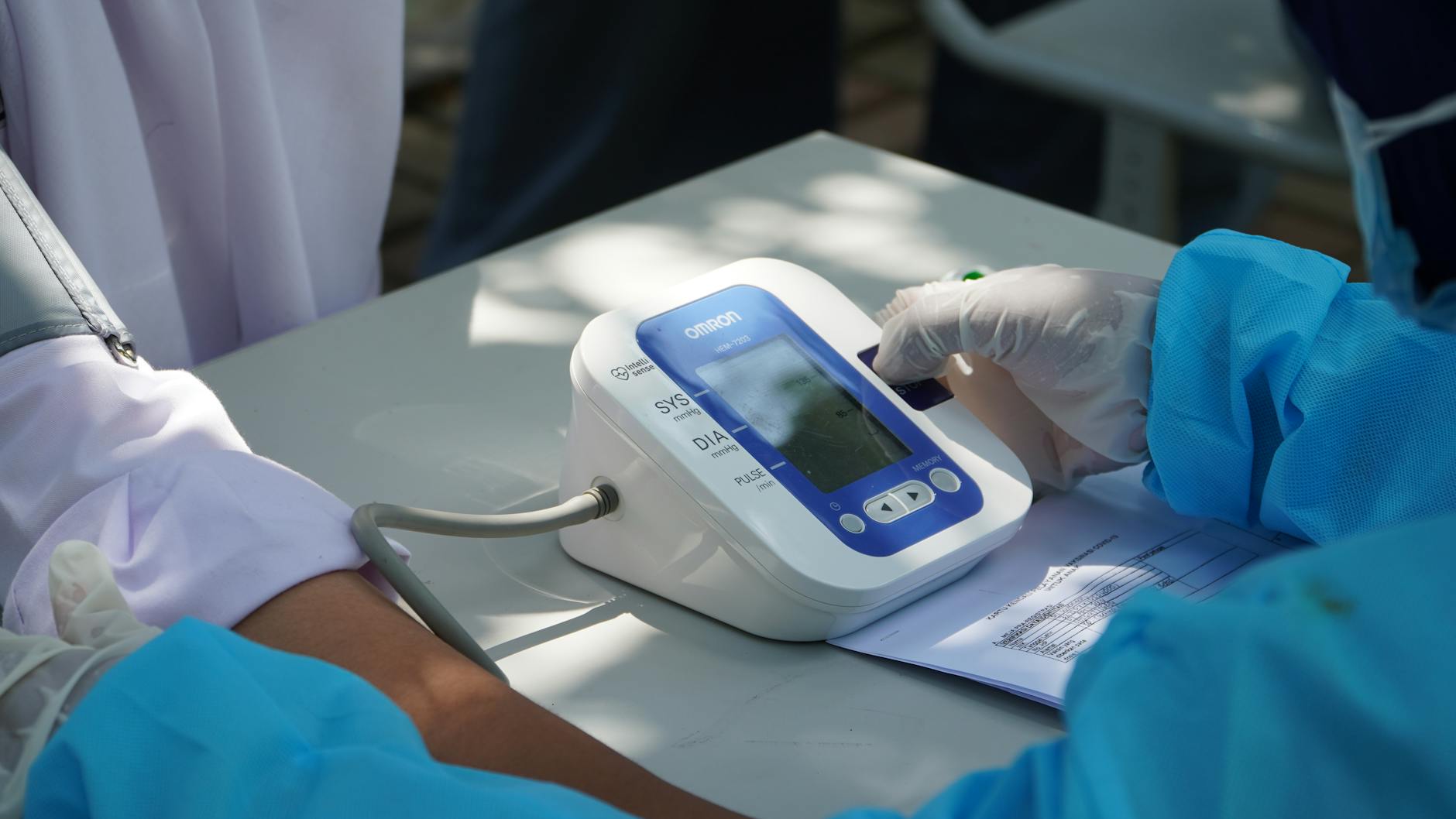
Overhead view of a doctor checking a patient's blood pressure during a healthcare consultation indoors. Photo: Thirdman / Pexels
In today's health-conscious world, taking an active role in managing your well-being is more critical than ever. For millions, this includes monitoring blood pressure, a vital sign that offers profound insights into cardiovascular health. High blood pressure, or hypertension, often shows no symptoms, earning it the moniker 'the silent killer.' Regular home blood pressure monitoring empowers individuals to track their numbers diligently, providing a clearer picture of their health trends between doctor's visits. This proactive approach can lead to earlier detection of potential issues, better adherence to treatment plans, and ultimately, improved health outcomes. While a single reading at the doctor's office offers a snapshot, home monitoring provides a comprehensive log of readings over time, revealing patterns that might otherwise go unnoticed. This continuous data stream is invaluable for healthcare providers, allowing them to make more informed decisions about diagnosis and treatment adjustments. Furthermore, home monitoring can help identify 'white-coat hypertension,' where blood pressure is elevated solely due to the stress of a clinical setting, or 'masked hypertension,' where readings are normal in the clinic but high at home. Understanding these nuances is crucial for accurate diagnosis and effective management. When you embark on the journey of home blood pressure monitoring, selecting the right device is paramount. The market is flooded with options, each promising accuracy and ease of use. However, not all monitors are created equal. Our comprehensive guide, focusing on the best home blood pressure monitor reviews, aims to cut through the noise, helping you identify devices that are clinically validated, user-friendly, and reliable. We delve into the specifics of what makes a blood pressure monitor stand out, from cuff types and sizes to smart features and data synchronization capabilities. Our goal is to equip you with the knowledge needed to make an informed decision, ensuring your investment contributes positively to your health management strategy. Regular monitoring, coupled with a healthy lifestyle, forms the cornerstone of effective blood pressure control. Don't underestimate the power of consistent tracking; it's a simple yet profound step towards a healthier heart and a longer, more vibrant life. For more insights into maintaining cardiovascular health, explore our resources on heart health tips. This foundational understanding sets the stage for diving into the specifics of selecting the best device for your needs, ensuring you're not just buying a gadget, but investing in your health.

Key Factors in Choosing the Best Home Blood Pressure Monitor
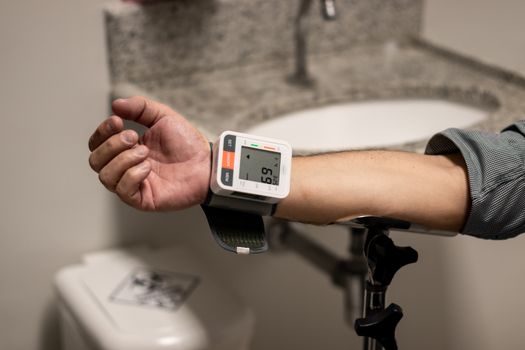
Close-up of an arm using a wrist sphygmomanometer in a healthcare setting. Photo: Lucas Oliveira / Pexels
When navigating the vast landscape of home blood pressure monitors, several critical factors should guide your decision-making process to ensure you select a device that is both effective and suitable for your individual needs. The first and arguably most important factor is accuracy. A monitor is only as good as its readings, so it's essential to choose a device that has been clinically validated. Look for certifications from reputable organizations such as the American Medical Association (AMA) or the British and Irish Hypertension Society (BIHS). These validations indicate that the device has undergone rigorous testing and meets stringent accuracy standards. Without clinical validation, the reliability of your readings could be compromised, leading to incorrect health assessments and potentially inappropriate treatment decisions. Another crucial consideration is cuff size and fit. An ill-fitting cuff can lead to significantly inaccurate readings. Cuffs come in various sizes (small, standard, large, and extra-large), and it's imperative to measure your arm circumference to determine the correct size for you. Most manufacturers provide guidelines for measuring and selecting the appropriate cuff. A cuff that is too small will yield falsely high readings, while one that is too large can result in falsely low readings. Ensuring a snug yet comfortable fit is key to obtaining consistent and reliable measurements. User-friendliness is also a significant factor, particularly for individuals who may not be tech-savvy or have dexterity issues. Look for monitors with large, easy-to-read displays, intuitive button layouts, and clear instructions. Some models offer voice prompts, which can be beneficial for visually impaired users. The simpler the device is to operate, the more likely you are to use it regularly, which is vital for effective blood pressure management. Beyond basic functionality, consider advanced features that might enhance your monitoring experience. Memory storage is a common feature, allowing the device to store multiple readings, often with date and time stamps. This eliminates the need for manual record-keeping and provides a convenient way to track trends over time. Many modern monitors also offer smart capabilities, such as Bluetooth connectivity to sync data with smartphone apps. These apps often provide advanced analytics, trend graphs, and the ability to easily share data with your healthcare provider. Some even offer integration with other health platforms, creating a holistic view of your health data. Finally, power source options (batteries, AC adapter) and portability might also influence your choice, depending on your lifestyle and usage patterns. By carefully evaluating these factors, you can confidently select a home blood pressure monitor that meets your needs for accuracy, comfort, and convenience, thereby maximizing its potential to support your health journey. This thorough evaluation ensures that your home monitoring system is a true asset in managing your blood pressure effectively.

Top Contenders: A Deep Dive into the Best Home Blood Pressure Monitor Reviews
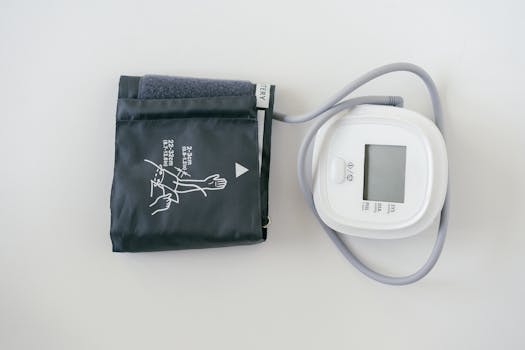
A digital sphygmomanometer on a white background, used for measuring blood pressure. Photo: Mikhail Nilov / Pexels
Having established the criteria for a reliable home blood pressure monitor, let's now delve into some of the leading models that consistently receive high marks in best home blood pressure monitor reviews. Our selection focuses on devices known for their accuracy, user experience, and innovative features, providing a comprehensive overview to help you make an informed choice. **Omron Platinum Blood Pressure Monitor (BP5450):** This device frequently tops lists for its exceptional accuracy and user-friendly design. It features Omron's exclusive Advanced Accuracy Technology, which measures five times more data points for consistent, precise readings. The Platinum model boasts a dual-user memory, storing up to 200 readings (100 per user) with date and time stamps, making it ideal for couples. Its Bluetooth connectivity allows seamless synchronization with the Omron Connect app, enabling users to track trends, set goals, and share data with their doctor effortlessly. The cuff wrap guide and irregular heartbeat detection add further layers of reliability and insight. Its intuitive interface and large display make it accessible for users of all ages. **Withings BPM Connect:** For those prioritizing smart features and seamless integration into a digital health ecosystem, the Withings BPM Connect is a standout. This sleek, compact device offers medical-grade accuracy in a highly portable design. It connects via Wi-Fi and Bluetooth, automatically syncing readings to the Withings Health Mate app, which also tracks activity, sleep, and weight. The color-coded feedback on the device itself provides immediate interpretation of readings. Its rechargeable battery is a significant advantage, offering up to 6 months of use on a single charge. The single-button operation simplifies the measurement process, and its ability to store up to 8 measurements on the device before syncing makes it convenient for on-the-go monitoring. It’s an excellent choice for tech-savvy individuals looking for a comprehensive health tracking solution. **A&D Medical UA-767F Series:** Renowned for its reliability and simplicity, the A&D Medical UA-767F series offers a no-frills, highly accurate monitoring experience. This series is often recommended by healthcare professionals for its consistent performance and clinical validation. It typically features a large, easy-to-read display, one-button operation, and an irregular heartbeat indicator. While it may lack some of the advanced smart features of its competitors, its straightforward functionality and proven accuracy make it a solid choice for those who prefer a traditional, dependable monitor. Some models in this series offer multi-user memory, which is a practical addition for households with multiple users. The cuff design is often noted for its comfort and ease of application. Choosing the right medical device is a personal decision, and these top contenders offer a range of features to suit different preferences and needs. Each provides a distinct set of advantages, from advanced data analytics to robust simplicity, ensuring that there's a high-quality option for every individual committed to proactive blood pressure management.

Maximizing Accuracy and Avoiding Common Monitoring Mistakes

A female doctor consulting a patient in a modern medical office setting. Photo: cottonbro studio / Pexels
Obtaining accurate blood pressure readings at home isn't just about having the right monitor; it also hinges on proper technique and avoiding common pitfalls. Even the best home blood pressure monitor reviews emphasize that user error can significantly skew results. Here are essential tips to maximize accuracy and common mistakes to avoid: **Tips for Maximizing Accuracy:** * **Rest Before Measuring:** Sit quietly for at least 5 minutes before taking your blood pressure. Avoid strenuous activity, caffeine, and smoking for at least 30 minutes prior. * **Proper Posture:** Sit with your back supported and your feet flat on the floor, uncrossed. Your arm should be supported on a flat surface at heart level. * **Correct Cuff Placement:** Ensure the cuff is placed directly on your bare skin, not over clothing. The bottom edge of the cuff should be about one inch above the bend of your elbow. * **Take Multiple Readings:** Take two to three readings, one minute apart, and record the average. Your first reading might be higher due to slight anxiety. * **Measure at Consistent Times:** Try to take your blood pressure at the same time each day, such as in the morning before medication and in the evening, to track consistent trends. * **Empty Your Bladder:** A full bladder can slightly increase blood pressure readings. **Common Monitoring Mistakes to Avoid:** * **Using the Wrong Cuff Size:** As discussed, an improperly sized cuff is a leading cause of inaccurate readings. Always measure your arm and select the appropriate cuff. * **Talking or Moving During Measurement:** Any movement or speech during the reading can cause significant fluctuations in blood pressure. * **Taking Readings Over Clothing:** Clothing under the cuff can compress the artery unevenly, leading to inaccurate results. * **Ignoring Irregular Heartbeat Indicators:** If your monitor indicates an irregular heartbeat, consult your doctor. While some monitors detect this, it's not a diagnostic tool. * **Self-Diagnosis and Treatment:** Home monitoring is a tool for information, not for self-diagnosis or adjusting medication. Always consult your healthcare provider. * **Not Calibrating or Checking Your Monitor:** While most modern monitors are factory calibrated, it's a good practice to periodically compare your home readings with those taken at your doctor's office. If there's a significant, consistent difference, your device might need checking. By adhering to these guidelines, you can ensure that your home blood pressure monitoring provides the most reliable and actionable data for you and your healthcare team, contributing significantly to your overall cardiovascular health management.

Comparison

FeatureOmron Platinum (BP5450)Withings BPM ConnectA&D Medical UA-767F
Clinical Validation✓ (Advanced Accuracy)✓ (Medical Grade)✓ (BIHS/AMA)
ConnectivityBluetooth (Omron Connect App)Wi-Fi & Bluetooth (Health Mate App)None (Basic Model)
User Memory2 users x 100 readingsMultiple users (App-based)1 user x 60 readings
Irregular Heartbeat Detection
Power Source4 AA Batteries / AC AdapterRechargeable Battery (USB)4 AA Batteries / AC Adapter
PortabilityModerateHigh (Compact)Low (Standard)
Display SizeLarge, BacklitSmall, Color-coded LEDLarge, Clear LCD

What Readers Say

"After reading multiple best home blood pressure monitor reviews, I settled on the Omron Platinum. It's incredibly easy to use and the app integration is fantastic for tracking my progress. My doctor is impressed with the consistent data I provide."

Sarah J. · Austin, TX

"The Withings BPM Connect was a game-changer for me. It's so sleek and portable, and the fact that it automatically syncs to my phone means I never forget to record a reading. Highly recommend for anyone wanting smart features."

Mark D. · Miami, FL

"I needed a reliable, no-fuss monitor, and the A&D Medical UA-767F delivered. My readings have been consistent with my doctor's office, giving me peace of mind. It’s exactly what I needed for straightforward monitoring."

Eleanor K. · Seattle, WA

"The Omron monitor is excellent for accuracy, though the app took a little getting used to. Once set up, it’s a powerful tool. I appreciate the dual-user memory, as my wife also uses it regularly."

David P. · Denver, CO

"As someone who travels frequently, the Withings BPM Connect's portability is unmatched. It fits easily in my bag and provides accurate readings wherever I am. It's truly one of the best home blood pressure monitors available."

Maria G. · Boston, MA

Frequently Asked Questions

What is the most accurate type of home blood pressure monitor?

Upper arm cuff monitors are generally considered the most accurate type of home blood pressure monitor. Wrist monitors can be accurate if used correctly, but they are more sensitive to body position. Always choose a monitor that has been clinically validated by independent organizations.

How often should I check my blood pressure at home?

Your doctor will provide specific recommendations, but generally, it's advised to take readings twice a day (morning and evening) for a week or two, then periodically as advised. Consistency in timing is more important than frequency for tracking trends.

How do I ensure my home blood pressure readings are accurate?

To ensure accuracy, sit still for 5 minutes before measuring, use the correct cuff size on bare skin, keep your arm at heart level, and take multiple readings. Avoid caffeine, exercise, and smoking for 30 minutes prior to measurement.

Are expensive blood pressure monitors necessarily better?

Not always. While more expensive models often come with advanced features like Bluetooth connectivity, larger memory, or specialized cuffs, accuracy is not solely tied to price. Focus on clinical validation and proper technique over cost alone.

Should I choose a monitor with smart features or a basic one?

The choice depends on your preference. Smart monitors offer convenience by automatically logging and graphing data, which can be easily shared with your doctor. Basic monitors are excellent if you prefer manual tracking or want a simpler, more affordable option, as long as they are clinically validated.

Who should use best home blood pressure monitor reviews?

Anyone looking to purchase a blood pressure monitor for home use, especially those diagnosed with hypertension, pre-hypertension, or those at risk of cardiovascular disease, should consult best home blood pressure monitor reviews. They provide essential guidance for making an informed choice.

Is it safe to rely solely on home blood pressure readings?

No, home blood pressure readings should complement, not replace, regular check-ups with your healthcare provider. They provide valuable data for your doctor, but a medical professional is essential for diagnosis, treatment plans, and interpreting your readings in context with your overall health.

What future trends are expected in home blood pressure monitoring?

Future trends include even smaller, more discreet wearable devices, enhanced AI-driven insights from collected data, integration with smart home ecosystems, and potentially non-cuff technologies for continuous, passive monitoring, making health tracking even more seamless.

Empower yourself with knowledge and choose from the best home blood pressure monitor reviews to find the perfect device for your health. Take control of your cardiovascular well-being today and make informed decisions for a healthier future.

Topics: best home blood pressure monitor reviewsat-home blood pressure monitoraccurate blood pressure devicedigital blood pressure monitorhome BP monitor comparison
Leo List
Brampton weed
Adultwork EstrelaBet Vai de Bet R7 Bet Betão Galera Bet Rainbet Bet9ja Shop SportyBet BetKing Sisal Loto Foot Hollywoodbets YesPlay Odibets RushBet Jugabet BetWarrior BetCity MSport betPawa Fortebet