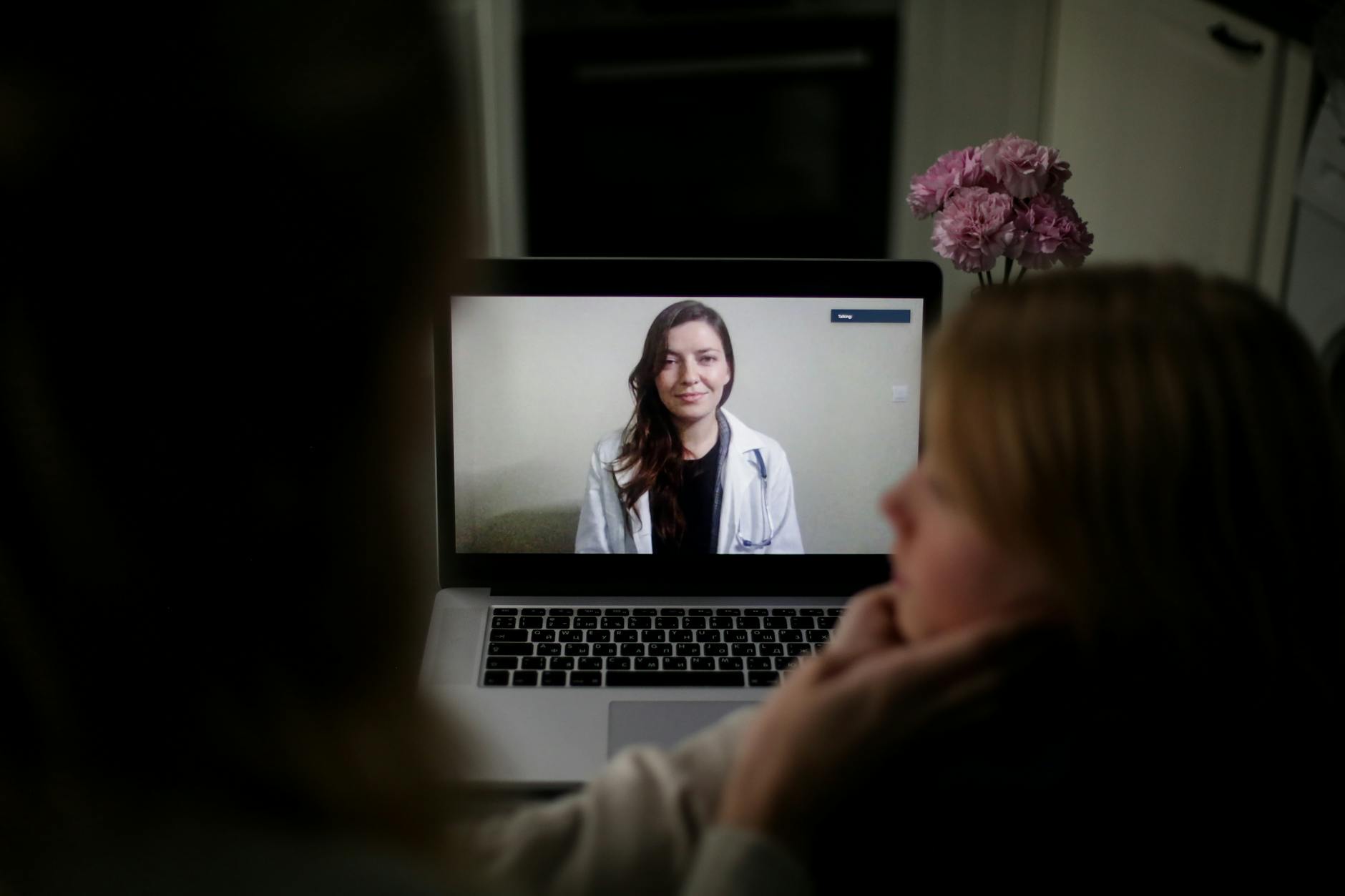
Unlock Health: Benefits of Telemedicine for Chronic Conditions
benefits of telemedicine for chronic conditions

Unlock Health: Benefits of Telemedicine for Chronic Conditions

Experience convenient, effective, and personalized chronic disease management from the comfort of your own home.

Start Your Virtual Care Journey

Key Takeaways

  • ✓ Telemedicine significantly reduces travel time and costs for chronic disease patients.
  • ✓ Remote monitoring capabilities improve adherence to treatment plans and early detection of issues.
  • ✓ Virtual visits offer greater flexibility in scheduling appointments, fitting into busy lives.
  • ✓ Access to specialists is broadened, especially for those in rural or underserved areas.

How It Works

1
Initial Consultation & Setup

You'll have an introductory virtual visit with a healthcare provider to discuss your chronic condition and medical history. They will help you set up any necessary remote monitoring devices and establish a personalized care plan.

2
Regular Virtual Check-ins

Scheduled video or phone calls allow for consistent communication with your care team. These check-ins are used to review your progress, adjust medications, and address any new concerns without needing an in-person visit.

3
Remote Monitoring & Data Sharing

Wearable devices or home medical equipment (e.g., blood pressure cuffs, glucometers) securely transmit your health data to your provider. This continuous stream of information enables proactive management and timely interventions.

4
Medication Management & Support

Your care team can remotely manage prescriptions, refill requests, and provide education on medication adherence. You'll also have access to resources and support for lifestyle modifications and self-management strategies.

Revolutionizing Access and Convenience in Chronic Care
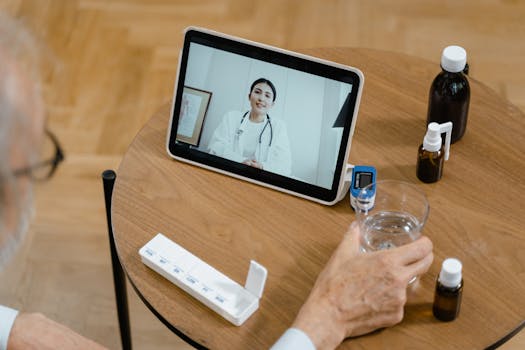
Senior adult having a virtual doctor consultation on a tablet with medications on the table. Photo: Tima Miroshnichenko / Pexels
For millions of Americans living with chronic conditions such as diabetes, heart disease, asthma, or autoimmune disorders, managing their health often feels like a full-time job. Traditional healthcare models, while essential, frequently present significant barriers: the time sink of commuting to appointments, the financial strain of transportation and missed work, and the sheer logistical challenge of coordinating multiple specialist visits. This is where the benefits of telemedicine for chronic conditions truly shine, offering a transformative approach to healthcare delivery. Telemedicine dismantles these barriers by bringing the doctor's office directly to the patient's home, or wherever they may be. Imagine a scenario where a patient with Type 2 diabetes no longer needs to take a half-day off work, arrange childcare, and navigate traffic for a routine check-up. Instead, they can connect with their endocrinologist via a secure video call from their living room, discussing their blood glucose readings, diet, and medication adjustments. This unparalleled convenience not only saves valuable time and money but also significantly reduces the stress associated with healthcare access. For individuals with mobility issues, compromised immune systems, or those residing in rural areas with limited access to specialty care, telemedicine isn't just convenient; it's a lifeline. It ensures continuity of care, allowing patients to maintain regular contact with their providers, which is paramount for effective chronic disease management. The reduced exposure to infectious diseases, a critical concern for immunocompromised individuals, is another profound benefit, especially in a post-pandemic world. Furthermore, the flexibility offered by virtual appointments means that patients are more likely to attend their scheduled check-ups, leading to better adherence to treatment plans and, ultimately, improved health outcomes. This enhanced accessibility fosters a more proactive approach to health management, empowering patients to take a more active role in their well-being without the traditional hurdles. The ability to consult with a specialist who might be hundreds of miles away, without the necessity of travel, opens up a world of expertise previously unavailable to many, democratizing access to high-quality chronic care. Learn more about digital health solutions that are reshaping patient care.

Enhanced Monitoring and Proactive Management
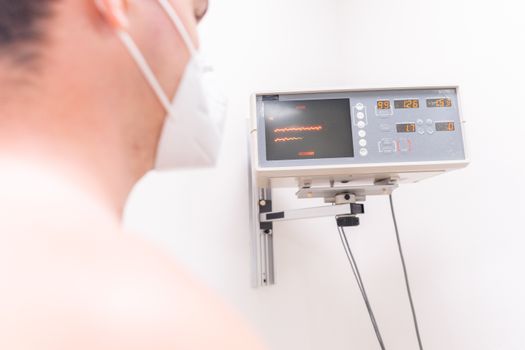
A masked patient in a clinic being monitored by an electronic device. Photo: Los Muertos Crew / Pexels
One of the most compelling benefits of telemedicine for chronic conditions lies in its capacity for enhanced monitoring and proactive management. Chronic diseases necessitate continuous oversight, and traditional episodic care often falls short in providing the real-time insights required for optimal control. Telemedicine bridges this gap through the integration of remote patient monitoring (RPM) technologies. Devices like smart glucometers, blood pressure cuffs, pulse oximeters, and even wearable sensors can seamlessly transmit vital health data directly to a patient's care team. This constant stream of information allows healthcare providers to observe trends, detect subtle changes, and intervene much earlier than would be possible with periodic in-person visits. Consider a patient with hypertension whose blood pressure readings fluctuate. With RPM, their physician receives daily updates, enabling them to identify patterns, adjust medication dosages promptly, and provide timely advice, potentially preventing a hypertensive crisis. Similarly, for individuals managing congestive heart failure, daily weight and symptom tracking via telemedicine can signal fluid retention before it becomes severe, prompting early intervention and reducing hospital readmissions. This proactive approach transforms chronic care from reactive problem-solving to preventative management. It empowers both patients and providers with actionable data, fostering a collaborative partnership in health management. Patients gain a deeper understanding of their condition through direct feedback and engagement with their data, while providers can tailor care plans with unprecedented precision. The ability to review data remotely also allows for more efficient use of appointment time, focusing discussions on progress, challenges, and education rather than just data collection. This continuous loop of data, analysis, and intervention significantly improves the quality of care, leading to better disease control, fewer complications, and an overall enhancement in the patient's quality of life. The psychological benefit of knowing that one's health is being continuously monitored by a dedicated team also provides immense peace of mind, reducing anxiety often associated with chronic illness.

Improved Patient Engagement and Education in Virtual Care
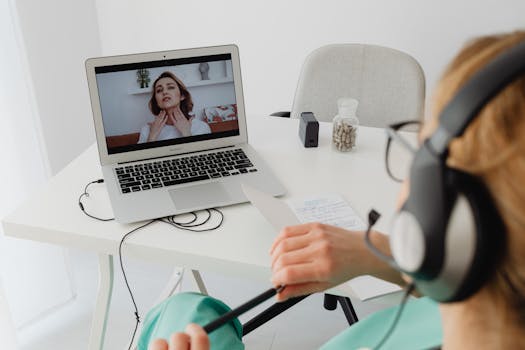
A healthcare professional video conferencing with a patient for an online consultation. Photo: https://kaboompics.com/ / Pexels
Beyond convenience and monitoring, another pivotal aspect defining the benefits of telemedicine for chronic conditions is its profound impact on patient engagement and education. Effective chronic disease management is not solely about medical interventions; it heavily relies on a patient's understanding of their condition, adherence to treatment plans, and active participation in self-care. Telemedicine platforms are uniquely positioned to foster this engagement, transforming passive recipients of care into empowered partners in their health journey. Virtual consultations often allow for a more relaxed and focused discussion, free from the distractions and time constraints sometimes present in a busy clinic setting. This environment encourages patients to ask questions, voice concerns, and absorb information more effectively. Telemedicine tools frequently incorporate educational resources directly into the platform, such as personalized articles, videos, and interactive modules pertaining to a patient's specific condition. For instance, a patient with newly diagnosed Crohn's disease can access detailed information about diet, medication side effects, and flare-up management immediately following a virtual consultation, reinforcing the provider's advice. This immediate access to tailored educational content empowers patients to become experts in their own health, leading to better self-management skills and increased confidence. Furthermore, the ability to communicate with care teams through secure messaging or patient portals between appointments allows for ongoing support and clarification, addressing concerns as they arise rather than waiting for the next scheduled visit. This continuous communication loop strengthens the patient-provider relationship, building trust and fostering a sense of partnership. When patients feel heard, understood, and well-informed, their motivation to adhere to complex treatment regimens, make necessary lifestyle changes, and proactively manage their condition significantly increases. This elevated level of engagement is a cornerstone of successful chronic disease management, contributing to sustained health improvements and a higher quality of life. Explore how patient portals enhance medical communication and overall care.

Navigating Telemedicine: Tips for Optimal Chronic Condition Management

Senior adult having a virtual doctor consultation on a tablet with medications on the table. Photo: Tima Miroshnichenko / Pexels
While the benefits of telemedicine for chronic conditions are extensive, maximizing its potential requires a thoughtful approach. Here are some key tips for patients and caregivers to ensure an optimal experience and effective management of long-term illnesses through virtual care: * **Ensure Reliable Technology:** Before any virtual appointment, test your internet connection, camera, and microphone. A stable connection is crucial for uninterrupted communication. Consider having a backup plan, like a phone call, if video issues arise. * **Prepare for Your Appointments:** Treat virtual visits like in-person ones. Write down your questions, symptoms, medication list, and any recent health readings (e.g., blood pressure, blood sugar). This helps utilize the appointment time efficiently and ensures all concerns are addressed. * **Create a Private and Quiet Space:** Find a secluded area free from distractions for your consultation. This allows for open and confidential discussion with your provider and helps you focus on the information being shared. * **Understand Your Devices:** If using remote patient monitoring tools, make sure you understand how to use them correctly and consistently. Accurate data collection is vital for your provider to make informed decisions about your care. * **Communicate Openly:** Don't hesitate to share all relevant information, even if it feels minor. Telemedicine relies on clear communication, so be as descriptive as possible about your symptoms, concerns, and how you're feeling. * **Know When In-Person Care is Needed:** Understand that telemedicine is a powerful tool, but it doesn't replace all in-person care. Your provider will guide you on when a physical examination or certain tests necessitate an office visit. Be prepared for this possibility and adhere to those recommendations. Following these tips will help you harness the full power of telemedicine, transforming your chronic condition management into a more streamlined, effective, and less burdensome process. It empowers you to be an active participant in your health, working collaboratively with your healthcare team to achieve better outcomes.

Comparison

FeatureTelemedicine for Chronic ConditionsTraditional In-Person CareUrgent Care Clinics
ConvenienceHigh (from home)Low (travel required)Moderate (walk-in)
Access to SpecialistsBroad (anywhere)Limited (local only)Very Limited (generalist)
Continuous MonitoringExcellent (RPM integration)Limited (episodic)None
Cost Savings (Patient)High (travel, time off)Low (direct costs)Moderate (co-pays)
Personalized Care Plan
Exposure to IllnessMinimalModerateHigh
Appointment FlexibilityHighLowModerate (walk-in dependent)
Best ForLong-term management, routine check-upsAcute issues, physical examsSudden non-life-threatening issues

What Readers Say

"Managing my rheumatoid arthritis has been so much easier since switching to telemedicine. The regular check-ins and quick access to my rheumatologist for questions have made a huge difference in controlling my flare-ups."

Sarah J. · Austin, TX

"As a diabetic, the remote monitoring of my blood sugar through telemedicine has been life-changing. My doctor can see my trends daily and makes adjustments to my insulin almost immediately, leading to much better control."

Mark R. · Denver, CO

"I used to miss so many appointments for my hypertension because of work. Now, with virtual visits, I never miss a check-up, and my blood pressure is consistently within a healthy range. It's incredibly effective!"

Emily P. · Miami, FL

"Telemedicine has greatly improved my ability to manage my asthma. While I still need in-person visits occasionally for specific tests, the convenience of virtual refills and quick consultations for minor issues is fantastic."

David L. · Portland, OR

"Living with multiple sclerosis means mobility is a challenge. Telemedicine has allowed me to receive consistent neurological care without the exhausting travel, truly enhancing my quality of life and treatment adherence."

Maria G. · Phoenix, AZ

Frequently Asked Questions

What chronic conditions are best suited for telemedicine?

Telemedicine is highly effective for a wide range of chronic conditions, including diabetes, hypertension, asthma, COPD, heart failure, thyroid disorders, autoimmune diseases, and mental health conditions like depression and anxiety. Conditions requiring frequent monitoring, medication adjustments, or lifestyle counseling benefit significantly from virtual care.

Is telemedicine for chronic conditions less effective than in-person care?

No, for many aspects of chronic condition management, telemedicine is proven to be as effective, if not more so, due to enhanced convenience, continuous monitoring, and improved patient engagement. While it may not replace all in-person care, it significantly complements and optimizes long-term disease management, leading to comparable or better health outcomes.

How do I get started with telemedicine for my chronic condition?

To get started, first check if your current healthcare provider or insurance plan offers telemedicine services. If not, research reputable telehealth providers specializing in your condition. You'll typically need a smartphone, tablet, or computer with internet access. Schedule an initial virtual consultation to discuss your needs and set up your personalized care plan.

What are the costs associated with telemedicine for chronic care?

Costs for telemedicine vary. Many insurance plans, including Medicare and Medicaid, now cover virtual visits for chronic conditions, often with similar co-pays to in-person visits. Some providers offer subscription models or cash pay options. It's important to check with your insurance provider and the telemedicine service for specific cost details, but often overall costs are reduced due to less travel and missed work.

How does telemedicine compare to traditional care in terms of patient safety?

Telemedicine for chronic conditions is designed with patient safety in mind. Secure platforms protect patient data, and remote monitoring allows for early detection of issues, potentially preventing emergencies. Providers are trained to identify when an in-person visit is necessary, ensuring that critical physical examinations or interventions are not missed. It's a safe and effective complement to traditional care.

Who should consider using telemedicine for chronic condition management?

Anyone managing a chronic condition can benefit, especially those with mobility challenges, busy schedules, limited access to local specialists, or those who prefer the convenience of home-based care. It's particularly useful for individuals requiring regular check-ups, medication management, health coaching, and remote monitoring.

Are my health records and personal information secure with telemedicine?

Reputable telemedicine platforms are HIPAA-compliant, meaning they employ stringent security measures to protect your health records and personal information. This includes encrypted communication, secure data storage, and strict privacy policies. Always ensure you are using a trusted and established telemedicine provider.

What future trends can we expect in telemedicine for chronic conditions?

Future trends include greater integration with AI for predictive analytics, personalized digital therapeutics, advanced wearable devices offering more comprehensive data, and even virtual reality for rehabilitation and mental health support. We can expect increasingly seamless, integrated, and proactive chronic care management systems.

Embrace the future of healthcare and unlock better health outcomes for your chronic condition. Explore the benefits of telemedicine today and take control of your well-being with unparalleled convenience and expert support.

Topics: benefits of telemedicine for chronic conditionstelehealth chronic disease managementvirtual care for long-term illnessremote chronic caredigital health chronic patients
Leo List

IE Escorts NO Escorts US Escorts NZ Escorts AU Escorts
Brampton weed
Adultwork EstrelaBet Vai de Bet R7 Bet Betão Galera Bet Rainbet Bet9ja Shop SportyBet BetKing Sisal Loto Foot Hollywoodbets YesPlay Odibets RushBet Jugabet BetWarrior BetCity MSport betPawa Fortebet