
Unlock Health: The Benefits of Preventive Health Screenings
Proactive health management through screenings can transform your well-being and extend your life. Discover how.
Find a Screening CenterKey Takeaways
- ✓ Preventive screenings can detect diseases before symptoms appear.
- ✓ Early diagnosis often leads to more effective and less invasive treatments.
- ✓ Regular screenings can significantly reduce long-term healthcare costs.
- ✓ Many chronic conditions are preventable or manageable with early intervention.
How It Works
Discuss your personal and family medical history with your primary care physician. They will help determine which screenings are most relevant for you based on age, sex, and risk factors.
Book appointments for recommended tests like blood pressure checks, cholesterol tests, cancer screenings, and diabetes screenings. Ensure you understand any preparation required for each test.
Attend your scheduled appointments. Most screenings are quick, non-invasive, and can be completed during a routine visit or at a specialized facility.
Your doctor will review your results with you, explain what they mean, and discuss any necessary follow-up actions or lifestyle adjustments. This is your opportunity to ask questions and actively participate in your health plan.
The Unseen Power of Early Disease Detection
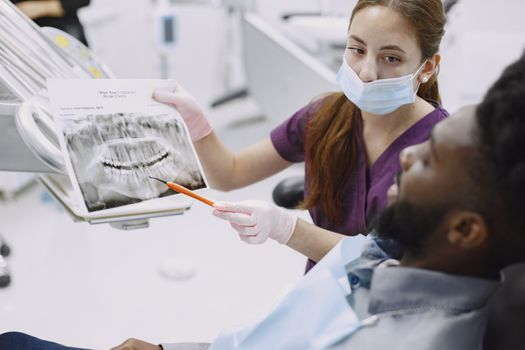 Photo: Gustavo Fring / Pexels
Long-Term Health and Quality of Life Enhancement
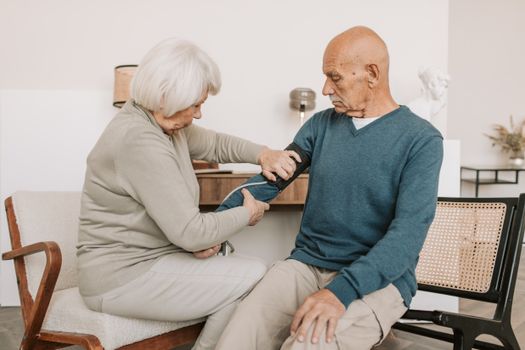 Photo: Vlada Karpovich / Pexels
Economic Advantages: Saving Money and Resources
 Photo: Towfiqu barbhuiya / Pexels
Maximizing Your Screening Benefits: Tips and Common Pitfalls
 Photo: Esma Karagoz / Pexels
- Know Your Family History: This is perhaps the most crucial piece of information you can provide your doctor. A detailed family medical history can highlight genetic predispositions to certain diseases, allowing for more targeted and earlier screening recommendations. Don't just know if someone had a disease; understand at what age they were diagnosed and if there were multiple family members affected.
- Maintain Open Communication with Your Doctor: Your primary care physician is your partner in health. Be honest about your lifestyle, concerns, and any symptoms, no matter how minor they seem. This dialogue helps your doctor recommend the most appropriate screenings for you.
- Understand Your Screenings: Don't just undergo tests blindly. Ask your doctor why a particular screening is recommended, what it entails, and what the potential outcomes are. Understanding the 'why' empowers you to be an active participant in your health journey.
- Follow Up on Results: Never assume 'no news is good news.' Always confirm that your results have been reviewed and discussed with you. If any abnormal findings occur, ensure you understand the next steps and follow through with recommended follow-up tests or specialist referrals.
- Adhere to Recommended Schedules: Screenings are often recommended at specific intervals for a reason. Skipping a recommended mammogram or colonoscopy can negate the benefits of early detection.
- Ignoring Symptoms Between Screenings: Screenings are snapshots. If you develop new or concerning symptoms between scheduled tests, don't wait for your next appointment; contact your doctor immediately.
- Self-Diagnosis and Over-Reliance on Online Information: While online resources are valuable, they should supplement, not replace, professional medical advice. Misinterpreting symptoms or screening guidelines can lead to unnecessary anxiety or, worse, missed diagnoses.
- Fear of Results: It's natural to feel anxious about medical tests, but letting fear prevent you from getting screened is counterproductive. Early detection offers the best chance for successful outcomes.
- Assuming One Size Fits All: Preventive screening guidelines are general. Your personal health profile, risk factors, and doctor's advice should always tailor your screening schedule.
Comparison
| Screening Type | Primary Benefit | Typical Frequency | Risk Factor Impact |
|---|---|---|---|
| Blood Pressure Check | Detects hypertension, prevents heart disease/stroke | Annually (or more if high) | Age, diet, family history |
| Cholesterol Test (Lipid Panel) | Identifies risk for heart disease | Every 4-6 years (more if high risk) | Diet, genetics, lifestyle |
| Colorectal Cancer Screening | Detects polyps/cancer early | Every 1-10 years (age 45+) | Family history, diet, age |
| Mammogram (Breast Cancer) | Detects breast cancer early | Annually/Biennially (age 40/50+) | Genetics, age, lifestyle |
| Diabetes Screening (A1C) | Detects pre-diabetes/diabetes | Every 3 years (age 45+ or high risk) | Obesity, family history, inactivity |
What Readers Say
"Getting my annual physical and recommended screenings truly saved my life. They caught my thyroid issue before it became severe, allowing for early treatment and preventing major complications. I'm so grateful for the peace of mind these preventive health screenings provide."
Sarah J. · Austin, TX"I used to dread going to the doctor, but understanding the benefits of preventive health screenings changed my perspective. My last colonoscopy found a precancerous polyp which was removed immediately. It's a small inconvenience for such a huge health advantage."
David L. · Chicago, IL"Thanks to regular cholesterol screenings, my doctor helped me adjust my diet and lifestyle early on. My numbers are now in a healthy range, and I've avoided medication. It's a clear example of how preventive health screenings lead to concrete, positive results."
Maria P. · Miami, FL"While some screenings can be a bit uncomfortable, the overall benefit of knowing my health status far outweighs it. I appreciate that my doctor tailors the recommendations to my age and risk factors, ensuring I only get what's necessary. It's a proactive approach that makes sense."
Robert S. · Denver, CO"As someone with a family history of diabetes, regular blood sugar checks have been invaluable. My doctor caught my pre-diabetic status early, and with diet and exercise, I've managed to keep it from progressing. Preventive health screenings are truly an investment in your future."
Emily R. · Seattle, WAFrequently Asked Questions
What are the most important benefits of preventive health screenings?
The most important benefits include early detection of diseases before symptoms appear, which leads to more effective and less invasive treatments, improved long-term health outcomes and quality of life, and significant reductions in future healthcare costs by preventing advanced disease. They empower individuals to take proactive steps towards managing their health.
Are preventive health screenings really necessary if I feel healthy?
Yes, absolutely. Many serious conditions, such as high blood pressure, high cholesterol, and early-stage cancers, are often asymptomatic in their initial phases. Screenings are designed to catch these 'silent' conditions before they cause noticeable symptoms, when they are much easier to treat or manage.
How do I know which preventive health screenings I need?
The best way to determine which screenings are appropriate for you is to consult with your primary care physician. They will consider your age, sex, personal medical history, family medical history, and lifestyle factors to recommend a personalized screening schedule based on established medical guidelines.
How much do preventive health screenings cost, and are they covered by insurance?
Under the Affordable Care Act (ACA), most preventive health screenings are covered by insurance plans with no out-of-pocket cost (no copay or deductible) when performed by an in-network provider. It's always best to check with your specific insurance provider for details on your coverage.
How do preventive health screenings differ from diagnostic tests?
Preventive screenings are performed on individuals who have no symptoms, to detect potential health issues early. Diagnostic tests, on the other hand, are performed when a person already has symptoms or abnormal screening results, to confirm a diagnosis or determine the extent of a known condition.
Who should prioritize getting preventive health screenings?
Everyone should prioritize preventive health screenings, as guidelines exist for all age groups, starting from infancy. However, individuals with a family history of chronic diseases, those with certain lifestyle risk factors (e.g., smoking, obesity), and those over a certain age often have more frequent or specific screening recommendations.
Are there any risks associated with preventive health screenings?
While generally very safe, some screenings carry minor risks, such as discomfort, false positives (leading to unnecessary follow-up tests), or false negatives (missing a condition). Your doctor will discuss the benefits and risks of each recommended screening to help you make informed decisions.
What is the future outlook for preventive health screenings?
The future of preventive health screenings is rapidly evolving with advancements in technology, including more personalized screenings based on genetics, liquid biopsies for early cancer detection, and AI-powered diagnostics for more accurate and efficient results. The trend is towards less invasive, more precise, and more accessible screening methods.
Embrace the power of proactive health management. Understanding and utilizing the benefits of preventive health screenings is your best defense against disease and your clearest path to a longer, healthier, and more vibrant life. Don't wait for symptoms; take control of your well-being today by scheduling a conversation with your doctor about your personalized screening plan.