
Unlock Health: The Benefits of Preventative Health Screenings
Proactive health screenings empower you to detect issues early, leading to better outcomes and a longer life.
Start Your Health JourneyKey Takeaways
- ✓ Preventative screenings can detect diseases before symptoms appear.
- ✓ Early detection often leads to more effective and less invasive treatment options.
- ✓ Regular screenings can significantly reduce the risk of serious health complications.
- ✓ Many insurance plans cover preventative health screenings at no extra cost.
How It Works
Discuss your personal health history, family medical background, and lifestyle with your primary care physician. They will help identify which screenings are most relevant for you.
Schedule and complete the suggested preventative tests, which can range from blood pressure checks and cholesterol panels to mammograms and colonoscopies, depending on your age and risk factors.
Meet with your doctor to review the results of your screenings. Understand what the findings mean for your health and discuss any necessary follow-up actions or lifestyle adjustments.
Continue with regular check-ups and adhere to your personalized screening schedule. Embrace a healthy lifestyle to maximize the long-term benefits of your preventative efforts.
The Foundation of Longevity: Understanding Preventative Health
 Photo: Nataliya Vaitkevich / Pexels
Early Detection: The Cornerstone Benefit of Health Screenings
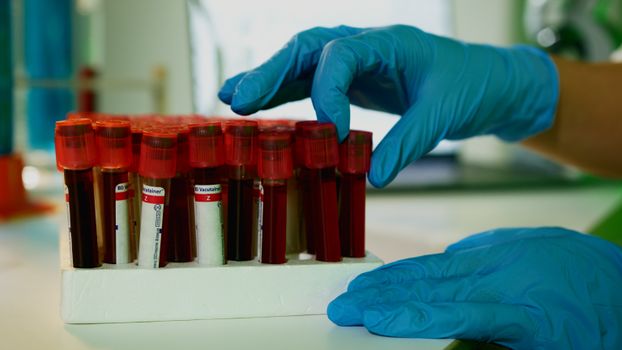 Photo: Artem Podrez / Pexels
Financial Savings and Enhanced Quality of Life Through Prevention
 Photo: Yan Krukau / Pexels
Navigating Preventative Screenings: Tips and Common Misconceptions
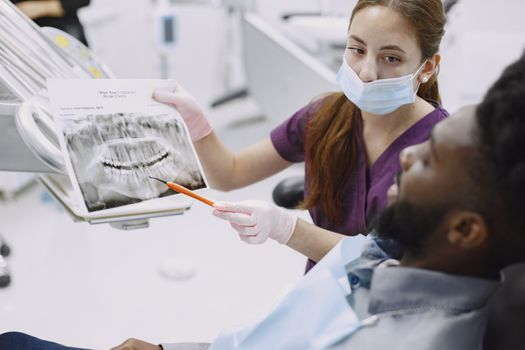 Photo: Gustavo Fring / Pexels
Comparison
| Feature | Preventative Screening | Reactive Treatment | Alternative Therapies |
|---|---|---|---|
| Goal | Early detection/prevention | Treat existing disease | Complementary care |
| Timing | Before symptoms appear | After symptoms appear | Ongoing/as needed |
| Cost (typical) | Low/covered by insurance | High/significant out-of-pocket | Varies widely |
| Invasiveness | Often minimal | Can be highly invasive | Often non-invasive |
| Outcome Potential | Disease avoidance/cure | Disease management/cure | Symptom relief/wellness |
| Empowerment | ✓ | ✗ | ✓ |
What Readers Say
"My doctor insisted on a mammogram even though I felt perfectly healthy. They found a tiny lump that was early-stage breast cancer. Thanks to that preventative screening, I'm now cancer-free and incredibly grateful."
Sarah J. · Austin, TX"I always put off my annual physicals. Last year, my doctor caught my high blood pressure before it caused any serious damage. Now I'm on medication and feeling much better, all thanks to that preventative check."
Mark D. · Miami, FL"My father passed away from colon cancer, so I was diligent about my colonoscopies. They found polyps during my last screening and removed them before they could turn cancerous. It literally saved my life, and I avoided the terrible ordeal my dad went through."
Emily R. · Denver, CO"While the process for some screenings can be a bit inconvenient, the peace of mind knowing I'm doing everything I can for my health is priceless. It's an investment in my future well-being, even if it feels like a hassle sometimes."
David L. · Chicago, IL"As a busy mother, I often prioritize my kids' health over my own. But after hearing about a friend's late diagnosis, I committed to regular preventative screenings. It's a non-negotiable part of my self-care now, ensuring I'm healthy for my family."
Jessica M. · Seattle, WAFrequently Asked Questions
What are the most important benefits of preventative health screenings?
The most important benefits include early detection of diseases before symptoms appear, leading to more effective and less invasive treatment options, significantly reducing the risk of serious health complications, and ultimately improving long-term health outcomes and quality of life. They empower individuals to take proactive control of their health.
Are preventative health screenings expensive?
Many preventative health screenings are covered at 100% by most insurance plans under the Affordable Care Act, meaning no co-pay or deductible. While some specialized tests might have costs, the financial outlay for preventative care is generally far less than the cost of treating advanced diseases.
How often should I get preventative health screenings?
The frequency of preventative health screenings varies significantly based on your age, gender, personal health history, family medical history, and specific risk factors. It's crucial to consult with your primary care physician, who can provide a personalized screening schedule tailored to your individual needs.
Can preventative screenings really prevent diseases?
Yes, in many cases, they can. By detecting precancerous conditions (like polyps in a colonoscopy) or risk factors (like high cholesterol or blood pressure), interventions can be made to prevent the disease from fully developing or progressing. This proactive approach is key to true disease prevention.
How do preventative screenings differ from diagnostic tests?
Preventative screenings are performed on seemingly healthy individuals to detect potential issues before symptoms arise. Diagnostic tests, on the other hand, are conducted when a person is experiencing symptoms or has abnormal screening results, to confirm a diagnosis or investigate a specific health concern.
Who should prioritize preventative health screenings?
Everyone should prioritize preventative health screenings. While specific recommendations vary by age and risk, a proactive approach to health is universally beneficial. Individuals with a family history of chronic diseases or certain lifestyle risk factors may need to start screenings earlier or more frequently.
Are there any risks associated with preventative screenings?
Most preventative screenings are very safe with minimal risks. Some procedures, like colonoscopies, carry a small risk of complications, but these are rare. Your doctor will discuss any potential risks versus the significant benefits of early detection before recommending a screening.
What is the future outlook for preventative health screenings?
The future of preventative health screenings is rapidly evolving with advancements in genetics, AI, and personalized medicine. We can expect more targeted screenings based on individual genetic profiles, less invasive technologies, and integrated digital health tools that make preventative care even more accessible and effective.
Embrace the power of proactive health. By understanding and utilizing the benefits of preventative health screenings, you're not just investing in your future self, but actively shaping a life of vitality, longevity, and peace of mind. Talk to your doctor today and take the first step towards a healthier tomorrow.