✓ Regular exercise can reduce the risk of chronic diseases by up to 40%.
✓ Just 150 minutes of moderate-intensity exercise per week can significantly improve health.
✓ Physical activity boosts mood and cognitive function, acting as a natural antidepressant.
✓ Exercise strengthens the immune system, helping the body fight off infections more effectively.
How It Works
1
Choose Your Activity
Identify activities you genuinely enjoy, whether it's walking, swimming, cycling, or dancing. Enjoyment is key to long-term adherence and consistency.
2
Set Realistic Goals
Begin with achievable targets, such as 10-15 minutes of activity a few times a week, gradually increasing duration and intensity. Small successes build momentum.
3
Integrate into Routine
Schedule your exercise like any other important appointment, making it a non-negotiable part of your day. Consistency is more important than sporadic, intense bursts.
4
Listen to Your Body & Adapt
Pay attention to how your body responds, allowing for rest and recovery. Adjust your routine as needed to prevent injury and maintain motivation.
The Profound Impact of Physical Activity on Cardiovascular Health
Photo: cottonbro studio / Pexels
The heart is arguably the most vital organ in the human body, tirelessly pumping blood to every cell. Regular exercise plays a monumental role in maintaining its health and efficiency. When you engage in physical activity, your heart rate increases, causing it to pump more blood. Over time, this consistent exertion strengthens the heart muscle itself, making it more efficient at circulating blood even during rest. A stronger heart doesn't have to work as hard, which can lead to a lower resting heart rate and blood pressure – two key indicators of cardiovascular health.
Hypertension, or high blood pressure, is a silent killer, significantly increasing the risk of heart disease and stroke. Numerous studies have consistently shown that engaging in regular aerobic exercise can effectively lower blood pressure, often to a degree comparable to some medications, without the associated side effects. This reduction is attributed to several factors, including improved arterial elasticity and reduced systemic vascular resistance. Furthermore, exercise helps to reduce levels of LDL (bad) cholesterol and increase HDL (good) cholesterol. LDL cholesterol contributes to plaque buildup in arteries, a process known as atherosclerosis, which can narrow blood vessels and impede blood flow. HDL cholesterol, on the other hand, helps remove excess cholesterol from the arteries, transporting it back to the liver for excretion. By optimizing these cholesterol levels, exercise directly combats the progression of cardiovascular diseases.
Beyond cholesterol, regular physical activity also improves insulin sensitivity, which is crucial for preventing and managing Type 2 diabetes – a condition that significantly elevates the risk of heart disease. When your body is more sensitive to insulin, it can effectively use glucose for energy, preventing high blood sugar levels that can damage blood vessels over time. The anti-inflammatory effects of exercise also contribute to heart health. Chronic inflammation is increasingly recognized as a major contributor to atherosclerosis and other cardiovascular problems. Regular movement helps to reduce systemic inflammation markers, protecting your arteries and heart from damage. In essence, consistent physical activity acts as a comprehensive preventative strategy, fortifying your cardiovascular system against a myriad of threats and ensuring its robust function for years to come. It’s not merely about preventing illness; it's about optimizing performance and longevity for your most critical organ. Understanding heart health risks is crucial for preventative care.
Strengthening Bones, Boosting Immunity, and Enhancing Mental Well-being
Photo: Ivan S / Pexels
The benefits of regular exercise extend far beyond the cardiovascular system, permeating nearly every aspect of physical and mental health. For instance, weight-bearing exercises like walking, jogging, dancing, and strength training are indispensable for maintaining strong, healthy bones. As we age, bone density naturally declines, leading to conditions like osteoporosis, which makes bones brittle and susceptible to fractures. When you engage in weight-bearing activities, your bones are subjected to stress, which stimulates osteoblasts – the cells responsible for bone formation – to produce new bone tissue. This process helps to increase bone density and strength, significantly reducing the risk of fractures and maintaining skeletal integrity throughout life. It's a proactive measure against age-related bone loss that pays dividends in mobility and independence.
Beyond skeletal strength, regular physical activity is a potent immune system booster. While intense, prolonged exercise can temporarily suppress immune function, moderate and consistent exercise has the opposite effect. It increases the circulation of immune cells, such as natural killer cells and T-cells, which are crucial for fighting off pathogens like bacteria and viruses. Exercise also helps to reduce inflammation, which can otherwise weaken the immune response over time. By enhancing the efficiency of your immune system, regular physical activity can reduce the frequency and severity of common illnesses like colds and flu, and potentially even offer protection against more serious infections. This makes exercise a fundamental component of a robust defense against disease.
Perhaps one of the most widely appreciated, yet often underestimated, benefits of exercise is its profound impact on mental and emotional well-being. Physical activity is a powerful natural antidepressant and anxiolytic. During exercise, your body releases endorphins, neurotransmitters that produce feelings of euphoria and pain relief, often described as a 'runner's high.' Beyond endorphins, exercise also stimulates the production of other mood-regulating neurotransmitters like serotonin, dopamine, and norepinephrine, which can alleviate symptoms of depression and anxiety. Regular physical activity can also improve sleep quality, which is intrinsically linked to mental health. Better sleep leads to improved mood, concentration, and overall cognitive function. Moreover, the act of setting and achieving fitness goals can boost self-esteem and provide a sense of accomplishment, further contributing to a positive mental outlook. In a world increasingly challenged by mental health issues, exercise offers an accessible, effective, and side-effect-free therapeutic tool.
Optimizing Metabolism, Managing Weight, and Boosting Cognitive Function
Photo: MART PRODUCTION / Pexels
The intricate relationship between regular exercise, metabolic health, and weight management is a cornerstone of overall well-being. Physical activity plays a critical role in regulating metabolism, the complex set of chemical processes that keep us alive. When you exercise, your body burns calories for energy, and consistent activity increases your basal metabolic rate (BMR), meaning you burn more calories even at rest. This is particularly true for strength training, which builds muscle mass. Muscle tissue is metabolically more active than fat tissue, so the more muscle you have, the more calories your body expends throughout the day. This enhanced metabolic efficiency is crucial for preventing weight gain and promoting sustainable weight loss. Beyond calorie burning, exercise also improves insulin sensitivity, as mentioned earlier, which is vital for preventing and managing Type 2 diabetes. By helping your body process glucose more effectively, exercise prevents blood sugar spikes and crashes, leading to more stable energy levels and reduced cravings for unhealthy foods. This holistic approach to metabolic health makes exercise an indispensable tool for long-term weight management, not just a temporary fix. It shifts your body into a more efficient, fat-burning, and glucose-regulating state, creating a foundation for sustained health.
Furthermore, the benefits of regular exercise extend significantly to cognitive function and brain health. Historically, exercise was primarily viewed through the lens of physical health, but mounting evidence unequivocally demonstrates its profound impact on the brain. Physical activity increases blood flow to the brain, delivering more oxygen and nutrients crucial for optimal brain function. This improved circulation supports neurogenesis, the growth of new brain cells, particularly in the hippocampus, a region vital for memory and learning. Exercise also stimulates the production of brain-derived neurotrophic factor (BDNF), a protein often referred to as 'Miracle-Gro for the brain.' BDNF promotes the survival of existing neurons and encourages the growth of new ones, enhancing neural plasticity and cognitive resilience. Regular exercise has been shown to improve memory, attention span, problem-solving skills, and executive function. It can also help mitigate age-related cognitive decline and reduce the risk of neurodegenerative diseases like Alzheimer's and Parkinson's. The protective effects of exercise on the brain are multi-faceted, involving anti-inflammatory processes, improved vascular health, and enhanced neurotransmitter function. Engaging in physical activity is, therefore, not just about keeping your body fit, but about keeping your mind sharp, agile, and resilient against the challenges of aging. It’s an investment in your cognitive future, ensuring you maintain mental clarity and vitality throughout your life. Exploring cognitive health strategies can further enhance these benefits.
Practical Tips for Integrating Exercise into Your Daily Life
Photo: RF._.studio _ / Pexels
Embarking on a journey to incorporate regular exercise into your routine can seem daunting, but with a few practical strategies, it becomes an achievable and enjoyable part of your life. The key is to start small, be consistent, and find activities you genuinely enjoy.
Here are some actionable tips:
* **Start Small and Build Up:** Don't aim for an hour-long intense workout on day one. Begin with 10-15 minutes of moderate activity, such as a brisk walk, a few times a week. Gradually increase the duration and intensity as your fitness improves. This approach prevents burnout and injury, making exercise a sustainable habit.
* **Find Your Joy:** The best exercise is the one you'll stick with. Experiment with different activities – dancing, cycling, swimming, hiking, team sports, yoga, martial arts. If you enjoy it, you’re far more likely to make it a regular part of your life. Don't force yourself into activities you dread.
* **Schedule It:** Treat exercise like any other important appointment. Block out specific times in your calendar for physical activity. Whether it's first thing in the morning, during your lunch break, or after work, making it a non-negotiable part of your day increases adherence.
* **Vary Your Routine:** To prevent boredom and work different muscle groups, incorporate a variety of exercises. Mix cardio with strength training and flexibility exercises. This also helps challenge your body in new ways and prevents plateaus.
* **Make It Social:** Exercise with a friend, join a fitness class, or become part of a walking group. Social support can provide motivation, accountability, and make the experience more enjoyable. A little friendly competition can also be a great motivator.
* **Integrate Movement into Your Day:** Look for opportunities to move more outside of dedicated workout sessions. Take the stairs instead of the elevator, park further away, walk or bike to nearby destinations, or take short walking breaks during work. These 'activity snacks' add up throughout the day.
* **Listen to Your Body:** Pay attention to signs of fatigue or pain. Rest days are crucial for recovery and preventing injuries. Pushing too hard too soon can lead to setbacks. Consistency over intensity, especially when starting out, is key.
* **Track Your Progress:** Use a fitness tracker, a journal, or an app to monitor your activity levels, duration, and even how you feel. Seeing your progress can be incredibly motivating and help you stay on track.
* **Set Realistic Goals:** Celebrate small victories. Instead of focusing solely on a distant goal, acknowledge the progress you make each week. This positive reinforcement keeps motivation high.
* **Stay Hydrated and Fuel Properly:** Support your exercise efforts with adequate hydration and a balanced diet. Proper nutrition provides the energy needed for workouts and aids in recovery.
By adopting these practical tips, you can successfully integrate regular exercise into your daily life, transforming it from a chore into a rewarding habit that profoundly enhances your health and well-being.
Comparison
Benefit Category
Regular Exercise (Moderate)
Occasional Exercise (Light)
Sedentary Lifestyle
Cardiovascular Health
Significantly improved, lower risk of disease
Minor improvement, some risk reduction
High risk of heart disease and stroke
Bone Density
Increased, lower risk of osteoporosis
Maintained, but not significantly enhanced
Decreased, high risk of osteoporosis
Immune System
Strengthened, fewer illnesses
Neutral impact, some benefit
Weakened, more frequent illnesses
Mental Well-being
Enhanced mood, reduced stress/anxiety
Temporary mood boost
Increased risk of depression/anxiety
Weight Management
Effective, optimized metabolism
Limited impact, calorie burning
High risk of weight gain/obesity
Cognitive Function
Improved memory, focus, reduced decline
Slight improvement, inconsistent
Increased risk of cognitive decline
Sleep Quality
Deep, restorative sleep
Slightly improved
Often poor, disrupted sleep patterns
What Readers Say
★★★★★
"Since I started incorporating daily walks, the benefits of regular exercise for health have been incredible. My blood pressure is down, and I feel so much more energetic throughout the day. It's truly transformative."
Sarah J. · Austin, TX
★★★★★
"I used to struggle with anxiety, but consistent gym sessions have made a huge difference. The mental clarity and stress relief I get from exercise are among the best benefits of regular exercise for health."
Mark T. · Chicago, IL
★★★★★
"My doctor recommended exercise for my pre-diabetes, and after six months, my blood sugar levels are nearly normal. The benefits of regular exercise for health are undeniable, and I've even lost 15 pounds!"
Linda R. · Miami, FL
★★★★★
"While getting started was tough, I've found that even short bursts of activity help. My sleep has improved, and I feel generally healthier. I'm still working on consistency, but the positive changes are clear."
David L. · Denver, CO
★★★★★
"As a busy professional, I thought I had no time. But even 30 minutes of yoga a few times a week has drastically improved my flexibility and reduced my back pain. The benefits of regular exercise for health extend to every aspect of life."
Emily C. · Seattle, WA
Frequently Asked Questions
What are the most significant benefits of regular exercise for health?
The most significant benefits of regular exercise for health include improved cardiovascular function, stronger bones and muscles, enhanced immune system, better mental health (reduced anxiety/depression), effective weight management, and improved cognitive function. It also significantly lowers the risk of chronic diseases like Type 2 diabetes and certain cancers.
Is it ever too late to start exercising and reap the benefits?
No, it's never too late to start exercising and experience profound health benefits. Studies show that even individuals who begin exercising later in life can significantly improve their health, reduce disease risk, and enhance their quality of life. The body is remarkably adaptable, and positive changes can occur at any age.
How much exercise is considered 'regular' for optimal health benefits?
For optimal health benefits, adults should aim for at least 150 minutes of moderate-intensity aerobic activity or 75 minutes of vigorous-intensity aerobic activity per week, or a combination of both. Additionally, incorporate muscle-strengthening activities at least two days per week. These guidelines can be spread throughout the week, even in short bursts.
Does exercise have to be expensive or require a gym membership?
Absolutely not. Exercise does not have to be expensive. Many highly effective forms of physical activity are free, such as walking, jogging, hiking, bodyweight exercises (push-ups, squats), and dancing. Public parks, stairs, and even your own living room can serve as excellent places to work out without any cost.
How does exercise compare to medication for managing chronic conditions?
For many chronic conditions like Type 2 diabetes, high blood pressure, and even some forms of depression, regular exercise can be as effective as, or even more effective than, medication, often without the side effects. It's frequently prescribed as a primary or complementary treatment, though it's crucial to consult with a doctor before altering any medication regimen.
Who should prioritize the benefits of regular exercise for health?
Everyone should prioritize the benefits of regular exercise for health, regardless of age, current fitness level, or health status. While the elderly can improve mobility and balance, and those with chronic conditions can manage symptoms, even healthy individuals benefit from disease prevention, improved mood, and enhanced longevity.
Are there any risks associated with starting a new exercise routine?
While the benefits far outweigh the risks, starting a new exercise routine can carry minor risks like muscle soreness or injury, especially if done too intensely too quickly. It's always advisable to consult a healthcare professional, particularly if you have pre-existing health conditions, to ensure your chosen activities are safe and appropriate for your body.
What are the future trends in leveraging exercise for health and longevity?
Future trends in leveraging exercise for health and longevity include personalized exercise prescriptions based on genetic profiles, integration with AI and wearable tech for real-time feedback, focus on 'exercise as medicine' in clinical settings, and emphasis on functional fitness for aging populations. There's also a growing recognition of exercise's role in mental health and cognitive resilience.
Embrace the profound benefits of regular exercise for health and transform your life. Start today, even with small steps, and witness the remarkable improvements in your physical and mental well-being for a healthier, happier you.
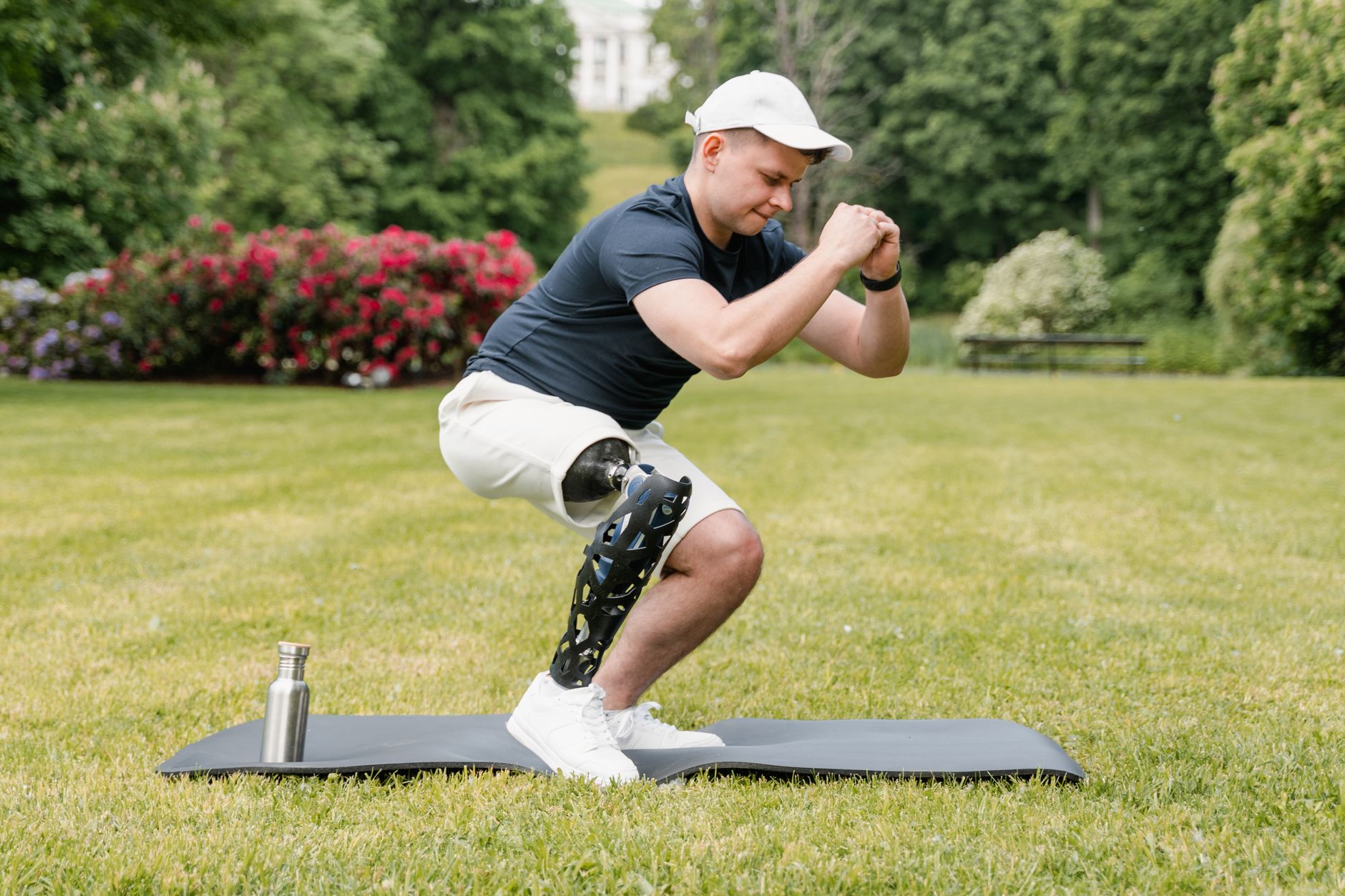
 Photo: cottonbro studio / Pexels
 Photo: Ivan S / Pexels
 Photo: MART PRODUCTION / Pexels
 Photo: RF._.studio _ / Pexels